Guide Highlights
- What Are Chocolate Peanut Butter Bars, Anyway?
- The Two Main Camps: No-Bake vs. Baked Chocolate Peanut Butter Bars
- Building the Perfect Bar: Ingredients Deep Dive
- The Step-by-Step Process: A Foolproof Method
- Beyond the Classic: Top 3 Chocolate Peanut Butter Bar Variations
- Storing, Serving, and Gifting Your Bars
- Nutrition & Dietary Considerations (Let's Be Real)
- Frequently Asked Questions (FAQs)
- Learning from the Pros
Okay, let's talk about one of the greatest food combinations known to humankind: chocolate and peanut butter. It's a match made in dessert heaven, and when you combine them into those irresistible, easy-to-make squares we all know and love, you've got something truly special. I'm talking, of course, about chocolate peanut butter bars.
You know the ones. That perfect layer of salty-sweet, crumbly peanut butter base, topped with a smooth, rich chocolate layer that just melts in your mouth. They're the dessert you bring to potlucks that always disappears first. The treat you whip up when you need something impressive but don't want to spend hours in the kitchen. Honestly, I think every home cook should have a solid recipe for chocolate peanut butter bars in their back pocket.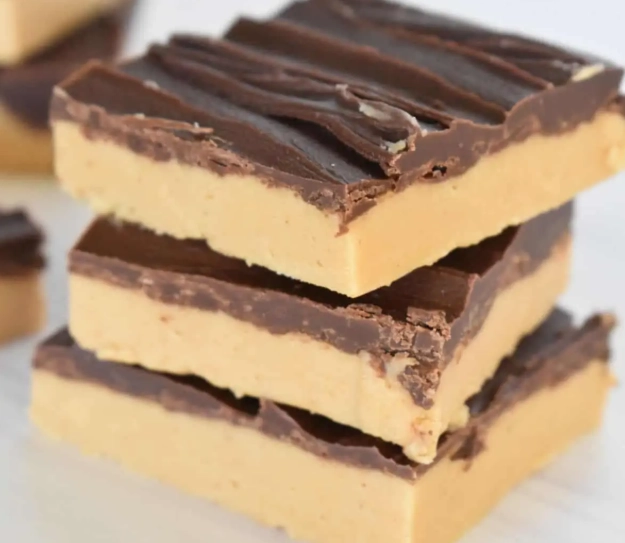
But here's the thing. Not all chocolate peanut butter bars are created equal. Some turn out too hard, others too soft. Some recipes are finicky, while others are practically foolproof. And then there's the great debate: to bake or not to bake?
I've been making (and eating) these bars for years. I've had triumphs and a few disasters along the way. One time, I tried to get fancy and added a caramel layer. Let's just say it turned into a gooey, un-cuttable mess. Lesson learned. Sometimes, the classic approach is best.
This guide is everything I wish I'd known when I first started making chocolate peanut butter bars. We're going to cover the basics, dive into different recipe styles, troubleshoot common problems, and even explore some fun variations. Whether you're a baking newbie or a seasoned pro, there's something here for you.
What Are Chocolate Peanut Butter Bars, Anyway?
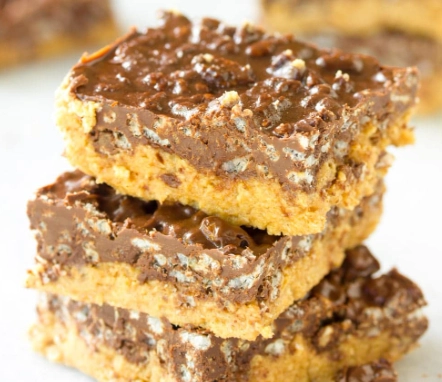
Let's start with the fundamentals. At their core, chocolate peanut butter bars are a layered dessert bar. The base is typically a mixture of crushed graham crackers (or similar cookies), melted butter, powdered sugar, and, of course, creamy peanut butter. This gets pressed into a pan. The topping is almost always a simple layer of melted chocolate, sometimes mixed with a bit of butter or peanut butter for shine and ease of cutting.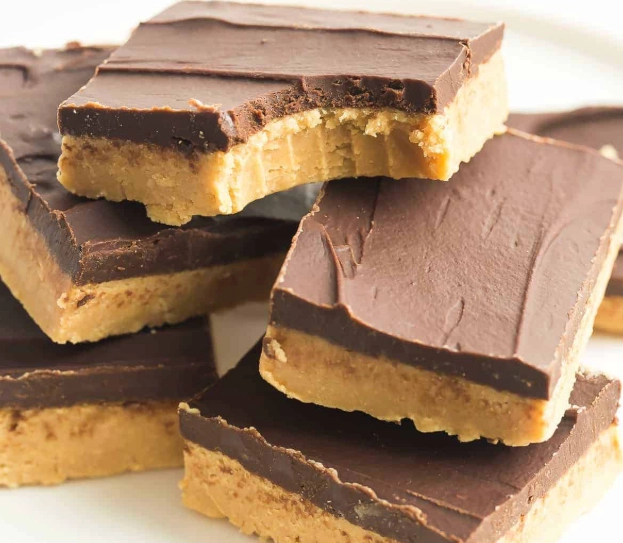
The beauty lies in the contrast. The base is dense, slightly crumbly, and intensely peanut-buttery. The topping is smooth, sweet, and provides that classic chocolate hit. When you bite into one, you get both textures and flavors at once. It's simple, but incredibly effective.
You'll see them called by a few different names: peanut butter squares, chocolate peanut butter squares, magic bars, or even just "those no-bake peanut butter things." They're a staple of American home baking and a frequent sight at bake sales and family gatherings. And for good reason—they're incredibly easy to love.
So, why are they so popular? Let's break it down.
Why This Combo Works So Well
It's not just a happy accident. The success of chocolate peanut butter bars is rooted in food science and sensory pleasure. Peanut butter is fatty, salty, and has a distinct roasted, nutty flavor. Chocolate (especially milk chocolate or semi-sweet) is fatty, sweet, and has complex bitter notes. The fat in both helps carry their flavors, and the salt in the peanut butter heightens the sweetness of the chocolate, making the whole experience more vibrant. The textures play off each other too—the creamy/fudgy base against the firm, snappy chocolate top.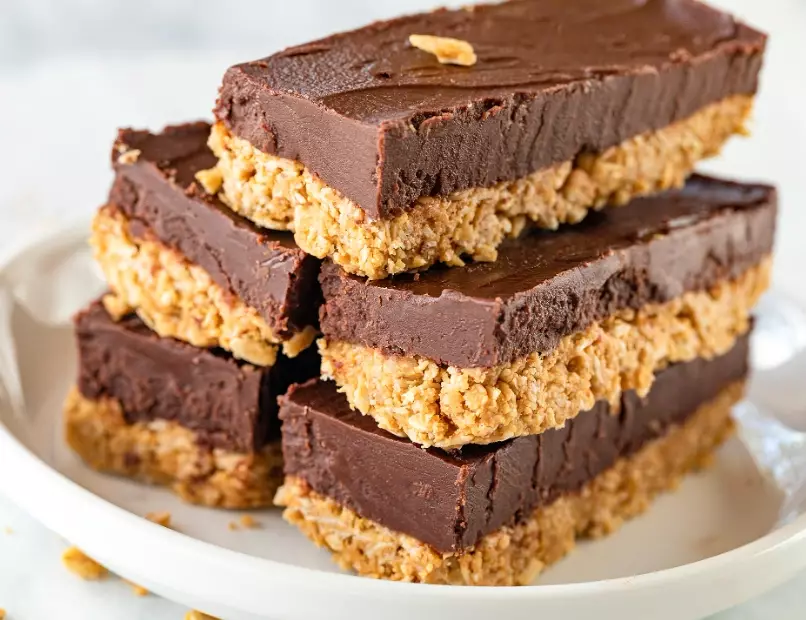
From a practical standpoint, they're a winner because most recipes require no baking (though some do), the ingredient list is short and pantry-friendly, and they're no-fuss to put together. You don't need a mixer or any special equipment. A bowl, a saucepan, and a pan are pretty much it.
The Two Main Camps: No-Bake vs. Baked Chocolate Peanut Butter Bars
This is the first big decision you'll face. Both methods produce delicious bars, but the experience and final product are different.
| Feature | No-Bake Chocolate Peanut Butter Bars | Baked Chocolate Peanut Butter Bars |
|---|---|---|
| Core Method | Base mixture is held together by melted butter/sugar and set in the fridge. Chocolate topping is poured on after. | Base is often a shortbread or cookie dough that is partially or fully baked before adding topping. |
| Texture | Dense, fudgy, and very rich. The base can be quite soft. | Firmer, more cookie-like or cakey base. Often has a crumbly texture. |
| Flavor | Intense, straight-up peanut butter and chocolate flavor. | More nuanced, with toasted notes from baking. Can incorporate flour, oats, or brown sugar for depth. |
| Effort & Time | Super quick to assemble (15-20 mins), but requires several hours to chill and set. | Longer active time for making dough/batter and baking, but sets faster as it cools. |
| Best For | Hot days (no oven!), last-minute desserts, and classic, ultra-rich flavor lovers. | Those who prefer a more structured bite, enjoy baked goods, and want a dessert that can sit out longer. |
| My Personal Take | This is the classic, nostalgic version for me. It's what I think of first. Unbeatable for pure flavor impact. | I love these for a more "grown-up" or substantial treat. They feel more like a proper baked good. |
See? Different beasts. I usually make the no-bake kind because I'm impatient and love that fudgy texture. But when I have a bit more time and want something that feels a bit more special, I'll go for a baked version, maybe with some oats thrown into the base.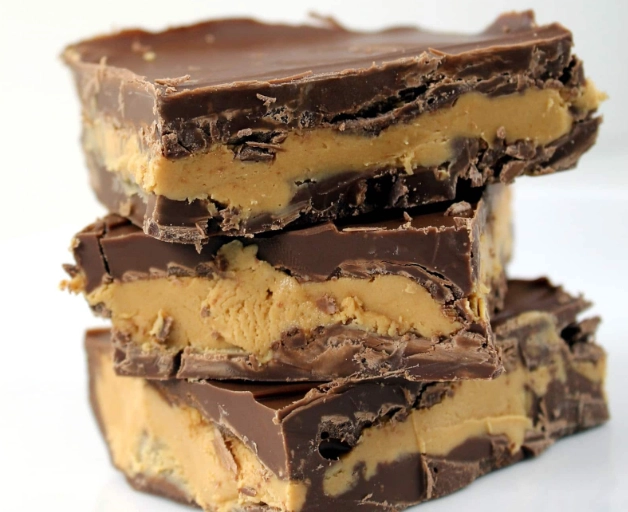
A quick word of caution on the no-bake style: if you don't chill them long enough, they'll be a mess to cut. Patience is key here. I've ruined a batch by trying to cut them after just an hour. Wait for the full time, even if it's hard!
Building the Perfect Bar: Ingredients Deep Dive
You can't build a great house without good bricks, right? The same goes for chocolate peanut butter bars. Let's talk about each component and why your choices matter.
The Peanut Butter Layer: Heart and Soul
This is the most important decision. Use creamy, conventional peanut butter. I'm talking about the shelf-stable kind like Jif or Skippy. Why? Because they're emulsified and have added sugars and stabilizers (like hydrogenated oils) that help the base set up firmly and hold its shape when cut.
I made the mistake once of using 100% natural, oil-separating peanut butter for a no-bake recipe. The result was a greasy, slumpy base that never really firmed up. It was a sad day. The natural oils don't re-solidify the same way. If you're dead-set on natural peanut butter, you're better off with a baked bar recipe that includes flour or oats to provide structure.
Crunchy vs. Creamy? Most recipes are designed for creamy, but you can absolutely use crunchy if you want that extra texture. I sometimes do half and half for the best of both worlds.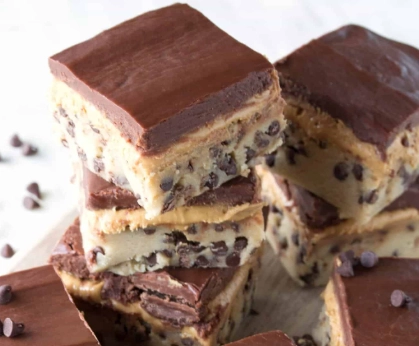
The Chocolate Topping: The Crown
You have options here, and they change the final character of your bars.
- Semi-Sweet Chocolate Chips: The most common and a safe bet. Balanced sweetness, sets nicely. Ghirardelli or Guittard are my go-to brands for quality.
- Milk Chocolate: Sweeter, creamier, and more kid-friendly. Can be a bit soft at room temperature.
- Dark Chocolate (60-70%): For a more sophisticated, less sweet bar. Pairs beautifully with the sweet peanut butter base.
- Chocolate Almond Bark or Candy Coating: Sets up the firmest and has a great snap. It's often used in gift-giving recipes because it's so sturdy, but the flavor is less complex than real chocolate.
My advice? Use good quality chocolate chips or baking bars. Don't skimp. The chocolate layer is front and center, and cheap chocolate can taste waxy. I usually go for semi-sweet. For a real treat, I'll use a high-quality dark chocolate bar chopped up.
And here's a little secret: adding a tablespoon of butter or a spoonful of peanut butter to the chocolate as you melt it makes it smoother, glossier, and slightly easier to cut through later.
The Supporting Cast
- Graham Cracker Crumbs: The standard for the no-bake base. They provide a neutral, slightly sweet, and sandy texture. You can buy them pre-crushed or crush whole sheets in a bag.
- Butter: Unsalted is best so you can control the salt. It's the glue that holds the no-bake base together.
- Powdered Sugar: Also called confectioners' sugar. It sweetens and, because it contains cornstarch, it helps thicken and stabilize the peanut butter layer.
- Salt: Don't forget this! Even if your peanut butter is salted, a pinch of extra salt in the base makes the flavors pop. It cuts the sweetness and highlights the peanut flavor.
Pro Tip: If you're out of graham crackers, you can use other dry cookies. Digestive biscuits, vanilla wafers, or even animal crackers work in a pinch. The flavor will be slightly different, but still delicious.
The Step-by-Step Process: A Foolproof Method
Let's walk through making a classic no-bake chocolate peanut butter bar. This is the method I use 90% of the time.
Step 1: Prep the Pan. Line an 8x8 or 9x9 inch square baking pan with parchment paper, leaving an overhang on two sides. This is non-negotiable for easy removal. Don't just grease the pan—you'll never get clean bars out.
Step 2: Make the Peanut Butter Layer. In a medium saucepan over low heat, melt the butter. Stir in the graham cracker crumbs, powdered sugar, and peanut butter until it's completely combined and looks like a thick, uniform dough. It will pull away from the sides of the pan. This takes about 5 minutes of stirring. Don't rush it—you want everything fully incorporated.
Step 3: Press and Chill (Part 1). Dump the warm peanut butter mixture into your prepared pan. Use the bottom of a measuring cup or a flat glass to press it into a firm, even layer. Really pack it down. Then, pop the pan in the fridge for at least 30 minutes. This initial chill firms up the base so the hot chocolate won't melt into it.
This waiting period is crucial. I use the time to wash dishes and melt the chocolate.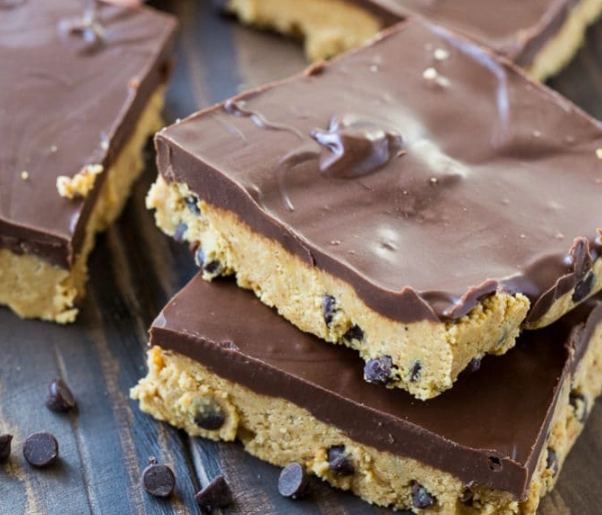
Step 4: Melt the Chocolate. You can do this in a double boiler or, my lazy method, in the microwave. Put chocolate chips (and a tablespoon of butter if you like) in a microwave-safe bowl. Heat in 30-second bursts, stirring well after each, until just smooth. Overheating will seize the chocolate.
Is the base firm? Good. Let's finish.
Step 5: Top and Chill (Part 2). Pour the melted chocolate over the chilled base. Tilt the pan gently to spread it into a perfectly even layer. A small offset spatula is great for this. Then, it's back into the fridge. This is the long chill. You need at least 2 hours, but I often let mine go for 3 or 4, or even overnight. The longer, the better and cleaner the cut.
Step 6: Cut and Serve. Use the parchment paper overhang to lift the entire slab of chocolate peanut butter bars out of the pan. Place it on a cutting board. Use a large, sharp knife. For clean cuts, I run the knife under hot water, wipe it dry, and then cut. Wipe the blade between cuts. You can make squares, rectangles, or even little triangles.
That's it. It seems simple, and it is, but each step has a purpose. Skipping the parchment or shortchanging the chill time are the most common reasons for failure.
Beyond the Classic: Top 3 Chocolate Peanut Butter Bar Variations
Once you've mastered the basic chocolate peanut butter bars, the world is your oyster. Here are my three favorite ways to mix things up.
1. The Oatmeal Chocolate Peanut Butter Bar (The Hearty One)
This is a baked variation that's more like a firm, chewy cookie bar. You replace most of the graham cracker crumbs with old-fashioned rolled oats. The base becomes a dough with peanut butter, oats, flour, brown sugar, and an egg. You pat it into a pan, bake it for 15-20 minutes until golden, then immediately top with chocolate chips that melt into a layer. It's sturdier, has a wonderful chewy texture, and feels a bit more wholesome (even if it's not really healthier!). Perfect for lunchboxes.
2. The Peanut Butter Cup Bar (The Over-the-Top One)
This is for true peanut butter cup fanatics. You make the standard no-bake peanut butter base. But before you add the chocolate, you press miniature peanut butter cups into the surface, lining them up in rows. Then, you pour the melted chocolate over top, sealing them in. When you cut a bar, you get a full peanut butter cup inside each square. It's decadent, impressive, and always a huge hit at parties. It's also very sweet, so cut them small.
3. The Gluten-Free/Dairy-Free Chocolate Peanut Butter Bar (The Inclusive One)
It's surprisingly easy to adapt the classic. Use certified gluten-free graham-style crackers (like from brands like Schär or Kinnikinnick) for the crumbs. Ensure your chocolate chips are dairy-free (Enjoy Life is a great brand). For the butter, use a plant-based stick butter that behaves like real butter (e.g., Miyoko's or Earth Balance). The process is identical. I've made these for friends with dietary restrictions, and they were thrilled to have a treat that tasted just like the "real" thing.
You can also add a sprinkle of flaky sea salt on the warm chocolate, swirl in some jam with the peanut butter layer, or add a layer of salted caramel. The possibilities are endless, but I always recommend nailing the classic first.
Storing, Serving, and Gifting Your Bars
You've made a beautiful batch of chocolate peanut butter bars. Now what?
Storage: These bars are best kept in the refrigerator in an airtight container, with parchment between layers. They'll last for up to a week, though they rarely do in my house. The cold keeps the chocolate firm and the base from getting too soft. You can also freeze them for up to 3 months. Wrap individual bars tightly in plastic wrap and then place them in a freezer bag. Thaw in the fridge overnight.
Serving: I like to serve them straight from the fridge for that satisfying snap of the chocolate. Let them sit out for 5-10 minutes before serving if you prefer a slightly softer bite. They pair wonderfully with a glass of cold milk, a cup of black coffee, or even a scoop of vanilla ice cream for the ultimate indulgence.
Gifting: These make fantastic gifts because they travel well and are universally loved. Place them in a small cardboard box or a decorative tin lined with parchment or wax paper. For a professional touch, you can buy little candy bar wrappers online. A ribbon and a tag complete the gift. Just remind the recipient to keep them cool if it's a warm day!
Watch out for heat! If you leave a plate of these out at a summer picnic, the chocolate will melt and become messy. They are best for indoor gatherings or cooler weather events unless you have a way to keep them chilled.
Nutrition & Dietary Considerations (Let's Be Real)
Let's not kid ourselves. Chocolate peanut butter bars are a dessert, a treat. They are rich in sugars and fats. A typical bar can have 200-300 calories, depending on size. The primary sources of nutrition information, like the USDA FoodData Central, can give you precise breakdowns for individual ingredients like peanut butter and chocolate.
That said, you can make mindful choices. Using dark chocolate with a higher cocoa percentage adds antioxidants and slightly less sugar. Using a natural peanut butter (in a baked recipe) reduces added sugars and hydrogenated fats. You can also reduce the powdered sugar in the base by 1/4 cup—it will be slightly less sweet and hold together a bit less firmly, but still be tasty.
For those with peanut allergies, this is obviously not the dessert for you. Sunflower seed butter (SunButter) is often recommended as a substitute, but be warned: it reacts with baking soda/powder and can turn green in baked goods! For no-bake bars, this isn't an issue, and SunButter makes a delicious alternative bar. Always check labels for allergen cross-contamination.
Frequently Asked Questions (FAQs)
I've gotten a lot of questions about chocolate peanut butter bars over the years. Here are the most common ones.
Learning from the Pros
While home recipes are wonderful, it's always insightful to see how professional bakers and food scientists approach a classic. For anyone who wants to dive deeper into the why behind the recipe, I recommend checking out resources from established baking authorities. Sites like Serious Eats often deconstruct popular desserts, explaining the function of each ingredient. While they might not have a specific article on chocolate peanut butter bars, their principles on bar cookies, fat emulsions, and chocolate tempering are universally applicable and can help you troubleshoot and innovate your own recipes.
Remember, the best chocolate peanut butter bars are the ones that make you and the people you share them with happy. Don't stress over perfection. Even a slightly messy, homely-looking bar tastes incredible. The combination is just that good.
So, grab your peanut butter and chocolate, and give it a go. Start with the classic no-bake. Master it. Then, get creative. Once you understand the foundation, you can build any flavor castle you want on top of it. Happy baking (or no-baking)!
Reader Comments