Let's talk about peanut butter pie. It's not just a dessert; it's a hug in pie form. Creamy, rich, and satisfyingly salty-sweet, it's the dessert you bring when you need a guaranteed crowd-pleaser. But here's the thing I've learned after years of making them (and eating my fair share of failures): the difference between a good peanut butter pie and a legendary one lies in a few simple, often overlooked details.
Most recipes online will get you a decent pie. They'll tell you to mix cream cheese, sugar, and peanut butter. But they rarely tell you why your filling sometimes turns grainy, or why the crust gets soggy by the next day. I'm here to fix that. This guide is for anyone who wants to move beyond just following a recipe and actually understand how to build the perfect peanut butter pie, whether you're a baking novice or a seasoned pro looking for that next-level trick.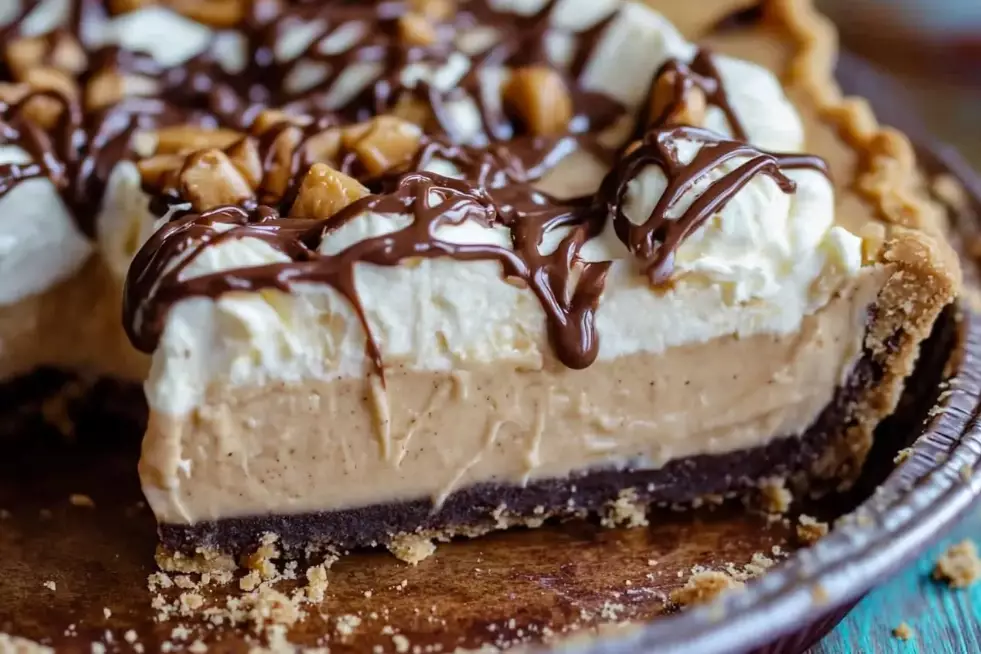
What's Inside This Peanut Butter Pie Guide
- The Heart of the Pie: Choosing Your Key Ingredients
- How to Make a Classic Baked Peanut Butter Pie
- The Secret to a Perfect No-Bake Peanut Butter Pie
- Chocolate Peanut Butter Pie: A Match Made in Heaven
- 3 Common Peanut Butter Pie Mistakes (And How to Avoid Them)
- Your Peanut Butter Pie Questions, Answered
The Heart of the Pie: Choosing Your Key Ingredients
You can't build a great house with shaky bricks, and the same goes for your pie. Let's break down the non-negotiables.
Peanut Butter: This is the star. The biggest mistake? Using the wrong kind. For a no-bake peanut butter pie, you must use processed, shelf-stable peanut butter like Jif or Skippy. The oils and stabilizers in these brands help the filling set properly. Natural peanut butter (the kind that separates) will often result in a greasy, loose filling that won't hold its shape. For baked pies, you have more flexibility, but the creamy, standard variety still gives the most reliable texture and flavor.
Cream Cheese: Full-fat. Always. Bring it to room temperature. I mean, truly room temperature—leave it out for a good 90 minutes. If it's even slightly cold, you'll end up with lumpy filling no matter how long you mix. I learned this the hard way at a family reunion. The lumps weren't big, but they were there, and I knew.
The Crust: This is your foundation. You have options, and each brings a different personality to your easy peanut butter pie.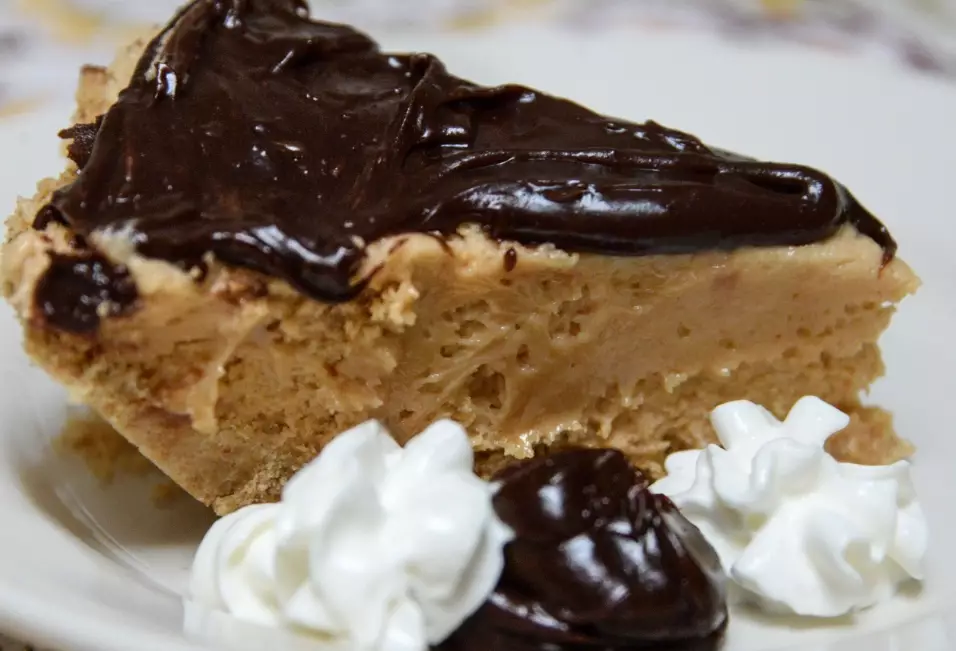
| Crust Type | Best For | Key Tip |
|---|---|---|
| Graham Cracker | Classic no-bake pies. Sweet, crumbly, familiar. | Mix the crumbs with just enough melted butter so they hold together when pinched. Too much butter makes it greasy. |
| Chocolate Cookie (Oreo) | Chocolate peanut butter pies. Adds a deep cocoa flavor. | Remove the cream filling for a pure chocolate crunch. It's extra work, but worth it. |
| Pretzel | A salty-sweet twist. Cuts the richness beautifully. | Use fine pretzel crumbs, not dust. A few small chunks add great texture. |
| Traditional Pie Dough | Baked peanut butter pies (like a chiffon). Flaky and buttery. |
What's the best crust? It depends on the mood. A graham cracker crust is the comforting classic, but a pretzel crust will make people ask for your recipe.
How to Make a Classic Baked Peanut Butter Pie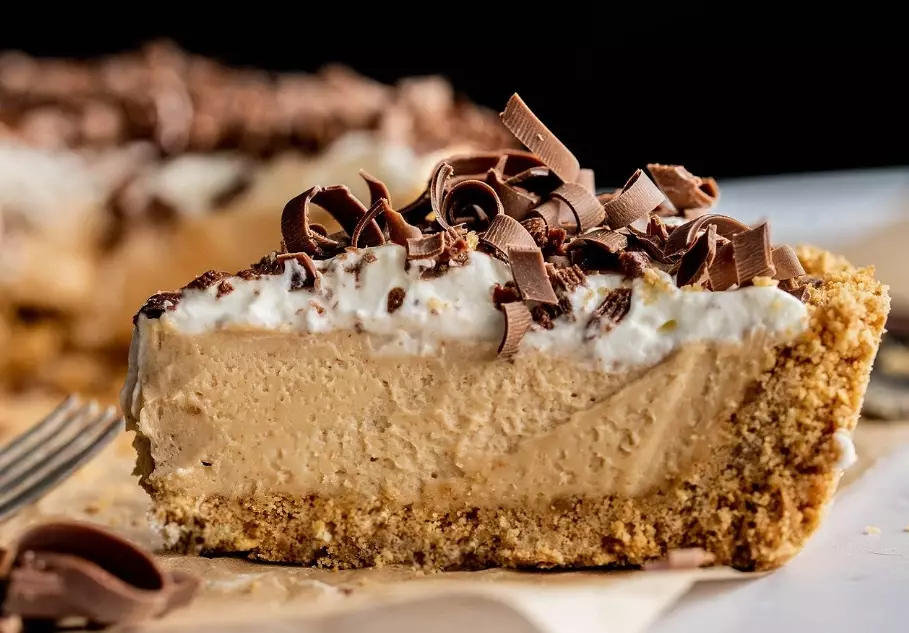
When people search for a peanut butter pie recipe, they're often picturing the no-bake kind. But the baked version, a peanut butter chiffon or custard pie, is a different beast—lighter, airier, and set with eggs. It's less common, which means mastering it puts you in a special club.
Classic Peanut Butter Chiffon Pie
Prep: 40 mins | Cook: 12 mins | Chill: 4+ hours | Serves: 8-10
You'll need a pre-baked 9-inch pie shell (store-bought or homemade is fine).
The Filling:
• 1 envelope unflavored gelatin
• 1/4 cup cold water
• 3/4 cup brown sugar, packed
• 1/2 tsp salt
• 3 large egg yolks (save the whites!)
• 1/2 cup whole milk
• 1 cup creamy peanut butter (not natural)
• 1 tsp vanilla extract
• 3 large egg whites
• 1/4 cup granulated sugar
Steps:
1. Bloom the gelatin: Sprinkle the gelatin over the cold water in a small bowl. Let it sit for 5 minutes. It will look like grainy applesauce.
2. Make the custard base: In a medium saucepan, whisk the egg yolks, brown sugar, salt, and milk. Cook over medium-low heat, stirring constantly, until it thickens enough to coat the back of a spoon (about 8-10 minutes). Do not boil.
3. Combine: Remove from heat. Whisk in the bloomed gelatin until fully dissolved. Then whisk in the peanut butter and vanilla until smooth. It will be thick. Transfer to a large bowl and let cool to room temperature. This is crucial—if it's too hot, it will deflate the meringue.
4. Make the meringue: In a very clean bowl, beat the egg whites with an electric mixer until soft peaks form. Gradually add the granulated sugar and beat until stiff, glossy peaks form.
5. Fold, don't stir: Gently fold about 1/3 of the meringue into the peanut butter mixture to lighten it. Then carefully fold in the remaining meringue until no white streaks remain. Be gentle to keep the air in.
6. Chill: Pour into the cooled pie shell. Refrigerate for at least 4 hours, or overnight, until firmly set. Top with whipped cream and chopped peanuts before serving.
The trick here is the meringue. Folding is a gentle, scooping motion. If you stir, you'll end up with a dense, flat filling. I ruined my first two attempts by being impatient and aggressive with the spatula.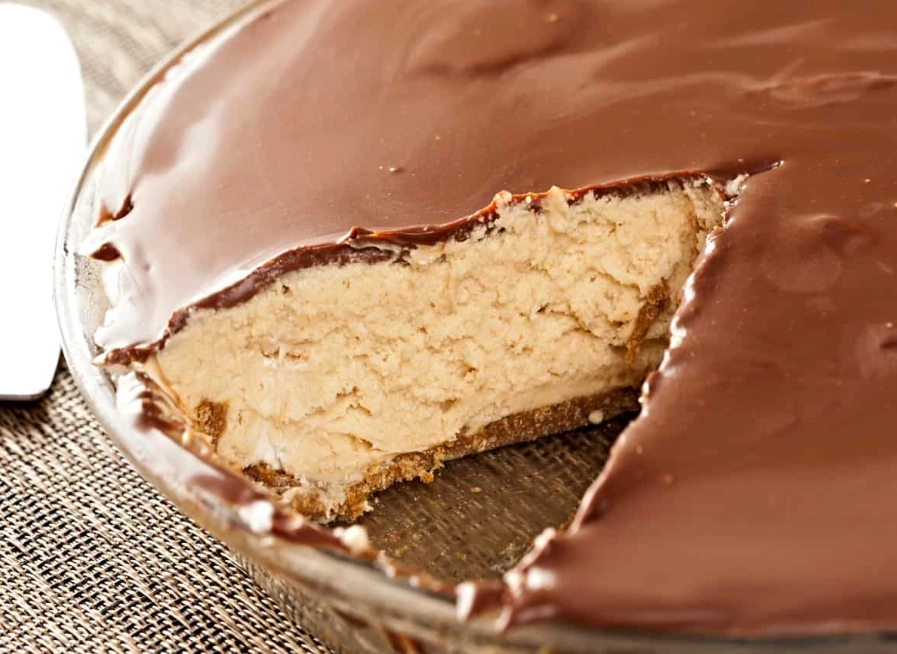
The Secret to a Perfect No-Bake Peanut Butter Pie
This is the workhorse of peanut butter pies. It's fast, requires no oven, and is foolproof—if you know one secret. The texture hinge isn't just the peanut butter; it's how you handle the dairy.
Most recipes use Cool Whip or whipped topping. It works, but for a superior texture and flavor, use real heavy cream whipped to stiff peaks. The fat content in heavy cream (around 36%) stabilizes the filling far better than the lower-fat alternatives. According to the USDA, whipping cream must contain at least 30% milk fat to be labeled as such—that fat is what gives structure.
Here's my streamlined, no-fail process:
- Whip the cream first. Take your very cold heavy cream and beat it with a bit of powdered sugar and vanilla until you have firm peaks. Don't overbeat into butter! Set it aside.
- Beat the cream cheese and peanut butter together. Use a food processor if you have one. It combines them into a perfectly smooth, lump-free paste far better than a hand mixer. This is my non-consensus tool tip. Everyone says "use a mixer." I say a food processor is faster and gives a silkier result.
- Fold, fold, fold. Add the whipped cream to the peanut butter mixture in two batches, folding gently with a large spatula until just combined. Overmixing deflates the cream.
- Chill aggressively. Pour into your crust and refrigerate for a minimum of 6 hours. Overnight is ideal. This sets the structure and allows the flavors to marry.
This method produces a pie that's light yet rich, creamy but sliceable.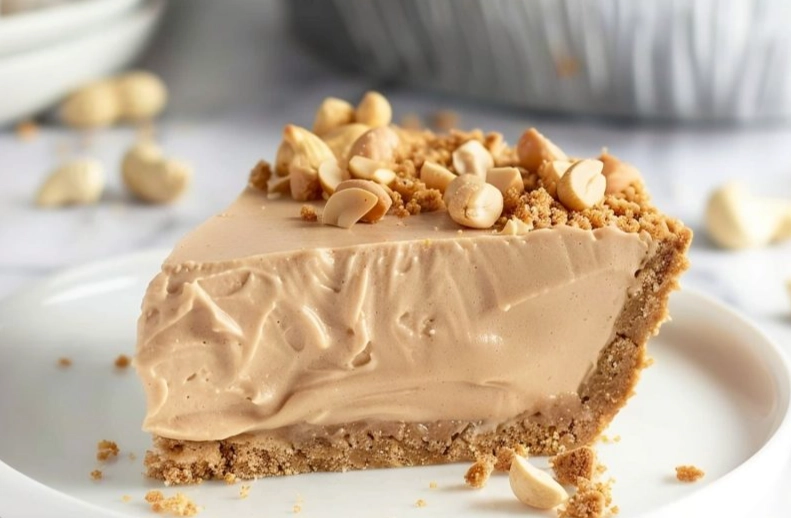
Chocolate Peanut Butter Pie: A Match Made in Heaven
To elevate the classic, add chocolate. But how you add it changes everything.
Option 1: Chocolate Crust. Use an Oreo crust. It's the simplest upgrade and provides a textural contrast with every bite.
Option 2: Chocolate Ganache Layer. Before adding the peanut butter filling, spread a thin layer of cooled, semi-set chocolate ganache (equal parts heated cream and chopped chocolate, stirred smooth) over the crust. Let it set in the fridge for 20 minutes. This creates a luxurious barrier that keeps the crust crisp and adds a deep chocolate flavor.
Option 3: Chocolate Swirl. After pouring the peanut butter filling into the crust, dollop with melted chocolate or chocolate sauce. Use a knife or skewer to swirl it gently. Don't over-swirl, or you'll muddy the pattern.
My personal favorite is the ganache layer. It feels professional, and the clean separation of chocolate and peanut butter is visually stunning when sliced.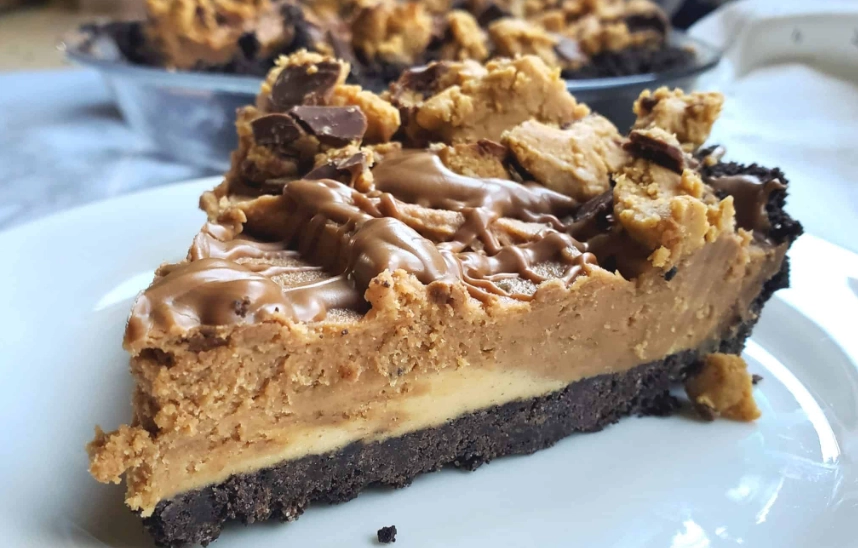
3 Common Peanut Butter Pie Mistakes (And How to Avoid Them)
1. A Soggy, Sad Crust
This happens when the wet filling sits directly on the crumb crust for too long. The fix is simple: Seal it. After pressing your crumb crust into the pan, brush it with a thin layer of lightly beaten egg white. Bake at 350°F (175°C) for 5 minutes. The egg white forms a waterproof barrier. Let it cool completely before adding filling. Game-changer.
2. Grainy or Lumpy Filling
Two culprits: cold cream cheese and powdered sugar. Ensure your cream cheese is truly soft. If using powdered sugar (common in no-bake recipes), sift it first. The cornstarch in it clumps. Better yet, for no-bake pies, use granulated sugar dissolved in a tablespoon of milk or cream before adding—it guarantees smoothness.
3. A Filling That Won't Set
You followed the easy peanut butter pie recipe, but it's soup after hours in the fridge. Likely causes: using natural peanut butter (the oil prevents setting), not whipping the cream enough, or not chilling long enough. No-bake pies rely on the structure of whipped cream and the stability of processed peanut butter. Respect the chill time—it's not a suggestion.
Pro Storage Tip:
Peanut butter pie keeps beautifully. Cover it tightly with plastic wrap pressed directly on the surface to prevent a "skin" from forming, then with foil. It will last 4-5 days in the fridge. You can also freeze it for up to 2 months. Thaw overnight in the refrigerator. The texture of a frozen-thawed no-bake pie is nearly identical to fresh.
Your Peanut Butter Pie Questions, Answered
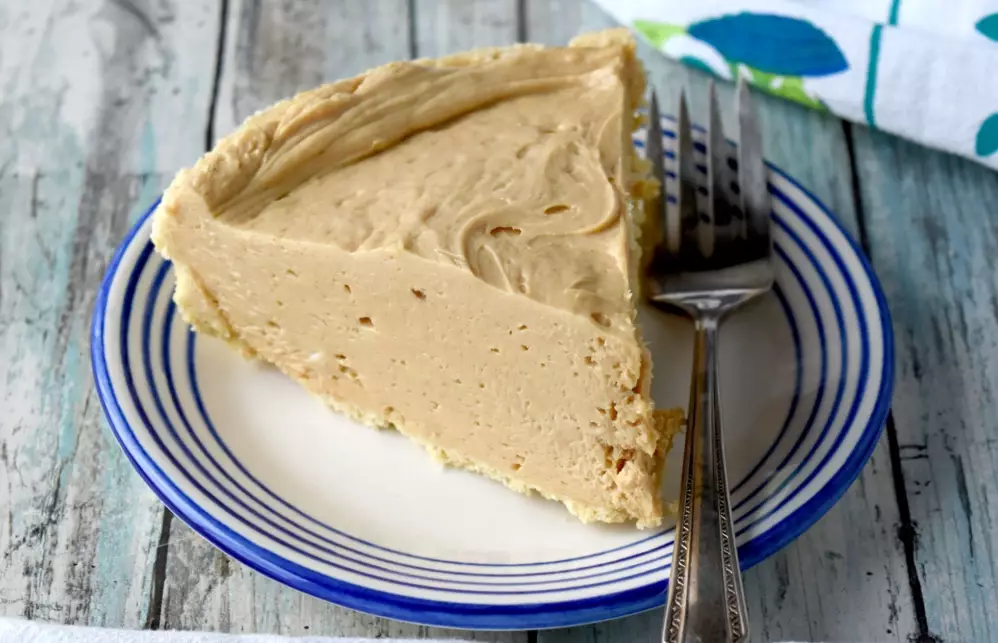 The beauty of a peanut butter pie is its versatility. It's a blank canvas. Once you've mastered the basic creamy filling, start playing. Add a layer of banana slices. Mix in some crushed Reese's cups. Drizzle with salted caramel. The principles stay the same: manage your fats, respect your chill time, and don't be afraid of a little salt to make the sweet sing.
Now go make one. Your next potluck or family dinner is waiting for its new star dessert.
Reader Comments