Let's be honest. Most peanut butter cookie recipes promise chewy perfection but deliver something closer to a dry, crumbly hockey puck. Or they spread into one giant, greasy blob on your baking sheet. I've been there. After a decade of tweaking, burning, and (finally) nailing it, this homemade peanut butter cookie recipe is the one I come back to every single time. It's not just a list of ingredients; it's the why behind each step that guarantees a cookie with a crisp edge, a chewy center, and that deep, roasty peanut butter flavor we all crave.
What You'll Find in This Guide
Ingredients for the Perfect Peanut Butter Cookie
This isn't magic, it's chemistry. Using the right ingredients in the right way is 90% of the battle. Here’s exactly what you need and why it matters.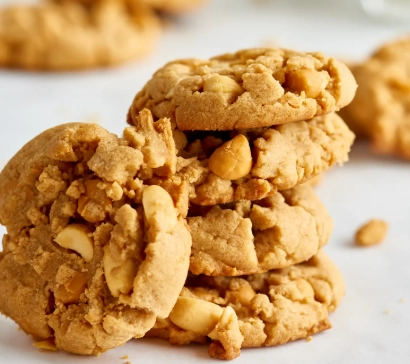
| Ingredient | Amount | The "Why" – What It Does |
|---|---|---|
| Unsalted Butter | 1/2 cup (1 stick), softened | Provides flavor and moisture. Unsalted lets you control the salt level. It must be softened, not melted or cold. |
| Granulated Sugar | 1/2 cup | Sweetens and helps create that crisp edge through caramelization. |
| Packed Brown Sugar | 3/4 cup | The secret to chewiness. The molasses adds moisture and a deeper flavor. |
| Peanut Butter | 1 cup | The star. Use a standard, no-stir commercial brand (like Jif or Skippy). Natural peanut butter often leads to oily, flat cookies. |
| Large Egg | 1 | Binds everything together and adds structure. |
| Vanilla Extract | 1 teaspoon | Enhances all the other flavors. Don't skip it. |
| All-Purpose Flour | 1 1/4 cups | The main structure-builder. Spoon and level it into your measuring cup—don't scoop! |
| Baking Soda | 3/4 teaspoon | The leavening agent that gives the cookies a little lift and spread. |
| Baking Powder | 1/2 teaspoon | Works with baking soda for a more balanced rise. |
| Salt | 1/2 teaspoon | Essential. It balances the sweetness and makes the peanut butter flavor pop. |
A quick note on peanut butter: This is the most common point of failure. I love natural peanut butter on toast, but for these cookies, the stabilizers in conventional peanut butter are your friend. They create a predictable texture. If you're committed to natural, see the FAQ for a workaround, but be prepared for a different result.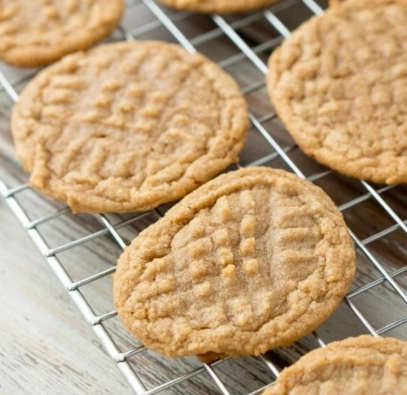
Step-by-Step Baking Instructions
Follow these steps in order. Rushing or skipping is how cookies fail.
1. Prep and Preheat
Take your butter and egg out of the fridge about 30-45 minutes before you start. They need to be at cool room temperature. Line two baking sheets with parchment paper. Do not grease the sheets. Parchment is non-stick and prevents over-browning. Preheat your oven to 350°F (175°C). A properly heated oven is non-negotiable.
2. Mix the Wet Ingredients (The Creaming Method)
In a large bowl, beat the softened butter, granulated sugar, and brown sugar together. Here's the critical part: beat just until they are combined and look creamy, about 1-2 minutes with a hand mixer. Do not over-cream. You're not trying to make it fluffy like cake. Over-creaming incorporates too much air and is a leading cause of flat, spread-out cookies.
Beat in the peanut butter, then the egg, then the vanilla. Mix until each is just incorporated.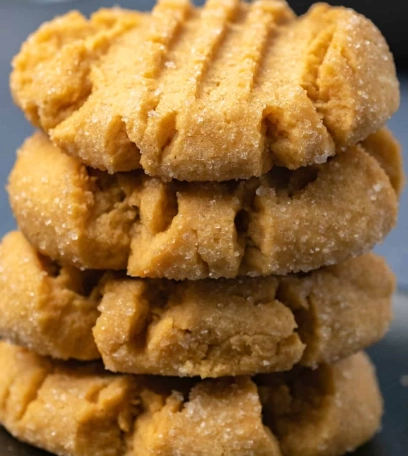
3. Combine the Dry Ingredients
In a separate bowl, whisk the flour, baking soda, baking powder, and salt together. This evenly distributes the leaveners so you don't get a bitter bite.
4. Bring It All Together
Add the dry ingredients to the wet ingredients. Mix on low speed, or by hand with a sturdy spoon, just until no dry streaks of flour remain. The dough will be thick and slightly sticky.
The Chill Time (You Might Want to Skip This. Don't.) Cover the bowl and refrigerate the dough for at least 30 minutes. This firms up the butter, preventing cookie spread, and allows the flour to hydrate for a better texture. Skipping this is the #1 reason for flat cookies. You can chill it longer—even overnight for more developed flavor.
5. Shape and Bake
Use a cookie scoop or a tablespoon to portion dough into 1.5-inch balls. Roll them between your palms to smooth them out. Place them on the parchment-lined sheets, about 2 inches apart. Use a fork to make the classic criss-cross pattern, dipping the fork in a little sugar between presses to prevent sticking.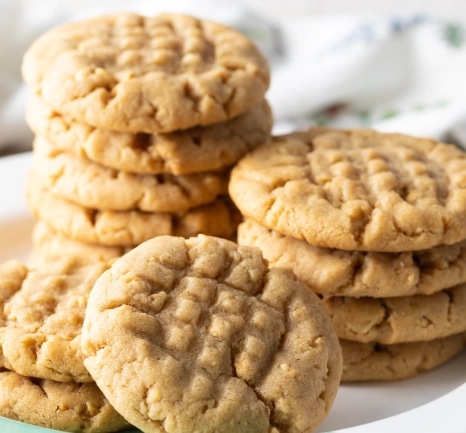
Bake for 9-11 minutes. The cookies are done when the edges are set and lightly golden, but the centers still look soft, puffy, and underdone. They will continue to cook on the hot baking sheet.
6. The Final, Crucial Step
Let the cookies cool on the baking sheet for 5 minutes. This lets them set. Then transfer them to a wire rack to cool completely. This patience is what gives you that perfect chewy-crisp texture.
Fixing Common Cookie Problems
Even with a great recipe, things happen. Here's how to troubleshoot.
- Cookies are too flat and greasy: Dough wasn't chilled, butter was too warm/melted, or you used natural peanut butter. Next time, chill longer and use commercial peanut butter.
- Cookies are too dry and crumbly: You likely over-measured the flour (spoon and level!), over-baked them, or used too much peanut butter. Check your measurements.
- Cookies are cakey and puffy: Too much flour or too much baking powder/soda. Again, measure flour correctly.
- Cookies burned on the bottom: Your oven rack is too low, your baking sheet is dark metal (which absorbs more heat), or you used a greased pan instead of parchment. Use parchment on a light-colored sheet placed in the middle rack.
Pro Tips for Next-Level Cookies
Once you've mastered the base recipe, try these twists.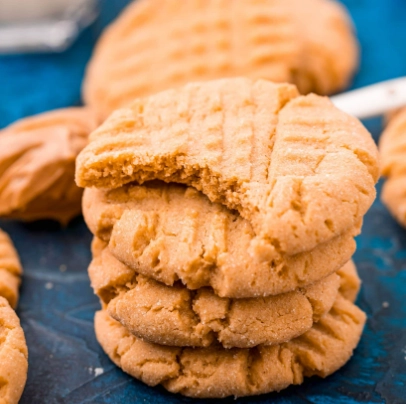
For Chocolate Lovers: Fold in 1 cup of chocolate chips or chopped dark chocolate into the dough before chilling.
Salty-Sweet Perfection: Sprinkle a tiny pinch of flaky sea salt (like Maldon) on top of each cookie right when they come out of the oven.
The Freezer Trick: This is my favorite. After portioning the dough balls, freeze them solid on a tray, then bag them up. You can bake 2 or 12 directly from frozen, adding 1-2 minutes to the bake time. Fresh cookies in 15 minutes, anytime.
Brown Butter Upgrade: Brown your butter before adding it. Let it cool to room temperature, then proceed. It adds a incredible nutty, toffee-like depth. It's a game-changer.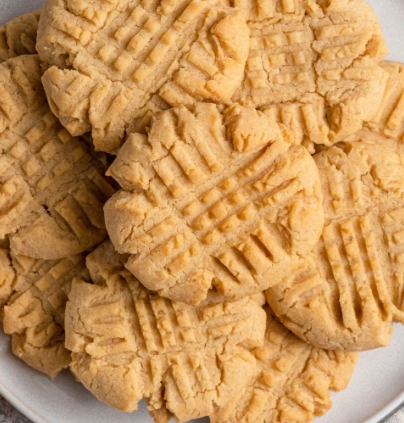
Your Baking Questions Answered
The real secret to the best homemade peanut butter cookies isn't a hidden ingredient. It's understanding how the basics work together. Get your measurements right, respect the chill time, and don't over-bake. This recipe gives you that control. Now go preheat your oven. Your perfect batch of chewy, crispy, peanut-buttery cookies is waiting.
Reader Comments