If you're searching for a peanut butter blossoms recipe that actually works—soft, chewy cookies with a chocolate kiss perfectly perched on top—you can stop looking. This is the only guide you'll need, drawn from years of baking mishaps and triumphs. I've seen too many recipes fail because of vague instructions or overlooked details, so let's get straight to the point.
Jump to What Matters
Ingredients You Absolutely Need
Getting the ingredients right is half the battle. I learned this the hard way when I used natural peanut butter once and ended up with greasy, flat cookies. Stick to this list for consistent results.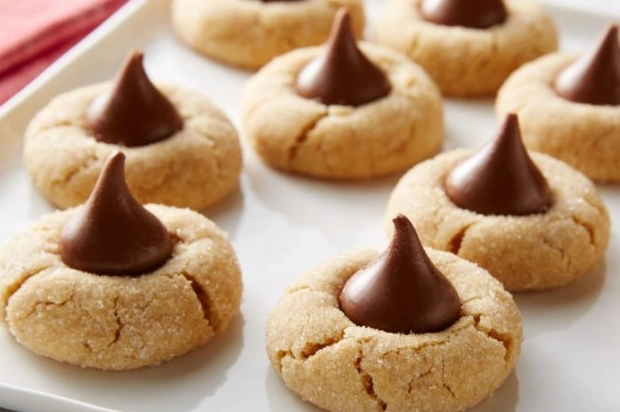
Dry vs. Wet: A Quick Breakdown
Here’s a table to visualize what goes in. Measure everything precisely—baking is a science, as they say.
| Ingredient | Quantity | Notes |
|---|---|---|
| All-purpose flour | 1 and 1/2 cups | Spoon and level it; don't scoop from the bag. |
| Baking soda | 1 teaspoon | Check the expiration date—old soda ruins rise. |
| Salt | 1/2 teaspoon | Fine sea salt works best. |
| Unsalted butter, softened | 1/2 cup (1 stick) | Room temperature, not melted. Take it out an hour ahead. |
| Peanut butter (creamy) | 1/2 cup | Use processed brands like Jif or Skippy for stability. |
| Granulated sugar | 1/2 cup | For dough sweetness. |
| Light brown sugar, packed | 1/2 cup | Adds moisture and chewiness. |
| Large egg | 1 | Bring to room temperature to blend smoothly. |
| Vanilla extract | 1 teaspoon | Real vanilla, not imitation, for depth. |
| Additional sugar for rolling | About 1/4 cup | Granulated or coarse sugar for crunch. |
| Chocolate kisses (like Hershey's) | About 36 pieces | Unwrapped and ready. Milk chocolate is classic. |
Why processed peanut butter? Natural varieties separate and add too much oil, which I found out after a batch spread into pancake-like cookies. Trust me on this.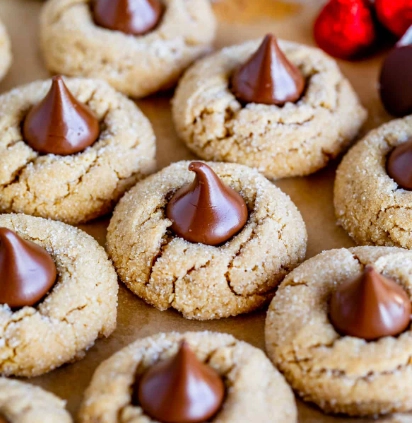
Step-by-Step Baking Process
Follow these steps in order. Rushing leads to dense cookies—I've been there.
Preparing the Dough
Start by preheating your oven to 375°F (190°C). Line baking sheets with parchment paper; don't skip this, as it prevents sticking and ensures even browning.
In a medium bowl, whisk together the flour, baking soda, and salt. Set it aside. In a large bowl, use an electric mixer on medium speed to beat the softened butter, peanut butter, granulated sugar, and brown sugar until creamy—about 2 minutes. Scrape down the sides. Add the egg and vanilla extract, mixing until just combined.
Gradually add the dry ingredients to the wet mixture. Mix on low speed until the dough comes together. It should be soft but not sticky. Overmixing develops gluten and makes cookies tough, so stop as soon as no flour streaks remain.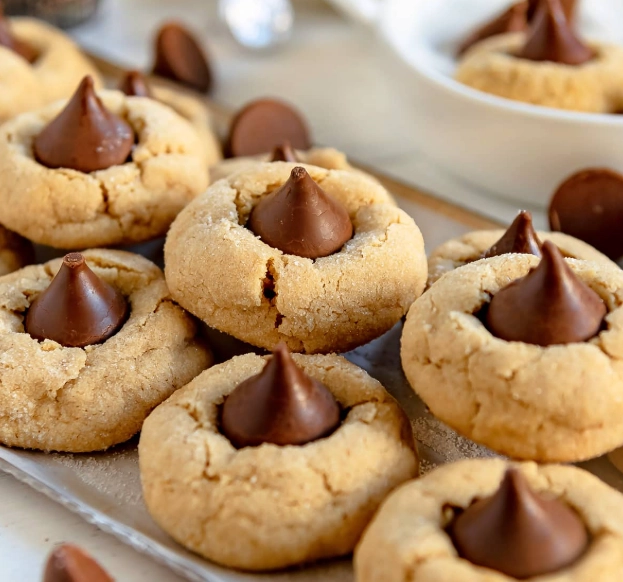
Pro tip: If the dough feels too soft, chill it in the refrigerator for 15 minutes. This firms it up for easier rolling and prevents excessive spreading during baking.
Shaping and Baking
Pour the extra sugar into a small bowl. Scoop about 1 tablespoon of dough per cookie—I use a #60 cookie scoop for consistency. Roll each portion into a ball between your palms, then roll in the sugar to coat evenly. Place the balls about 2 inches apart on the prepared baking sheets.
Bake for 8 to 10 minutes. The cookies should be lightly golden around the edges but still soft in the center. They'll firm up as they cool. Don't overbake; I once left them in for 12 minutes and got hockey pucks instead of blossoms.
Adding the Chocolate Kisses
As soon as the cookies come out of the oven, gently press a chocolate kiss into the center of each one. The heat will slightly melt the base, helping it adhere. Let the cookies cool on the baking sheet for 5 minutes, then transfer to a wire rack to cool completely.
Why press immediately? If you wait, the cookies set and the kiss won't stick well, leading to fallout—a common frustration in holiday baking.
Expert Tips and Common Mistakes
After baking hundreds of batches, I've spotted patterns. Here are insights you won't find in most generic recipes.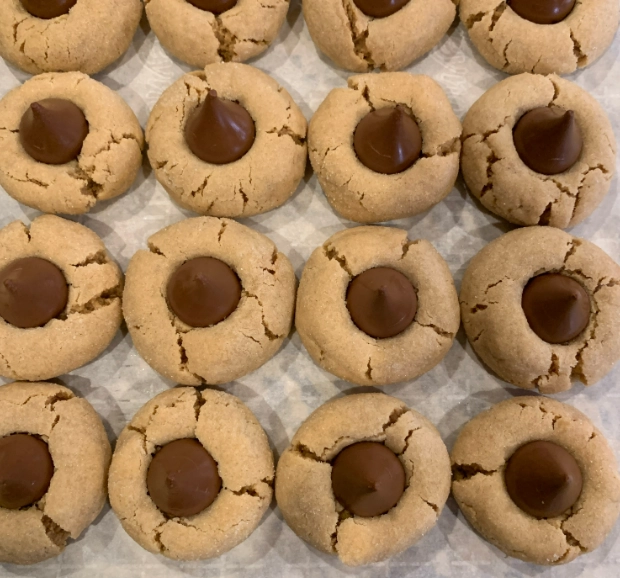
Mistake 1: Using cold butter or over-creaming. Cold butter doesn't incorporate well, resulting in uneven texture. Over-creaming (mixing too long) incorporates too much air, causing cookies to rise and collapse. Beat just until smooth.
Mistake 2: Skipping the sugar roll. That sugar coating isn't just for looks—it creates a delicate crust and prevents the kiss from sinking too deep. I tried skipping it once, and the kisses melted into gooey pools.
Mistake 3: Wrong oven temperature. Ovens vary. Use an oven thermometer to verify 375°F. If your cookies spread too much, the oven might be too low; if they brown too fast, it's too high. Adjust accordingly.
Watch out: Natural peanut butter or reduced-fat versions alter fat content, leading to dry or oily cookies. Stick to full-fat, processed peanut butter for reliable results, as recommended by sources like King Arthur Flour's baking guides.
Another subtle point: dough temperature. If your kitchen is warm, chill the dough for 30 minutes before baking. This controls spread and enhances flavor.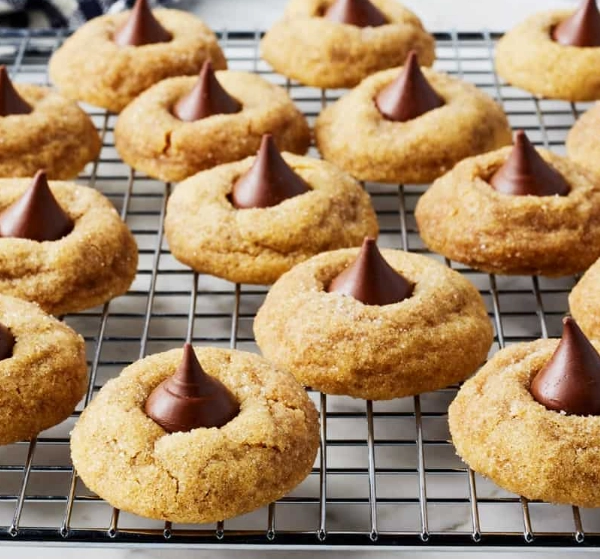
Creative Variations and Swaps
Bored of the classic? Try these twists—they're crowd-pleasers.
- Dark chocolate kisses: Swap milk chocolate for dark chocolate kisses. It cuts the sweetness and adds richness.
- Peanut butter type: Use crunchy peanut butter for added texture. Just note it might spread slightly more.
- Flour alternatives: For a gluten-free version, substitute with a 1:1 gluten-free flour blend. I've tested Bob's Red Mill with success.
- Holiday spins: Roll dough in colored sugar for Christmas or use peppermint kisses for a festive touch.
One variation I love: add 1/2 teaspoon of cinnamon to the dry ingredients for a warm spice note. It's a game-changer for fall baking.
How to Store and Serve
Store cooled cookies in an airtight container at room temperature for up to 5 days. Layer them with parchment paper to prevent sticking. For longer storage, freeze the baked cookies (without kisses) for up to 3 months; add kisses after thawing.
Serve them at room temperature for the best texture. They pair wonderfully with milk or coffee—perfect for cookie swaps or holiday gatherings.
I once stored them in a plastic bag, and they turned soggy. Airtight is key, as humidity affects crispness.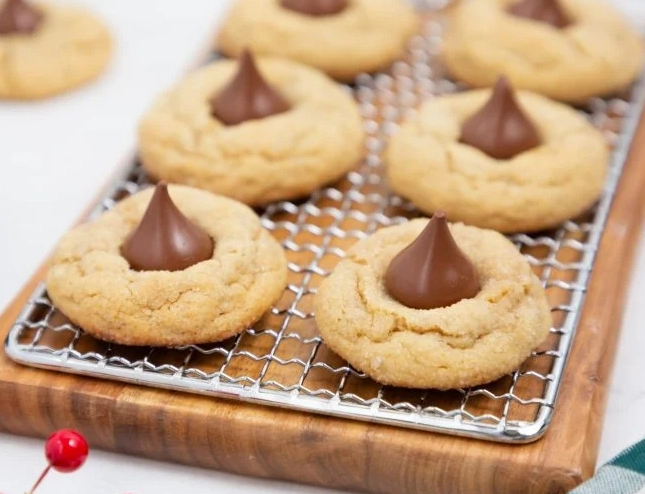
Reader Comments