Let's be honest. Most peanut butter cookie recipes promise greatness but deliver something… fine. Maybe they're too dry, crumbling to dust with the first bite. Maybe they're cakey and soft, lacking that distinct peanut butter punch. Or worse, they spread into sad, flat discs that taste more like butter than peanuts.
The quest for the best peanut butter cookies isn't about finding a magical secret ingredient. It's about understanding the balance. The perfect cookie sits right at the intersection of chewy, tender, and packed with roasty peanut flavor. It should have a slight give in the center, a crisp-ish edge, and that iconic criss-cross pattern that promises nostalgia in every bite.
After years of testing (and eating more failed batches than I care to admit), I've nailed down what actually works. Forget the vague instructions and generic recipes. Here’s exactly how to make peanut butter cookies that will ruin all other versions for you.
What You'll Find Here
- What Makes a Peanut Butter Cookie the "Best"?
- The Ingredient Breakdown: Why Each One Matters
- The Definitive Best Peanut Butter Cookies Recipe
- Step-by-Step Baking: Where Most Recipes Go Wrong
- Fixing Common Peanut Butter Cookie Problems
- Next-Level Tips for Baking Nerds
- Your Peanut Butter Cookie Questions, Answered
What Makes a Peanut Butter Cookie the "Best"?
This is subjective, of course. But if you're searching for "the best peanut butter cookies," you're likely not looking for a cakey, bread-like texture or a brittle, sandy shortbread. The cultural touchstone, the one from childhood bake sales and grandma's kitchen, is chewy.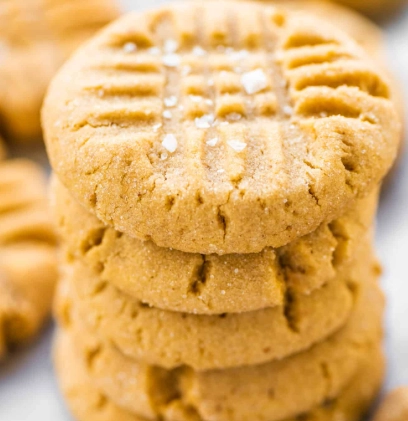
Chewiness comes from moisture and the right sugar ratio. It's the difference between a cookie you savor and one you choke down with milk. A great cookie also needs a pronounced peanut flavor that isn't masked by too much butter or vanilla. The texture should be dense but tender, not tough. The edges can have a slight crispness that gives way to a soft, yielding center.
That's the target. Now, let's build the recipe that hits it.
The Ingredient Breakdown: Why Each One Matters
You can't just throw things in a bowl and hope. Every component has a job.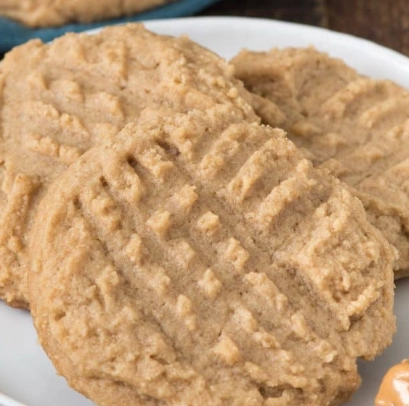
The Core Cast
Peanut Butter: This is the star. For consistent results, use a processed, no-stir peanut butter like Jif or Skippy. The oil is stabilized, and they contain added sugar and salt, which are calibrated for baking. Natural peanut butter can work, but it's a variable. If you use it, make sure it's thoroughly stirred and be prepared for a slightly oilier, less sweet result. I've found the texture with natural peanut butter is often more crumbly.
Sugars: This is the texture controller. Brown sugar (light or dark) adds moisture and molasses flavor, promoting chewiness. Granulated white sugar encourages spreading and crispness. A 50/50 or 60/40 brown-to-white ratio is the sweet spot for that perfect chew-with-a-hint-of-crisp.
Butter: Use unsalted butter, softened to room temperature. This means cool to the touch but your finger leaves a slight indent. Melted butter will make your cookies greasy and flat. Cold butter won't cream properly. This one detail ruins more cookies than any other.
Flour: All-purpose is perfect. Don't pack it into the measuring cup. Spoon it in and level it off. Too much flour is the #1 cause of dry, cakey cookies.
Leaveners: Most recipes use just baking soda. I add a tiny bit of baking powder (¼ tsp) for a slightly better rise, which helps prevent excessive spreading. Baking soda also helps with browning.
Egg: One large egg binds everything. It also adds structure and a bit of richness.
The Definitive Best Peanut Butter Cookies Recipe
This is my workhorse recipe. It's simple, reliable, and produces exactly the kind of cookie I described above.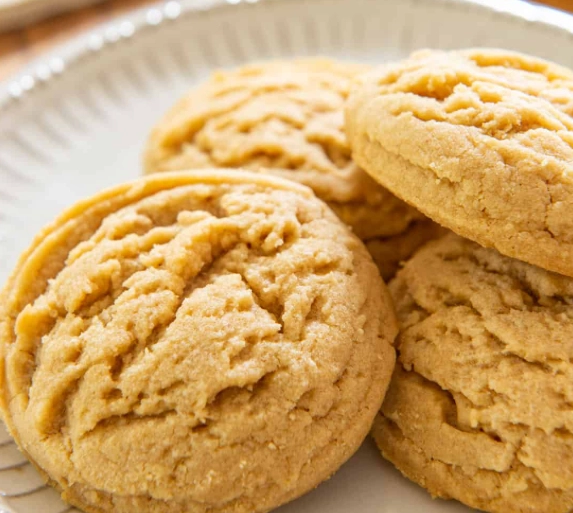
Yield: About 24 cookies
Prep: 15 minutes
Chill: 30 minutes (non-negotiable)
Bake: 9-11 minutes per batch
Ingredients
- 1 cup (250g) processed creamy peanut butter
- ½ cup (115g) unsalted butter, softened
- ¾ cup (150g) packed light brown sugar
- ¼ cup (50g) granulated white sugar
- 1 large egg, room temperature
- 1 teaspoon pure vanilla extract
- 1 ¼ cups (156g) all-purpose flour (spooned & leveled)
- ¾ teaspoon baking soda
- ¼ teaspoon baking powder
- ½ teaspoon fine sea salt
Step-by-Step Baking: Where Most Recipes Go Wrong
Follow these steps precisely. The devil is in the details.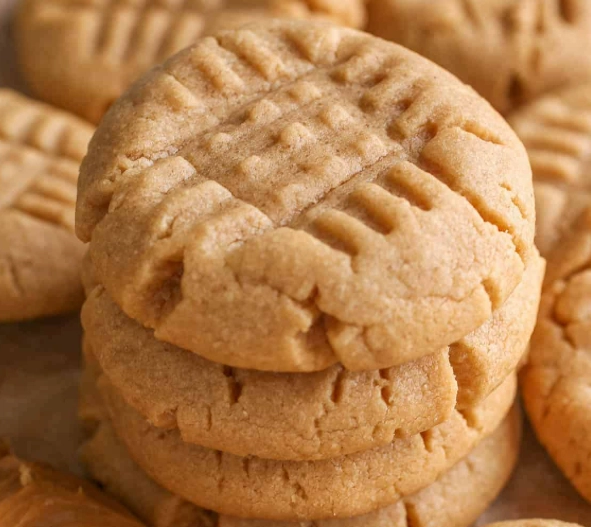
1. Cream the fats and sugars. In a large bowl, beat the softened butter, peanut butter, brown sugar, and white sugar together on medium speed for a full 2 minutes. It should look light, fluffy, and well-combined. This step incorporates air, which is part of your leavening. Don't rush it.
2. Add the egg and vanilla. Beat until just combined, about 30 seconds. Scrape down the bowl.
3. Combine dry ingredients separately. In another bowl, whisk the flour, baking soda, baking powder, and salt. This ensures even distribution and prevents you from overmixing later.
4. Combine wet and dry. Add the dry ingredients to the wet. Mix on low speed just until no dry flour remains. The dough will be thick and maybe a bit crumbly. That's okay. Use a spatula to finish incorporating any stray bits. Overmixing here develops gluten and makes cookies tough.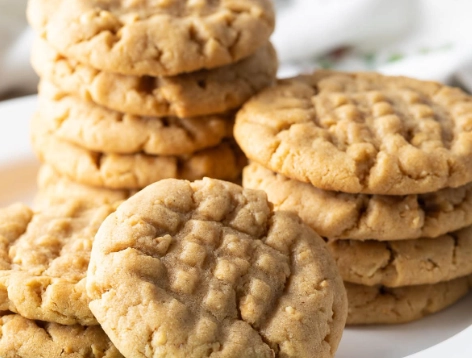
5. CHILL THE DOUGH. Cover the bowl and refrigerate for at least 30 minutes. This is the step everyone wants to skip. Don't. Chilling firms the butter back up, preventing the cookies from spreading into puddles in the oven. It also allows the flour to hydrate, improving texture and flavor.
6. Preheat and portion. Preheat your oven to 350°F (175°C). Line baking sheets with parchment paper. Scoop dough into 1.5-tablespoon portions (a medium cookie scoop is ideal). Roll into balls.
7. The Criss-Cross. Place balls on the sheet, 2 inches apart. Use a fork to press down firmly, creating the classic pattern. Dip the fork in a little sugar between presses to prevent sticking.
8. Bake with eyes, not just a timer. Bake for 9-11 minutes. They are done when the edges look set and are just starting to turn golden. The centers will look puffy and underbaked. This is critical.
9. The Cool Down. Let cookies cool on the baking sheet for 5 minutes. They will finish setting during this time. Then transfer to a wire rack to cool completely. This patience rewards you with the perfect chewy texture.
Fixing Common Peanut Butter Cookie Problems
Even with a great recipe, things can go sideways. Here’s your troubleshooting guide.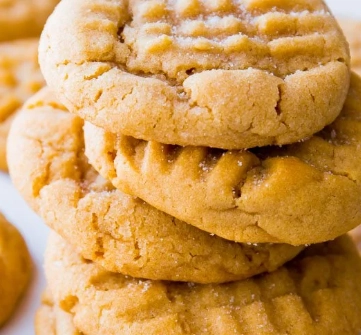
Cookies are too flat and spread out: Dough wasn't chilled. Butter was too soft or melted. Baking sheet was warm when you put dough on it. Try chilling the dough longer (up to 2 hours) and ensure your baking sheets are cool.
Cookies are dry and crumbly: Too much flour (measure correctly!). Overbaking. Possibly overmixing after adding flour. Bake less time and check your measurements.
Cookies are too cakey and puffy: Too much flour or leavener. Possibly over-creaming. Stick to the measurements and creaming time.
Not enough peanut flavor: You might be using a very mild peanut butter. Try using a dark roast peanut butter or adding ¼ cup of finely chopped roasted peanuts to the dough.
Next-Level Tips for Baking Nerds
Once you've mastered the classic, play around.
- For a Richer Flavor: Brown your butter. Let it cool to room temperature before using. It adds a nutty, caramel depth that pairs incredibly with peanut butter.
- For Salt Lovers: Use a chunky sea salt like Maldon as a finishing sprinkle right when the cookies come out of the oven.
- The Chocolate Swirl: Gently fold ½ cup of chocolate chips or chunks into the dough. Don't overmix. You get pockets of melted chocolate without turning it into a chocolate chip cookie.
- Double Peanut: Use chunky peanut butter or add ½ cup of chopped honey-roasted peanuts.
Remember, baking is a science, but the best results come from understanding the why, not just blindly following the what.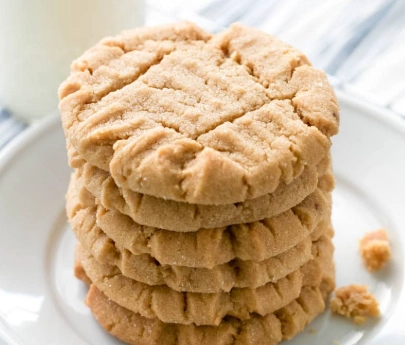
Your Peanut Butter Cookie Questions, Answered
Over the years, I've gotten the same questions again and again. Here are the real answers, based on experience, not just repeating what other blogs say.
Reader Comments