Let's be honest, we've all been there. You get a craving for peanut butter cookies, find a recipe online, and end up with a tray of dry, crumbly pucks or flat, greasy discs. It's frustrating. Baking perfect peanut butter cookies from scratch isn't just about mixing ingredients; it's a little science experiment happening in your kitchen. After a decade of tweaking and testing (and eating a lot of subpar cookies), I've nailed down the process. Forget the three-ingredient shortcuts. We're talking about the real deal—cookies with that iconic criss-cross pattern, a rich peanut butter flavor that doesn't taste like raw flour, and a texture that's exactly what you dream of.
What's Inside This Guide?
The Science Behind Every Ingredient
Most recipes just list ingredients. I want you to understand why each one is there. This is the key to troubleshooting and making the recipe your own.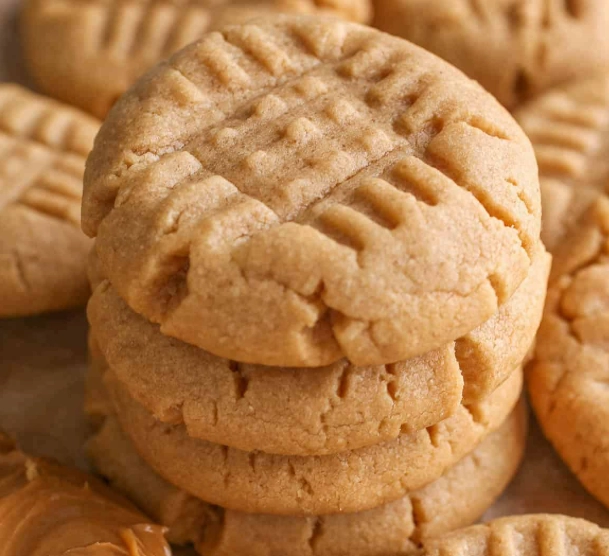
| Ingredient | Role in the Cookie | Pro-Tip & What to Avoid |
|---|---|---|
| Peanut Butter | Provides flavor, fat, and protein. The type dictates spread and texture. | Use commercial creamy peanut butter like Jif or Skippy for consistent results. “Natural” peanut butter (oil on top) often leads to greasy, spreading cookies unless you adjust other fats. |
| Butter | Adds flavor, aids in leavening (creaming with sugar), and contributes to texture. | Unsalted, softened to room temperature (about 65°F/18°C). Too warm? Your cookies will spread into pancakes. Straight from the fridge? They won't cream properly. |
| Sugars (Brown & White) | Brown sugar adds moisture and chew. White sugar promotes crispness and spread. | A 50/50 mix is the sweet spot. Using only white sugar makes a crispier, flatter cookie. Only brown sugar can make them too soft or cakey. |
| Flour | Provides structure. Too much = dry bricks. Too little = greasy puddles. | Spoon and level your flour. Scooping directly packs in up to 20% more flour—the #1 cause of dry cookies. I use all-purpose for the best balance. |
| Egg | Binds ingredients, adds moisture, and contributes to structure. | One large egg, room temperature. A cold egg can re-solidify your creamed butter. |
| Baking Soda | The leavening agent. Reacts with acids (in brown sugar, peanut butter) to create lift. | Make sure it's fresh. Test it with a drop of vinegar—it should fizz vigorously. Old baking soda means flat cookies. |
Here’s a non-consensus point I learned the hard way: Vanilla extract is optional. Seriously. High-quality peanut butter has a strong enough flavor that vanilla can sometimes muddy it. Try a batch without it and see if you prefer the pure peanut hit.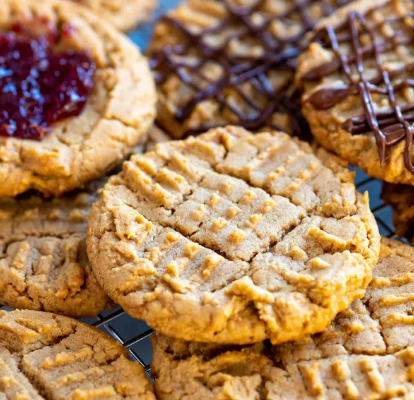
The Foolproof Step-by-Step Process
Here's where most people go on autopilot and make subtle mistakes. Follow this sequence closely.
1. Creaming is Everything (Don't Rush It)
This isn't just mixing. Creaming room-temperature butter and sugars for a full 2-3 minutes on medium speed incorporates tiny air bubbles. These bubbles expand in the oven, giving your cookies lift and a tender crumb. You should see the mixture turn noticeably paler and fluffier. If you skip this, your cookies will be dense.
2. Incorporating the Wet Ingredients
Add the peanut butter and mix until just combined. Then add the egg. Scrape down the bowl. The mixture might look a bit curdled—that's fine. It'll come together with the flour.
3. The Dry Ingredient Dump
Whisk your flour and baking soda together in a separate bowl. This ensures even distribution of the leavener. Add it all at once to the wet ingredients.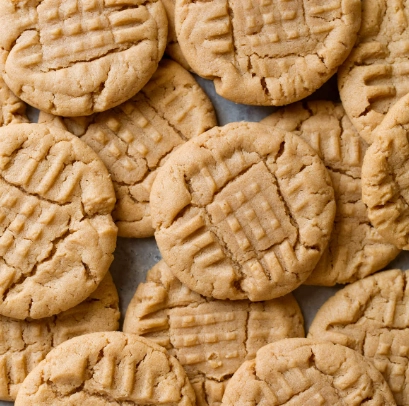
Now, the critical moment: mix on low speed until the flour just disappears. The second you no longer see dry flour, STOP. Over-mixing at this stage develops gluten, leading to tough cookies. This is the most common technical error home bakers make.
4. Shaping and the Famous Fork Press
Use a cookie scoop or tablespoon to form balls. Roll them between your palms. For the classic look, dip a fork in a little sugar and press down twice to create the criss-cross. This isn't just decoration—it ensures even baking for a uniformly thick cookie.
5. Baking with Your Eyes and Nose
Ovens lie. Use an oven thermometer. Bake at 350°F (175°C) on the middle rack. The cookies are done when the edges are set and lightly golden, but the centers still look soft and puffy. They will set as they cool on the sheet for 5 minutes. If you wait for the centers to look done in the oven, you've over-baked them.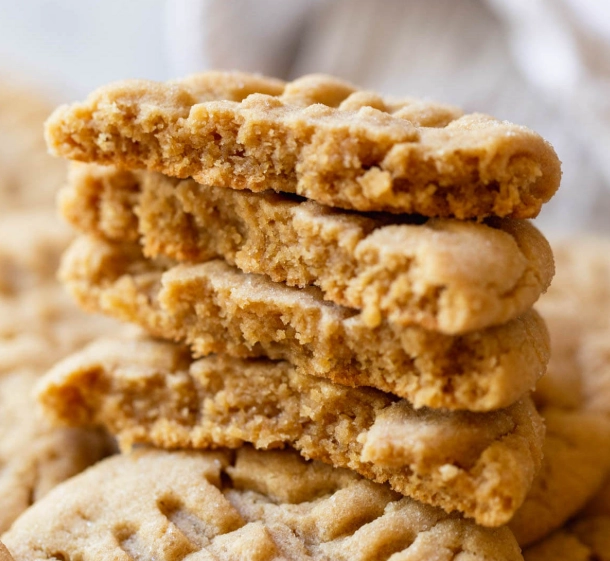
How to Control Cookie Texture (Soft vs. Crispy)
Want a specific texture? It's all in the ratios and technique.
For Soft & Chewy Cookies: Increase the brown sugar slightly (e.g., 3/4 cup brown, 1/4 cup white). Under-bake by 1 minute. Store them in an airtight container with a slice of bread—the cookies will steal the moisture from the bread.
For Crispy-Edged, Chewy-Centered Cookies: This is the ideal for many. Use the 50/50 sugar mix. Chill the dough thoroughly. Bake until the edges are golden brown but the center is just set.
For Thin & Crispy Cookies: Use melted (and cooled) butter instead of creamed. Use mostly white sugar. Don't chill the dough. They'll spread more and caramelize for a lace-like crispness.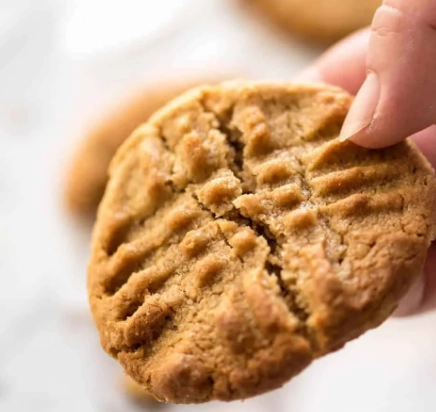
Fixing Common Peanut Butter Cookie Problems
Your cookies didn't turn out? Let's diagnose it.
Problem: Cookies spread too much into flat pancakes.
Causes: Butter too warm, dough not chilled, too much sugar, “natural” peanut butter, or an oven that's too cool.
Fix: Chill your dough longer. Ensure your butter is just softened, not melted. Check your oven temperature.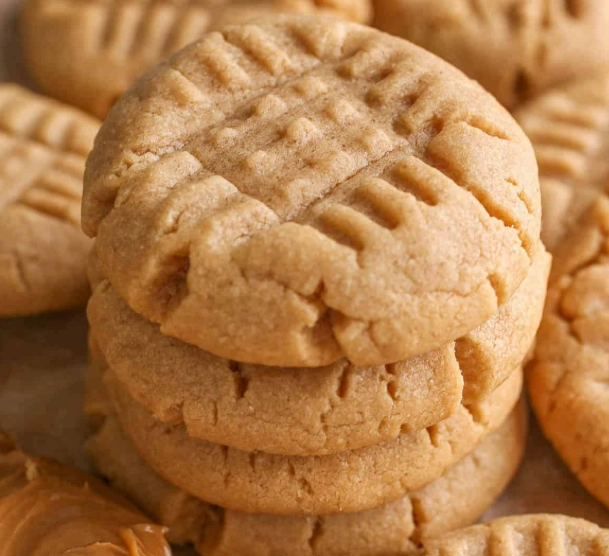
Problem: Cookies are dry and crumbly.
Causes: Over-measuring the flour (the scoop-and-level warning!), over-baking, or too much peanut butter (which is dense).
Fix: Measure flour correctly. Pull cookies out earlier. Consider adding an extra tablespoon of butter or a second egg yolk for richness.
Problem: No peanut butter flavor.
Causes: Using a bland brand of peanut butter or overwhelming it with other flavors (like too much vanilla).
Fix: Use a brand you love eating by the spoonful. You can also add a pinch of flaky sea salt on top after baking to amplify the flavor.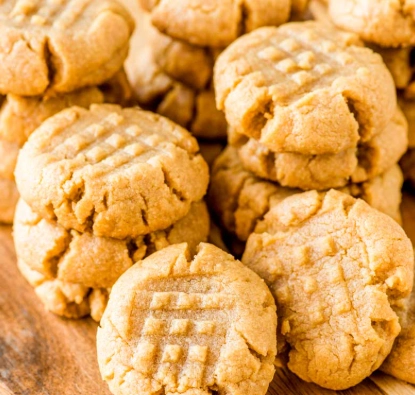
Your Baking Questions, Answered
Baking perfect peanut butter cookies from scratch is a rewarding skill. It’s not about following a recipe robotically, but understanding how each choice affects the final bite. Start with the classic formula, then tweak the sugar ratios, try a different brand of peanut butter, or adjust the chill time to make it yours. The best cookie is the one that makes you smile when you eat it. Now go preheat that oven.
Reader Comments