Let's be honest. The internet is flooded with recipes for peanut butter chocolate chip cookies. You've probably tried a few. Some were okay. Some were disappointingly dry, or too sweet, or spread into one giant, thin mess on the baking sheet.
I've been there. I've baked trays of sandy, crumbly cookies that tasted more like sweetened sawdust than the soft, chewy, peanut-buttery dream I was after. After a decade of tweaking, failing, and finally succeeding, I realized the gap between a good cookie and a perfect one comes down to a handful of non-negotiable details most recipes gloss over.
The magic isn't just in the ingredients list—it's in the type of peanut butter, the temperature of your butter, and a secret pantry staple that guarantees a soft, tender crumb for days. This isn't just another recipe; it's the blueprint for the only peanut butter chocolate chip cookie recipe you'll ever need.
What You'll Find in This Guide
The Ingredient Deep Dive: Why Every Choice Matters
You can't build a great cookie with mediocre ingredients. Here's where most home bakers make their first, silent mistake.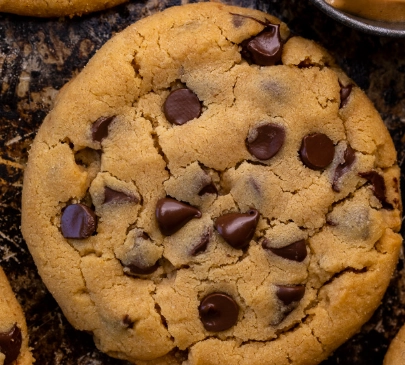
Peanut Butter: The Heart of the Matter
This is the big one. Reach for the wrong jar, and your cookie's fate is sealed before you even preheat the oven.
Conventional, shelf-stable peanut butter (like Jif or Skippy) is your best friend here. I know, I know. The health-conscious part of me winces. But these brands contain added oils and stabilizers (like hydrogenated vegetable oil) that create a consistent, emulsified product. This consistency is critical for cookie structure. It provides predictable fat and moisture content.
Using all-natural peanut butter (the kind with oil that separates) is a gamble. The oil content varies wildly. If you don't stir it perfectly, you might get a greasy, flat cookie or a dry, dense one. If you insist on natural, make sure it's stirred until completely homogenous, and be prepared for less predictable results.
Crunchy or smooth? I'm team smooth for the perfect melt-in-your-mouth texture, but a half-cup of crunchy can add a nice contrast. Just know it might make the dough a bit drier.
Fat: Butter's Temperature is a Science
Most recipes just say "softened butter." That's useless. "Softened" means different things in different kitchens.
For the ideal peanut butter chocolate chip cookie, your butter should be at about 65°F (18°C). How do you know? Poke it. It should yield to pressure but still feel cool and hold its shape pretty well. It shouldn't be shiny or greasy. If your butter is too warm (over 70°F), your cookies will spread too much. Too cold, and they won't cream properly with the sugars.
This control over the butter's state is the first step to controlling the cookie's spread.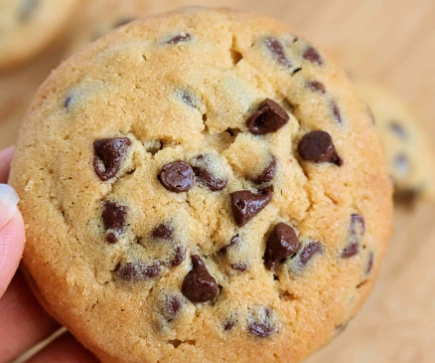
The Secret Weapon: Cornstarch
Here's my non-consensus, expert-level tip that most amateur recipes miss: add two teaspoons of cornstarch to your dry ingredients.
Why? Cornstarch is a tenderizer. It inhibits gluten formation, giving the cookie a softer, more delicate crumb that stays that way for days. It's the difference between a cookie that's soft tomorrow and one that's still soft next week. Don't skip it.
Step-by-Step Mastery: The Technique Behind the Texture
Mixing order isn't just a suggestion. It's a chemical process.
Creaming is everything. Beat the softened butter, peanut butter, brown sugar, and granulated sugar together for a full 2-3 minutes on medium speed. You're not just mixing; you're incorporating tiny air bubbles that will lift your cookie. The mixture should become noticeably paler and fluffy.
Add the eggs one at a time, followed by the vanilla. Scrape the bowl down. Now, here's the crucial turn: mix the dry ingredients (flour, cornstarch, baking soda, salt) together in a separate bowl first. Then, add them all at once to the wet ingredients.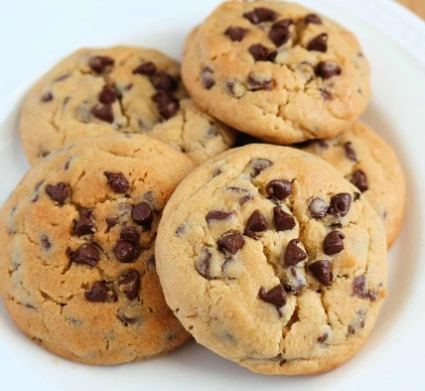
Mix on low speed only until the last traces of flour disappear. The moment you don't see dry flour, stop. Overmixing at this stage develops gluten, leading to toughness.
Fold in the chocolate chips by hand. I prefer a mix of semi-sweet and milk chocolate chips for balance.
The Non-Negotiable Chill
You want to bake now. I get it. The smell of the dough is intoxicating.
Resist. Cover the bowl and refrigerate the dough for at least 2 hours, preferably overnight. This does three things: it solidifies the fat so the cookies don't spread into pancakes, it allows the flour to fully hydrate for a more even bake, and it deepens all the flavors. The difference between a chilled and unchilled batch is night and day.
When ready to bake, scoop onto parchment-lined sheets. I use a #20 cookie scoop (about 3 tablespoons) for perfect, bakery-sized cookies.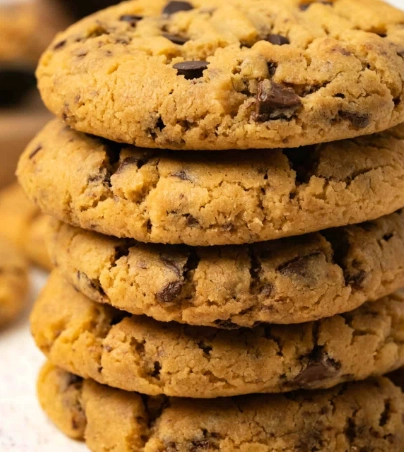
The Recipe Showdown: Soft & Chewy vs. Crispy & Thin
Not everyone wants the same cookie. Based on the principles above, you can tweak one master recipe to achieve two distinct textures. Here’s how they break down:
| Goal | Soft & Chewy (Center) | Crispy & Thin (Edge) |
|---|---|---|
| Butter Temp | Cool (65°F), properly creamed | Slightly warmer, just melted |
| Flour | All-purpose, measured correctly | Consider replacing 2 tbsp flour with extra peanut butter |
| Chilling | Mandatory (2+ hours) | Optional (30 mins max, or bake immediately) |
| Baking Temp/Time | 375°F for 9-11 mins (edges set, center soft) | 350°F for 12-14 mins (entire cookie golden) |
| Secret Weapon | 2 tsp Cornstarch | Extra 1/4 tsp Baking Soda |
| Final Texture | Pillowy, stays soft for days | Lacy, crisp edges, buttery snap |
My personal allegiance is to the soft and chewy version. There's something about that tender, peanut-butter-forward center studded with melty chocolate that feels like a hug. The crispy version is fantastic for dipping in milk, but it lacks that lasting, satisfying chew.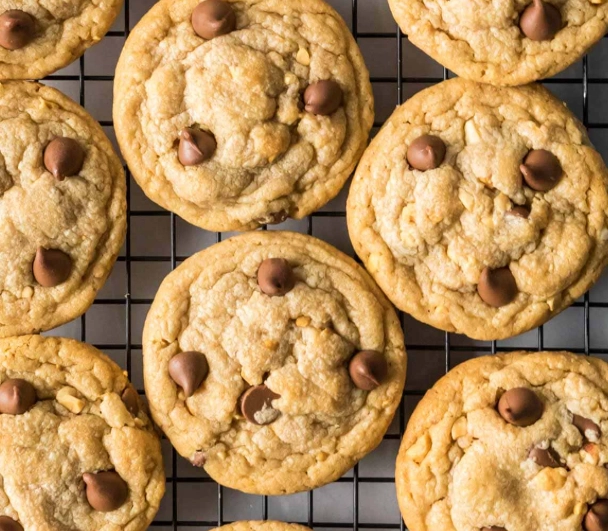
Storage Secrets & Advanced Troubleshooting
Baked your perfect batch? Don't ruin them now.
Cooling is part of baking. Let the cookies sit on the hot baking sheet for 5 minutes before transferring them to a wire rack. They continue to set during this time.
For storage, an airtight container at room temperature is fine for up to 5 days. Here's the old baker's trick: toss a slice of white bread into the container. The cookies will subtly absorb moisture from the bread, staying softer longer. Replace the bread when it gets hard.
To freeze, place cooled cookies in a single layer on a tray to flash-freeze, then bag them. They'll keep for 3 months. You can also freeze scooped dough balls for up to 2 months and bake straight from the freezer (add 1-2 minutes to the bake time).
Quick-Fire Problem Solver
- Too Flat? Butter was too warm, dough wasn't chilled, or baking sheet was warm. Check your leavener (baking soda) isn't expired.
- Too Dry/Crumbly? Over-measured flour (always spoon and level!), overmixed dough after adding flour, or baked too long.
- Not Spreading Enough? Dough was too cold, too much flour, or not enough fat (check peanut butter type).
- Burning on Bottom? Dark-colored baking sheets retain more heat. Use a lighter-colored sheet if available, or lower your oven temperature slightly.
Your Burning Questions, Answered
FAQs
We've compiled a list of frequently asked questions about the peanut butter chocolate chip cookie recipe, including tips for achieving the perfect texture and flavor.
Ingredient Deep Dive
Peanut butter chocolate chip cookies are a classic American dessert, beloved for their rich, creamy texture and deep, complex flavor profile. The secret to their success lies in the quality of the ingredients.
FAQs
We've compiled a list of frequently asked questions about the peanut butter chocolate chip cookie recipe, including tips for achieving the perfect texture and flavor.
Ingredient Deep Dive
Peanut butter chocolate chip cookies are a classic American dessert, beloved for their rich, creamy texture and deep, complex flavor profile. The secret to their success lies in the quality of the ingredients.
FAQs
We've compiled a list of frequently asked questions about the peanut butter chocolate chip cookie recipe, including tips for achieving the perfect texture and flavor.
Ingredient Deep Dive
Peanut butter chocolate chip cookies are a classic American dessert, beloved for their rich, creamy texture and deep, complex flavor profile. The secret to their success lies in the quality of the ingredients.
Reader Comments