I burned my first batch. They were dry, crumbly little pucks that tasted more of flour than peanut butter. That was years ago, and since then I've learned that the difference between a good peanut butter cookie and a great one lives in the details everyone skips. It's not just mixing stuff and baking. It's about the type of peanut butter, the temperature of your butter, and a step most recipes don't even mention.
Let's get straight to it. A perfect peanut butter biscuit has a crisp, sugared edge, a slightly chewy center, and a deep, roasted peanut flavor that doesn't get lost in sweetness. It should hold together when you bite it, not disintegrate into a sandy mess. If yours haven't been hitting that mark, you're in the right place.
What's Inside This Guide
The Real Role of Each Ingredient (It's Not What You Think)
Most recipes just list ingredients. They don't explain why each one is there, which means you can't fix things when they go wrong. Let's break down the team.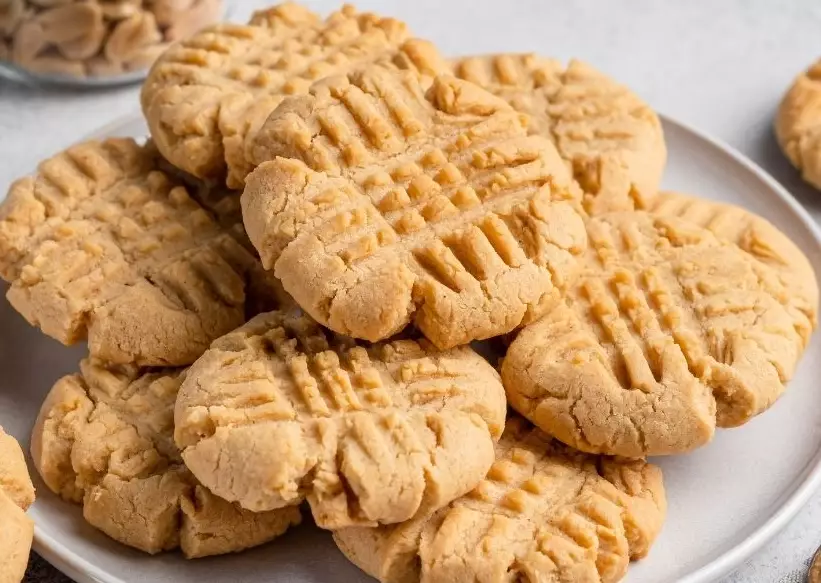
Peanut Butter: The Star That Can Steal or Flop
This is the big one. You have two main choices, and they behave very differently.
- Commercial, No-Stir (like Jif or Skippy): These have added oils and stabilizers (like hydrogenated vegetable oil). That consistency is a blessing for baking. It gives predictable results, a softer texture, and that classic "peanut butter cookie" taste we grew up with. For consistent, crowd-pleasing cookies, start here.
- Natural Peanut Butter (just peanuts and salt): This is where many bakers trip up. The oil separates, and the texture is grainier. If you don't stir it into absolute, perfectly homogeneous oblivion before measuring, your dough's fat content will be off. Cookies made with natural peanut butter can be more fragile and have a denser, sometimes grittier, crunch. The flavor is purer, though—more roasted peanut, less sweet creaminess.
My take? For your first few perfect batches, use the no-stir kind. Master the process. Then experiment with natural. According to food science resources like those from USDA research on food chemistry, the stability of fats is crucial in baked good structure.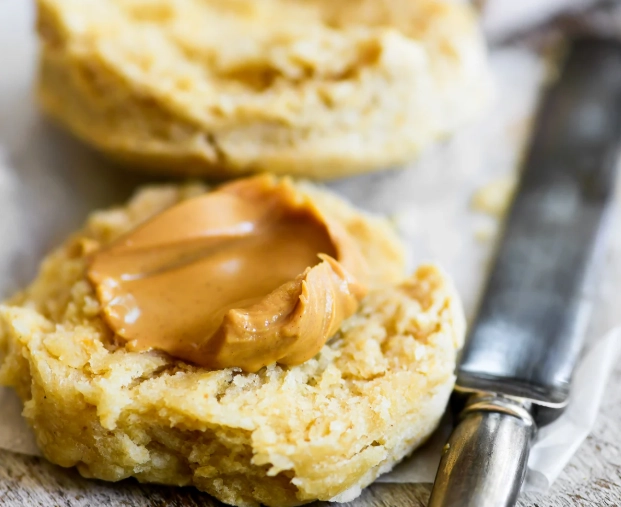
Butter vs. Shortening: The Texture Debate
Butter gives flavor and, when creamed correctly with sugar, creates air pockets for lift. But it melts at a lower temperature. Shortening (like Crisco) has a higher melting point, which can lead to a thicker, puffier cookie that spreads less.
I use unsalted butter. Always. Salt is a flavor enhancer you want to control yourself. The trick is to have it at true "room temperature"—cool to the touch but soft enough that your finger leaves a clear indent. Not melted, not cold.
Sugar: White, Brown, and the Crispy Edge Secret
White sugar makes things crisp. Brown sugar (with its molasses) makes things chewy and moist. A classic peanut butter cookie recipe uses both for a reason. The brown sugar's moisture and acidity also help with lift. If you want a crisper cookie, nudge the white sugar up a bit. For a chewier one, add more brown.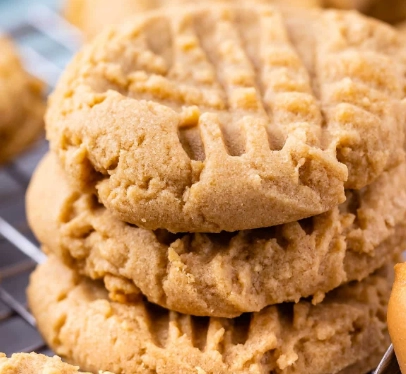
The 3 Mistakes That Ruin Your Cookies Before They Hit the Oven
- Overmixing After Adding Flour. This is the #1 cause of tough, dense biscuits. Once you add the flour, you're developing gluten. Mix just until the last streak of flour disappears. A few tiny lumps are better than overworking it.
- Using Warm Dough. Your dough should be cool when it goes on the baking sheet. If your butter was too soft or your kitchen is hot, the dough will be greasy. It will spread into sad, flat puddles in the oven. Chill the dough for at least 30 minutes. I often chill it overnight. The flavor deepens, and the bake is infinitely better.
- Eyeballing the Flour. Baking is chemistry. The most accurate way to measure flour is to spoon it into your measuring cup and level it off. Scooping packs the flour in, so you can easily add an extra 10-15%, leading to dry, cakey cookies.
My Foolproof, Crispy-Edged Peanut Butter Biscuit Recipe
This is the recipe I've landed on after a decade of tweaking. It's reliable, it highlights the peanut butter, and it gives you that perfect contrast of textures.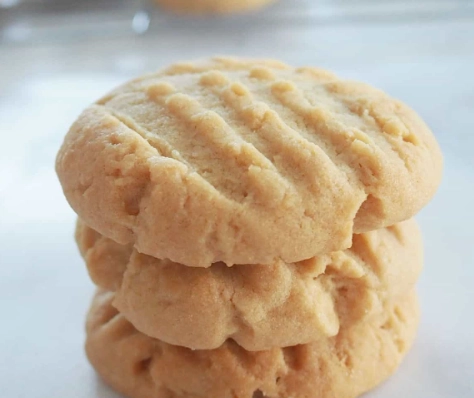
Yield: About 24 cookies
Prep: 15 mins + chilling
Bake: 10-12 mins per batch
| Ingredient | Quantity | Why It's Here |
|---|---|---|
| All-purpose flour | 1 ¼ cups (156g) | Structure. Measured by spoon-and-level. |
| Baking soda & Baking powder | ¾ tsp & ½ tsp | Lift. The combo gives a good rise without a chemical taste. |
| Fine sea salt | ½ tsp | Essential flavor enhancer. Don't skip. |
| Unsalted butter (room temp) | ½ cup (113g) | Flavor and air. Cool to touch but soft. |
| No-stir peanut butter | ¾ cup (190g) | The star. Use a classic creamy variety. |
| Granulated sugar | ½ cup (100g) | For spread and crisp edges. |
| Packed light brown sugar | ½ cup (100g) | For chew, moisture, and depth. |
| Large egg | 1 | Binder and structure. |
| Vanilla extract | 1 tsp | Balances and rounds out flavors. |
The Method:
- Whisk Dry: In a medium bowl, whisk the flour, baking soda, baking powder, and salt. Set aside.
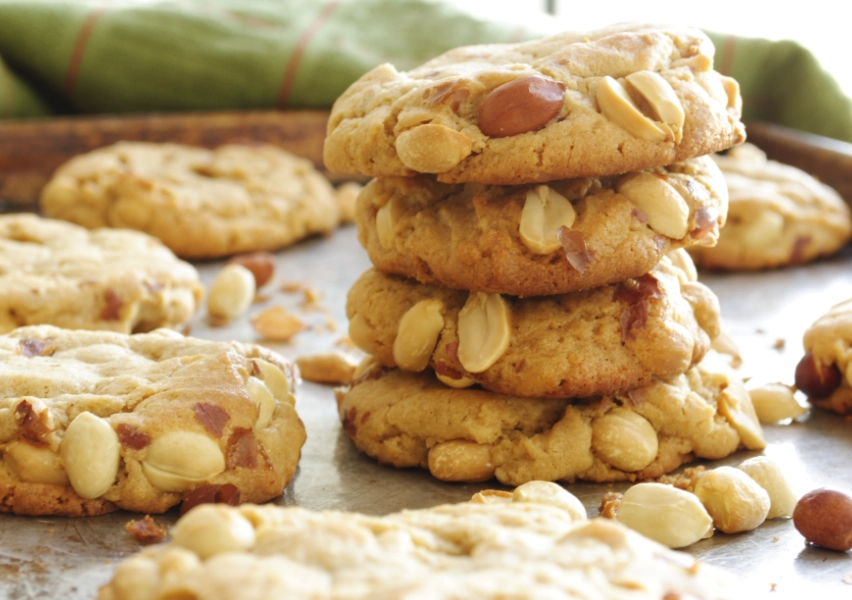
- Cream Fats & Sugars: In a large bowl, use a hand mixer or stand mixer to beat the butter, peanut butter, and both sugars on medium speed for 2-3 minutes. It should look light and fluffy. This step incorporates air—don't rush it.
- Add Wet: Beat in the egg and vanilla until just combined.
- Combine Dry & Wet: Add the dry ingredients to the wet. Mix on low speed until just combined. A few dry streaks are okay—finish by hand with a spatula.
- Chill: Cover the bowl and refrigerate for at least 30 minutes (up to 72 hours). This is non-negotiable for shape and texture.
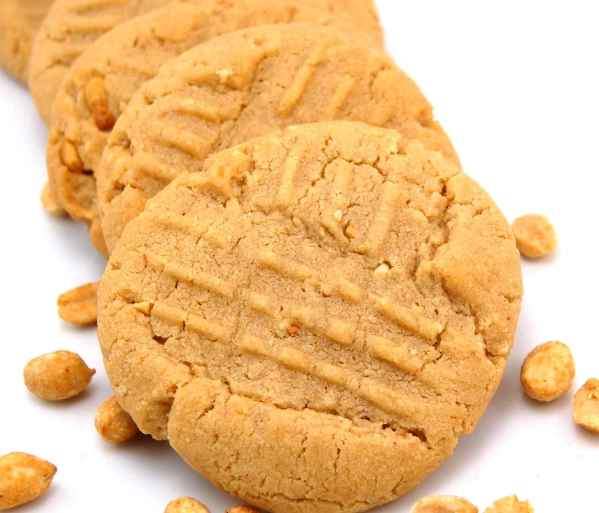
- Bake: Preheat oven to 350°F (175°C). Line baking sheets with parchment. Roll dough into 1-inch balls, place 2 inches apart. Use a fork to make a classic criss-cross pattern, dipping the fork in sugar to prevent sticking. Bake for 10-12 minutes. They will look puffy and soft in the center but set at the edges.
- Cool: Let cool on the sheet for 5 minutes (they'll finish setting), then transfer to a wire rack.
The Science of Baking Them Right: Oven, Timing, and Feel
Baking is about controlling heat and moisture. An oven thermometer is a better investment than another fancy pan. If your oven runs hot, your cookies will brown too fast outside while staying raw inside.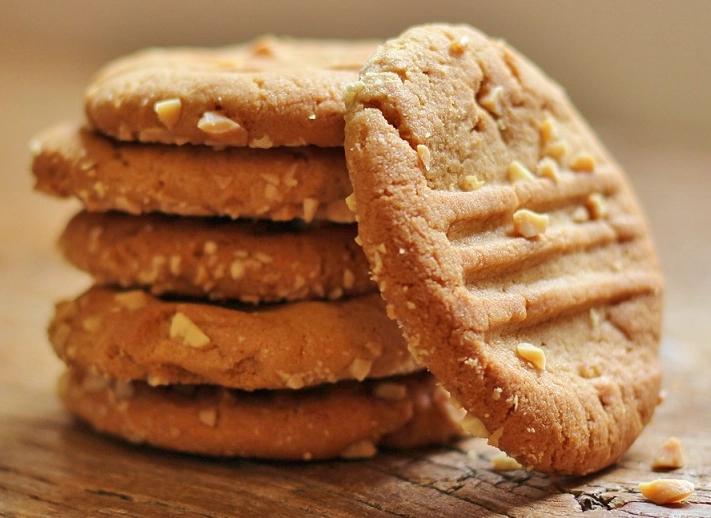
Bake one sheet at a time on the middle rack for even heat. Rotating the sheet halfway through can help if your oven has hotspots.
How do you know they're done? The edges will be lightly golden and set. The centers will look underdone, puffy, and soft. They will firm up as they cool on the sheet. This "carryover cooking" is what gives you a soft center. If you wait until the centers look done in the oven, they'll be overdone and hard when cooled.
Going Beyond the Classic: Flavor Twists for the Adventurous
Once you've nailed the classic, try these easy twists. Fold in after mixing the dough to avoid overworking.
- Salted Peanut & Chocolate Chunk: Fold in ¾ cup roasted salted peanuts and ½ cup chopped dark chocolate. The salt pops.
- Espresso Crunch: Add 2 teaspoons of instant espresso powder to the dry ingredients. Fold in ½ cup chopped toffee bits.
- Gluten-Free & Chewy: Replace the all-purpose flour with a 1:1 gluten-free baking blend (like Bob's Red Mill). Add 1 tablespoon of honey to the wet ingredients to retain moisture, as GF flabs can be drier.
Your Top Baking Questions, Answered
The journey to a perfect peanut butter biscuit is about paying attention to the quiet details—the temperature, the mixing, the bake time. It's forgiving, but it rewards precision. Start with the classic, master the feel of the dough, and then make it your own. The best cookie is the one you want to eat, straight from your own oven.
Reader Comments