Let's talk about peanut butter cookies. That simple, nostalgic treat that somehow goes wrong more often than it should. You know the ones – sometimes they're dry as sawdust, sometimes they spread into a single, crispy sheet, and sometimes they just taste… bland. After burning through more batches than I care to admit in my early baking days, I figured out it all comes down to a few non-negotiable details. This isn't just another recipe list. It's a deep dive into the how and why, so your next batch is the one people ask you to make again.
What You'll Find in This Guide
Peanut Butter Mastery: Choosing Your Weapon
This is the first and biggest fork in the road. Get it wrong, and your cookies are doomed from the start.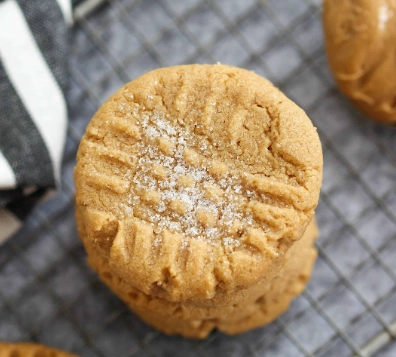
I learned this the hard way. I grabbed a jar of my favorite “healthy” natural peanut butter – the kind with oil floating on top – for a batch. The result was a greasy, flat puddle that tasted off. The issue is stability. According to the USDA FoodData Central, peanut butters vary wildly in fat and moisture content.
| Type of Peanut Butter | Best For Cookies? | Key Characteristic & Pro Tip |
|---|---|---|
| Conventional, No-Stir (e.g., Jif, Skippy) | YES - The Gold Standard | Contains stabilizers (hydrogenated oils). Predictable fat/solid ratio. Use straight from the jar. |
| “Natural” No-Stir | Usually Yes | Uses palm fruit oil as stabilizer. Check consistency; it should be thick and creamy, not runny. |
| Old-Fashioned Natural (Oil-On-Top) | Risky / Requires Adjustment | You must stir thoroughly until completely homogenous. Even then, results can be inconsistent. Not recommended for beginners. |
| Powdered Peanut Butter (PB2) | No (Alone) | Lacks the necessary fat. Can be used to replace a small portion of flour for a flavor boost, but not as the main fat source. |
My rule? For guaranteed, crowd-pleasing cookies, use a standard creamy peanut butter. Save the fancy natural stuff for your toast. The added sugar and salt in conventional brands are actually part of the classic flavor profile.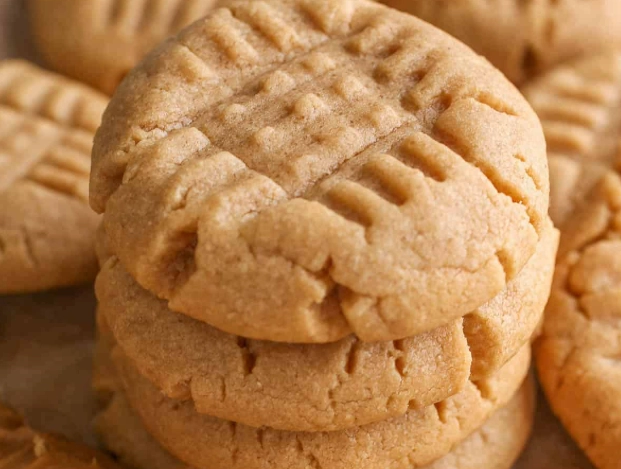
The Classic Recipe, Deconstructed
Here's my workhorse recipe. It's forgiving but precise. I'll explain the “why” for each step, because blind following is how mistakes happen.
Ingredients You'll Need
- 1 cup (250g) creamy peanut butter – See table above.
- 1 cup (200g) light brown sugar, packed – Brown sugar adds molasses for moisture and chew. White sugar alone makes a crisper, sweeter cookie.
- 1 large egg – Room temperature. It binds everything. A cold egg can make your creamed butter and sugar seize up.
- 1 teaspoon vanilla extract – The flavor enhancer. Don't skip it.
- 1 teaspoon baking soda – Not baking powder. Soda reacts with the acids in the brown sugar and peanut butter to give lift and spread.
- Optional: A pinch of flaky sea salt for topping – It's not optional in my book. It cuts the sweetness perfectly.
Notice what's not here? Butter. And flour. This is the famous 3-Ingredient cookie base (PB, sugar, egg) with vanilla and soda for boost. Adding flour makes a more cake-like cookie, which we'll get to later.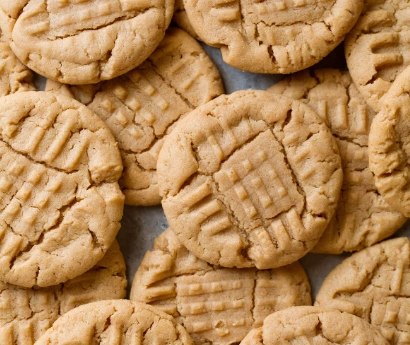
The Method: It's All in the Mix
1. Preheat your oven to 350°F (175°C). Line baking sheets with parchment paper. Silicone mats work too, but parchment gives a slightly crisper bottom.
2. In a large bowl, combine the peanut butter, brown sugar, egg, vanilla, and baking soda. Use a sturdy spatula or wooden spoon. A mixer can overwork this dense dough.
Mix until it's completely uniform. No streaks of peanut butter or sugar. This takes a minute or two of elbow grease. The dough will be thick and slightly sticky.
3. Scoop the dough. I use a #40 cookie scoop (about 1.5 tablespoons) for consistent, bakery-sized cookies. Roll into balls between your palms.
4. The Fork Press. Place balls 2 inches apart on the sheet. Dip a fork in a small bowl of granulated sugar and press down gently to flatten into a disc, then press again at a 90-degree angle to create the classic crosshatch. The sugar prevents sticking and adds a subtle crunch.
5. Bake for 9-11 minutes. They won't look “done” in the middle. The edges will be set, and the centers will look puffy and soft. This is critical. They firm up as they cool.
6. Let them cool on the baking sheet for 5 minutes before transferring to a wire rack. This finishing bake on the hot sheet sets the structure.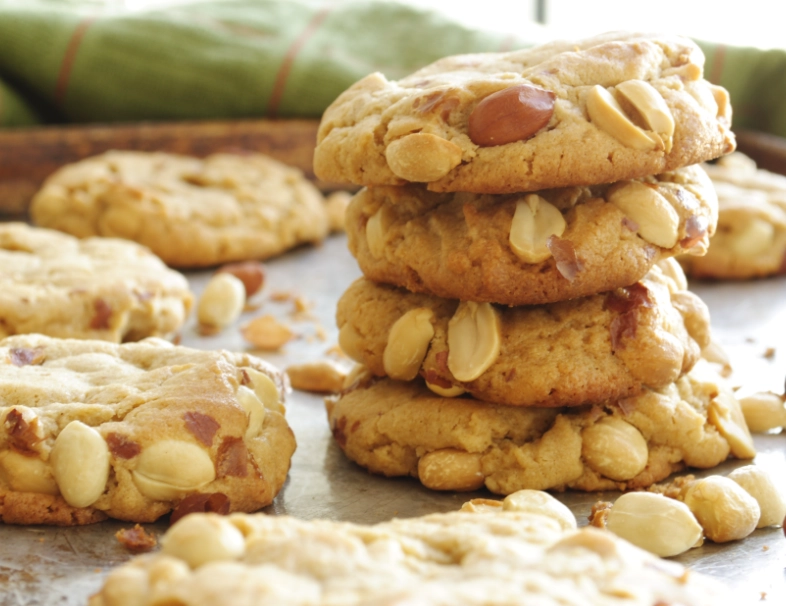
That's it. Simple, right? But texture is where the real magic happens.
How to Achieve the Perfect Peanut Butter Cookie Texture
Do you want chewy, crispy, or cakey? You can steer the recipe.
For Chewy, Dense Cookies (My Favorite): Stick to the no-flour recipe above. Use all brown sugar. Underbake slightly (9 minutes). Let them cool completely on the rack. They'll be soft in the center for days if stored in an airtight container.
For Crispy-Edged, Sandy Cookies: Add 2-3 tablespoons of granulated sugar to the dough. Bake a minute longer, until the edges are golden brown. They'll crisp up more as they cool.
For Softer, Cake-Like Cookies: This is where flour enters the chat. Add 1/2 cup (60g) of all-purpose flour to the base recipe. It gives structure and a more tender, muffin-like crumb. It also reduces spread, so you can skip the fork press if you want a domed shape.
The real secret nobody talks about? Dough temperature. If your dough is too warm from your hands, the cookies will spread too much. If you have time, chilling the shaped balls for 30 minutes leads to a thicker, chewier cookie with more concentrated flavor.
I didn't believe it until I tested it side-by-side. The chilled dough batch was unanimously preferred.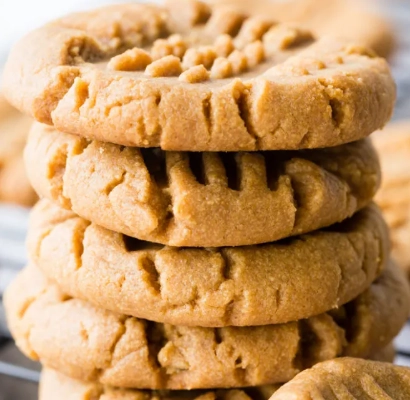
Creative Variations & Next-Level Ideas
Once you've mastered the classic, the world is your oyster. Or, your peanut butter cookie.
The Chocolate Chip Fold-In: Add 3/4 cup of semi-sweet chocolate chips to the dough. It's a no-brainer upgrade.
Jam Thumbprint: Before baking, use your thumb (or a spoon handle) to make a deep well in the center of each pressed cookie. Fill with 1/2 teaspoon of raspberry or strawberry jam. Bake as usual.
Salty-Sweet Monster: Press a few pretzel pieces into the top before baking. Or, mix in 1/2 cup of crushed pretzels and chocolate chunks.
For the “Flourless” Crowd: The base recipe is naturally gluten-free if you use certified GF peanut butter and baking soda. It's a huge win for anyone with dietary restrictions. Just make sure to communicate that clearly.
My personal weekend project? Stuffed cookies. Take two smaller dough balls, flatten them, place a square of good dark chocolate or a dollop of Nutella in the center of one, top with the other, seal the edges, and bake. It's a messy, glorious revelation.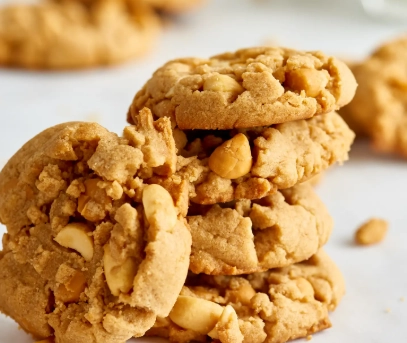
Your Peanut Butter Cookie Questions, Answered
Why are my peanut butter cookies dry and crumbly?
Dry cookies usually mean too much flour or overbaking. If you're using the no-flour recipe, the culprit is almost always overbaking. Peanut butter cookies continue to set up from residual heat. Pull them when they look underdone in the middle. Also, measure your peanut butter by packing it into the cup – a scant cup can throw off the fat content. Using a natural peanut butter that's too dry (some brands are) will also give you a crumbly result.
Can I make these cookies without eggs?
You can, but the texture changes. A flax egg (1 tbsp ground flaxseed mixed with 2.5 tbsp water, let sit for 5 mins) works okay, but the cookie will be more crumbly and lack the slight chew. For a better binder, try 1/4 cup of mashed ripe banana. It adds moisture and a hint of flavor that pairs well with peanut butter. Just know it won't be the classic texture.
How do I get my peanut butter cookies to have that classic fork criss-cross pattern without sticking?
Sugar is the trick. Keep a small bowl of granulated sugar next to your baking sheet. Dip the fork tines in the sugar before each press. The sugar creates a non-stick barrier and gives the tops a delightful, slight sparkle and crunch. Don't use flour – it dries out the surface.
How long do homemade peanut butter cookies stay fresh, and what's the best way to store them?
In an airtight container at room temperature, they're prime for 3-4 days. To keep them soft, toss in a piece of bread – the cookies will draw moisture from it. For longer storage, freeze the baked cookies for up to 3 months. My preferred method is freezing the dough balls. Portion them out, freeze on a tray until solid, then bag them. You can bake from frozen, adding 1-2 minutes to the bake time. Fresh cookies on demand.
The bottom line? Peanut butter cookies are deceptively simple. A few smart choices – the right peanut butter, not overbaking, chilling if you can – separate a good cookie from a legendary one. Don't be afraid to tweak and make it your own. Now go preheat that oven.
Reader Comments