Let's be honest. When you search for an easy peanut butter cookies recipe, you want exactly that: easy. No stand mixer to haul out, no waiting for butter to soften, and definitely no chilling dough for hours. You want cookies, now. I've been baking for over a decade, and I've tested more peanut butter cookie recipes than I can count. The one I keep coming back to, the one I teach every beginner, uses just three ingredients. It's not a gimmick—it's a masterpiece of simplicity.
Most recipes claiming to be "easy" still have a hidden catch. This one doesn't. We're talking pantry staples, one bowl, and about 20 minutes from thought to first bite. The result is a cookie that's crisp on the edges, wonderfully chewy in the middle, with that deep, roasted peanut butter flavor we all crave.
What You'll Find in This Guide
The 3-Ingredient Magic (And What Brand Works Best)
Here's the holy trinity: one cup of peanut butter, one cup of sugar, one large egg. That's it. But the secret isn't just the short list—it's the specific type of peanut butter you use.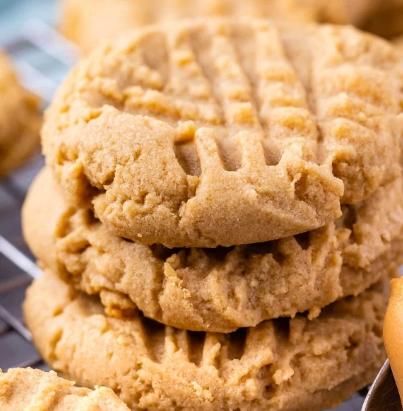
For this recipe to work perfectly every single time, you need to use a conventional, shelf-stable peanut butter like Jif, Skippy, or Peter Pan. The kind that doesn't separate. Why? These brands contain added stabilizers (like hydrogenated oils) that give the peanut butter a thick, emulsified texture. This structure is what binds with the egg and sugar to create a dough that holds its shape without any flour.
A Critical Note on Natural Peanut Butter: If you use natural peanut butter (the kind with oil on top), you must stir it until it's completely, utterly homogeneous—no streaks of oil whatsoever. Even then, your cookies might spread more. For guaranteed success on your first try, stick with the conventional stuff. I learned this the hard way with a batch of cookie puddles.
As for the sugar, regular granulated white sugar is perfect. It gives the cookies their classic crisp edge and slight crackle. The egg is your binder and provides just enough lift. See the table below for a quick visual guide.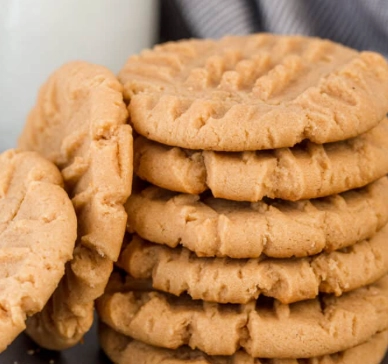
| Ingredient | Role in the Recipe | Best Choice for Success |
|---|---|---|
| Peanut Butter (1 cup) | Provides fat, flavor, and structure. | Jif or Skippy Creamy. Avoid natural, separated varieties for first attempt. |
| Sugar (1 cup) | Sweetens, creates crisp edges, and aids in spreading. | Standard granulated white sugar. |
| Egg (1 large) | Binds everything together and adds moisture. | One large egg, straight from the fridge is fine. |
How to Make 3-Ingredient Peanut Butter Cookies
This is where the "easy" part truly shines. Preheat your oven to 350°F (175°C). Line a baking sheet with parchment paper. No greasing needed.
In a medium bowl, combine the peanut butter, sugar, and egg. Use a sturdy spoon or spatula and mix until it forms a uniform, slightly stiff dough. It will look a bit grainy from the sugar, but it should hold together when pressed. That's your dough. Done.
Now, scoop heaping tablespoons of dough (about 1.5 inches in diameter) and roll them into balls. Place them on the baking sheet about 2 inches apart. They will spread.
Here's the iconic step: use a fork to press down on each ball, creating a criss-cross pattern. Dip the fork in a little sugar between presses to prevent sticking. This flattening is crucial for even baking.
Bake for 10-12 minutes. The cookies are done when the edges are lightly golden and set. The centers will look soft and underdone—that's what you want. They firm up as they cool.
Pro Timing Tip: Set a timer for 10 minutes and check. Ovens vary. If you like a chewier cookie, lean towards 10-11 minutes. For a crisper cookie, go for the full 12. Over-baking is the #1 mistake here, leading to dry, crumbly cookies.
Let the cookies cool on the baking sheet for 5 minutes before transferring them to a wire rack. This brief rest lets them set without falling apart. Then, try to wait at least another 5 minutes before eating. The flavor and texture are best when they're just warm, not molten.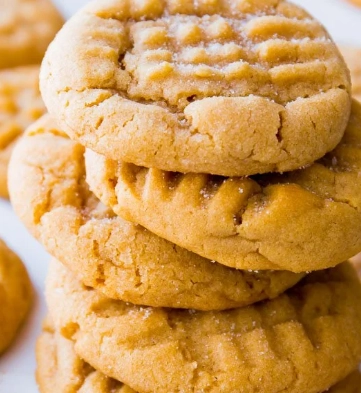
Why This Easy Peanut Butter Cookie Recipe Works
From a baking science perspective, this recipe is fascinating. It works because peanut butter itself is an emulsion of fat and protein. The stabilizers in conventional peanut butter strengthen this emulsion. When mixed with sugar and egg, the proteins in the peanut butter and egg coagulate during baking, setting the structure, while the sugar melts and caramelizes, creating that perfect texture.
The absence of flour is what makes them so intensely peanut-buttery and gives them that unique melt-in-your-mouth quality that's different from a classic flour-based cookie. It also makes them naturally gluten-free, which is a huge bonus for many.
I've found this recipe to be incredibly forgiving. No need to worry about over-mixing developing gluten—there is no gluten. The margin for error is small, which is why it's my go-to recommendation for new bakers or for anyone needing a quick, impressive treat.
Simple Variations to Level Up Your Cookies
Once you've mastered the basic three, you can play. Here are my favorite tweaks, ranked from simplest to most involved.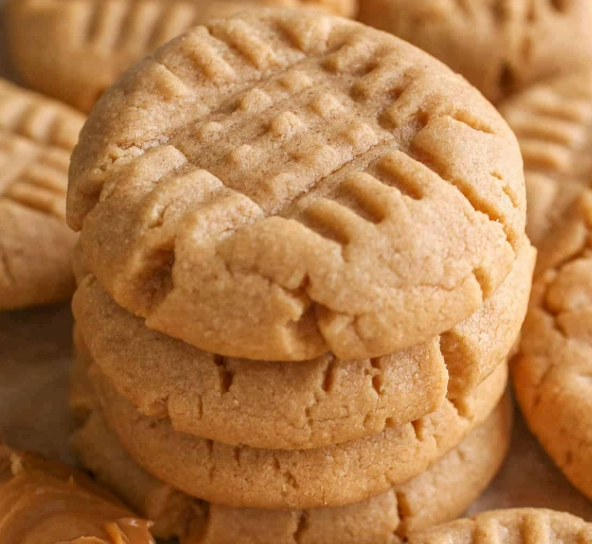
Add a Pinch of Salt: Just a quarter teaspoon of fine sea salt mixed into the dough amplifies all the flavors. It's a non-negotiable for me now.
The 4-Ingredient Flour Version: If you miss the slightly cakier texture of traditional cookies, add 1 cup of all-purpose flour to the basic recipe. This makes a sturdier dough and a more familiar cookie. It's still incredibly easy.
Chocolate Everything: Stir in 3/4 cup of chocolate chips. Or, after baking, press a chocolate kiss into the center of each warm cookie. For a drizzle, melt 1/4 cup of chocolate chips with a teaspoon of coconut oil and zig-zag it over the cooled cookies.
Flavor Twists: Add a teaspoon of vanilla extract with the egg. For a fun twist, roll the dough balls in cinnamon sugar before pressing with the fork.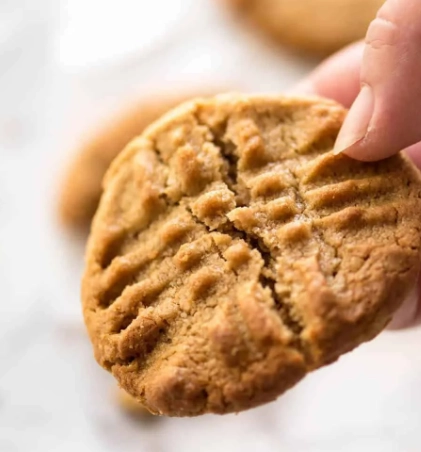
Expert Troubleshooting: Fixing Crumbly or Flat Cookies
Even the easiest recipe can have hiccups. Here’s how to diagnose and fix the two most common issues.
Problem: Cookies are too crumbly and fall apart.
Likely Cause: Over-baking or an inaccurate measurement (if you added flour). The cookies continue to cook on the hot sheet. If you bake them until they look "done" in the oven, they'll be overdone and dry out.
Fix: Next time, bake for 1-2 minutes less. For the flour-inclusive version, ensure you're measuring flour correctly: fluff it, spoon it into the cup, level it off. Don't scoop directly from the bag.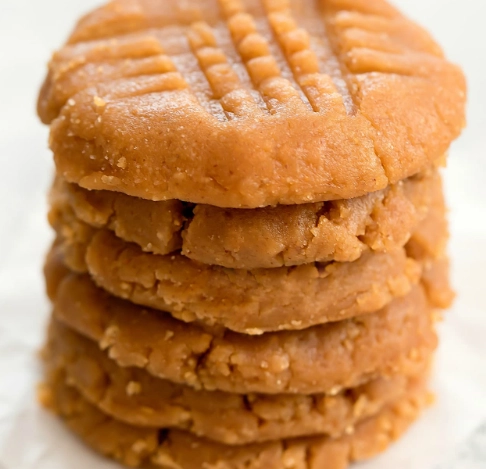
Problem: Cookies spread into one giant, thin mess.
Likely Cause: Using natural peanut butter that wasn't fully re-stirred, or your dough was too warm when it went into the oven.
Fix: Use conventional peanut butter. If you must use natural, stir it until it's thick and no oil remains. Also, make sure your oven is fully preheated. A cold start encourages spreading.
Your Peanut Butter Cookie Questions, Answered
Over the years, I've gotten the same questions from friends and readers. Here are the deep-dive answers you won't find in the typical recipe card notes.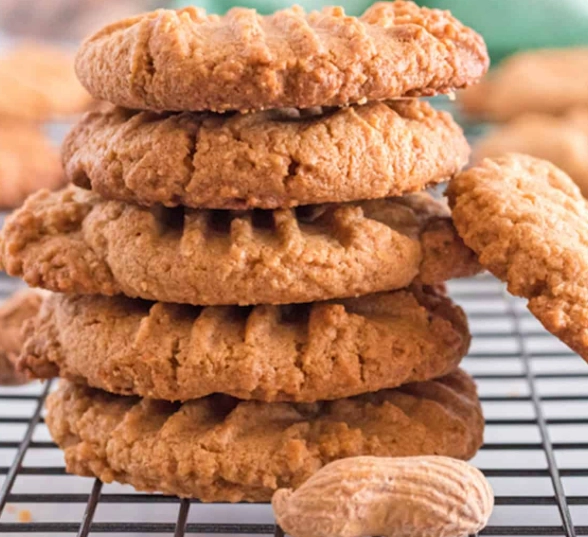
So there you have it. The easiest peanut butter cookies recipe that doesn't compromise on flavor or texture. It's the one I make when I need cookies in a hurry, when I'm teaching a kid to bake, or when I just want that pure, unadulterated peanut butter hit. It proves that sometimes, less really is more. Now go preheat that oven.
Reader Comments