You know the cookie. That soft, crinkly peanut butter base with a chocolate kiss perfectly pressed into the center, looking like a little edible flower. The peanut butter blossom cookie is a holiday classic, a bake sale staple, and a recipe that seems simple until yours come out flat, or the chocolate melts into a puddle, or they're dry as sawdust. I've been there. My first batch spread across the entire pan, the kisses sliding off like they were on a water slide. It took me years of tweaking—and a few frank conversations with other bakers—to nail down what makes these cookies truly special. This isn't just another recipe list. It's the guide I wish I had, pulling back the curtain on the tiny details that make a huge difference.
What’s Inside This Guide
The Anatomy of a Perfect Peanut Butter Blossom Cookie
Let's break down what we're aiming for. A great blossom cookie has a specific texture and structure.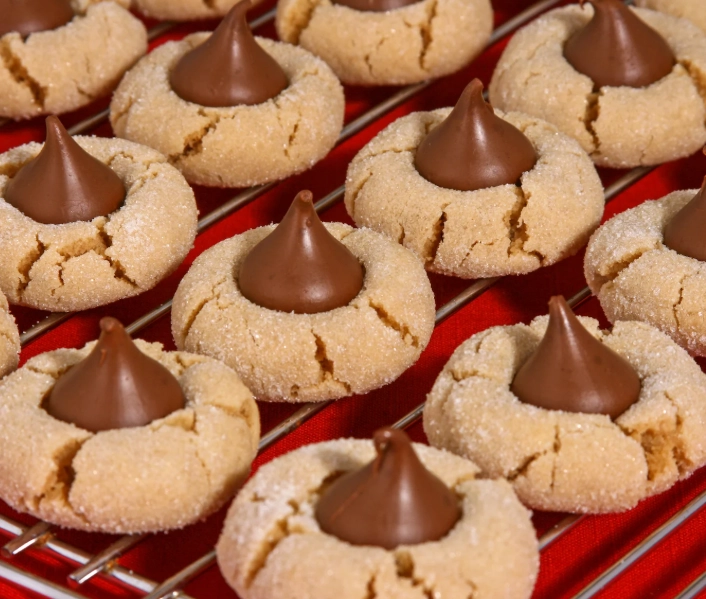
The Texture: It should be soft and slightly chewy, not cakey and not crunchy. When you bite into it, there's a gentle give. The surface has those characteristic crinkles from the sugar coating.
The Structure: The cookie holds its dome shape. It doesn't spread into a thin disc. This is non-negotiable. A flat cookie can't cradle the chocolate kiss properly.
The Chocolate: The kiss sits proudly on top, slightly pressed in but not submerged. It should be intact, not melted or misshapen. That contrast between the tan cookie and the brown chocolate is visual perfection.
My Non-Consensus Take: Most recipes treat these like any other drop cookie. They're not. The high fat content from peanut butter and butter makes them incredibly prone to spreading. The single most important step, which many recipes gloss over, is chilling the dough. Not a suggestion, a requirement. It firms up the fat, giving the cookie time to set before it melts into a puddle.
The Step-by-Step Recipe (With Expert-Level Notes)
Here’s my tried-and-true base recipe. The magic is in the notes.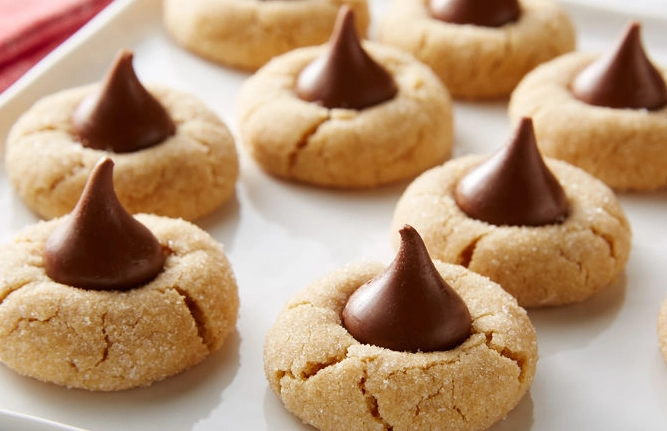
Ingredients You'll Need
- 1 ¾ cups (220g) all-purpose flour – Spoon and level it. Don't scoop from the bag.
- 1 teaspoon baking soda – Make sure it's fresh. Old baking soda won't give you the lift.
- ½ teaspoon salt – Balances the sweetness.
- ½ cup (115g) unsalted butter, softened – Key word: softened, not melted. It should give slightly to a finger press but still hold its shape.
- ½ cup (100g) granulated sugar + extra for rolling.
- ½ cup (110g) packed light brown sugar – The molasses adds moisture and chew.
- ½ cup (130g) creamy peanut butter – Use the standard shelf-stable kind like Jif or Skippy. We'll talk about natural peanut butter later—it's a problem.
- 1 large egg, at room temperature
- 1 teaspoon vanilla extract
- About 48 milk chocolate Hershey's Kisses, unwrapped – Yes, the brand matters here. Their specific shape and melt point are part of the classic look.
How to Achieve the Perfect Texture (Without Overmixing)
1. Whisk Dry Ingredients: In a medium bowl, whisk the flour, baking soda, and salt. This is your insurance policy for even distribution.
2. Cream Butter and Sugars: In a large bowl, beat the softened butter, ½ cup granulated sugar, and brown sugar for just 1-2 minutes until combined. You're not looking for light and fluffy. Over-creaming incorporates too much air, which collapses and leads to spreading. I use a hand mixer on medium-low.
3. Incorporate Peanut Butter, Egg, and Vanilla: Beat in the peanut butter until smooth, then the egg and vanilla. Scrape down the bowl.
4. Combine Wet and Dry: Add the flour mixture all at once. Mix on low speed just until no dry streaks remain. The dough will be thick. Overmixing develops gluten, leading to tough cookies.
5. The Crucial Chill: Cover the bowl and refrigerate for at least 1 hour, up to 24. This is not optional.
6. Preheat and Prep: Preheat your oven to 375°F (190°C). Line baking sheets with parchment paper.
7. Shape and Sugar: Roll tablespoon-sized portions of dough into balls. Roll each ball generously in a bowl of granulated sugar. This creates that crackly, sparkly crust.
8. Bake: Place balls 2 inches apart on sheets. Bake for 8-10 minutes. They will look puffy and slightly underdone in the center. The edges will be just set. They finish setting as they cool.
9. The Kiss Application: Immediately upon removing the tray from the oven, gently press a chocolate kiss into the center of each cookie. The cookie will crack around it. Press just until the kiss feels secure. Let cookies cool on the sheet for 5 minutes before transferring to a wire rack.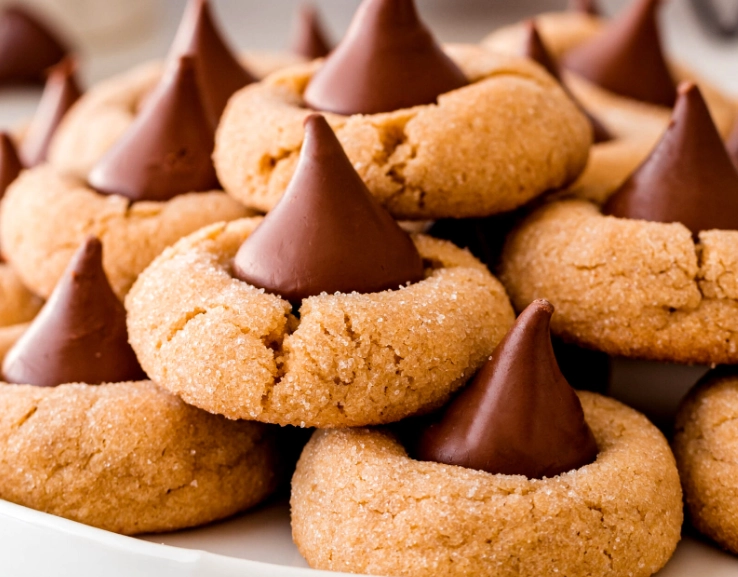
Timing is Everything: Don't add the kisses to hot cookies still on the baking sheet in the oven. The residual heat from the pan will melt the chocolate base. Wait until you've pulled the sheet out. And unwrap all your kisses before you start baking. Scrambling to unwrap them while your hot cookies wait is a recipe for disaster.
The 3 Most Common Mistakes & How to Fix Them
| What Goes Wrong | Likely Cause | The Expert Fix |
|---|---|---|
| Cookies spread too much, kiss sinks. | Dough too warm. Butter/peanut butter too soft. Over-creaming. Oven temp too low. | Chill dough longer. Ensure butter is softened, not melted. Cream just to combine. Use an oven thermometer. |
| Cookies are dry and crumbly. | Too much flour (from scooping). Overbaking. Using natural peanut butter. | Spoon and level flour. Bake until just set at edges. Use conventional creamy peanut butter. |
| Chocolate kiss melts completely or gets a white film. | Kiss pressed into cookie too early (in oven). Cookies stacked while warm. Temperature swings in storage. | Press kiss immediately after removing from oven. Cool completely before stacking. Store in airtight container at stable room temp. |
Beyond the Classic: Creative Variations to Try
Once you've mastered the classic, play around. Here are a few crowd-pleasers.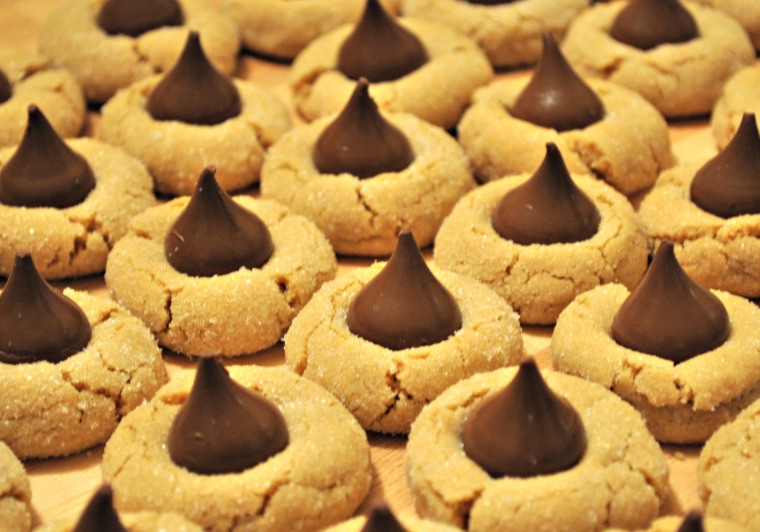
Dark Chocolate & Sea Salt: Use dark chocolate kisses and sprinkle a tiny flake of sea salt on top after adding the kiss.
Peanut Butter Cup Edition: Press a miniature peanut butter cup into the center instead of a kiss. Freeze the PB cups first so they hold shape.
“Blossom” with a Jam Heart: Skip the chocolate. After baking, use the back of a spoon to make a small indentation and fill with a dollop of raspberry or strawberry jam.
Halloween Version: Roll dough balls in orange sanding sugar and use a candy corn or a black and orange kiss.
Storing, Freezing, and Gifting Your Cookies
These cookies are great make-ahead candidates.
Storing: Keep in an airtight container at room temperature for up to 5 days. Place parchment between layers. For longer freshness, a slice of bread in the container works wonders—the cookies absorb its moisture, staying soft.
Freezing Dough: Roll dough balls, coat in sugar, and freeze solid on a tray. Then transfer to a freezer bag. Bake from frozen, adding 1-2 minutes to the bake time.
Freezing Baked Cookies: Freeze the baked, undecorated cookies. Thaw, then warm in a 300°F oven for 3-4 minutes and immediately add the chocolate kisses. This ensures the chocolate looks perfect for gifting.
Gifting: Layer them in a festive tin with parchment. They ship reasonably well if packed snugly to prevent too much jostling.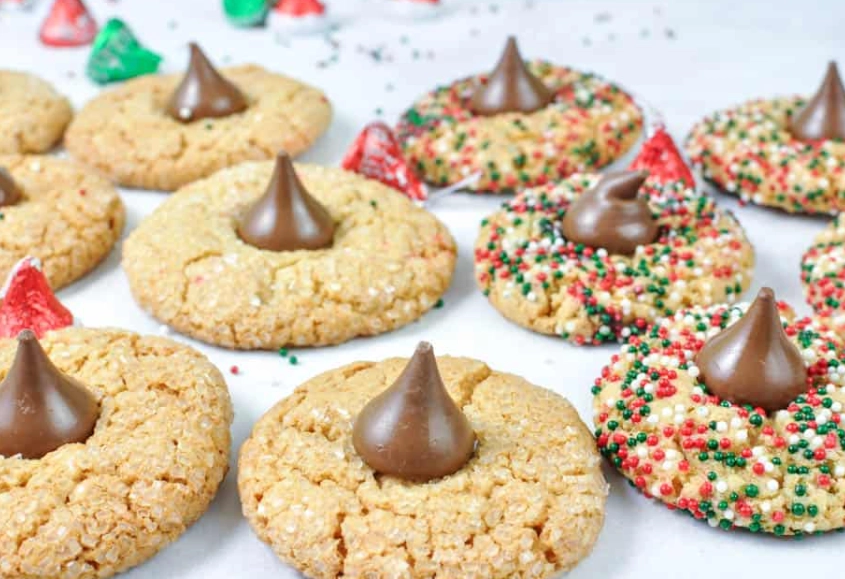
Your Peanut Butter Blossom Questions, Answered
The beauty of the peanut butter blossom cookie is in its deceptive simplicity. It’s a humble combination of pantry staples that, when treated with a bit of know-how, transforms into something truly memorable. It’s about the feel of the dough, the timing of the oven, and that satisfying press of the chocolate. Don’t just follow a recipe—understand it. Now go preheat your oven. Your perfect batch is waiting.
Reader Comments