I've baked a lot of peanut butter cookies in my time. Crunchy ones, cakey ones, ones that spread into sad, brittle lace. It took me years of tweaking—and more than a few batches donated to the backyard birds—to land on a recipe that consistently delivers a soft, chewy, melt-in-your-mouth texture that lasts for days, not hours. Forget everything you think you know about peanut butter cookies. This isn't just a list of ingredients; it's the science and soul behind a perfect soft peanut butter cookie recipe.
Let's get straight to the point. The secret isn't one magic ingredient, but a combination of three: the right fat balance, moisture management, and heat control. Most recipes get one of these wrong.
What's Inside This Guide
The Science Behind a Soft Cookie: It's Not Just Baking Time
Everyone says "don't overbake them" for soft cookies. That's true, but it's barely half the story. A cookie's final texture is determined in the mixing bowl long before it hits the oven.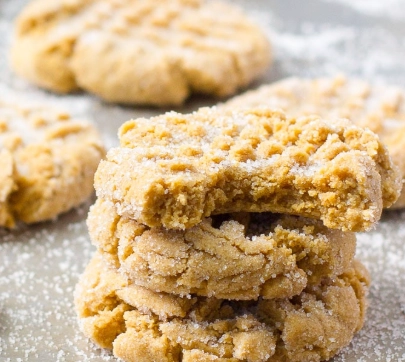
Softness comes from retained moisture. Your goal is to trap and hold water molecules within the cookie's structure. How? First, you need humectants—ingredients that attract and bind water. Brown sugar is a superstar here because its molasses content is hygroscopic (it loves water). Second, you need to limit gluten development. Gluten forms strong networks that make things tough and chewy in a bread-like way, not a tender cookie way. Overmixing flour is the enemy.
Finally, fat plays a double role. It coats flour proteins, inhibiting gluten, and it solidifies in a way that can create a tender crumb. Using a mix of butter (for flavor) and peanut butter (its oils and solids) gives you control.
Most recipes fail because they use too much white sugar (which encourages spreading and crispiness), over-cream the butter and sugar (incorporating too much air, leading to a cakey, then crumbly texture), or skip the chilling step, which is crucial for controlling spread.
Your Ingredient Breakdown: Why Each One Matters
Here’s everything you’ll need, laid out with specifics. Don't just measure—understand.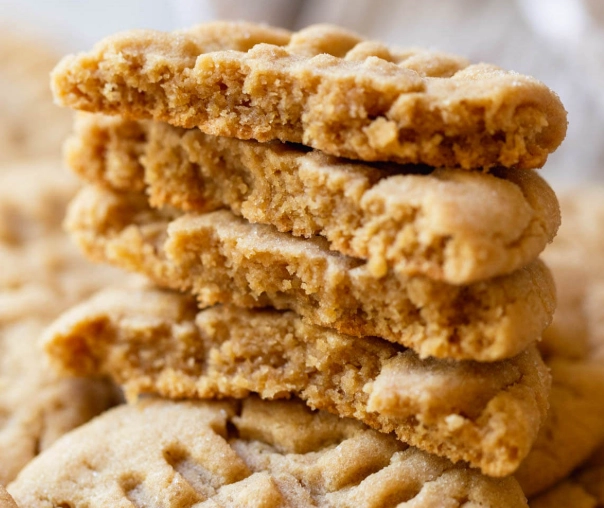
| Ingredient | Measurement | Role in Softness | Pro Tip / Pitfall |
|---|---|---|---|
| Unsalted Butter | 1/2 cup (1 stick), softened | Provides flavor and moisture. Creaming with sugar creates tiny air pockets for lift. | "Softened" means cool to the touch but yields to pressure. Too warm, and your cookies will spread thin and crisp. |
| Creamy Peanut Butter | 3/4 cup | The main event. Adds fat, protein, and flavor. Its oils keep the crumb tender. | Use a standard, shelf-stable brand like Jif or Skippy. Natural peanut butter (oil-on-top) often leads to greasy, inconsistent results. |
| Dark Brown Sugar | 3/4 cup, packed | The #1 softness agent. Molasses attracts and retains moisture. | Pack it firmly into the cup. Light brown sugar works, but dark brown gives a deeper flavor and more moisture. |
| Granulated Sugar | 1/4 cup | Encourages slight spreading and caramelization for balanced texture. | Keep this amount small. More granulated sugar = crispier edges. |
| Large Egg | 1 | Binds ingredients, adds structure and moisture. | Use room temperature. A cold egg can cause the creamed butter to seize up. |
| Pure Vanilla Extract | 1 teaspoon | Enhances overall flavor profile. | Don't skip it. It rounds out the peanut flavor. |
| All-Purpose Flour | 1 1/4 cups | Provides structure. Too little = spread, too much = cakey/dry. | Fluff, spoon, and level. Don't scoop from the bag—you'll pack in too much. |
| Cornstarch | 1 teaspoon | The secret weapon. Tenderizes by inhibiting gluten and stabilizing the structure. | This is non-negotiable for a soft, melt-in-your-mouth feel. |
| Baking Soda | 1/2 teaspoon | Leavening agent. Helps cookies rise and spread appropriately. | Check the date. Old baking soda won't work. |
| Salt | 1/2 teaspoon | Balances sweetness and enhances all flavors. | Use fine sea salt or table salt. |
The Step-by-Step Process (Where Most People Slip Up)
Follow this sequence closely. I've highlighted the common missteps that sabotage softness.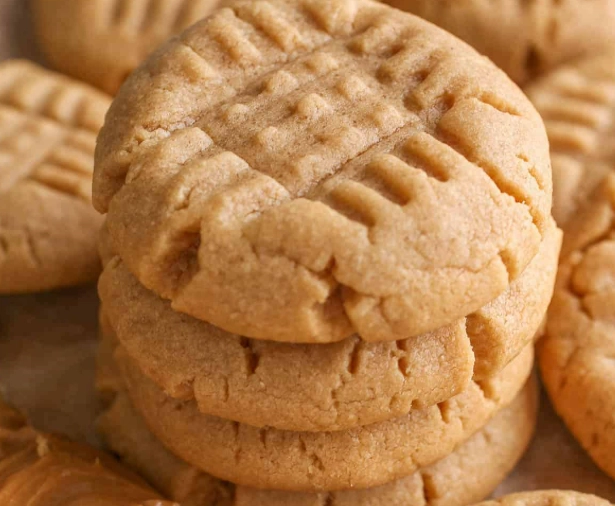
1. Creaming: The Foundation
In a large bowl, beat the softened butter, peanut butter, dark brown sugar, and granulated sugar together for exactly 1-2 minutes on medium speed. You want it combined and slightly fluffy, but not pale and voluminous. Over-creaming incorporates too much air, which collapses in the oven and can create a crumbly, rather than tender, texture. It should look like wet sand, not whipped cream.
2. Incorporating Wet Ingredients
Beat in the egg and vanilla extract until just blended, about 30 seconds. Scrape down the bowl. The mixture may look a bit separated—that's okay.
3. The Dry Mix & The Critical Turn
In a separate bowl, whisk together the flour, cornstarch, baking soda, and salt. This ensures even distribution of leavening and our secret tenderizer, cornstarch.
Add the dry ingredients to the wet ingredients. Now, here's the moment of truth: mix on low speed until the flour is just incorporated and no dry streaks remain. This should take less than 60 seconds. The dough will be thick and may seem a bit crumbly at first, but it will come together as you finish mixing. STOP as soon as it does. Overmixing here develops gluten = tough cookies.
4. The Non-Negotiable Chill
Cover the bowl and refrigerate the dough for at least 1 hour, up to 3 days. This step is what gives you a thick, soft cookie instead of a flat, crispy one. Chilling solidifies the fat, so the cookies don't spread too fast in the oven. It also allows the flour to fully hydrate, leading to a more even bake and concentrated flavor. I often make the dough on a Thursday and bake on a Saturday.
5. Portioning & Baking
Preheat your oven to 350°F (175°C). Line baking sheets with parchment paper. Use a medium cookie scoop (about 1.5 tablespoons) to portion dough. Roll into balls and place 2 inches apart. For the classic look, use a fork to make a crosshatch pattern, dipping the fork in sugar between presses to prevent sticking.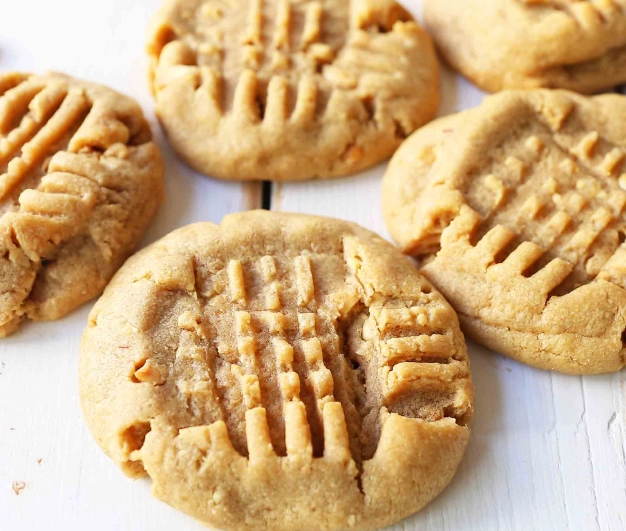
Bake for 9-11 minutes. The cookies are done when the edges are lightly golden and set, but the centers still look soft, puffy, and underdone. They will not look "baked" in the middle. That's what you want.
Pull them out.
Let them cool on the baking sheet for 5 full minutes. They will finish setting up during this time. Then transfer to a wire rack to cool completely. This patience prevents them from breaking and allows the internal structure to stabilize into soft perfection.
How to Store & Freeze for Lasting Softness
Baking them soft is one thing. Keeping them soft is another.
Room Temperature Storage: Once completely cool, store in an airtight container at room temperature. For genius-level softness, add a half-slice of plain white bread to the container. The cookies will draw moisture from the bread, staying soft for 4-5 days. Replace the bread when it gets hard.
Freezing Dough: This dough freezes beautifully. Portion into balls, freeze on a sheet until solid, then transfer to a freezer bag. Bake straight from frozen, adding 1-2 minutes to the bake time. You can have fresh, soft cookies anytime.
Freezing Baked Cookies: Layer cooled cookies between parchment paper in an airtight container. Thaw at room temperature. A quick 5-second burst in the microwave can revive that just-baked feel.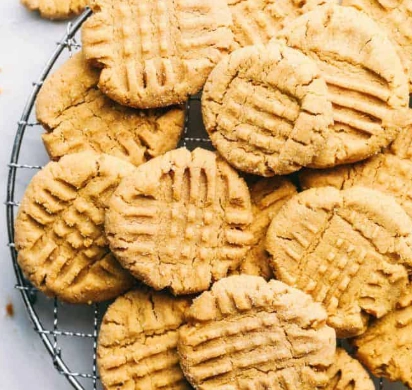
Your Soft Cookie Questions, Answered
My peanut butter cookies always come out hard. What am I doing wrong?
Can I use natural peanut butter for soft cookies?
Why do I need to chill the peanut butter cookie dough? Can I skip it?
How do I store soft peanut butter cookies to keep them soft for more than a day?
The journey to a perfect soft peanut butter cookie recipe is about understanding the why behind each step. It's not magic; it's a bit of kitchen science and a lot of avoiding common pitfalls. This recipe is my tested, foolproof method. It balances flavor and texture in a way that has made it the only one I reach for. The proof is in the cookie jar—which, in my house, empties suspiciously fast.
Reader Comments