I've baked hundreds of peanut butter cookies over the years, and most recipes promise chewy perfection but deliver dry disappointment. This chocolate chip peanut butter cookie recipe is different—it's based on trial, error, and a few secrets I picked up from old bakery friends. You'll get soft, slightly crumbly cookies with melty chocolate chips every time. No fancy equipment needed, just a bowl and some patience.
What's Inside This Guide
Ingredients Breakdown: What You Really Need
Let's start with the basics. I've seen recipes call for weird additives, but this one sticks to pantry staples. The key is quality—skip the generic peanut butter if you can.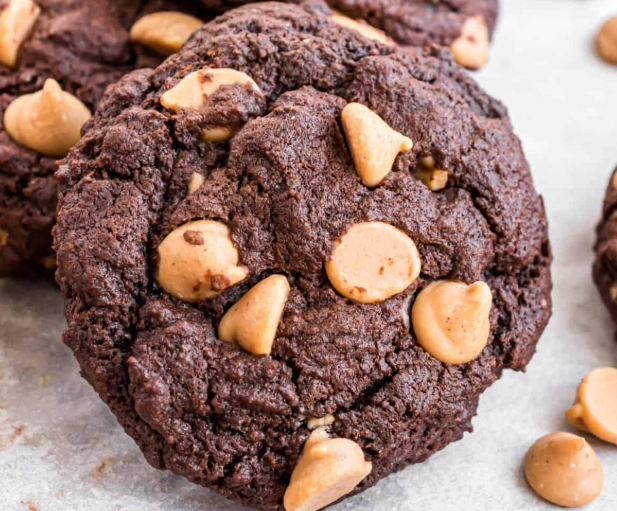
Dry Ingredients
These form the structure. Measure carefully, especially flour. Too much and your cookies turn into hockey pucks.
- All-purpose flour: 2 cups (240g). I use King Arthur Flour for consistency, but any brand works if you spoon-and-level it into the cup. Don't scoop directly from the bag—it packs too tight.
- Baking soda: 1 teaspoon. Freshness matters. If it's been in your cupboard for years, toss it. Old baking soda won't make cookies rise properly.
- Salt: 1/2 teaspoon. Sea salt or table salt, either is fine. It balances the sweetness.
Wet Ingredients
This is where flavor happens. Room temperature ingredients blend better. If your butter is cold, microwave it for 10 seconds, not more.
- Unsalted butter: 1/2 cup (113g), softened. Salted butter can make cookies too salty, so I avoid it.
- Peanut butter: 1 cup (250g). Creamy or chunky? I prefer creamy for smooth texture, but chunky adds a nice crunch. Avoid natural peanut butter that separates—it messes with the fat ratio. Jif or Skippy work best here.
- Brown sugar: 3/4 cup (150g), packed. Dark brown sugar gives more moisture and a deeper flavor. Light brown works too, but cookies might be slightly less chewy.
- Granulated sugar: 1/2 cup (100g). Don't skip this—it helps with spreading and crisp edges.
- Eggs: 2 large. Bring them to room temperature by leaving them out for 30 minutes. Cold eggs can cause the dough to seize up.
- Vanilla extract: 1 teaspoon. Real extract, not imitation. It adds a warm note.
- Chocolate chips: 1 1/2 cups (270g). Semi-sweet chips are classic, but milk chocolate or dark chocolate chunks work too. I sometimes mix in a handful of chopped peanuts for extra texture.
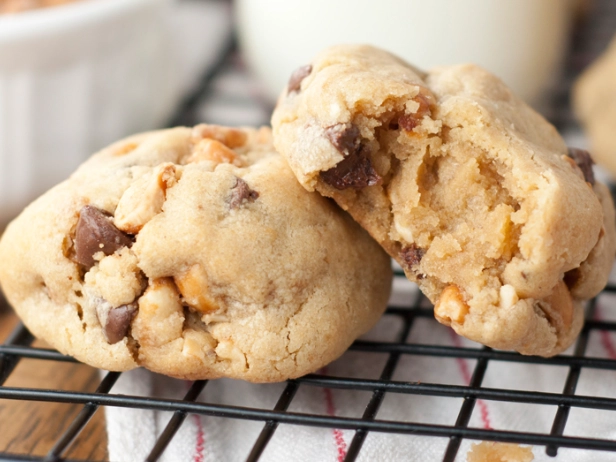
Pro tip: Weigh your ingredients if possible. Baking is science, and cups can vary. A kitchen scale costs $20 and saves you from dense cookies.
Step-by-Step Instructions: No Guesswork Baking
Follow these steps in order. Rushing leads to flat cookies. I learned this the hard way when I once dumped everything in at once—the result was a greasy mess.
Step 1: Prep and Preheat
Preheat your oven to 350°F (175°C). Line baking sheets with parchment paper. Silicone mats are okay, but parchment gives a better bottom crust. Don't grease the sheets—it makes cookies spread too much.
Step 2: Mix Dry Ingredients
In a medium bowl, whisk together the flour, baking soda, and salt. Set it aside. This ensures even distribution, so no bitter pockets of baking soda.
Step 3: Cream Butter and Sugars
In a large bowl, use a hand mixer or stand mixer to beat the softened butter, peanut butter, brown sugar, and granulated sugar. Beat for 2-3 minutes until light and fluffy. Scrape down the sides halfway through. If the mixture looks grainy, you haven't beaten it enough—this step incorporates air for lift.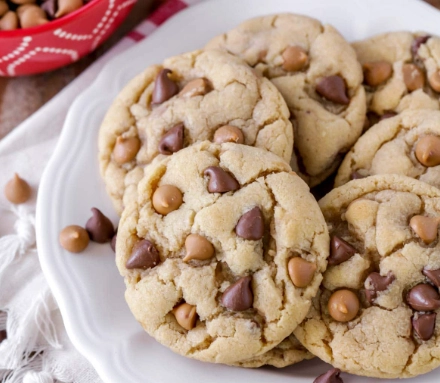
Step 4: Add Eggs and Vanilla
Beat in the eggs one at a time, then add the vanilla. Mix until just combined. Overbeating here can make cookies tough.
Step 5: Combine Wet and Dry
Gradually add the dry ingredients to the wet mixture. Mix on low speed until no flour streaks remain. Fold in the chocolate chips with a spatula. The dough will be thick and sticky.
Step 6: Scoop and Chill
Use a cookie scoop or tablespoon to drop dough onto prepared sheets, spacing them 2 inches apart. Chill the dough on the sheets for 15 minutes. This prevents overspreading. I used to skip chilling, and my cookies always merged into one giant blob.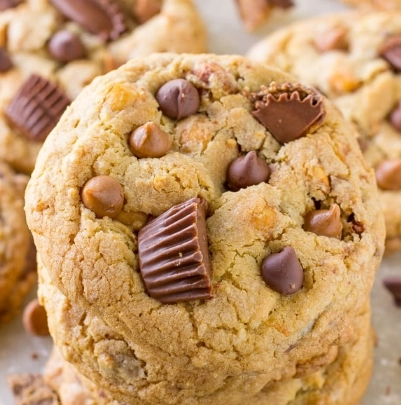
Step 7: Bake
Bake for 10-12 minutes. Ovens vary, so start checking at 10 minutes. Cookies are done when edges are golden but centers look soft. They'll firm up as they cool. Don't wait for them to brown all over—that's overbaked.
Step 8: Cool and Serve
Let cookies cool on the sheet for 5 minutes, then transfer to a wire rack. They're fragile when hot, so handle gently. Eat warm for gooey chocolate, or store for later.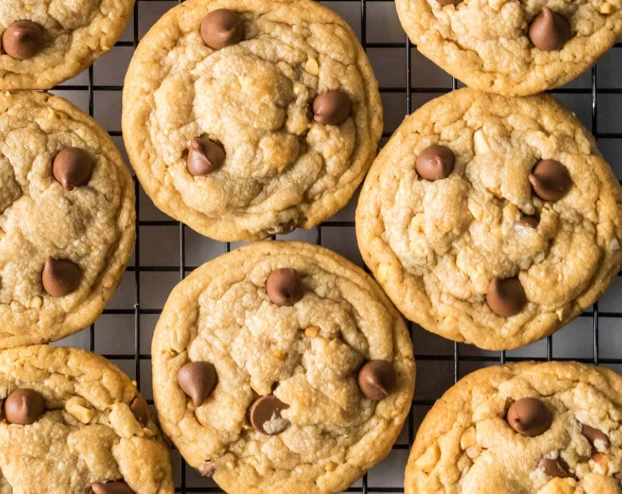
Watch out: Baking multiple sheets? Rotate them halfway through for even cooking. Hot spots in ovens can burn one side.
Expert Tips for Cookie Perfection
Here are things most recipes don't tell you. I picked these up from a baker who ran a shop for decades.
Texture control: Want chewier cookies? Use more brown sugar. For crispier edges, add an extra tablespoon of granulated sugar. It's that simple.
Peanut butter choice: Processed peanut butter has stabilizers that help cookies hold shape. If you insist on natural, reduce butter by 1 tablespoon to compensate for extra oil.
Chilling matters: If you have time, chill the whole dough ball for an hour before scooping. It deepens the flavors and reduces spreading. I often make dough the night before and bake fresh in the morning.
Baking time: Cookies continue to cook on the hot sheet after removal. Pull them out when they look underdone—they'll set perfectly. Overbaking is the number one reason for dry cookies.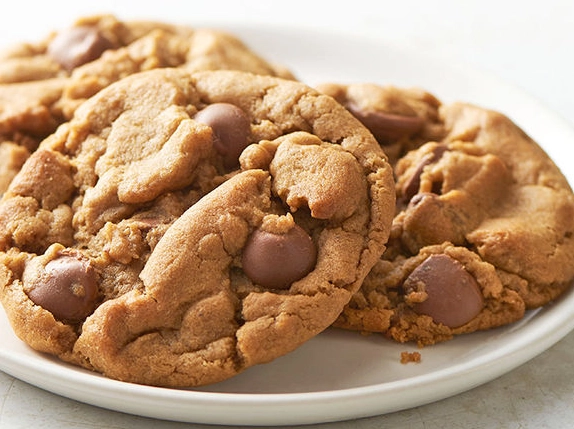
Common Mistakes to Avoid
I've made all these errors, so learn from my fails.
| Mistake | Why It Happens | How to Fix It |
|---|---|---|
| Flat cookies | Butter too soft or dough not chilled | Chill dough longer; use cooler butter |
| Dry, crumbly texture | Overbaking or too much flour | Measure flour correctly; reduce bake time |
| Burnt bottoms | Dark baking sheets or oven too hot | Use parchment paper; check oven temp |
| Uneven chocolate distribution | Mixing chips too vigorously | Fold gently at the end |
Another thing: don't substitute baking powder for baking soda. They're not the same. Baking soda needs acid to activate, and peanut butter provides it. Baking powder will leave a metallic taste.
Your Questions Answered
Baking should be fun, not stressful. This chocolate chip peanut butter cookie recipe is forgiving—even if you mess up, you'll still get something edible. I once forgot the baking soda, and they were dense but tasty. Give it a try and tweak it to your taste. Happy baking!
Reader Comments