Let's be honest. A lot of peanut butter cookie recipes out there are just... okay. They're sweet, they're sandy, but the peanut butter flavor gets lost behind a wall of sugar and flour. If you're searching for how to make peanut butter cookies that are deeply nutty, perfectly chewy with a slight crisp edge, and taste like the star ingredient, you've landed in the right spot. This isn't just another recipe list. It's the method I've honed after years of baking, figuring out why batches fail and what tiny adjustments make them legendary.
What You'll Find in This Guide
Essential Ingredients for Peanut Butter Cookies
Great cookies start with understanding your ingredients. This isn't a complex list, but each one plays a specific role. Get these right, and you're 90% of the way there.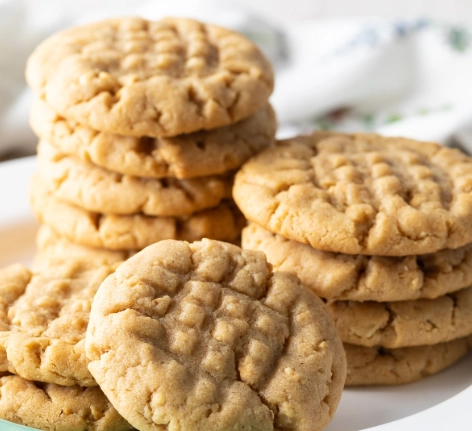
| Ingredient | Quantity | Why It Matters & Pro Tip |
|---|---|---|
| Creamy Peanut Butter | 1 cup | This is your flavor base. Use a standard, shelf-stable brand like Jif or Skippy for consistent results. The oils and sugars are stabilized, giving you predictable texture. "Natural" peanut butter that separates can throw off the fat balance. |
| Unsalted Butter | 1/2 cup (1 stick), softened | Butter adds richness and helps with spreading. Unsalted lets you control the salt level. Softened means cool to the touch but yields to pressure. Not melted, not cold. |
| Granulated Sugar | 1/2 cup | For sweetness and that classic crisp edge. |
| Packed Brown Sugar | 3/4 cup | The secret to chewiness. The molasses in brown sugar retains moisture. Pack it firmly into the cup. |
| Large Egg | 1 | The binder. Bring it to room temperature for easier mixing. |
| All-Purpose Flour | 1 1/4 cups | Structure. The most common mistake here is measuring incorrectly. Don't scoop from the bag! Spoon it into your measuring cup and level it off. |
| Baking Soda | 3/4 tsp | Our leavening agent. It helps the cookies rise and spread. Make sure it's not expired. |
| Salt | 1/2 tsp | Critical. Salt enhances all the flavors, especially the peanut butter. Don't skip it. |
| Vanilla Extract | 1 tsp | A background note that rounds out the sweetness. |
See? Nothing fancy. But the choice between light and dark brown sugar, or how you measure your flour, is where the magic (or the mishap) happens.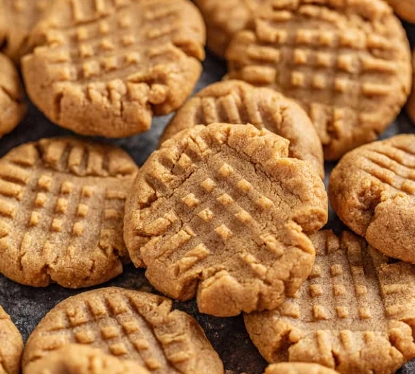
Step-by-Step Baking Instructions
Follow these steps in order. Baking is part science, and the sequence matters.
1. Prep Your Kitchen
Preheat your oven to 350°F (175°C). Line two baking sheets with parchment paper. This prevents sticking and makes cleanup a breeze. Don't grease the sheets—it can cause excessive spreading.
2. Cream the Fats and Sugars
In a large bowl, beat the softened butter, peanut butter, granulated sugar, and brown sugar together with an electric mixer on medium speed. Do this for 2-3 minutes until the mixture is light, fluffy, and well combined. This step incorporates air, which contributes to texture. You should see the color lighten slightly.
3. Add the Egg and Vanilla
Beat in the egg and vanilla extract until just blended. Scrape down the sides of the bowl with a spatula.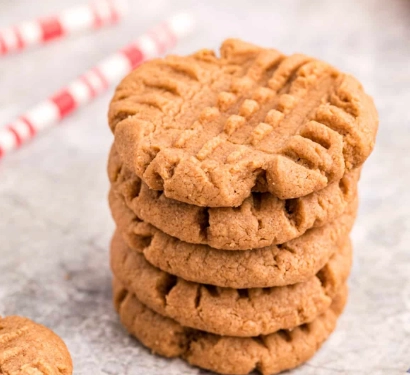
4. Combine the Dry Ingredients
In a separate bowl, whisk together the flour, baking soda, and salt. This ensures the leavening and salt are evenly distributed before they hit the wet ingredients.
5. Bring the Dough Together
With the mixer on low speed, gradually add the dry ingredients to the wet mixture. Mix until just combined. The moment you no longer see dry flour, stop. Overmixing develops gluten in the flour, leading to tough cookies.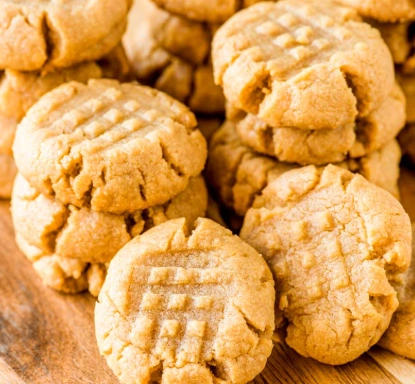
6. Shape and Create the Classic Fork Pattern
Roll dough into 1-inch balls (about 1 tablespoon each). Place them about 2 inches apart on your prepared sheets. Now, take a fork, dip the tines in a little extra sugar (to prevent sticking), and gently press down on each ball to flatten slightly. Press again perpendicular to the first press to create that classic criss-cross pattern. It's not just for looks—it helps the cookie bake evenly.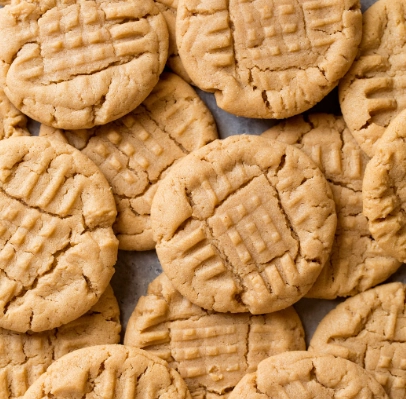
7. Bake and Cool
Bake for 9-11 minutes. They're done when the edges are lightly golden and set, but the centers still look soft and slightly puffy. They will look underdone. This is correct.
Pull them out and let them cool on the baking sheet for 5 minutes. This is when they finish setting up. Then, transfer them to a wire rack to cool completely. Resist the urge to eat one straight from the oven—they'll fall apart.
How Do You Achieve the Perfect Texture?
Everyone has a preference: soft and chewy, crisp and thin, or cakey. This recipe leans chewy with crisp edges, but you can steer it.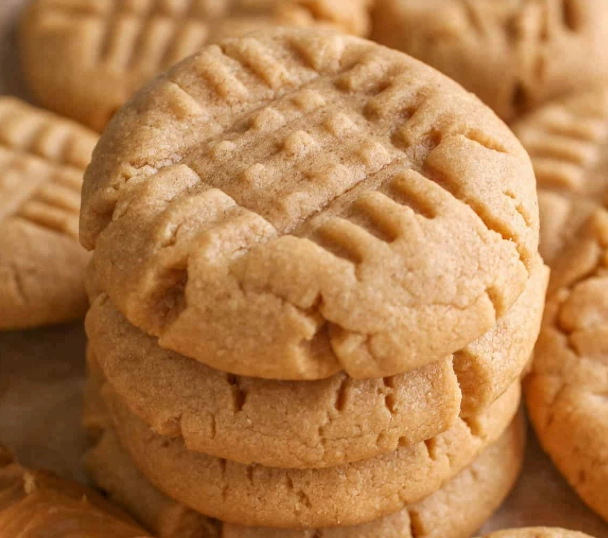
For Softer, Chewier Cookies: Use all light brown sugar. Chill the dough balls for 30 minutes before baking. This slows spreading, making a thicker, denser cookie. Take them out at the 9-minute mark.
For Crisper, Thinner Cookies: Use all granulated sugar. Ensure your butter is properly softened (not melted). Bake them a full 11 minutes, or until the edges are a deeper golden brown.
The #1 Mistake I See: Overbaking. Peanut butter cookies have a lot of fat. They carryover cook significantly on the hot tray. If you wait for them to look "done" in the oven, they'll be dry and crumbly when cool. Trust the soft center.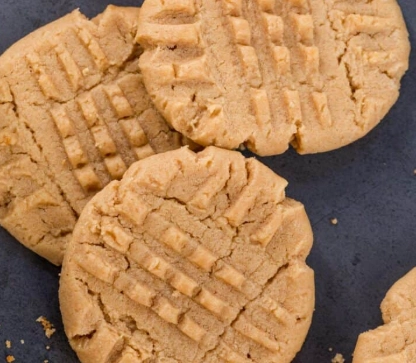
Your Peanut Butter Cookie Questions, Answered
Here are the real questions bakers have, based on years of reader emails and my own kitchen disasters.
Baking perfect peanut butter cookies isn't about finding a secret ingredient. It's about nailing the fundamentals: measuring your flour right, not overmixing the dough, and having the courage to pull them out of the oven when they look a little too soft. Follow this guide, pay attention to those details, and you'll have a batch that actually tastes gloriously of peanut butter. Now go preheat that oven.
Reader Comments