You know the cookie. That soft, criss-crossed peanut butter mound with a chocolate kiss melting into its center. The peanut butter kiss cookie, sometimes called a peanut butter blossom, is a holiday staple for a reason. But here's the thing most recipes won't tell you: achieving that perfect balance of chewy center, slight crisp edge, and a kiss that stays put without sinking into a puddle is trickier than it looks. I've burned my share, made cookies that spread into flat pancakes, and had more than one chocolate kiss slide right off. After a decade of tweaking, this guide will get you to cookie perfection, avoiding every pitfall I stumbled into.
What's Inside: Your Cookie Roadmap
The Non-Negotiable Core Recipe & Ingredients
Let's start with the foundation. This isn't just a list; it's an explanation of why each item matters. Skimp or substitute carelessly here, and the texture changes.
| Ingredient | Quantity | Purpose & Pro Notes |
|---|---|---|
| Unsalted Butter | 1/2 cup (1 stick), softened | Provides richness and helps with spread. Must be softened to room temp (65-67°F). Too cold and your dough is hard; melted and your cookies will overspread. |
| Granulated Sugar | 1/2 cup | For sweetness and that slight crisp on the edges. |
| Packed Light Brown Sugar | 1/2 cup | The secret to chewiness and moistness. Don't use dark brown unless you want a stronger molasses flavor. |
| Creamy Peanut Butter | 1/2 cup | Use a standard, shelf-stable brand like Jif or Skippy. The oils and stabilizers in these give a consistent texture. Natural peanut butter (the kind you stir) often leads to oily, greasy cookies. Trust me on this. |
| Large Egg | 1 | Binds everything together. Crack it into a separate bowl first to avoid shells. |
| Vanilla Extract | 1 teaspoon | Enhances all the other flavors. Use real extract, not imitation. |
| All-Purpose Flour | 1 3/4 cups | Structure. Spoon and level it into your measuring cup; don't scoop directly from the bag or you'll pack in too much. |
| Baking Soda | 1 teaspoon | The primary leavener. Make sure it's fresh (test it with a drop of vinegar). |
| Salt | 1/2 teaspoon | Balances sweetness and makes the peanut butter flavor pop. |
| Granulated Sugar (for rolling) | 1/4 cup | Creates that iconic sparkly, slightly crunchy exterior. |
| Milk Chocolate Kisses | 48 pieces, unwrapped | The classic crown. Unwrap them before you start baking. Hershey's is the standard, but see the twists section for alternatives. |
See that note on peanut butter? That's the first "non-consensus" tip. Everyone says "use peanut butter," but the type is critical. The American Peanut Council notes that commercial peanut butters are homogenized, which directly impacts baking consistency.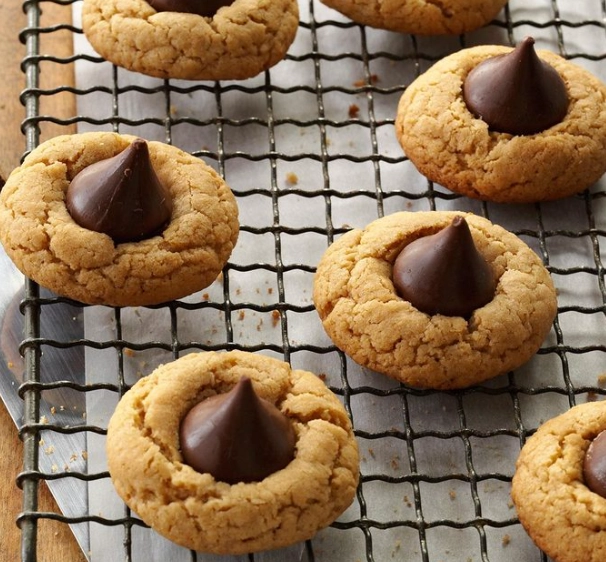
How to Make Peanut Butter Kiss Cookies: A Step-by-Step Guide
Follow this sequence. Rushing or changing the order can affect the dough.
1. Creaming is Everything (Don't Just Mix)
In a large bowl, beat the softened butter, 1/2 cup granulated sugar, and brown sugar together for a full 2-3 minutes with an electric mixer on medium speed. You want it light, fluffy, and pale in color. This incorporates air, which helps with the cookie's rise. If you just stir until combined, your cookies will be denser.
2. Incorporate the Wet Team
Beat in the peanut butter, egg, and vanilla extract until smooth. Scrape down the sides of the bowl. The mixture might look a bit curdled at first—that's fine, keep mixing.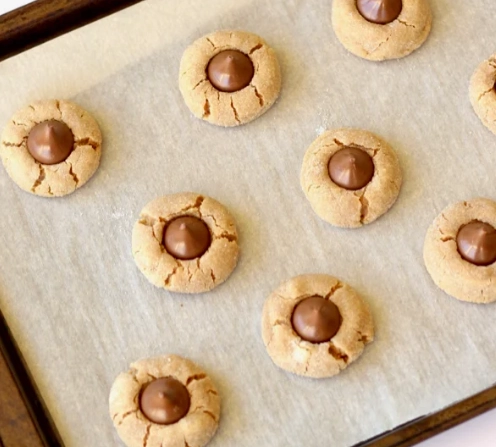
3. The Dry Team Joins In
In a separate bowl, whisk together the flour, baking soda, and salt. This ensures even distribution. With the mixer on low, gradually add the dry ingredients to the wet, mixing just until no flour streaks remain. Overmixing at this stage develops gluten and makes cookies tough. The dough will be soft but not sticky.
Cover the bowl and refrigerate the dough for at least 1 hour, preferably 2-3. Overnight is even better. This firms up the butter, hydrates the flour, and prevents the cookies from spreading into sad, flat discs in the oven. This is your insurance policy against cookie sprawl.
4. Shaping, Rolling, and Baking
Preheat your oven to 375°F (190°C). Line baking sheets with parchment paper. Place the 1/4 cup of sugar for rolling in a small bowl. Scoop dough by the tablespoonful (a #60 cookie scoop is perfect), roll into smooth balls, then roll each ball in the sugar to coat generously. Place them about 2 inches apart on the sheets. Don't flatten them.
Bake for 8-10 minutes. They should be just set around the edges but still look soft and puffy in the center. They will not look "done." This is correct. Overbaking leads to dry cookies.
5. The Kiss Operation
As soon as the sheets come out of the oven, gently but firmly press a chocolate kiss into the center of each hot cookie. The cookie will crack around the edges—that's the "blossom" effect. Let the cookies cool on the sheet for 5 minutes before transferring them to a wire rack to cool completely. The chocolate will set as it cools.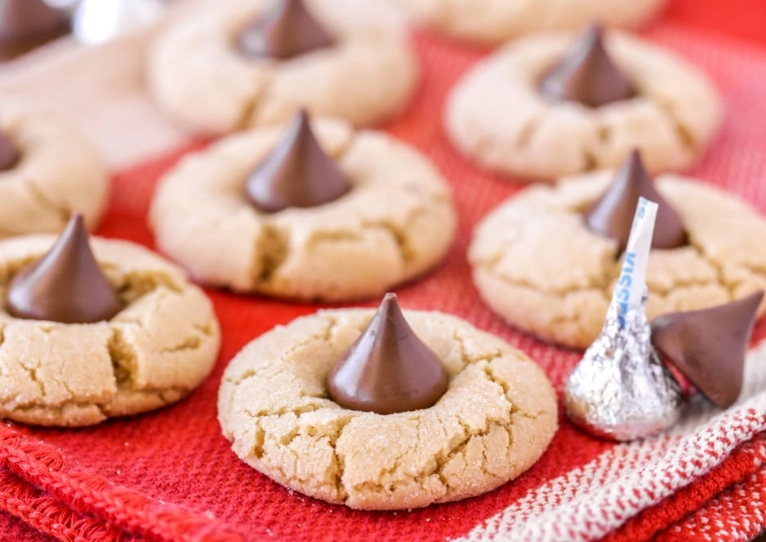
Why Your Cookies Fail (And the Expert Fix)
Here’s where my trial-and-error pays off for you.
- Problem: Cookies spread too much. Cause: Dough too warm, butter too soft/melted, or baking sheet too warm. Fix: Chill dough longer. Always use cool baking sheets—rinse under cold water and dry between batches.
- Problem: Cookies are dry and crumbly. Cause: Over-measuring flour (scooping), overbaking, or using natural peanut butter. Fix: Spoon and level flour. Set a timer. Use stabilized peanut butter.
- Problem: Chocolate kiss melts into a messy puddle. Cause: Cookie was underbaked (too soft) or kiss was pressed in too late. Fix: Ensure cookies are baked enough to hold structure. Press kiss in immediately upon removal from oven.
- Problem: Top of cookie cracks dramatically before the kiss. Cause: Dough was too cold or dry. Fix: Let chilled dough sit at room temp for 10 minutes before shaping. Ensure you measured liquids correctly.
Beyond the Classic: Flavor Twists & Ingredient Swaps
The classic is perfect, but sometimes you want to mix it up.
Peanut Butter Variations: Use crunchy peanut butter for texture. Try a honey-roasted peanut butter for a deeper flavor. For a nut-free version, sunflower seed butter works surprisingly well, though the color will be greener.
The Chocolate Crown: Swap the milk chocolate kiss for a dark chocolate kiss, a Hug (the striped one), a caramel-filled kiss, or even a Rolo. For a festive touch, use the red or green foil-wrapped holiday kisses.
Dough Add-Ins: Fold in 1/2 cup of mini chocolate chips or chopped peanuts to the dough after mixing. A teaspoon of cinnamon in the dry ingredients adds a warm note.
Rolling Sugar: Instead of plain sugar, roll in cinnamon sugar, coarse sanding sugar for extra sparkle, or even crushed peanut brittle.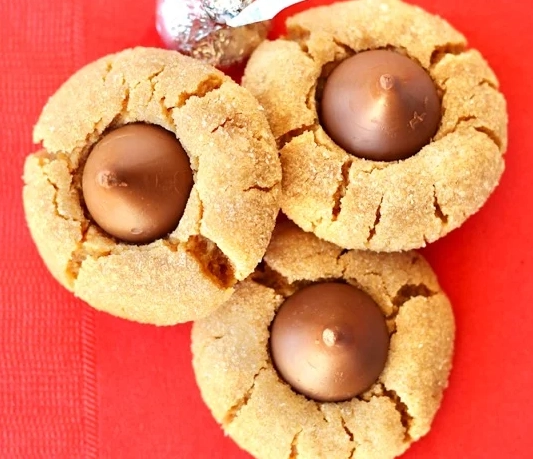
Storing, Gifting & Making Ahead Like a Pro
Storage: Cool cookies completely. Store in an airtight container at room temperature for up to 5 days. Layer them with parchment paper. They freeze beautifully for up to 3 months. Thaw at room temperature.
Gifting: These are fantastic for cookie swaps or holiday tins. Place them in a single layer in a cellophane bag tied with a ribbon, or in a decorative box. Include a small note with storage instructions.
Make-Ahead Magic: You can freeze the shaped, sugar-rolled dough balls on a tray, then transfer to a freezer bag. Bake directly from frozen, adding 1-2 minutes to the bake time. This is my secret for having fresh-baked cookies ready in under 15 minutes for unexpected guests.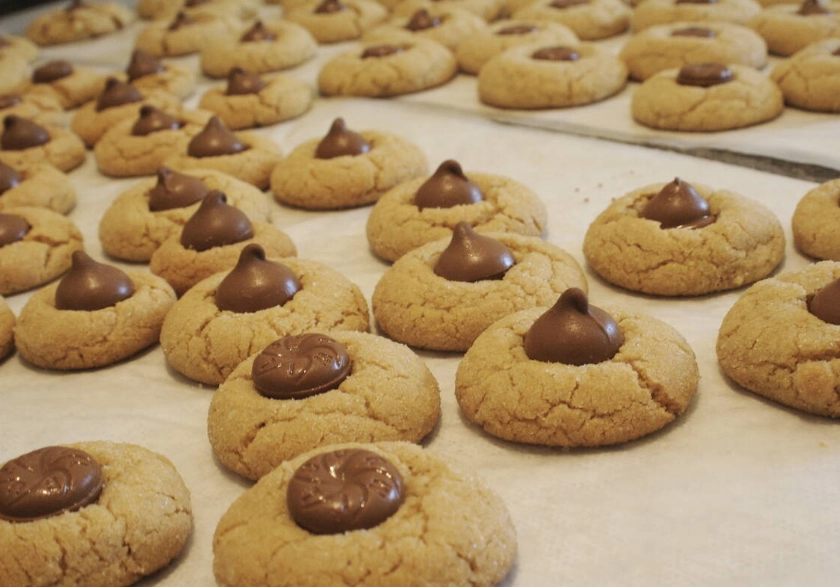
Your Burning Peanut Butter Kiss Cookie Questions
Why did my cookies turn out cakey instead of chewy?
A cakey texture usually points to too much flour or over-mixing. Double-check your flour measurement using the spoon-and-level method. Also, ensure your baking soda is fresh—old leavener doesn't produce the right gas, leading to a denser, cakier rise.
Can I use natural peanut butter if I adjust something else?
You can try, but it's risky. Natural peanut butter separates, making the oil content inconsistent. If you must, use a well-stirred natural butter and reduce any other added fat in the recipe by about 1 tablespoon. Expect more spread and a greasier feel. For guaranteed results, stick with conventional peanut butter for baking, as recommended by sources like King Arthur Baking.
How do I prevent the chocolate kiss from getting that white, chalky bloom after a day?
That bloom is fat or sugar crystals coming to the surface due to temperature fluctuation. It's safe to eat but looks odd. To minimize it, ensure cookies are completely cool before storing in an airtight container. Avoid storing them in the refrigerator, as the constant cool-warm cycles promote blooming. Hershey's notes that proper storage is key to maintaining chocolate quality.
My dough is too crumbly to roll into balls. What now?
The dough is likely too dry from excess flour or not enough binding fat/liquid. Don't add more liquid now. Instead, use your hands to knead a few tablespoons of dough together firmly; the warmth from your hands will help it bind. For the next batch, measure flour more carefully and ensure your egg is standard large size.
Is there a trick to getting the classic criss-cross fork pattern before baking?
For traditional peanut butter cookies, you flatten with a fork. For kiss cookies, you don't do this—the kiss creates the indent. If you want the pattern and the kiss, make the criss-cross, bake, then immediately press the kiss into the center of the pattern. The lines will still be visible around the chocolate.
Reader Comments