Quick Navigation
Alright, let's talk peanut butter. You're probably here because you love the stuff (who doesn't?), but you're staring at the jar with a little side-eye. How many calories are actually in there? Is it going to wreck your diet? I get it. I've been there too, spoon in hand, having the same internal debate. The short answer is yes, it's calorie-dense. But that's only half the story, and frankly, it's the boring half. The real question isn't just "how many calories in a peanut butter," it's about what kind you're eating, what else is in it, and how it fits into your day.
I remember trying to hit a protein goal a while back and slathering peanut butter on everything. The scale didn't move the way I wanted, and I was confused. Turns out, I was using a brand loaded with added sugars and hydrogenated oils, and I was just eyeballing my portions. A "spoonful" in my mind was more like three tablespoons. That's a big calorie difference. So let's get precise and clear the air.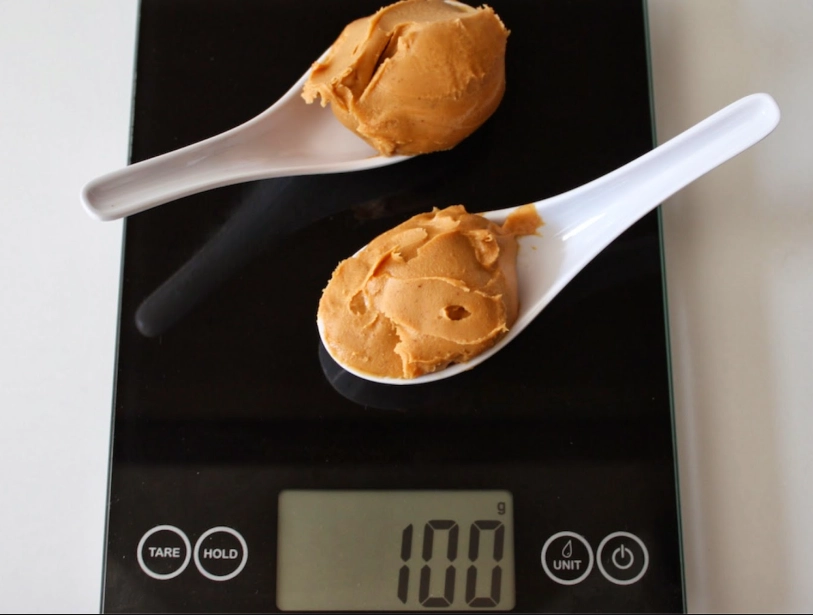
The Core Truth: For a standard, commercially prepared creamy peanut butter, you're looking at about 90 to 100 calories per tablespoon (16g). But that number is a starting point, not the finish line.
Breaking Down the Numbers: It's Not All the Same
Asking "how many calories in a peanut butter" is like asking how much a car costs. It depends massively on the model. The primary factor is fat content (peanuts are naturally high in healthy fats), but added ingredients like sugar, oils, and fillers can shift the numbers. Let's look at the main types.
Calories in Different Types of Peanut Butter
This is where things get interesting. I've pulled data from the USDA FoodData Central, which is the gold standard for this kind of info. It's a public database anyone can use, which is great for checking facts.
| Type of Peanut Butter | Serving Size | Approximate Calories | Key Notes (My Take) |
|---|---|---|---|
| Smooth/ Creamy (with salt) | 1 tbsp (16g) | 96 kcal | The classic. The baseline most people think of. |
| Crunchy (with salt) | 1 tbsp (16g) | 94 kcal | Virtually identical to smooth. The crunch doesn't change the math. |
| Natural / Stir-Preferred (just peanuts & salt) | 1 tbsp (16g) | 96 kcal | Calories are the same, but the fat is natural. Oil separation is normal! |
| Reduced Fat | 1 tbsp (16g) | 87 kcal | Only ~10% fewer calories. They often add more sugar to compensate for taste. Not worth it, in my opinion. |
| Powdered (like PB2) | 2 tbsp (12g powder) | 60 kcal | Fat is removed, so calories plummet. Great for sauces or baking, but it's a different texture and taste experience entirely. |
See? The standard types are all in the same ballpark. The reduced-fat version saves you a measly 10 calories—basically a single bite of an apple. The powdered stuff is a whole different beast. It's useful in certain situations (I mix it into oatmeal), but it doesn't satisfy that peanut butter craving for me.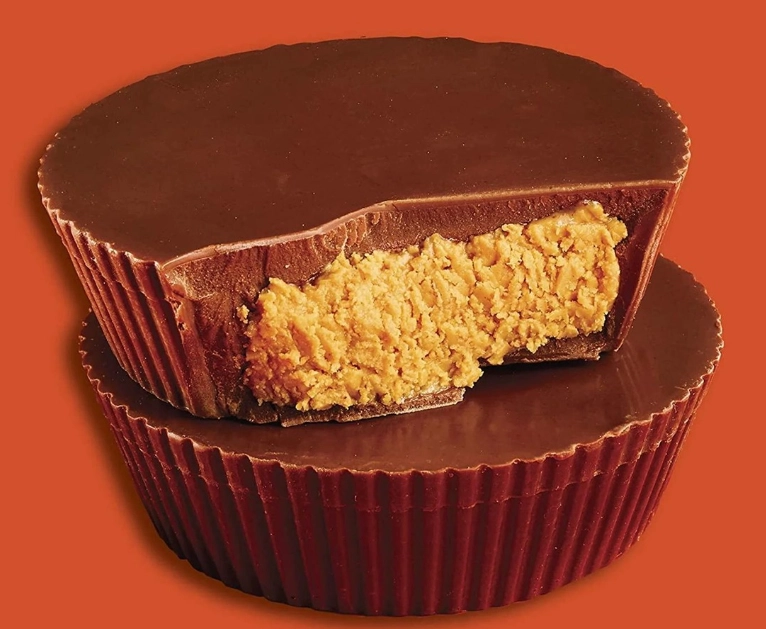
How Major Brands Stack Up (Spoiler: They're Close)
Brand loyalty is real, but does it matter for calories? Let's check the labels of some big names. I went to my own pantry and the grocery store to jot these down. Remember, a "serving" is almost always one tablespoon (16g), but always check your own jar. Some "natural" brands use a 2-tbsp serving, which doubles the numbers at a glance—a sneaky trick.
Watch the Serving Size: This is the #1 mistake people make. You think you're eating 100 calories, but if you heaped on two tablespoons, you're at 200. Use a measuring spoon for a week. It's eye-opening.
Here’s a quick rundown of what I found on labels:
- Jif Creamy: 95 calories per tbsp. Contains molasses and fully hydrogenated oils.
- SKIPPY Creamy: 95 calories per tbsp. Similar profile to Jif.
- Justin's Classic Peanut Butter: 100 calories per tbsp. A bit higher, uses palm oil.
- Smucker's Natural (Just Peanuts & Salt): 100 calories per tbsp. My personal go-to. The ingredient list is exactly two items.
- Crazy Richard's 100% Peanuts: 100 calories per tbsp. Another clean option, just peanuts.
The takeaway? The variation between the most popular brands is only about 5-10 calories per serving. The real difference isn't in the answer to "how many calories in a peanut butter" from these brands, but in the ingredient quality. The ones with added sugars and hydrogenated oils might have a slightly longer shelf life and be sweeter, but they add unnecessary junk. For me, the choice is clear.
Why Peanut Butter is More Than Just a Number
If we only talk about calories, we're doing peanut butter a massive disservice. This is the crucial part most basic articles miss. Yes, it's dense. But it's also packed with nutrients that make those calories work for you.
Think of it as a nutrient delivery system. A tablespoon gives you about 4 grams of protein, 8 grams of fat (mostly the good, monounsaturated kind), and 2-3 grams of fiber. It's a trio that promotes satiety—meaning it keeps you full. Compare that to 100 calories from a bag of pretzels, which are mostly refined carbs. You'll be hungry again in an hour.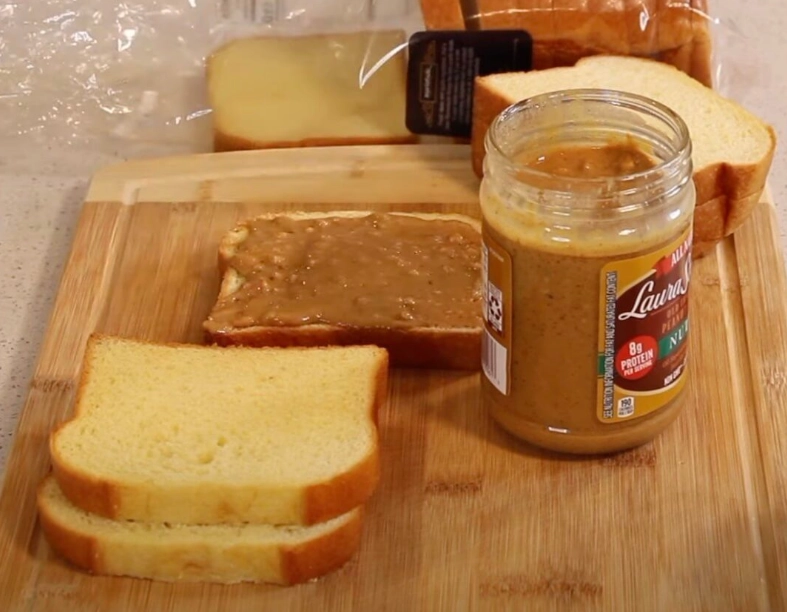
"The healthy fats in peanuts are linked to improved heart health. According to the American Heart Association, monounsaturated and polyunsaturated fats can help reduce bad cholesterol levels." This isn't just a "health halo"; it's backed by solid research.
So, is peanut butter high in calories? Per spoonful, yes. But is it fattening? Not necessarily, when consumed mindfully as part of a balanced diet. It's about the context of your entire day.
How to Enjoy Peanut Butter Without the Guilt (Practical Tips)
Okay, so you want the goodness without overdoing it. Here's what I've learned works, both from reading and from trial and error (mostly error).
Master Your Portions
This is non-negotiable. Don't eat from the jar. Ever. It's a black hole. Measure it out. A tablespoon is about the size of your thumb, from tip to knuckle. Get a little set of measuring spoons and leave them by the jar. After a while, you'll be able to eyeball it accurately.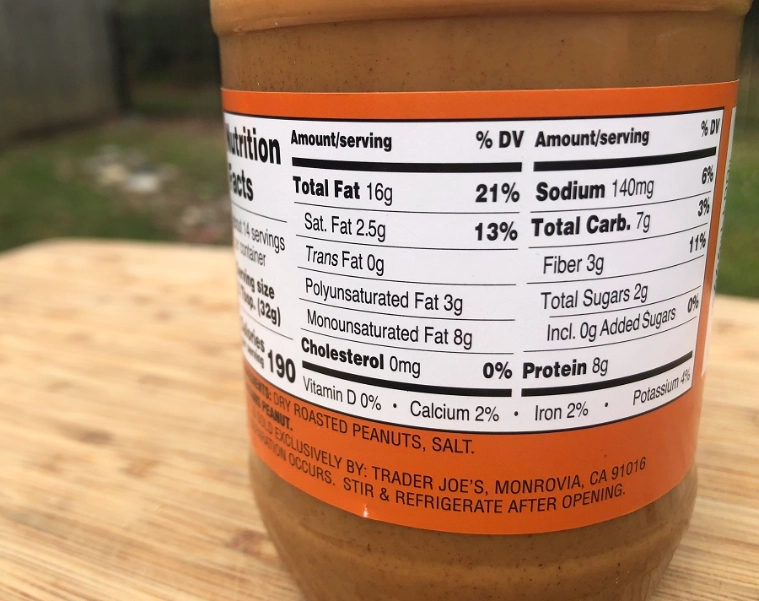
Pair It Strategically
Don't just eat it by the spoon. Pair it with foods that bulk up the volume without adding tons of calories.
- My favorite: A thin spread on a crisp apple or banana slices. The fruit's fiber and water content fill you up.
- For breakfast: Swirl a measured spoonful into plain Greek yogurt or oatmeal. Adds flavor and staying power.
- The classic: On whole-grain toast or rice cakes. Choose bread with at least 3g of fiber per slice.
Choose Wisely at the Store
Flip that jar and read the label. Here's my quick checklist:
- Ingredients: The best list is just "peanuts" (and maybe salt). Avoid ones with added sugars (cane sugar, molasses), hydrogenated oils (these create trans fats), and palm oil (not great for health or environment).
- Sugar: Aim for 1-2 grams or less per serving. Some "natural" ones still add sugar, so check.
- Protein & Fiber: More is better. It should have at least 3g of protein and 2g of fiber per serving.
Honestly, some of the big brand "natural" versions that include palm oil are a compromise. They don't separate, which is convenient, but you're adding a less-desirable fat. I'd rather stir my peanut butter.
Answering Your Burning Questions
I've gotten a lot of questions from friends about this topic. Here are the real ones people search for.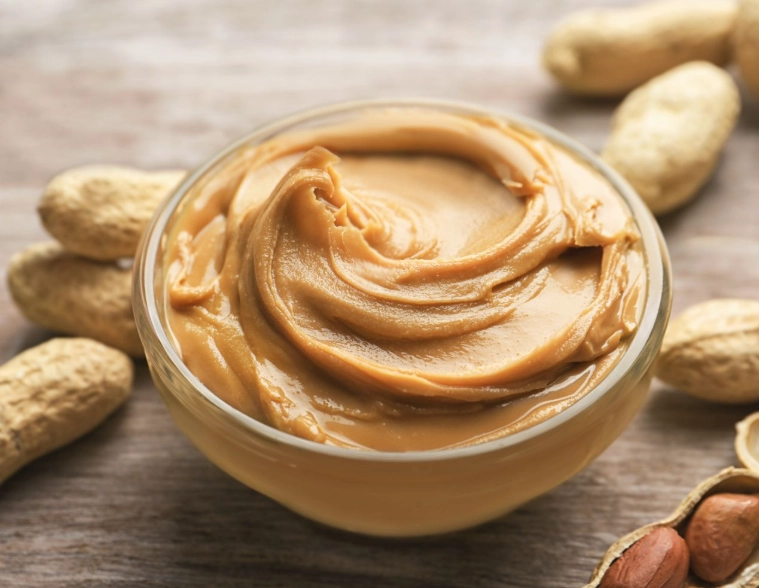
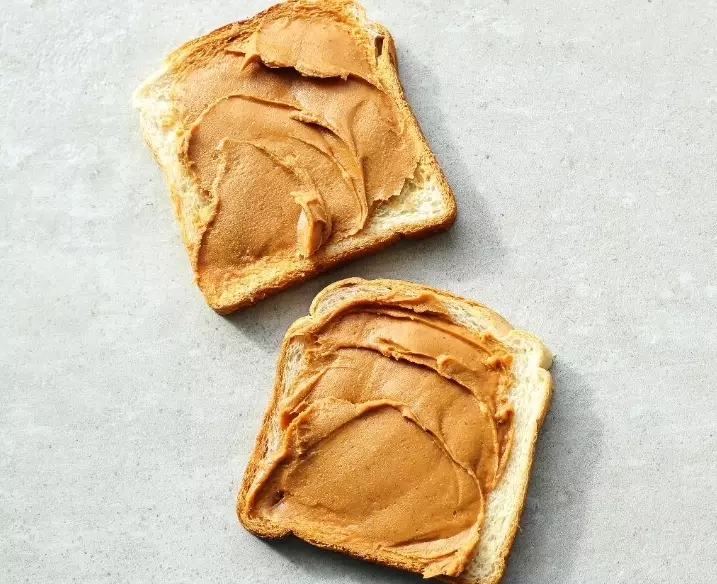
The Bottom Line (My Personal Take)
Look, if you're obsessing over the exact number of calories in a peanut butter, you might be missing the forest for the trees. The difference between 95 and 100 calories is meaningless in the grand scheme of your diet. What matters far more is the quality of the peanut butter and how much of it you're eating.
I made the switch to a peanuts-only brand years ago and haven't looked back. The taste is richer, more peanutty, and I feel better about what I'm eating. I don't fear it. I enjoy a measured tablespoon almost every day.
So, stop stressing about "how many calories in a peanut butter." Find a clean brand you like, get out your measuring spoon, and enjoy it as part of a balanced diet. It's one of life's simple, delicious pleasures that's actually good for you. Don't let the calorie count scare you away from that.
Reader Comments