Let's be honest. Peanut butter sits in that weird space between health food and indulgence. We spread it on toast, lick it off spoons, but then wonder if we just sabotaged our diet. I've been there, staring at the jar with guilt. But after digging into the research and talking to folks who actually study this stuff, I realized most of us get peanut butter nutrition all wrong. It's not about banning it. It's about understanding what's in that creamy (or crunchy) goodness and using that knowledge to make it work for you.
The short answer? A two-tablespoon serving is a powerhouse of healthy fats, plant-based protein, and key vitamins. But the long answer—the one that tells you how to pick a jar, how much to eat, and whether it can help or hurt your goals—is what really matters.
What’s Inside This Jar?
Peanut Butter Nutrition Facts: A Detailed Breakdown
Forget the generic labels. Let's crack open a standard two-tablespoon (32-gram) serving of natural, salted peanut butter. The data here is pulled from the USDA's FoodData Central, the gold standard for this info.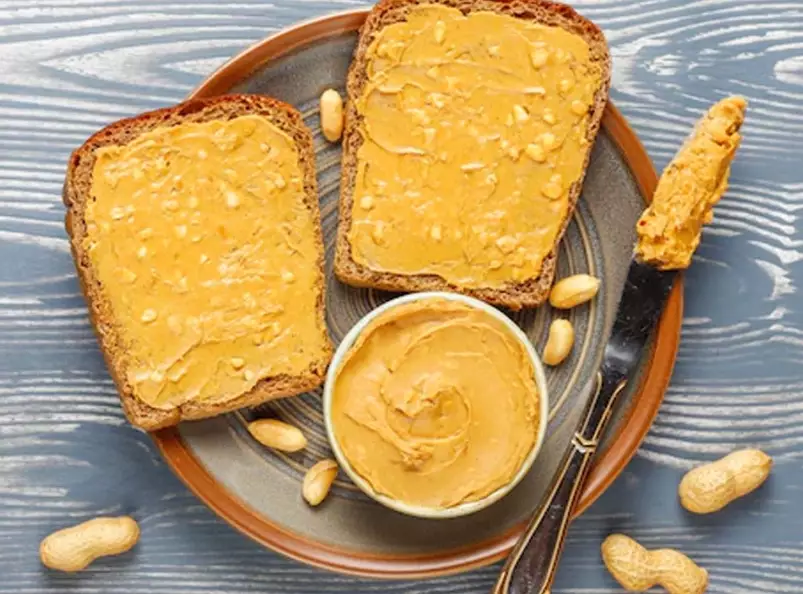
| Nutrient | Amount per 2 tbsp | Quick Note |
|---|---|---|
| Calories | ~190 kcal | Calorie-dense, so portion size is key. |
| Total Fat | 16g | The star of the show. Mostly the good kind. |
| - Saturated Fat | ~2.5g | A modest amount. |
| - Monounsaturated Fat | ~8g | The heart-healthy fat, similar to olive oil. |
| - Polyunsaturated Fat | ~4g | Includes essential omega-6 fatty acids. |
| Protein | 7-8g | Solid plant-based protein punch. |
| Total Carbohydrates | 6g | Relatively low. |
| - Dietary Fiber | 2-3g | Good for gut health and satiety. |
| - Sugars | 1-2g (natural) | In natural butter, this is just from the peanuts. |
| Key Micronutrients | See below | A surprising source of several vitamins and minerals. |
That fat content scares people. It shouldn't. Over 80% of the fat in peanuts is unsaturated—the kind linked to better heart health. The protein and fiber combo is what makes peanut butter so filling. You're not just eating empty calories.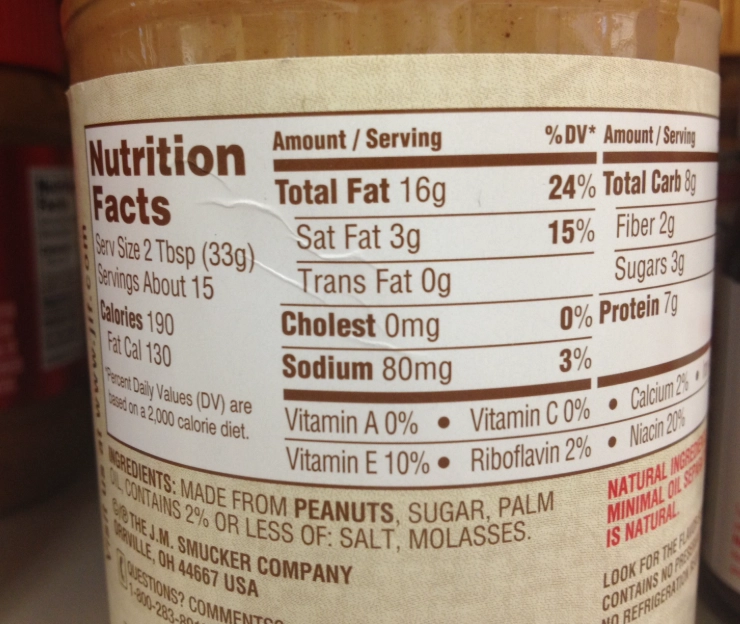
Vitamins and Minerals You Might Not Expect
This is where peanut butter sneaks in some extra value. That same serving provides a decent hit of:
Niacin (Vitamin B3): About 25% of your daily needs. Crucial for energy metabolism and skin health.
Vitamin E: A powerful antioxidant that protects your cells. You get about 15% of your daily intake.
Magnesium: Around 15%. Important for muscle function, nerve signaling, and bone health.
Phosphorus & Potassium: Both support bone health and fluid balance.
Resveratrol: Yes, the same antioxidant found in red wine, linked to anti-aging and heart benefits.
It's not a multivitamin, but it's far from nutritionally empty.
The Real Health Benefits of Peanut Butter
Knowing the numbers is one thing. Understanding what they do for your body is another. Based on studies from places like the Harvard T.H. Chan School of Public Health, here’s what consistent, moderate peanut butter consumption is linked to.
Weight Management Ally: This seems counterintuitive given the calories, but it's about satiety. The protein-fat-fiber trio slows digestion, keeping you full for hours. This can prevent overeating later. Research, including a study in the International Journal of Obesity, suggests people who regularly eat nuts tend to have healthier body weights.
Blood Sugar Stabilizer: The low net carbs and high healthy fat content mean peanut butter has a minimal impact on blood sugar. Adding a tablespoon to a carb-heavy meal (like toast or an apple) can blunt the glucose spike. This makes it a smart choice for those managing insulin sensitivity.
Muscle Repair Fuel: That 7-8 grams of protein isn't just for show. Paired with carbs after a workout, it helps kickstart muscle repair and recovery. It's a convenient, whole-food option.
The catch? These benefits are tied to natural peanut butter and appropriate portions. Eating half a jar of a sugar-loaded brand is a different story.
How to Choose the Best Peanut Butter: A Simple Guide
Walk down the aisle, and you're bombarded with choices: natural, no-stir, reduced fat, honey roasted. Here’s a quick, opinionated breakdown from someone who’s wasted money on bad jars.
1. The Gold Standard: Natural Peanut Butter
Ingredients: Peanuts. Salt. Maybe that's it. The oil separates on top—you have to stir it. This is the purest form. The nutrition label matches the table above. This is what the health studies are based on. Brands like Smucker's Natural or any store-brand version work.
2. The Convenience Compromise: "No-Stir" Natural
Ingredients: Peanuts, Salt, Palm Fruit Oil. A small amount of sustainable palm fruit oil is added to keep the oil from separating. The fat profile changes slightly, but it's still far better than the next category. Acceptable if you hate stirring.
3. The One to Avoid: Conventional/Sweetened Peanut Butter
Ingredients: Roasted Peanuts, Sugar, Hydrogenated Vegetable Oils (Cottonseed, Soybean, and Rapeseed), Salt.
Here’s the problem. The added hydrogenated oils contain trans fats (even if the label says "0g," loopholes allow small amounts). The added sugar can be 3-4 grams per serving. You're getting unnecessary additives that negate the health benefits. I used to eat this stuff. It tastes like dessert for a reason.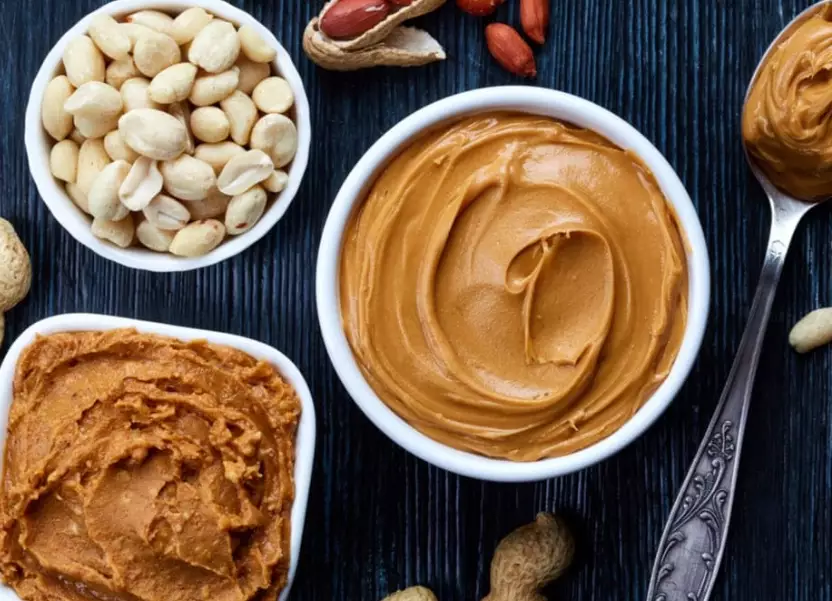
4. The Misleading Marketing: Reduced Fat Peanut Butter
Don't bother. To make up for the removed fat, they add more sugar and fillers like corn syrup solids. You end up with a similar calorie count but more carbs and less satiating fat. It's a processed food pretending to be healthy.
Your 10-Second Ingredient List Check
Flip the jar. The ingredient list should be short. Ideally, just peanuts. Peanuts and salt is fine. If you see "hydrogenated oils," "palm oil" (not sustainable palm *fruit* oil), or "corn syrup solids," put it back. If sugar is in the top three ingredients, it's a spread, not a nutrition-packed peanut butter.
Smart Ways to Eat Peanut Butter (Beyond the Spoon)
Okay, you've got a good jar. Now what? Here are concrete ways to use it that align with different goals.
For a Satiating Snack (The Volume Trick):
Don't just eat it from the spoon. Pair a measured tablespoon (not two!) with high-volume, low-calorie foods.
- Celery sticks (the classic for a reason).
- Apple or banana slices.
- Spread on rice cakes.
For a Balanced Breakfast:
- Swirl into plain Greek yogurt or oatmeal. Adds creaminess, fat, and protein to balance the carbs.
- On whole-grain toast with sliced banana and a sprinkle of cinnamon.
For Post-Workout Recovery:
- Blend into a smoothie with banana, spinach, and milk or protein powder.
- Have it on a whole-wheat bagel.
As a Savory Sauce Base:
- Thin it with warm water, lime juice, soy sauce, and a bit of chili garlic paste for a quick satay or noodle sauce. It's incredible.
The theme? Use it as a component of a meal, not the whole meal. That's how you leverage its nutrition without overdoing calories.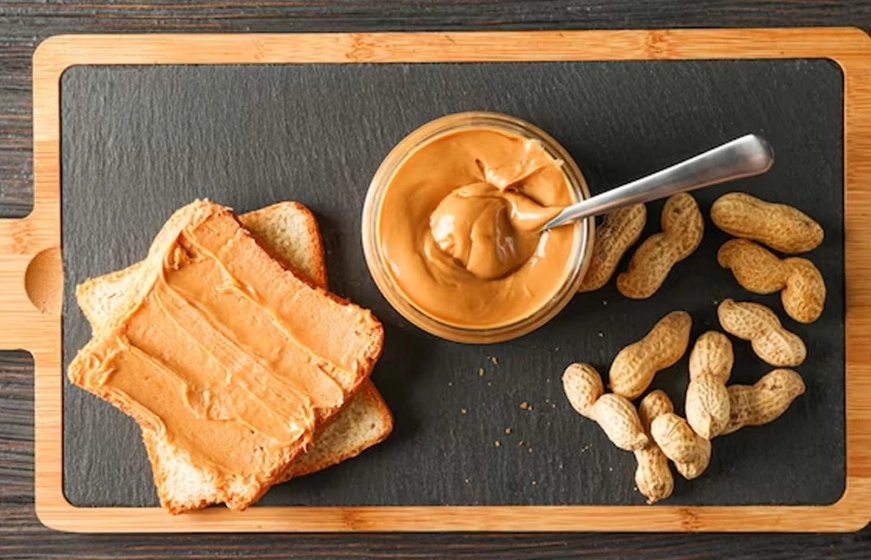
Your Peanut Butter Questions, Answered
Look, at the end of the day, peanut butter is food. Good food. It's not a magic bullet or a secret poison. Understanding its nutrition value—the impressive protein, the heart-smart fats, the sneaky micronutrients—lets you take control. You can choose a better jar. You can measure a sensible portion. You can make it a tool that supports your health instead of something you feel guilty about. Now, pass the spoon. The natural kind, please.
Reader Comments