You grabbed the jar, unscrewed the lid, and dipped your spoon in. It's a habit, a quick protein fix, or maybe just comfort food. Then the thought hits: how many calories did I just eat? Specifically, what's the damage in that one little teaspoon? The short, straightforward answer is about 31 to 33 calories for a level teaspoon (roughly 5 grams) of your standard supermarket peanut butter.
But if you stop there, you're missing the whole story. That number is a starting point, not a finish line. Whether you're meticulously tracking macros, trying to manage your weight, or just want to make smarter food choices, understanding what's behind that calorie count is what really matters.
What's Inside This Guide
- The Straight Answer: Calories in a Teaspoon
- Beyond the Teaspoon: Understanding Serving Sizes
- Brand Breakdown: Jif, Skippy, Natural & More
- It's Not Just About Calories: The Nutrition Profile
- How to Measure Peanut Butter Accurately
- Is Peanut Butter Good for Weight Loss?
- Your Peanut Butter Questions, Answered
The Straight Answer: Calories in a Teaspoon of Peanut Butter
Let's get specific. According to the USDA's FoodData Central database—the gold standard for nutritional information—a 5-gram serving of smooth peanut butter with salt provides 31.4 calories. In the real world, we call that a teaspoon.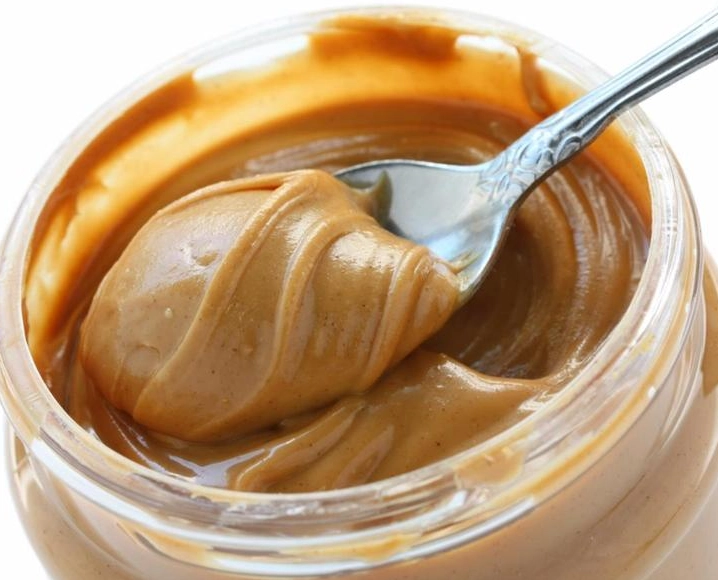
I've seen people round this to 30, others to 35. 31 or 33 is your bullseye for most major conventional brands. This is for a level teaspoon, scraped flat. Not heaped, not rounded. That distinction is where most casual estimates go wrong.
Beyond the Teaspoon: Understanding Serving Sizes
Nutrition labels don't usually talk about teaspoons. They use tablespoons (15g or 16g). This is where confusion multiplies.
One tablespoon is three teaspoons. So, if a teaspoon is ~31 calories, a tablespoon is ~93-100 calories. Most jars list a 2-tablespoon (32g) serving, which clocks in around 190-210 calories. Seeing it this way makes that innocent-looking teaspoon seem a lot more manageable, doesn't it?
| Serving Size | Approx. Weight | Approx. Calories (Standard PB) |
|---|---|---|
| 1 Level Teaspoon | 5 grams | 31-33 calories |
| 1 Heaped Teaspoon | 10+ grams | 62+ calories |
| 1 Level Tablespoon | 15-16 grams | 93-100 calories |
| Standard Label Serving (2 Tbsp) | 32 grams | 190-210 calories |
Brand Breakdown: Jif, Skippy, Natural & More
"Peanut butter" isn't one uniform product. The calorie count can wiggle a bit depending on what's in the jar. Let's look at some real-world examples from popular brands. Remember, these are per 5g (teaspoon) serving.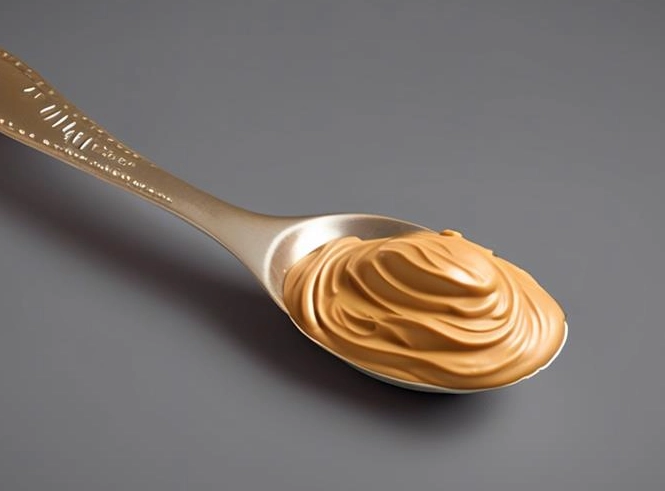
Conventional / Creamy Brands (with added sugars & oils):
- Jif Creamy: About 32 calories per tsp. It has a bit more sugar and hydrogenated oils for that signature spreadable texture.
- Skippy Creamy: Similar ballpark, around 31-32 calories per tsp.
The formula here prioritizes consistency and a slightly sweeter taste. The calorie difference between them is negligible.
"Natural" Peanut Butter (Peanuts + Salt only):
- Smucker's Natural Creamy: Clocks in right around 30 calories per tsp. The ingredient list is just peanuts and a touch of salt.
- Teddie All Natural: Again, roughly 30 calories per tsp.
Notice a pattern? The calories are often slightly lower—maybe by 2-3 calories per teaspoon. The bigger difference isn't the calorie count; it's what makes up those calories. No added sugars, and the fats are primarily the natural, healthier monounsaturated and polyunsaturated kinds from the peanuts themselves.
Powdered Peanut Butter (like PB2): This is a different beast. Most of the fat is pressed out. A 5g teaspoon of the powder (before reconstituting) has only about 20 calories. But you're also missing most of the healthy fat, which is a key part of peanut butter's satiety factor. It's a low-calorie option, but not a nutritionally equivalent swap.
It's Not Just About Calories: The Nutrition Profile
Focusing solely on the 31 calories is like judging a book by its word count. What matters is the quality of those calories. A teaspoon of peanut butter packs a surprising nutritional punch.
That 5-gram spoonful gives you:
- ~1.6g of Protein: Helps with muscle repair and keeps you feeling full.
- ~0.8g of Fiber: Aids digestion and further promotes satiety.
- ~2.5g of Fat: Predominantly heart-healthy monounsaturated and polyunsaturated fats.
- Key Vitamins & Minerals: Including Vitamin E, magnesium, potassium, and B vitamins like niacin.
The fat content is what scares people, but it shouldn't. This is the good stuff. It's what makes peanut butter a sustained energy source, not a sugar spike.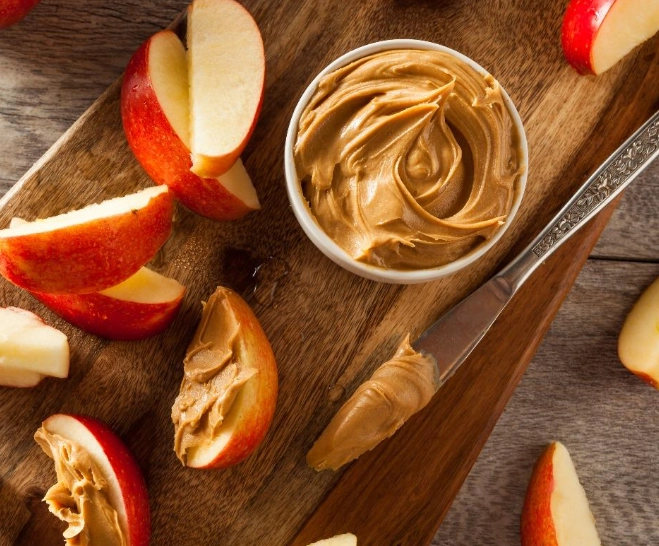
How to Measure Peanut Butter Accurately (The Right Way)
This is the most practical, under-discussed skill. If you care about the calorie count, you need to measure correctly. Here’s how, from least to most accurate:
1. The Measuring Spoon Method: Use an actual measuring spoon, not a piece of dinnerware. Spoon the peanut butter in and level it off with the back of a knife. This is decent for everyday use.
2. The Water Trick (for sticky situations): Spray your measuring spoon with a tiny bit of non-stick spray or dip it in water first. The peanut butter will slide right out, giving you a more accurate measure and less waste stuck to the spoon.
3. The Gold Standard: A Digital Kitchen Scale. This is the only way to be truly precise. Place your bowl or bread on the scale, hit "tare" to zero it out, then add peanut butter until it reads 5 grams. It’s foolproof. A heaped spoon might be 8g, a scant one 4g—the scale doesn't lie. If you're serious about tracking, this $20 tool is a game-changer.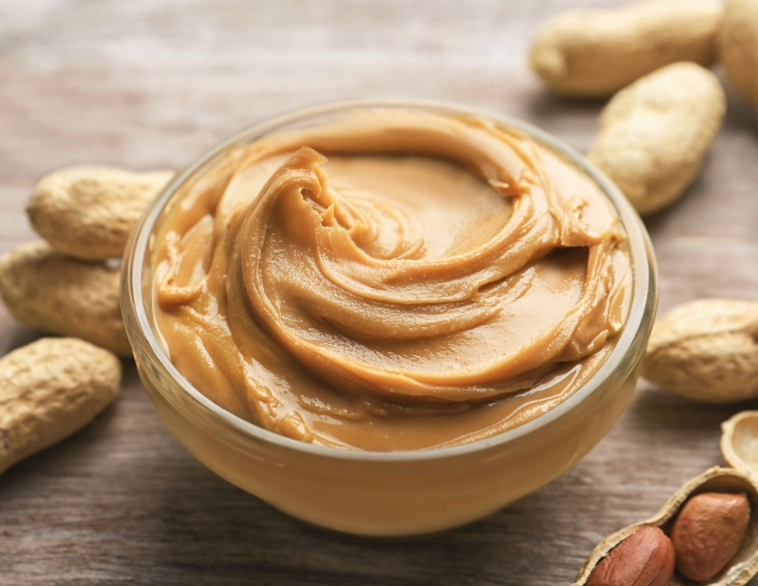
Is Peanut Butter Good for Weight Loss?
It can be a powerful ally, not an enemy. The problem isn't peanut butter; it's uncontrolled portion sizes.
Think of it as a flavor and nutrition booster, not the main event. Here’s how to use it smartly:
- Pair it with Volume: Spread a measured teaspoon on high-fiber crackers (like Ryvita) or a thick slice of apple. The bulk from the fruit or cracker fills you up; the peanut butter provides staying power.
- Boost Your Breakfast: Stir a teaspoon into plain Greek yogurt or oatmeal. It adds richness and fat-soluble vitamins that help you absorb other nutrients.
- The Pre-Portion Trick: If you love it by the spoonful, try this. When you open a new jar, immediately portion it into tiny containers or snack bags. One serving = one level tablespoon. It creates a natural stopping point.
I learned this the hard way. I used to just eat from the jar while working. A "few tastes" could easily turn into 300+ unaccounted calories. Now, I measure out my tablespoon into a small dish. It feels more intentional and satisfying.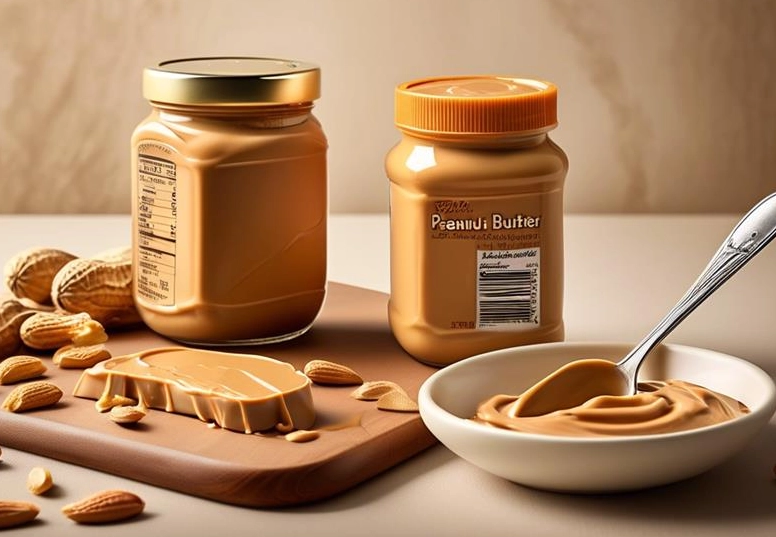
Your Peanut Butter Questions, Answered
So, there you have it. A teaspoon of peanut butter is about 31 calories, but it's so much more than a number. It's a source of good fats, protein, and flavor. Respect the portion, choose a product with ingredients you recognize, and use it to enhance other healthy foods. That's how you enjoy one of life's simple pleasures without a side of guilt.
Reader Comments