You grab that jar of natural peanut butter because it feels like the healthier choice. No weird oils, no added sugar—just peanuts. But what are you actually getting in that two-tablespoon serving? The nutrition facts panel tells part of the story, but the real magic (and a few pitfalls) lies in the details most people gloss over.
I've been a nutrition coach for over a decade, and I've seen the same mistake a hundred times. Someone swaps to natural peanut butter, sees it's high in fat, and gets scared. Or they don't realize how easy it is to overeat, turning a health food into a calorie bomb. Let's break it down, so you can use this kitchen staple to actually support your goals.
What's Inside This Jar? Your Quick Guide
The Core Numbers: What's in a Serving?
Let's get specific. According to the USDA FoodData Central, a standard 2-tablespoon (32-gram) serving of natural peanut butter made from just peanuts and salt looks like this:
| Nutrient | Amount per 2 tbsp | Daily Value %* |
|---|---|---|
| Calories | ~190-200 | 10% |
| Total Fat | 16g | 21% |
| - Saturated Fat | ~2.5g | 13% |
| - Monounsaturated Fat | ~8g | - |
| - Polyunsaturated Fat | ~4g | - |
| Protein | 8g | 16% |
| Total Carbohydrates | 6g | 2% |
| - Dietary Fiber | 2g | 7% |
| - Sugars | 1-2g (natural) | - |
*Based on a 2,000 calorie diet. Percentages are rough estimates.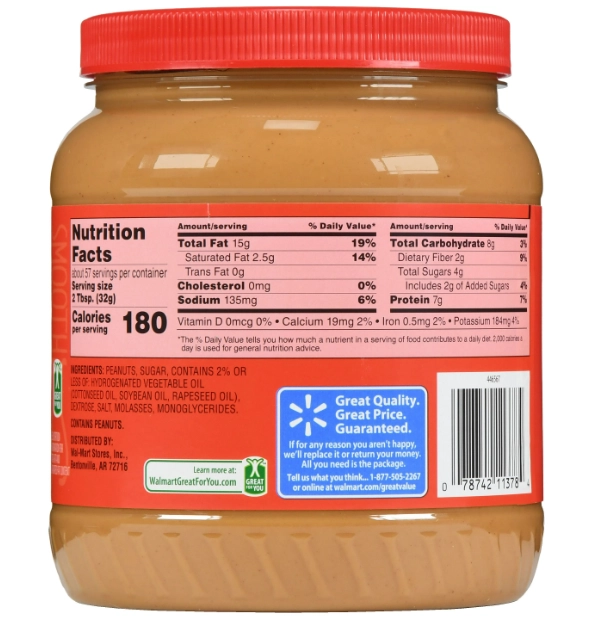
See that fat content? It's the first thing people notice. Sixteen grams looks huge on the label. But here's the non-consensus part: you shouldn't fear this fat. The fear comes from decades of bad nutrition advice. The saturated fat (about 2.5g) is from the peanut itself and is stable—it's not the same as the saturated fat in processed meats. The majority is heart-healthy mono- and polyunsaturated fats, the same types praised in olive oil and avocados.
I had a client who would meticulously scrape off the oil from the top, thinking she was "removing the fat." She was just removing the good monounsaturated oil and making the butter a dry, pasty mess. Don't do that.
It's Not Just Fat: The Protein & Fiber Punch
While the fat gets headlines, the 8 grams of protein and 2 grams of fiber are the unsung heroes. This combo is what makes natural peanut butter so satiating.
Compare it to a snack like pretzels. You can eat 200 calories of pretzels and be hungry again in an hour. But 200 calories of peanut butter on apple slices? That can keep you full for the entire afternoon. The protein provides the building blocks, and the fiber slows digestion, creating a steady energy release without a sugar crash.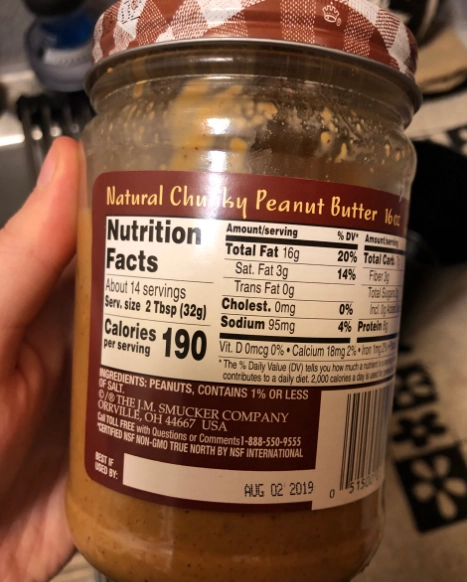
This is why it's a staple for athletes and anyone managing their weight. It's not low-calorie, but it's high in nutrient density—you get a lot of nutritional bang for your calorie buck.
The Vitamin & Mineral Boost You're Missing
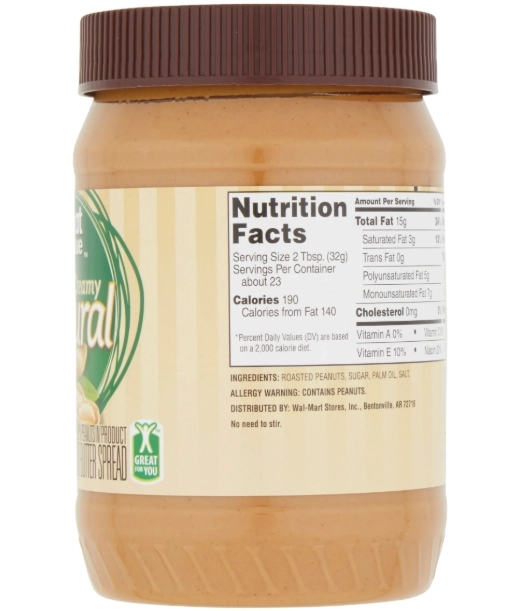
Flip the jar over. Beyond the macros, you'll find a list of micronutrients. Natural peanut butter is a surprisingly good source of:
- Vitamin E: A powerful antioxidant that protects your cells. One serving provides about 20% of your daily needs.
- Magnesium: Crucial for muscle function, nerve signaling, and bone health. You get about 15% per serving.
- Potassium: Helps regulate fluid balance and blood pressure. It often gets overlooked because bananas get all the credit.
- Niacin (B3): Important for energy metabolism and skin health.
It's not a multivitamin, but it's a solid contributor to your daily micronutrient intake, which is a key benefit of whole foods over processed options.
Choosing the Best Jar: An Ingredient Detective Guide
Here's where most people go wrong. They see "natural" on the label and assume it's healthy. Not always. You have to become an ingredient detective.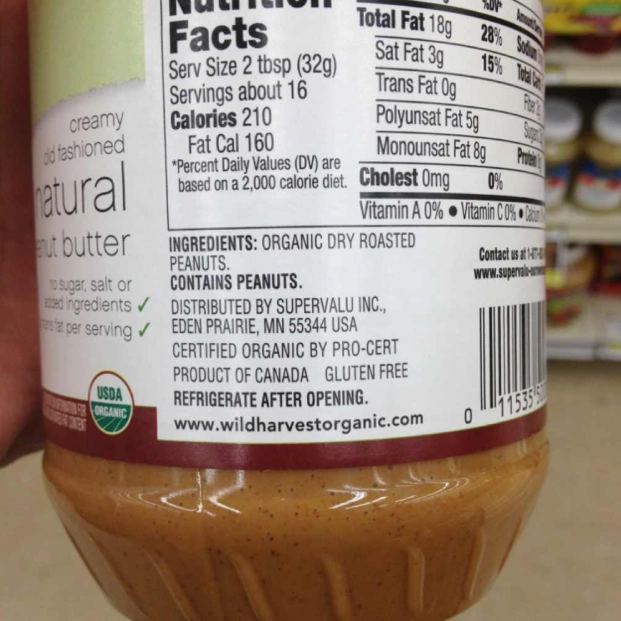
If you see "palm oil," "fully hydrogenated vegetable oils," or any form of sugar (cane sugar, molasses, honey), put it back. These are added to prevent oil separation and to make the texture unnaturally smooth and sweet. You're buying a dessert spread, not a nutrition-packed food.
My personal test? I look for the jars where the oil is visibly separated at the top. That's a good sign. It means they haven't added stabilizers. The stirring is a minor inconvenience for a major payoff in purity.
Common Myths Debunked
Myth 1: "The oil separation means it's gone bad or is low quality." False. Oil rising to the top is a natural physical process. It's proof of a lack of emulsifiers. Just stir it back in.
Myth 2: "Peanut butter causes weight gain." This is a classic case of blaming the food, not the portion. Yes, it's calorie-dense. No, that doesn't make it fattening. Weight management is about total calories. The satiety from peanut butter can help you eat less overall. The problem is mindlessly eating half a jar with a spoon.
Myth 3: "All the nutrition is the same between brands." Not even close. A major brand's "natural" version with palm oil and sugar has a completely different nutritional profile—higher in saturated fat and sugar, lower in the pure benefits—than a store-ground, peanuts-only option.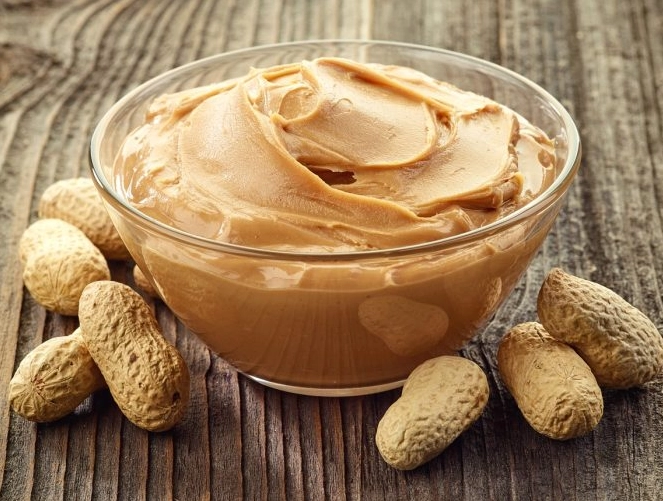
Using It Right: How to Make It Work for You
So how do you integrate this without overdoing it?
- Portion Control is Non-Negotiable: Use a measuring spoon. Two tablespoons is a standard serving. It looks smaller than you think. Pouring from the jar is a recipe for a 500-calorie snack.
- Pair for Power: Don't eat it alone. Pair it with a carbohydrate to balance the meal.
- Spread on whole-grain toast or rice cakes.
- Blend into a smoothie with banana and spinach.
- Use as a dip for apple slices, celery, or carrot sticks.
- Stir a spoonful into plain oatmeal with berries.
- Storage Tip: After the first stir, store the jar upside down in your cupboard. This helps redistribute the oils and makes the next stir much easier. Refrigeration makes it hard and dry; keep it in a cool pantry.
Your Questions, Answered
Reader Comments