Quick Guide to Peanut Butter Ingredients
- The Core Cast: What *Should* Be in Peanut Butter
- The Additives: The Good, The Bad, and The Unnecessary
- Breaking It Down: A Side-by-Side Look
- Health Implications: It's Not Just About Calories
- How to Be a Smart Shopper: Your Label-Reading Checklist
- Common Questions About Peanut Butter Ingredients (Answered)
Ever stared at a jar of peanut butter and wondered what exactly you're spreading on your toast? I know I have. It seems simple, right? Peanuts. Maybe a bit of salt. But then you turn the jar around and the ingredient list reads like a chemistry experiment. It's enough to make you put the jar back on the shelf.
Let's cut through the marketing and talk about what's really in there. The truth about peanut butter ingredients isn't some big secret, but it's often hidden in plain sight on that tiny nutrition label. Some brands keep it beautifully simple. Others... well, let's just say they get creative. And that creativity isn't always in your best interest.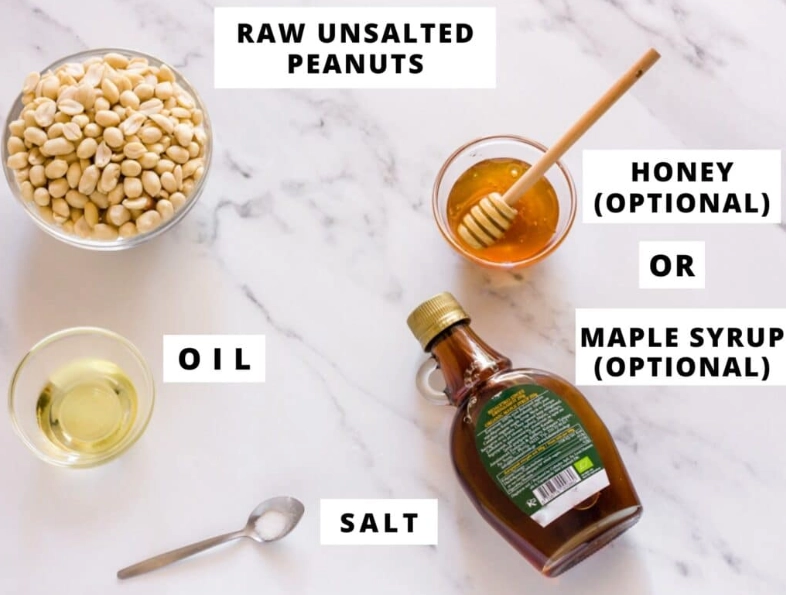
The Core Cast: What *Should* Be in Peanut Butter
At its heart, peanut butter is a humble food. Traditional methods involve roasting peanuts and grinding them until they release their oils and form a paste. So, what are the fundamental peanut butter ingredients you can expect in a pure product?
The Non-Negotiables: Peanuts
This one's obvious, but it's worth digging into. Not all peanuts are equal. Most commercial peanut butters use runner-type peanuts, known for their uniform size and good flavor profile. The quality of the peanut is the single biggest factor in the final taste. Period.
The peanuts are typically dry-roasted. This process develops the rich, nutty flavor we love and also helps remove the reddish-brown peanut skin. Some "natural" brands might use peanuts roasted with a tiny amount of peanut oil, but dry roasting is the standard. The roasting temperature and time are closely guarded secrets for big brands—it’s what gives their product a consistent taste.
And here's a thing most people don't think about: the peanut content. In a jar that just contains peanuts and salt, peanuts make up about 98-99% of the product. In others, that percentage can drop significantly once you start adding oils, sweeteners, and stabilizers.
The Supporting Actor: Salt
A pinch of salt. It's not just for taste, though it absolutely enhances the natural peanut flavor. Salt also acts as a natural preservative to a very minor degree. Most brands use finely ground salt so it disperses evenly. You'll find "no salt added" varieties, which are great for people on strict sodium-restricted diets, but honestly, they taste a bit flat to me. The salt content is usually minimal—think 90-120mg of sodium per serving. It's the other additives that are the real concern.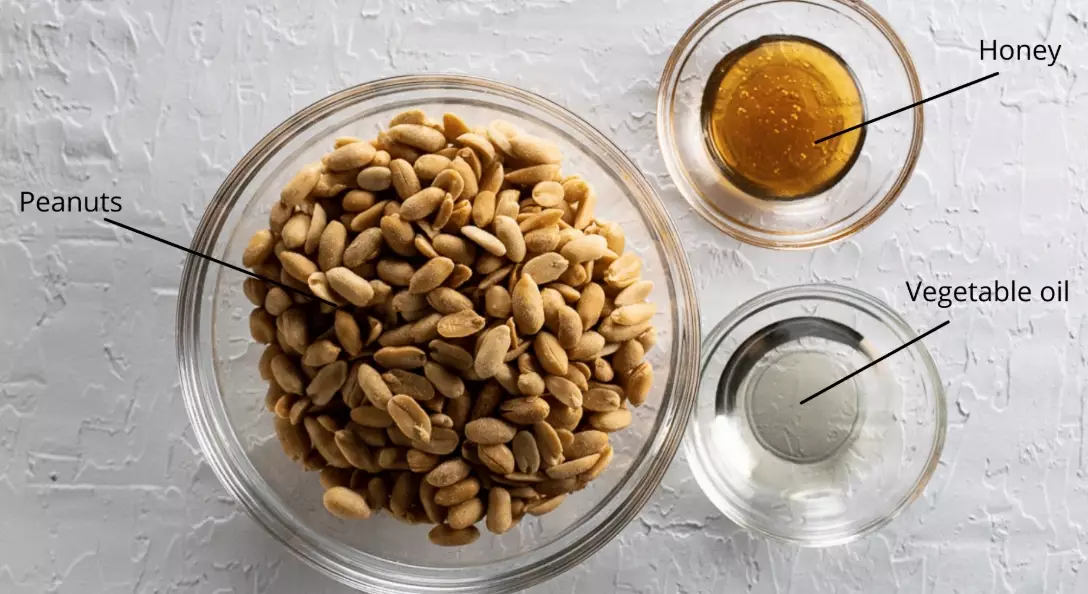
The Additives: The Good, The Bad, and The Unnecessary
This is where the world of peanut butter ingredients gets murky. Food manufacturers add things for three main reasons: to improve texture, to extend shelf life, and to cut costs. Sometimes these additions are harmless. Other times, they're a nutritional compromise.
Sugars and Sweeteners
Why does peanut butter need added sugar? It doesn't. Peanuts have a naturally subtle sweetness. But a lot of people, especially kids, are hooked on the sweet taste. So brands add it.
- Granulated Sugar/Cane Sugar: The most common. It just makes it sweeter.
- Corn Syrup Solids or High Fructose Corn Syrup: A cheaper sweetener that also helps retain moisture. This is a major red flag for me.
- Molasses or Honey: Sometimes used in "natural" brands for a specific flavor profile (like honey roasted). It's still added sugar, even if it sounds more wholesome.
The American Heart Association recommends limiting added sugars. A serving of some popular sugary spreads can have 3-4 grams of added sugar. That might not sound like much, but it adds up if you eat it daily.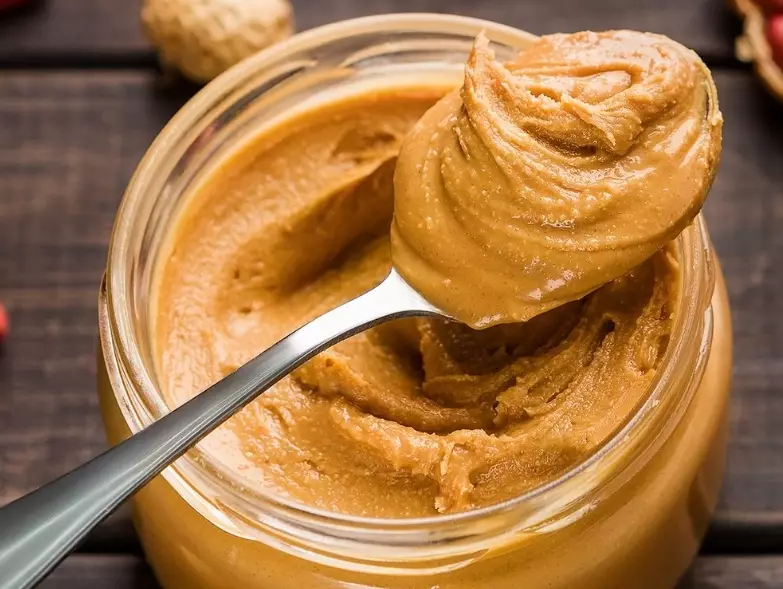
Oils and Fats (Beyond Peanut Oil)
This is the big one. Peanuts naturally contain oil. When you grind them, this oil is released. In a natural peanut butter, this oil will separate and rise to the top. You have to stir it in. Some companies hate this. They think consumers hate it. So they add other oils to prevent separation.
The most infamous culprit? Partially Hydrogenated Oils. These were the source of artificial trans fats, which are notoriously bad for heart health. Due to FDA regulations, most major brands have removed them. But read the labels on cheaper store brands or some conventional products—you might still see "hydrogenated" or "partially hydrogenated" vegetable oil (cottonseed, soybean, rapeseed). Avoid these.
The current common replacement is Palm Oil. It's a semi-solid fat at room temperature, so it stabilizes the butter, preventing oil separation and giving it a creamy, spreadable texture straight from the fridge. The problem? Its cultivation is a massive driver of deforestation, threatening habitats like those of orangutans. Ethically, it's a nightmare. Nutritionally, it's a saturated fat. If you're buying peanut butter for health, adding palm oil for convenience seems counterintuitive, doesn't it?
Emulsifiers and Stabilizers
These are the chemicals that keep everything in suspension. The most common one you'll see is Mono- and Diglycerides. They're derived from plant or animal fats and help bind the oil and solids together, preventing separation. They're generally recognized as safe (GRAS) by the FDA, but they're another sign of a highly processed food. If your peanut butter ingredients include these, you're not eating a whole food product anymore.
Breaking It Down: A Side-by-Side Look
Let's make this visual. Here’s a table comparing what you might find in different types of spreads, based on common labels. This isn't about specific brands, but about formulations.
| Type of Peanut Butter | Typical Ingredients List | Why They're There | The Trade-Off |
|---|---|---|---|
| "Natural" (Stir-Preferred) | Peanuts, Salt. | Pure and simple. Nothing extra. | Oil separates. Must be stirred. Texture can be grainier. |
| "Natural No-Stir" | Peanuts, Palm Oil, Salt. | Palm oil stabilizes to prevent separation. | Added saturated fat. Major environmental concerns with palm oil sourcing. |
| Conventional Creamy | Roasted Peanuts, Sugar, Hydrogenated Vegetable Oils (Cottonseed, Soybean, and/or Rapeseed Oil), Salt, Mono- and Diglycerides. | Sweet taste, never separates, super smooth & creamy texture, long shelf life, lower cost. | Added sugars, unhealthy fats, highly processed, artificial stabilizers. Far from a whole food. |
| "Powdered" or Peanut Butter Powder | Peanuts, Sugar, Salt, Peanut Oil (often removed and added back). | Lower fat/calorie option. Reconstitutes with water. | Often has added sugar/salt. Removes the healthy natural peanut oil. |
See the pattern? The more convenient and shelf-stable the product, the longer and more complicated the list of peanut butter ingredients tends to be.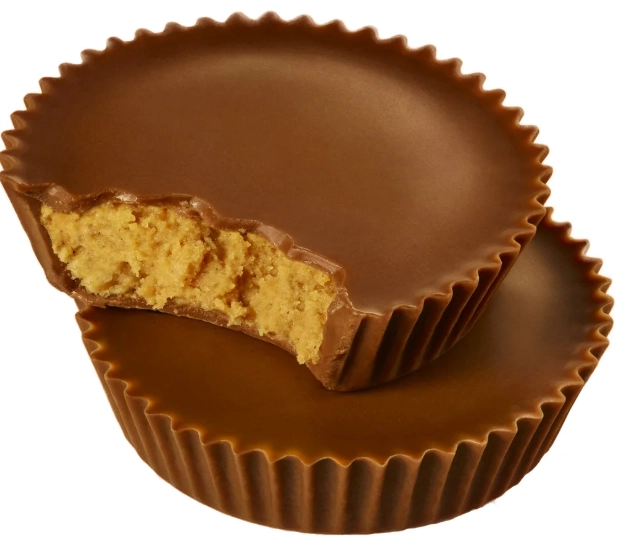
Health Implications: It's Not Just About Calories
When you choose a peanut butter, you're not just choosing a snack. You're choosing a package of nutrients—or anti-nutrients.
Pure peanut butter is a fantastic source of healthy monounsaturated and polyunsaturated fats, plant-based protein, fiber, vitamins like Vitamin E and B6, and minerals like magnesium and potassium. The USDA FoodData Central database shows a 2-tablespoon serving of peanut butter made from just peanuts provides about 7g of protein and 2g of fiber.
But start adding hydrogenated or palm oils, and you're tipping the balance toward more saturated fat. Add significant sugar, and you're spiking the carbohydrate content for no nutritional benefit. You're essentially diluting the good stuff.
I'm not a doctor, but common sense tells me that eating food closer to its natural state is better. The constant stirring of natural peanut butter? A small price to pay for knowing exactly what's in it.
How to Be a Smart Shopper: Your Label-Reading Checklist
Don't be fooled by the front of the jar. "Natural," "Healthy," "Simple" are marketing terms. The truth is on the back. Here’s my practical guide:
- Look at the Order: Ingredients are listed by weight. The first ingredient should be "Peanuts." If it's sugar or some other oil, put it back.
- Count the Items: Aim for 3 ingredients or fewer. Peanuts. Salt. Maybe an acceptable oil (some argue for a touch of sustainably sourced palm fruit oil, but I avoid it).
- Scan for Red Flags: Your eyes should dart to the words "Hydrogenated," "High Fructose Corn Syrup," and "Mono- and Diglycerides." See them? Probably not the best choice.
- Check the Sugar: Under "Total Sugars," look at "Includes Xg Added Sugars." In a perfect world, this should be 0g. 1-2g might be from a dash of honey in a flavored variety, but more than that is a dessert spread.
- Feel the Jar: This sounds silly, but if it's a natural one, you can sometimes feel the thick paste at the bottom and the loose oil at the top before you stir. That's a good sign!
Honestly, the best peanut butter ingredients list I've ever seen was on a jar from a local health food store's grinder. It said: "Ingredients: Freshly Roasted Valencia Peanuts." That was it. One ingredient. The taste was incredible—deeply roasty and complex. It spoiled me for anything else.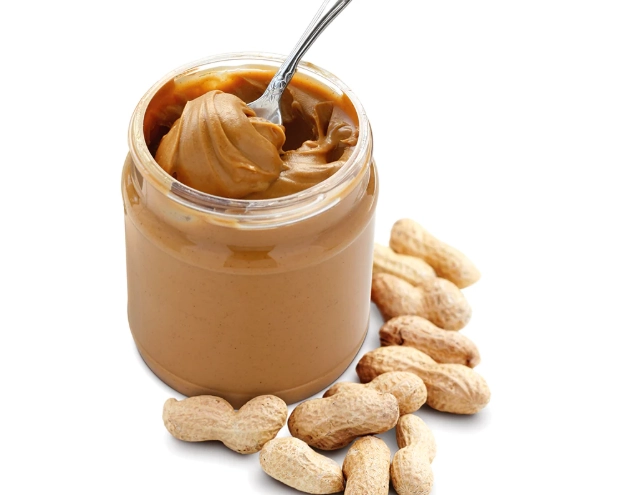
Common Questions About Peanut Butter Ingredients (Answered)
Is the oil separation in natural peanut butter bad?
No! It's completely natural and a sign that nothing has been added to alter the peanut's natural composition. The peanut oil simply rises to the top. Just stir it back in with a strong knife or spoon. It might take a minute of elbow grease the first time. If you hate stirring, store it in the fridge after the first mix—it slows down separation dramatically.
What's the deal with "peanut butter" vs. "peanut spread"?
The FDA has a Standard of Identity for peanut butter. For a product to be labeled "peanut butter," it must be at least 90% peanuts. The other 10% can be seasonings, stabilizers, sweeteners. If it contains less than 90% peanuts, it must be called "peanut spread." Most major brands sit right at that 90% line. Natural brands are well above it. So "peanut spread" is a legal warning that there's more filler than usual.
Are "natural" and "organic" peanut butter ingredients the same?
Great question. No, they are different labels.
- Natural: An unregulated term, but generally implies no hydrogenated oils or artificial ingredients. It can still have added sugar, palm oil, and salt.
- Organic (USDA Certified): This certifies that the peanuts (and any other ingredients) were grown and processed without synthetic pesticides, fertilizers, or GMOs. An organic peanut butter can still have added organic sugar or organic palm oil. So "organic" doesn't automatically mean "simple." You still need to read the list.
The holy grail is a product that is both organic AND has a simple ingredient list.
What about peanut butter for bodybuilding or keto diets?
For bodybuilders watching macros, the pure stuff is best—max protein, healthy fats, minimal carbs from sugar. For keto, the same rule applies: avoid added sugars at all costs. The carbs should come only from the peanuts themselves (which are relatively low in net carbs). The wrong peanut butter ingredients, like 4g of added sugar per serving, can knock someone out of ketosis. Always, always check the label.
My Personal Take and Final Thoughts
Look, I'm not here to tell you that the classic, sugary, stabilizer-laden peanut butter is poison. If that's what you grew up with and love on a PB&J once in a while, that's fine. Life is about balance.
But if you're eating peanut butter regularly as a health food, a protein source, or a staple in your pantry, you're doing yourself a disservice by not paying attention to the peanut butter ingredients. You're paying for peanuts, but you're getting a significant portion of cheap oils and sugar.
The shift to a natural peanut butter with a clean ingredient list can be a taste adjustment. It's less sweet, the texture is different, and yes, you have to stir it. But after a week or two, your taste buds adjust. You start to taste the actual peanut. The rich, earthy, slightly sweet flavor of the nut itself. The other stuff starts to taste fake and overly sweet in comparison.
It's one of the easiest healthy swaps you can make.
So next time you're shopping, take that extra 30 seconds. Turn the jar. Read. Choose the one with the shortest, most recognizable list. Your body will know the difference, even if it takes your tongue a little while to catch up. At the end of the day, knowing exactly what's in your food—right down to the simple, honest peanut butter ingredients—is a powerful thing.
Reader Comments