Let's talk about peanut butter fudge. The kind that's so creamy it melts on your tongue, with a rich peanut flavor that doesn't quit. I've made a lot of fudge in my time, and I've ruined my fair share too. The grainy batches, the rock-hard slabs, the ones that never set... it's frustrating. Then I found the marshmallow fluff method. It changed everything. This isn't just another recipe; it's the one that actually works, every single time, without needing a candy thermometer. If you've been nervous about making fudge, start here.
What's Inside This Guide
What Makes This Peanut Butter Fudge So Good?
Most traditional peanut butter fudge recipes rely on cooking sugar syrup to the soft-ball stage (around 235°F). Get the temperature wrong by a few degrees, and the texture is off. The marshmallow fluff method is a brilliant shortcut. The fluff (which is essentially sweetened egg white foam) acts as a stabilizer and provides that iconic, smooth, melt-in-your-mouth texture without the precision temperature taking. It's forgiving.
The result? A fudge that's intensely peanut buttery, incredibly smooth, and has just the right amount of sweetness. It's not cloying. It's the kind of treat you can cut into small squares because the flavor is so satisfying. It's perfect for holiday plates, bake sales, or just because it's Tuesday.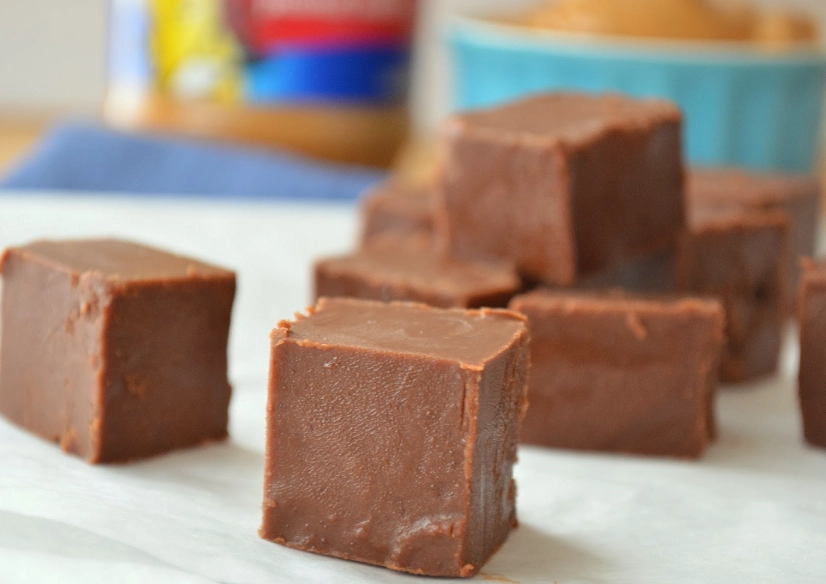
Ingredients You Need (And Why They Matter)
This isn't the place to experiment with fancy ingredients. Stick to the basics for guaranteed success.
- Granulated Sugar: The foundation. Don't substitute with brown sugar here; it adds moisture and can affect setting.
- Evaporated Milk (not sweetened condensed milk): This is crucial. Evaporated milk has less water content than regular milk, leading to a faster, more stable boil without scorching. Sweetened condensed milk will make it overly sweet and soft.
- Unsalted Butter: Controls the saltiness and adds richness. If you only have salted, just omit the added salt later.
- Marshmallow Fluff (or Creme): The magic ingredient. It provides structure and that classic, airy fudge texture. A 7-ounce jar is standard.
- Creamy Peanut Butter: Use a standard brand like Jif or Skippy. Do not use natural peanut butter where the oil separates. The added stabilizers in commercial brands help create a smooth, homogenous fudge that sets perfectly.
- Pure Vanilla Extract & A Pinch of Salt: These heighten all the other flavors. Vanilla rounds out the sweetness, and salt makes the peanut flavor pop.
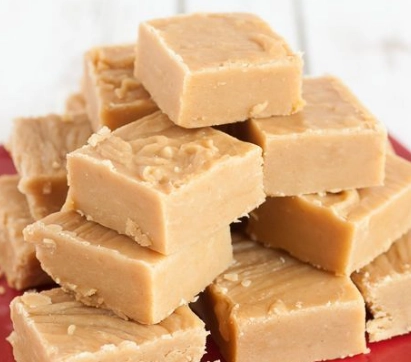
Pro Tip from a Fudge Flop: I once tried to be "healthy" and used an all-natural peanut butter. The result was a greasy, separated mess that never fully set. The lesson? Save the natural stuff for your toast. For fudge, trust the processed stuff.
How to Make Peanut Butter Fudge with Fluff: Step-by-Step
Here’s the process, broken down so you know exactly what to expect.
1. Prep Your Pan
Line an 8x8 inch baking pan with aluminum foil or parchment paper, leaving an overhang on two sides. This makes lifting the whole slab out effortless. Lightly grease it with butter or non-stick spray. Don't skip this.
2. The Stovetop Cook (The Only "Cooking" Part)
In a medium, heavy-bottomed saucepan (this distributes heat evenly and prevents burning), combine the sugar, evaporated milk, and butter. Turn the heat to medium. Here's the critical part: stir it constantly until the mixture comes to a full, rolling boil. Once it's boiling vigorously all over the surface, set a timer for 1 minute. Keep stirring during this minute. When the timer goes off, immediately remove the pot from the heat.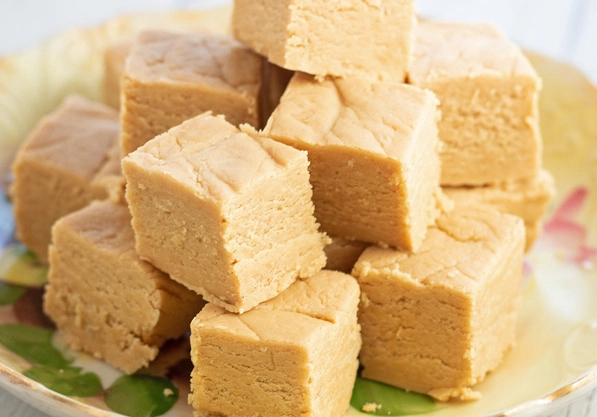
3. The Big Mix
Working quickly, add the marshmallow fluff, peanut butter, vanilla, and salt to the hot mixture. Stir vigorously with a sturdy spoon or a rubber spatula until everything is completely melted, smooth, and well combined. You'll see it transform into a gorgeous, glossy, thick mixture. This takes a minute or two of good stirring. Don't under-mix, but also don't beat it for 5 minutes—just until smooth.
4. Set and Forget
Immediately pour the fudge into your prepared pan. Spread it into an even layer. Let it cool at room temperature for about 2 hours, then cover it and transfer it to the refrigerator for at least 4 hours, or preferably overnight, to fully set. This patience is key for clean cuts.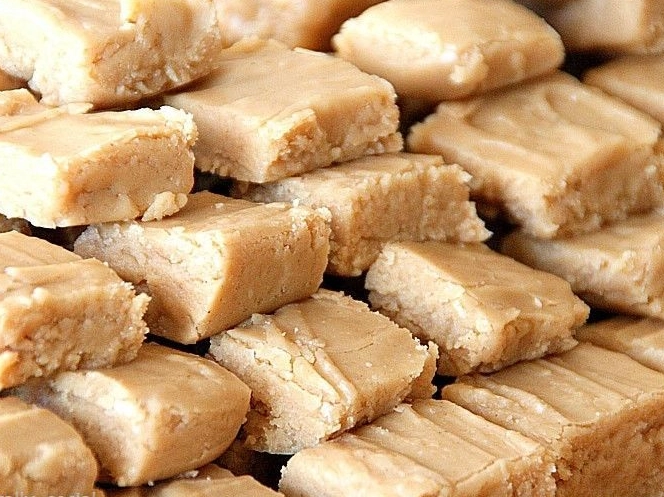
Why This Recipe Works (And Others Fail)
This method bypasses the two biggest hurdles in traditional fudge-making: precise temperature and excessive crystallization.
The one-minute boil after reaching a rolling boil is a reliable, visual cue that enough water has evaporated from the milk and sugar solution. You're essentially creating a simple syrup without needing a thermometer. The marshmallow fluff then intervenes. According to food science resources like those from The Exploratorium's cooking section, foams like fluff can interfere with sugar crystal formation, promoting the small, fine crystals that give fudge its smooth mouthfeel, rather than the large, gritty ones.
The common failure points in other recipes are solved here:
| Common Problem | How This Recipe Avoids It |
|---|---|
| Grainy Texture | Fluff inhibits large sugar crystals. Constant stirring during the initial boil prevents sugar from crystallizing on the pan's sides. |
| Too Hard or Too Soft | No thermometer needed. The 1-minute boil + fluff ratio is calibrated for perfect set. |
| Fudge Won't Set | Using evaporated milk (less water) and the full chilling time ensures a firm set. |
| Burnt Bottom | Heavy-bottomed pan and constant stirring. |
Easy Variations, Storage, and Gifting Tips
Once you've mastered the base, you can play.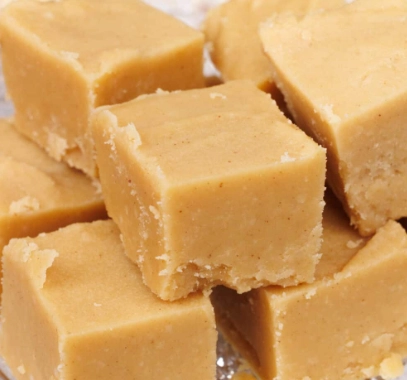
Mix-Ins: After combining everything, stir in 1/2 cup of: chocolate chips, chopped Reese's cups, crushed pretzels (for salty-sweet!), or roasted peanuts for a crunchy version.
Swirled Fudge: Pour half the fudge into the pan. Melt 1 cup of chocolate chips with a tablespoon of butter, then drizzle it over the fudge in the pan. Pour the remaining fudge on top and swirl gently with a knife.
Storage: This fudge keeps wonderfully. Once set and cut, layer squares between parchment paper in an airtight container. At cool room temp: 1 week. In the fridge: 2-3 weeks. You can freeze it for up to 3 months. Thaw in the fridge overnight.
For Gifting: Use small cardboard candy boxes or clear cellophane bags. Tie with a ribbon and a tag. It's a homemade gift that always impresses.
A Quick Note on Food Safety: Because this recipe uses a dairy product (evaporated milk) that is only boiled briefly, it's best to store the fudge refrigerated if you're keeping it for more than a few days, or if your kitchen is warm. The USDA recommends refrigerating dairy-based sweets for safety.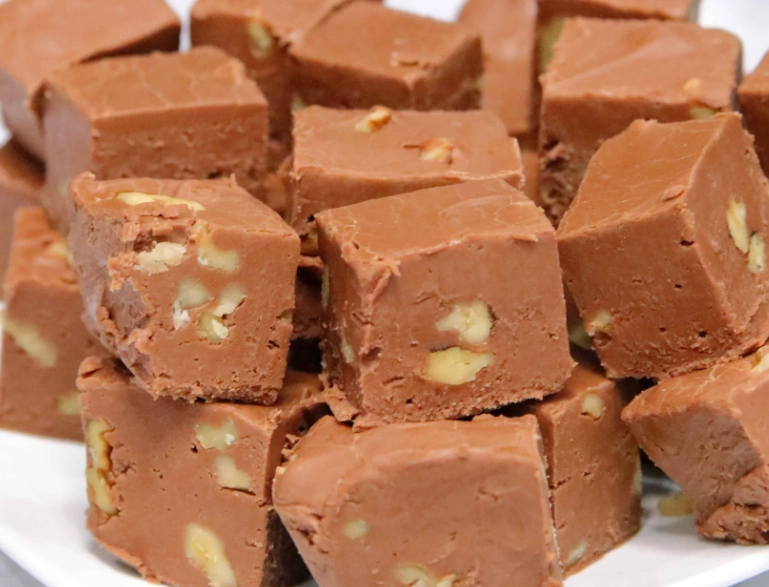
Your Peanut Butter Fudge Questions, Answered
Can I make this peanut butter fudge without a candy thermometer?
That's the whole point of this recipe. The method is designed to be foolproof without one. The visual cue of a full, rolling boil followed by exactly one minute of boiling is your guide. The marshmallow fluff provides the structural backup you'd normally get from hitting the perfect temperature.
Why did my peanut butter fudge turn out grainy or sugary?
Nine times out of ten, it's because the sugar didn't dissolve completely at the beginning. You must stir the sugar, milk, and butter mix constantly as it heats up to a boil. If sugar crystals stick to the side of the pan, they can seed the whole batch with crystals. Use a wet pastry brush to wash down the sides of the pan just as it starts to simmer. Also, avoid over-stirring once you've added the peanut butter—just mix to combine.
How long does this fluff-based peanut butter fudge last, and how should I store it?
It's a great keeper. In an airtight container at cool room temperature, it's good for about a week. For any longer, I refrigerate it. Chilled fudge can last 2-3 weeks easily. Let a refrigerated piece sit out for 10-15 minutes before eating to let the creaminess come back. It freezes perfectly for up to 3 months.
Can I use natural or crunchy peanut butter for this recipe?
I strongly recommend against natural peanut butter (the kind with oil separation). The added oils can prevent proper setting and make the fudge greasy. Use a standard, commercially processed creamy peanut butter like Jif or Skippy for guaranteed results. For crunchy fudge, you can stir in 1/2 cup of chopped peanuts *after* mixing in the peanut butter and vanilla, just before pouring.
So there you have it. The peanut butter fudge recipe that actually works. It's not fussy, it doesn't require special tools, and it delivers that nostalgic, perfect fudge every time. Give it a try this weekend. Your friends and family will ask you for the recipe, and you can just send them here.
Reader Comments