In This Guide
- The Core Peanut Butter Nutrition Facts: Breaking Down a Standard Serving
- Micronutrients: The Hidden Gems in Your Jar
- Natural vs. Processed: A Nutritional Night and Day Difference
- Health Benefits: What Science Actually Says
- Potential Downsides and Things to Watch For
- How to Choose the Healthiest Peanut Butter: A Quick Checklist
- Common Questions (Stuff People Really Want to Know)
- Final Thoughts: It's a Health Food, With an Asterisk
Let's be honest, most of us just grab the jar, maybe glance at the label, and dig in. That creamy (or crunchy) goodness is hard to resist. But have you ever really stopped to look at the peanut butter nutrition facts on the back? I mean, really looked? I remember doing that a few years ago when I was trying to clean up my diet, and let me tell you, I was in for a surprise. The differences between brands were staggering. Some were basically just peanuts and salt, while others read like a candy bar ingredient list.
That's what got me digging deeper. If you're here, you're probably doing the same thing. You want to know what you're actually eating. Is it healthy? Is it just fattening? Can it help you lose weight, or will it make you gain it? The answers aren't as simple as a yes or no. It all comes down to understanding those peanut butter nutrition facts labels.
This isn't about scaring you away from your favorite snack. Far from it. I still eat peanut butter almost every day. But I'm a lot pickier about which jar I buy now. This guide is my attempt to unpack everything, from the basic macros to the tiny vitamins, and figure out what makes a truly healthy peanut butter. We'll cut through the marketing hype and get to the, well, nuts and bolts of it.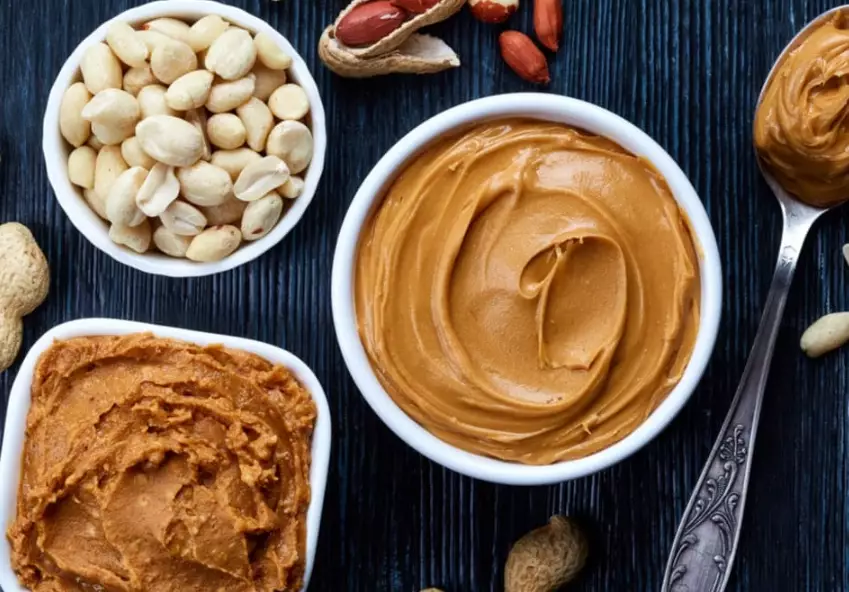
Bottom Line Up Front: Natural peanut butter (just peanuts, maybe salt) is a nutrient-dense food packed with healthy fats, plant-based protein, fiber, and essential vitamins. The heavily processed versions with added sugars and hydrogenated oils? Not so much. The devil is in the details of the nutrition label.
The Core Peanut Butter Nutrition Facts: Breaking Down a Standard Serving
Alright, let's start with the basics. What are we actually looking at on the label? The standard serving size for peanut butter is 2 tablespoons (about 32 grams). That's a decent spoonful, but let's be real, it's easy to double that without thinking if you're spreading it on toast or just going in with a spoon (no judgment here).
So, what's in those two tablespoons? Let's look at a typical profile for a natural, no-stir kind of peanut butter. I pulled this data from the USDA's FoodData Central, which is the gold standard for this stuff. It's where all the other databases get their info, so it's as authoritative as it gets.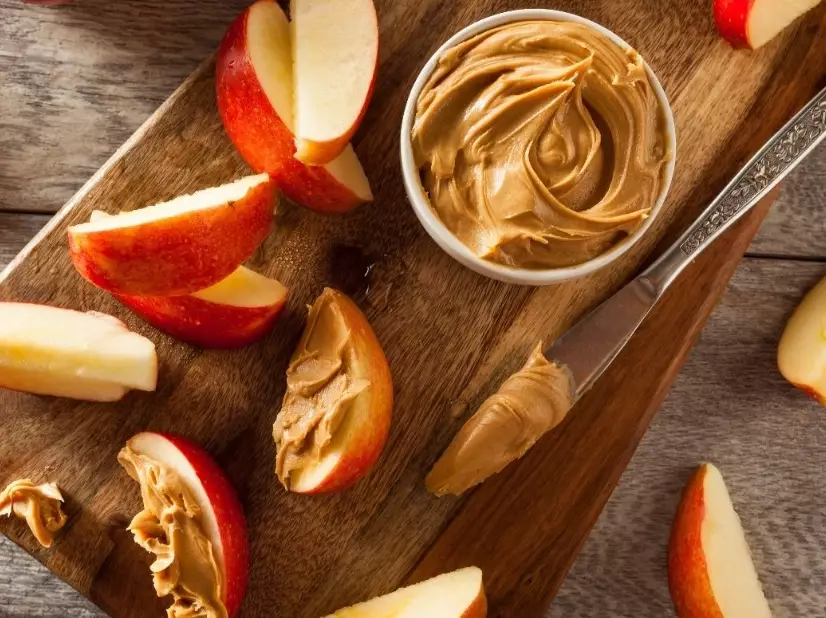
| Nutrient | Amount per 2 tbsp (32g) | % Daily Value* |
|---|---|---|
| Calories | ~190-200 kcal | 10% |
| Total Fat | 16g | 21% |
| - Saturated Fat | 2.5g | 13% |
| - Monounsaturated Fat | 8g | – |
| - Polyunsaturated Fat | 4g | – |
| Total Carbohydrates | 7g | 3% |
| - Dietary Fiber | 3g | 11% |
| - Sugars | 2g (naturally occurring) | 4% |
| Protein | 8g | 16% |
| Sodium | ~5mg (without added salt) |
*Percent Daily Values are based on a 2,000 calorie diet. Your needs may vary.
Right away, a couple of things jump out. First, it's calorie-dense. Those 200 calories come mostly from fat. But before you panic, look at the type of fat. The majority is monounsaturated and polyunsaturated fat—the kinds that are actually good for your heart. The saturated fat content is relatively low and comes from the natural peanut itself.
Second, check out that protein and fiber combo. Eight grams of plant-based protein and three grams of fiber in a single serving is a pretty powerful one-two punch for satiety. It's what makes peanut butter so filling and helps keep hunger pangs at bay for hours. That's a key point a lot of people miss when they just see the fat and calorie numbers.
Macronutrients: The Big Three (Fat, Carbs, Protein)
Let's talk about each of these macros in a bit more detail, because they tell the real story.
The Fat Profile: Why It's Mostly Good News
About 70-80% of the calories in peanut butter come from fat. This is the single biggest reason people get scared of it. But we need to move past the old "fat makes you fat" myth. The fat in quality peanut butter is primarily heart-healthy.
- Monounsaturated Fats (MUFAs): This is the star of the show, making up about half the total fat. The same type of fat found in olive oil and avocados. Research consistently links MUFAs to improved heart health, better insulin sensitivity, and reduced inflammation. The American Heart Association recommends replacing saturated fats with MUFAs and PUFAs for cardiovascular benefits.
- Polyunsaturated Fats (PUFAs): These include omega-6 fatty acids (linoleic acid). Peanuts are a significant source. While we need a balance of omega-6 and omega-3, the modern diet is often too high in omega-6. It's not a deal-breaker, but it's a good reminder to also eat omega-3 rich foods like fish, flax, and walnuts.
- Saturated Fat: It's there, but in a modest amount. About 10-15% of the total fat. For context, that's much lower than animal fats or tropical oils like coconut oil.
The takeaway? The fat in peanut butter is largely beneficial. It's not something to fear if it fits within your overall daily fat intake goals.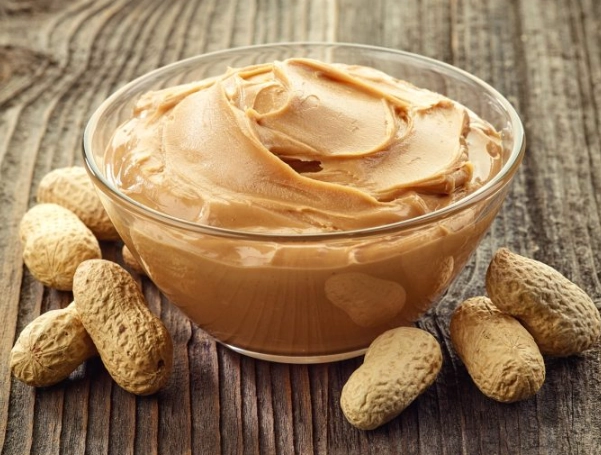
Carbohydrates: Low Carb and Keto Friendly?
With only 6-8 grams of total carbs per serving, and half of that being fiber, peanut butter is surprisingly low in net carbs (total carbs minus fiber). That puts it around 4-5 grams of net carbs per serving.
This makes it a popular food in low-carb and ketogenic diets. The high fat, moderate protein, and low net carb profile fits the macros quite well. Just be extra vigilant about added sugars if you're following a strict keto plan. That 2 grams of natural sugar is fine, but some brands sneak in 4-5 grams of added sugar, which can double the net carb count.
Protein: A Solid Plant-Based Source
Eight grams of protein per serving is nothing to sneeze at, especially from a plant source. It's not a complete protein (meaning it doesn't contain all nine essential amino acids in optimal ratios), but it's a great complement. Pair it with whole grain bread (which contains the amino acid methionine that peanuts are lower in), and you've got a complete protein meal.
For vegetarians, vegans, or just anyone trying to cut back on meat, this is a huge benefit. It's a convenient, tasty way to boost your daily protein intake.
Here's a personal rule of thumb I use: If the peanut butter nutrition facts label shows more than 2-3 grams of sugar and has words like "hydrogenated oil" in the ingredients, I put it back on the shelf. The health benefits come from the pure product.
Micronutrients: The Hidden Gems in Your Jar
While everyone obsesses over calories and macros, the micronutrients are where peanut butter really shines. This is the stuff that supports your body's daily functions, from your nerves to your blood cells. A serving is a surprisingly good source of several key vitamins and minerals.
- Vitamin E: A powerful antioxidant that protects your cells from damage. Two tablespoons provide about 15% of your Daily Value.
- Magnesium: Crucial for muscle function, nerve signaling, and bone health. You get about 15% of your DV here too. Most people don't get enough magnesium.
- Potassium: An electrolyte essential for heart function and blood pressure regulation. It has about 180mg per serving, which helps balance out sodium intake.
- Phosphorus: Important for healthy bones and teeth.
- B Vitamins: Particularly Niacin (B3) and Folate (B9), which help convert food into energy and support cell growth.
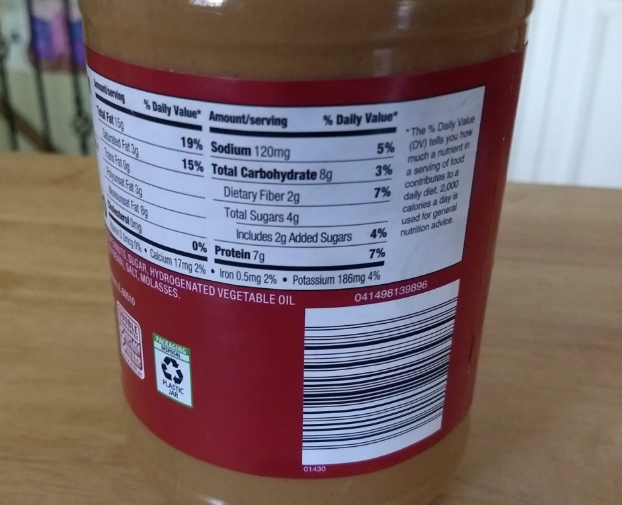
It's not a multivitamin, but it's a nutrient-dense food. You're getting a lot more than just empty calories.
Natural vs. Processed: A Nutritional Night and Day Difference
This is the single most important section of this whole guide. The peanut butter nutrition facts between a natural brand and a big-name processed brand can look like they're from two different planets.
I made the mistake once of buying a "family size" jar of a popular processed brand because it was on sale. The ingredient list was a paragraph long: roasted peanuts, sugar, hydrogenated vegetable oils (cottonseed, soybean, and rapeseed), salt, molasses... it went on. The taste was sickly sweet and it didn't even need stirring—a sure sign of added stabilizers.
Let's compare the key differences:
Natural Peanut Butter (the good stuff):
- Ingredients: Peanuts. Sometimes salt. That's it.
- Fat: The oil separation on top is natural. It's the healthy peanut oil rising to the top. You just stir it in.
- Sugar: Only the 1-2 grams naturally present in peanuts.
- Texture: Can be grittier, less uniformly creamy.
Processed/Commercial Peanut Butter:
- Ingredients: Peanuts, sugar (or corn syrup solids), hydrogenated or partially hydrogenated oils, salt, emulsifiers (like mono- and diglycerides).
- Fat: Hydrogenation turns liquid oils into semi-solid fats to prevent separation. This creates trans fats, even if the label says "0g trans fat" (due to loopholes allowing rounding down). The FDA has taken steps to remove artificial trans fats, but some partially hydrogenated oils might still be lingering or be replaced with other saturated fats like palm oil.
- Sugar: Often contains 3-4+ grams of added sugar per serving.
- Texture: Consistently smooth, creamy, and spreadable straight from the fridge.
The Hydrogenated Oil Problem: Even if the trans fat content is listed as zero, the presence of "hydrogenated" or "partially hydrogenated" oils in the ingredients is a major red flag. The process creates artificial trans fats, which are strongly linked to increased heart disease risk by raising bad (LDL) cholesterol and lowering good (HDL) cholesterol. This one ingredient can completely negate the heart benefits of the healthy fats naturally in peanuts.
The convenience of no-stir peanut butter comes at a nutritional cost. Always, always read the ingredient list first. The peanut butter nutrition facts label tells part of the story, but the ingredients tell the whole truth.
Health Benefits: What Science Actually Says
So, with all these nutrients, what can eating peanut butter actually do for you? Is the hype real? Let's look at the research-backed benefits.
Heart Health
This might be the most surprising one for people who still think of it as junk food. Multiple large-scale studies, like the Nurses' Health Study and the Physicians' Health Study, have found that regular nut and peanut butter consumption is associated with a lower risk of cardiovascular disease. The combination of MUFAs, PUFAs, fiber, magnesium, and antioxidants like resveratrol (yes, the one in red wine) helps improve cholesterol profiles, reduce inflammation, and support healthy blood pressure.
The key, of course, is that the studies look at nuts and natural nut butters, not the sugar-laden, hydrogenated-oil versions.
Weight Management and Satiety
This seems counterintuitive given the calorie density, but it's true. Because of its high protein and fiber content, peanut butter is incredibly satiating. It keeps you full for a long time. This can lead to reduced calorie intake later in the day, creating a natural calorie deficit.
Research published in the International Journal of Obesity has shown that including nuts and nut butters in a weight loss diet does not hinder weight loss and may even improve adherence to the diet because people feel less deprived. It's about portion control. Two tablespoons on an apple or celery is a fantastic, satisfying snack. Mindlessly eating half a jar with a spoon while watching TV? Not so much.
Blood Sugar Control
The low net carb and high healthy fat/fiber profile means peanut butter has a minimal impact on blood sugar levels. The fat and fiber slow down the absorption of any carbohydrates eaten with it. Adding a tablespoon to a smoothie or having it on whole-wheat toast can help prevent a blood sugar spike from the meal.
Some studies suggest that eating nuts regularly is linked to a reduced risk of developing type 2 diabetes. Again, the healthy fats and magnesium are thought to play a role in improving insulin sensitivity.
Potential Downsides and Things to Watch For
It's not all sunshine and roasted peanuts. There are some legitimate concerns.
Calorie Density and Portion Distortion
This is the biggest practical issue. At nearly 100 calories per tablespoon, it's very easy to overconsume. A "serving" is two level tablespoons, not two heaping spoonfuls scooped from the jar. If you're not careful, your healthy snack can quickly turn into a 400-500 calorie indulgence. I highly recommend measuring it out at first to train your eye.
Aflatoxins
Peanuts grow underground and are susceptible to a mold that produces aflatoxins, which are potential carcinogens in high doses. Major brands in the US and other developed countries have strict testing protocols to keep aflatoxin levels well below dangerous thresholds. The FDA sets action levels to ensure safety. Choosing major, reputable brands minimizes this risk significantly. It's a very low risk for most people, but it's worth knowing about.
Omega-6 to Omega-3 Ratio
As mentioned, peanuts are high in omega-6 fatty acids. While essential, an excessively high ratio of omega-6 to omega-3 in the diet can promote inflammation. This isn't a problem with peanut butter itself, but with an overall diet low in omega-3s (from fish, flaxseeds, chia seeds, walnuts). Balance is key.
Peanut Allergies
This one's obvious but critical. Peanut allergies are among the most common and severe food allergies. Always check labels for cross-contamination warnings if you or someone you're serving has an allergy.
How to Choose the Healthiest Peanut Butter: A Quick Checklist
- Ingredients First: It should say "Peanuts" or "Peanuts and Salt." Full stop. If the list is longer, put it back.
- Check for Hydrogenated Oils: Scan for the words "hydrogenated" or "partially hydrogenated" anywhere. If you see them, it's a hard no.
- Added Sugar: Look at the "Includes Xg Added Sugars" line on the peanut butter nutrition facts label. Aim for 0g. The 1-2g of total sugar should be natural.
- Sodium: If you're watching salt intake, look for an "unsalted" variety. Even salted natural peanut butter usually has only 80-120mg per serving, which is reasonable.
- Oil on Top is Good: Don't be afraid of the natural oil separation. It's a sign of a minimally processed product. Just stir it in thoroughly and store it upside down in the fridge after opening to help it stay mixed.
Common Questions (Stuff People Really Want to Know)
Final Thoughts: It's a Health Food, With an Asterisk
Peanut butter, in its purest form, is a legitimately healthy food. The peanut butter nutrition facts tell a story of good fats, solid protein, useful fiber, and a nice little cocktail of vitamins and minerals. It can support heart health, help manage weight, and keep you satisfied.
But that asterisk is huge. The moment you add hydrogenated oils and extra sugar, you're turning a health food into a dessert spread. The gap between the best and worst jars on the shelf is massive.
My advice? Find a natural brand you like the taste of. Get used to stirring it and maybe keeping it in the fridge. Measure your portions until you get the hang of what two tablespoons looks like. And then enjoy it without guilt. Put it on oatmeal, blend it into a smoothie, dip apple slices in it, or yes, even eat it off a spoon sometimes.
Just know what you're eating. And now you do.
Reader Comments