Let's be honest. Peanut butter fudge is a classic, but it can be finicky. You cook sugar to a precise temperature, hope it sets, and sometimes end up with a grainy or greasy mess. That's where marshmallow cream comes in. This magical ingredient is the secret weapon for fudge that's consistently creamy, smooth, and downright foolproof. It acts as a stabilizer, preventing sugar crystals from forming and giving you that melt-in-your-mouth texture every single time. No candy thermometer drama? Well, almost. But trust me, this method is the closest you'll get to guaranteed success.
What You'll Find in This Guide
Why This Fudge Works (The Science of Easy)
Traditional fudge relies on you cooking sugar, butter, and milk to the "soft-ball stage" (234–240°F) and then beating it as it cools to create tiny sugar crystals. Get the temperature wrong or beat it at the wrong time, and the texture suffers. Marshmallow cream changes the game. It's essentially sugar, corn syrup, and egg whites whipped with gelatin. When you add it to the hot sugar mixture, it introduces a pre-whipped structure and interferes with the formation of large sugar crystals. The result? A fudge that sets reliably without the intense beating. It's forgiving. It's creamy. It's why this recipe has been a staple in community cookbooks for decades.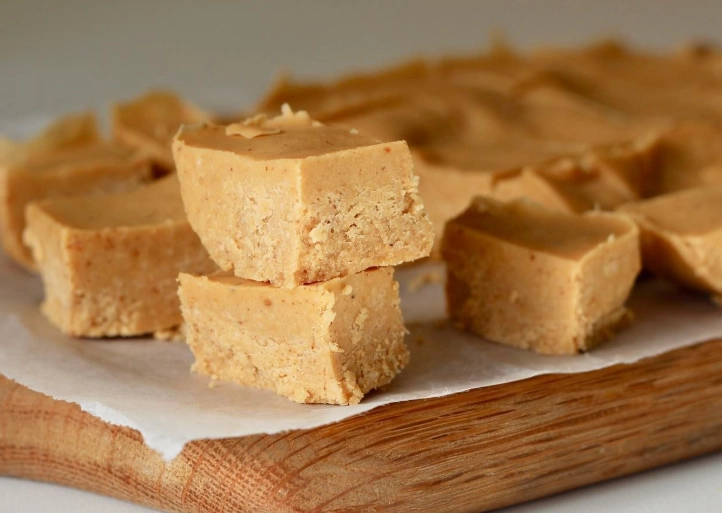
Your Fudge Ingredient & Tool Kit
Using the right stuff matters more than you think. Here's your non-negotiable shopping and tool list.
The Ingredients Breakdown
| Ingredient | Quantity | Purpose & Pro Tip |
|---|---|---|
| White Granulated Sugar | 2 cups | Provides sweetness and structure. Don't substitute with brown sugar here—it adds moisture and alters the set. |
| Evaporated Milk (not sweetened condensed) | 5/8 cup (or 2/3 cup) | The workhorse liquid. It has less water than regular milk, leading to a faster, more stable set. This is critical. |
| Unsalted Butter | 1/2 cup (1 stick) | For richness and smoothness. Using unsalted lets you control the salt level. Cut it into chunks so it melts evenly. |
| Marshmallow Creme/Fluff | 1 x 7oz jar | The magic stabilizer. Use the whole jar. I prefer the creme in the plastic jar for easier scraping. |
| Creamy Peanut Butter | 1 cup | Use a standard brand like Jif or Skippy. The natural, oil-separating kind will make your fudge greasy. This is the most common mistake I see. |
| Pure Vanilla Extract | 1 teaspoon | Enhances all the other flavors. Imitation vanilla can taste artificial in such a simple recipe. |
| Salt | 1/4 teaspoon | Balances the sweetness and makes the peanut butter flavor pop. Don't skip it. |
Essential Tools You Need
A heavy-bottomed 3-quart saucepan. This distributes heat evenly and prevents scorching. A thin pot is your enemy.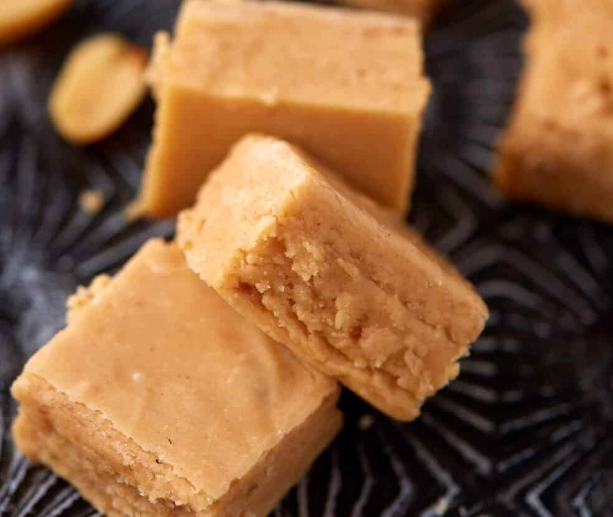
A candy thermometer. Yes, even with marshmallow cream, this is your best friend for perfect texture. Clip it to the side of the pan.
A sturdy wooden spoon or heatproof spatula.
An 8x8 or 9x9 inch baking pan, lined with parchment paper or foil lightly greased with butter.
A large mixing bowl (for combining everything at the end).
The Step-by-Step Fudge Process
Follow these steps in order. Rushing is the second biggest cause of fudge fails.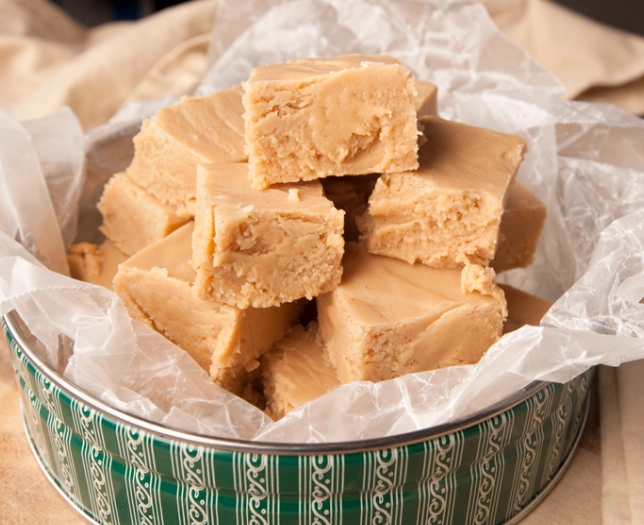
1. The Foundation: Cooking the Sugar Base
Combine the sugar, evaporated milk, and butter in your heavy saucepan. Place it over medium heat. Stir constantly until the butter melts and the sugar dissolves. This is important—you want no gritty sugar on the bottom. Once it comes to a full, rolling boil, stop stirring. Clip on your candy thermometer.
Let it boil, undisturbed. Don't stir. This is where patience pays off. Watch the thermometer climb. You're aiming for 234°F to 240°F (soft-ball stage). This usually takes 8-12 minutes. If you see sugar crystals on the side of the pan, use a wet pastry brush to wash them down.
2. The Magic Merge: Bringing It All Together
Once you hit temperature, immediately remove the pan from the heat. Take out the thermometer. Let it sit right there on the stovetop, untouched, for exactly 10 minutes. This cooling period is crucial. If you add the peanut butter and marshmallow too soon, the fat can separate.
After 10 minutes, pour the hot mixture into your large mixing bowl. Now add the entire jar of marshmallow cream, the peanut butter, vanilla, and salt. Stir. Just stir until everything is completely combined and you see no white streaks. Do not overmix. Once it's smooth and uniform, you're done.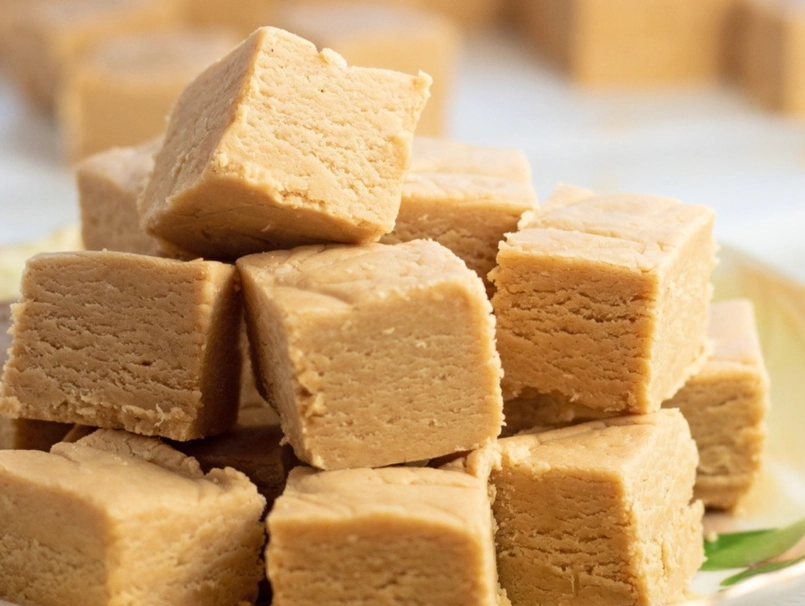
3. Setting & Cutting for Perfection
Pour the fudge into your prepared pan. Spread it evenly into the corners. Let it cool at room temperature for about 2 hours, then refrigerate for at least another 2 hours to firm up completely. Overnight is best.
To cut, lift the whole slab out using the parchment paper. Use a large, sharp knife. For clean cuts, run the knife under hot water, wipe it dry, and make your slice. Rewarm and wipe between cuts. A 9x9 pan gives you 36 one-inch squares, perfect for sharing.
Common Fudge Fixes & Expert Tips
Even with this easy recipe, things can go sideways. Here's how to diagnose and prevent issues.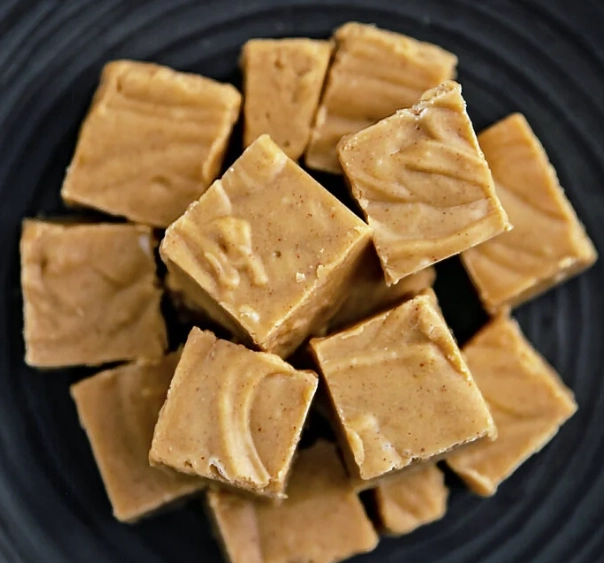
Fudge is too soft/doesn't set: You likely didn't reach the full temperature. Trust the thermometer, not the clock. Undercooked fudge has too much water. Next time, ensure you're at a true rolling boil and cook to 238°F for a firmer set.
Fudge is grainy: Sugar crystals formed. This happens if sugar splashed on the sides of the pan and crystallized, or if you stirred during the boiling phase. Use the wet pastry brush trick and keep your spoon out of the pot once it's boiling.
Fudge is greasy or oily: This is almost always caused by using natural peanut butter or stirring the hot mixture too vigorously after adding the peanut butter. The oils separate. Use conventional peanut butter and stir gently just to combine.
Creative Variations to Try
Once you've mastered the classic, make it your own.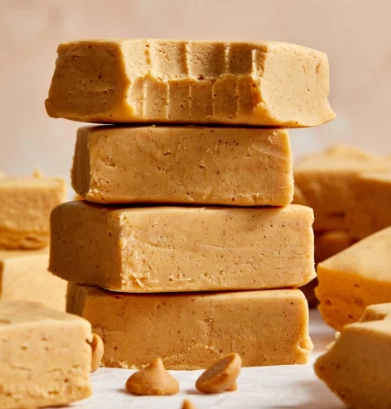
Chocolate Swirl: Melt 1/2 cup of semi-sweet chocolate chips with 1 teaspoon of shortening. After pouring the fudge into the pan, drizzle the chocolate over the top and drag a knife through it to swirl.
Crunchy Add-Ins: After combining everything, fold in 1 cup of chopped salted peanuts, pretzel pieces, or even crushed potato chips (trust me, the salty-sweet is incredible).
Fluffernutter Fudge: Use only 1/2 cup of peanut butter. After pouring half the fudge into the pan, spread an extra 1/2 cup of marshmallow cream over it, then top with the remaining fudge.
Storing & Gifting Your Fudge
This fudge stores beautifully. Keep it in an airtight container at room temperature for up to 2 weeks (if it lasts that long). You can layer it between sheets of parchment paper. For gifting, small cardboard boxes or cellophane bags tied with ribbon are perfect. A 4-ounce portion (about 4 pieces) makes a lovely little treat. It ships reasonably well in cool weather, but I'd avoid mailing it in the heat of summer.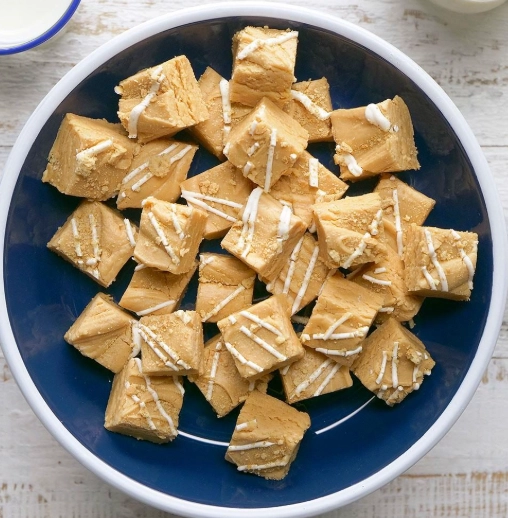
Your Fudge Questions, Answered
So there you have it. Peanut butter marshmallow cream fudge isn't just a recipe; it's a reliable, crowd-pleasing project. It's the one I turn to when I need a guaranteed win for a bake sale, holiday plate, or just a Tuesday night treat. Grab your heavy pot and that jar of marshmallow cream. Your smoothest, creamiest batch of fudge is waiting.
Reader Comments