Quick Guide to This Post
- Breaking Down the Numbers: What's Actually in Your Scoop?
- The Great Peanut Butter Showdown: Crunchy vs. Creamy vs. "Natural"
- Beyond the Spoon: Calories in Peanut Butter by Brand
- Why High Calories Don't Always Mean "Bad"
- How to Actually Eat Peanut Butter Without Overdoing It
- Your Peanut Butter Questions, Answered
- The Final Scoop: Making Peace with Peanut Butter
Let's be real. You're probably here because you love peanut butter. I get it. That creamy, nutty goodness is hard to resist. But then you look at the jar, see the numbers, and a little voice in your head starts asking: "Just how many calories are in peanut butter, and is it going to ruin my diet?"
I've been there. Standing in the pantry, spoon in hand, debating the merits of a second scoop. The answer isn't as scary as you might think, and it's definitely more interesting than a single number. The story of calories in peanut butter is wrapped up in fat quality, protein power, and how your body actually uses the stuff. It's not just empty energy.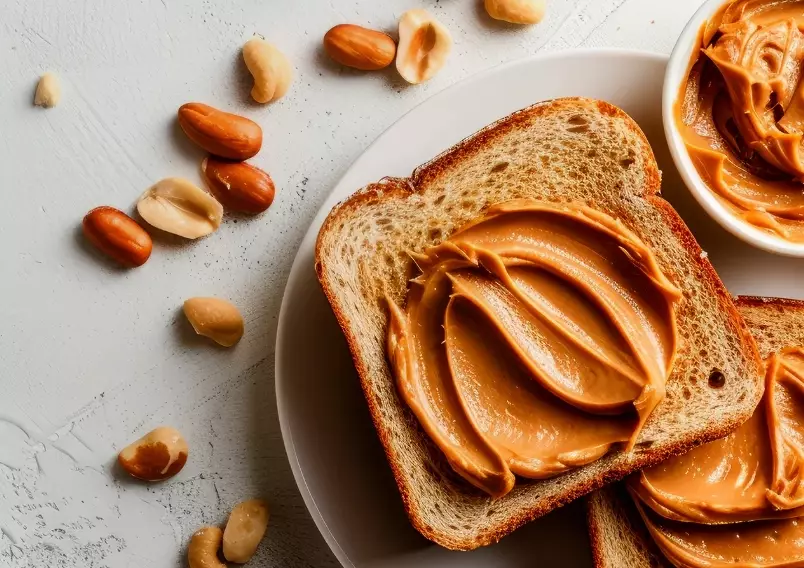
The Quick Answer: A standard 2-tablespoon (32-gram) serving of regular peanut butter contains roughly 190 to 210 calories. But that's like saying a car has four wheels—it doesn't tell you about the engine, the safety features, or the fuel efficiency. We need to look under the hood.
Breaking Down the Numbers: What's Actually in Your Scoop?
Alright, let's get into the nitty-gritty. The U.S. Department of Agriculture's FoodData Central is my go-to for reliable food composition data. According to their latest entries, here’s the typical nutritional breakdown for that classic 2-tablespoon serving of smooth peanut butter with salt.
I find it's easier to see this in a table. It just makes sense.
| Nutrient | Amount per 2 tbsp (32g) | What This Means For You |
|---|---|---|
| Calories | 191 | The total energy. About the same as a medium banana, but the source is completely different. |
| Total Fat | 16g | This is where most of the calories in peanut butter come from. But hold on—it's mostly the good kind. |
| - Saturated Fat | 3.1g | The "less-good" fat. A moderate amount, comparable to a tablespoon of olive oil. |
| - Unsaturated Fats (Mono & Poly) | ~12g | The heart-healthy stars. These fats can help lower bad cholesterol. |
| Protein | 7g | Solid plant-based protein. Helps keep you full and supports muscle repair. |
| Total Carbohydrates | 7g | Relatively low. It's not a carb-heavy food. |
| - Dietary Fiber | 1.6g | A decent bump. Aids digestion and further promotes satiety. |
| - Sugars | 3g | Mostly natural sugars from the peanuts. Watch out for brands that add extra! |
See? When you ask about calories in peanut butter, you're really asking about a package deal of fats, protein, and fiber. Your body processes this combo very differently than it would, say, 200 calories from a sugary soda.
That's the key. It's nutrient-dense.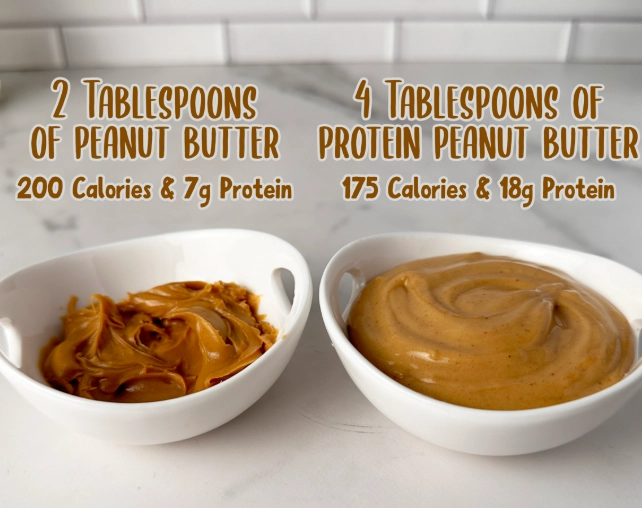
The Great Peanut Butter Showdown: Crunchy vs. Creamy vs. "Natural"
Here's where things get personal. Are you a creamy loyalist or do you need that crunch? And what about all those jars with oil floating on top? The calories in peanut butter can shift a bit depending on your style.
Creamy Peanut Butter
The classic. Smooth, spreadable, and consistently blended. Because it's ground so finely, it might feel a bit denser. The calorie count is usually dead-on the average we talked about—around 190-200 per serving. The texture can sometimes trick you into using more, though. I've definitely fallen into that trap.
Crunchy Peanut Butter
My personal favorite. The inclusion of small peanut pieces can actually lead to a slightly lower calorie count per serving. Why? Those tiny fragments create tiny air pockets. You might get a tiny bit less actual nut mass per tablespoon. We're talking a difference of maybe 5-10 calories, so it's negligible. The real benefit is the satisfying texture that can make you feel more satisfied.
Natural Peanut Butter (The Stir-Kind)
This is the pure stuff: just peanuts and maybe a pinch of salt. You'll see the oil separation, which freaks some people out. Nutritionally, it's often king. The calories in natural peanut butter are virtually identical, but the ingredient list is clean. No added sugars or hydrogenated oils to stabilize it. The fat profile is as nature intended.
The downside? That oil separation is a pain. You have to stir it like you're training for arm day, and it can get messy. And if you don't refrigerate it after opening, the oil can go rancish faster. It's a trade-off for purity.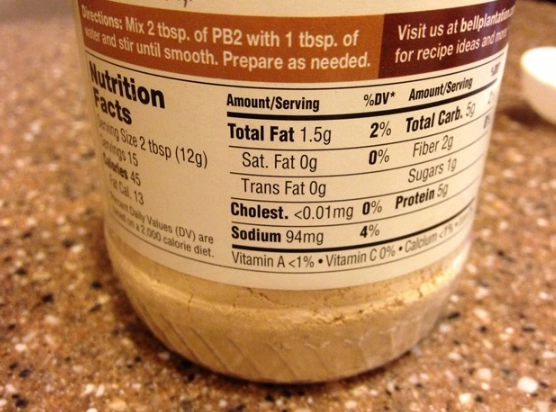
Watch Out For This: "Reduced Fat" peanut butter. This one bugs me. To cut fat (and therefore some calories in peanut butter), manufacturers often remove some peanut oil and replace it with... fillers like maltodextrin, corn syrup solids, or extra sugar. You end up with a product that has more carbs and sugar, less healthy fat and protein, and a weird, pasty texture. The calorie savings are minimal—sometimes only 20 calories per serving. It's rarely worth it.
Beyond the Spoon: Calories in Peanut Butter by Brand
Not all jars are created equal. Walking down the aisle can be confusing. Let's compare some popular players. This is based on their own nutrition labels for a 2-tbsp serving.
| Brand & Type | Calories | Total Fat | Protein | Key Notes |
|---|---|---|---|---|
| Jif Creamy | 190 | 16g | 7g | The classic supermarket staple. Contains added sugar and hydrogenated oils for stability. |
| SKIPPY Creamy | 190 | 16g | 7g | Very similar profile to Jif. Known for its sweet, consistent flavor. |
| Smucker's Natural Creamy | 200 | 16g | 8g | Just peanuts and salt. Higher protein, cleaner label. Requires stirring. |
| Justin's Classic Peanut Butter | 190 | 16g | 7g | A popular natural brand. Often uses palm fruit oil to prevent separation (a controversial ingredient for some). |
| Crazy Richard's 100% Peanuts | 180 | 15g | 8g | One of the purest. Just peanuts. Calorie count can be slightly lower due to no additives. |
| Powdered Peanut Butter (e.g., PB2) | ~60 | 1.5g | 6g | Major outlier! Fat is pressed out, so calories plummet. Great for flavor without the fat, but the satiety factor is different. |
The takeaway? The core calories from peanut butter don't swing wildly from brand to brand if you're comparing similar styles. The real differences are in what's added (sugars, stabilizers) or taken away (fat, in the case of powders). Your choice should depend on your priorities: convenience, ingredient purity, or specific dietary needs.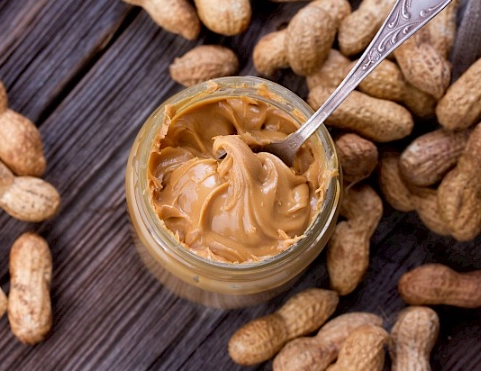
Why High Calories Don't Always Mean "Bad"
This is the most important part of the conversation. We've been trained to fear calorie-dense foods. But density isn't the enemy; emptiness is.
Peanut butter is calorie-dense because fats pack 9 calories per gram, while carbs and protein have 4. Peanuts are naturally fatty. But the type of fat and the company it keeps matter immensely.
The monounsaturated and polyunsaturated fats in peanuts are linked to heart health. A review of studies published in the Journal of the American College of Nutrition has suggested that regular nut consumption is associated with a reduced risk of cardiovascular disease. It's not just about the calories in a tablespoon of peanut butter; it's about the long-term health package.
Think of it this way. A 200-calorie serving of peanut butter delivers:
- Satiety Power: The combo of fat, protein, and fiber is the holy trinity for keeping hunger at bay. It digests slowly, preventing those blood sugar spikes and crashes that lead to snacking.
- Nutrient Delivery: You're getting a good dose of Vitamin E (an antioxidant), magnesium (for muscle and nerve function), and niacin (for energy metabolism).
- Muscle Support: That 7-8 grams of plant-based protein is useful for anyone active, not just bodybuilders. It helps repair tissues.
So, when you measure the calories in peanut butter, you're measuring a fuel that's designed to last, not just burn fast.
Compare that to a 200-calorie bag of pretzels. It's mostly refined carbs. You'll digest it in no time, your blood sugar will jump, and you'll be rummaging for more food an hour later. The calories are the same, but the metabolic effect is worlds apart.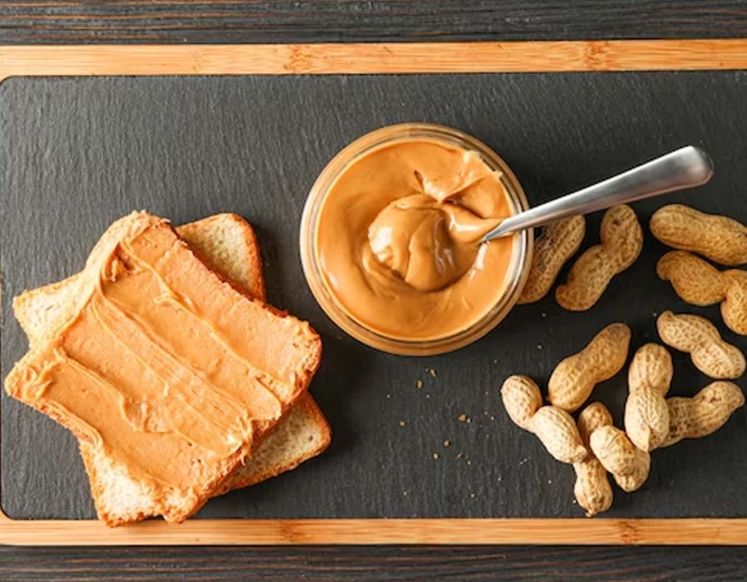
How to Actually Eat Peanut Butter Without Overdoing It
Okay, theory is great. But how do you handle this in real life, where the spoon and the jar have a magnetic attraction? Here's the practical stuff.
The Serving Size Trap
Two tablespoons. That's the standard serving. Go get a measuring spoon right now. I'll wait.
Seriously, do it. Most people's "spoonful" is easily 3 or 4 tablespoons. That's 300-400 calories in peanut butter in one go. Visualize it: two level tablespoons is about the size of a Ping-Pong ball. It's not a huge mound.
Smart Pairing, Not Just Spooning
Eating it straight from the jar is a recipe for overconsumption (trust me, I know). The key is to use it as a component of a meal or snack.
- Top Tier Pairing: Spread it on whole-grain toast or apple slices. The fiber from the bread or fruit complements the fat and protein, creating an even more balanced and filling snack.
- Good Pairing: Mix a serving into plain Greek yogurt or oatmeal. It adds flavor and richness while boosting the nutrition of a sometimes-bland food.
- Caution Pairing: Putting it on top of ice cream or blending it into a super-sweet smoothie. This can easily become a calorie bomb where the benefits get lost in a sugar avalanche.
My Go-To Method: The Pre-Portion
This saved me from myself. When I open a new jar, I'll sometimes take a few minutes to divide a portion into a small container. A single-serving silicone cup or even a small glass bowl. That way, when I want a snack, I grab the pre-measured portion, not the whole jar. It removes the guesswork and the temptation to have "just one more little swipe."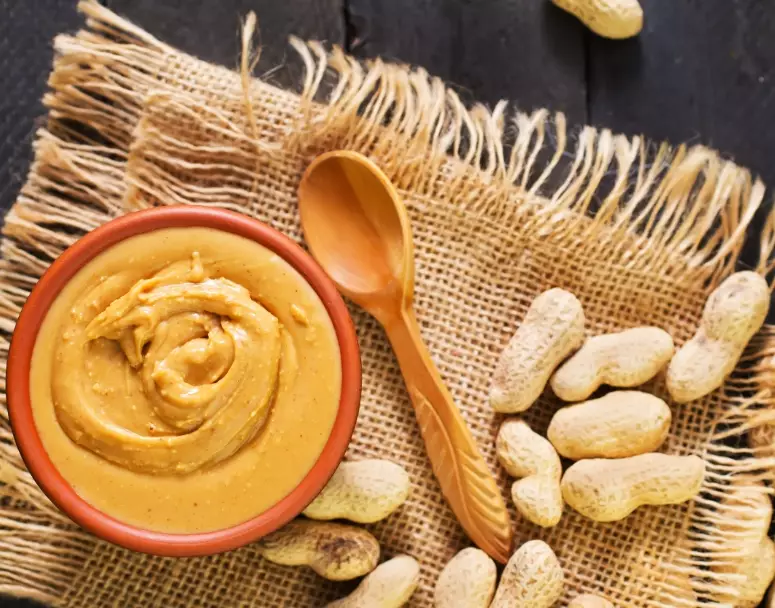
Your Peanut Butter Questions, Answered
The Final Scoop: Making Peace with Peanut Butter
So, what's the final word on calories in peanut butter?
Stop fixating on the 190-calorie number in isolation. It's a red herring. Focus on the quality of those calories and the powerful nutrition they bring. Peanut butter is not a "diet food," but it is a healthful food that can absolutely be part of a balanced, calorie-conscious diet.
The goal isn't to avoid it because it's calorie-dense. The goal is to respect its energy density, measure your portions, and pair it with other wholesome foods. Choose a brand with a simple ingredient list—peanuts should be first, and ideally the only ingredient. Enjoy the flavor, the satisfaction, and the nutrients it provides.
Now, if you'll excuse me, all this talk has made me crave a perfectly measured tablespoon on a crisp apple. Done right, it's one of life's simple, healthy pleasures.
Reader Comments