Let's cut through the noise. You're here because you love peanut butter, but you're worried about the carbs. Maybe you're watching your weight, managing blood sugar, or trying a low-carb diet like keto. The internet is full of conflicting advice: "It's a health food!" "No, it's packed with sugar!"
Here's the straight story from someone who's spent years navigating nutrition labels: peanut butter can be a fantastic, low-carb-friendly food, but the supermarket shelf is a minefield. The difference between a healthy staple and a sugary dessert in a jar comes down to one thing—knowing what to look for.
This guide isn't about fear. It's about freedom. Freedom to enjoy one of the world's great foods without sabotaging your goals.
Your Quick Guide to Peanut Butter and Carbs
How Many Carbs Are Actually in Peanut Butter?
First, the basic numbers. According to the USDA FoodData Central, a standard 2-tablespoon (32g) serving of smooth peanut butter, with salt, provides roughly:
- Total Carbohydrates: 7 grams
- Dietary Fiber: 2 grams
- Sugars: 3 grams (this includes natural sugars from the peanuts)
Do the quick math: 7g total carbs minus 2g fiber equals 5 grams of net carbs. Net carbs are what most low-carb dieters care about, as fiber doesn't significantly impact blood sugar.
Five grams. That's less than a third of a slice of bread. Context is everything.
But here's where people get tripped up. They see "3g of Sugars" and assume it's all added. It's not. Peanuts naturally contain some sugars. The real problem starts when manufacturers add more.
Let's look at a real-world comparison. This table shows how carb content can vary wildly based on what's in the jar.
>3-4g| Peanut Butter Type (2 tbsp serving) | Total Carbs | Fiber | Net Carbs | Sugars (Total) | Key Differentiator |
|---|---|---|---|---|---|
| Natural, No-Sugar-Added (just peanuts & salt) | 6-7g | 2-3g | 4-5g | 1-2g (natural) | The gold standard. Oil may separate. |
| "Natural" with Added Sugar | 8-10g | 2g | 6-8g | 3-4g | Often has "evaporated cane juice" or honey. |
| Commercial Standard (e.g., Jif, Skippy) | 14-16g | 2g | 12-14g | 7-8g | Contains added sugars and hydrogenated oils. |
| Powdered Peanut Butter (e.g., PB2, reconstituted) | 5-6g | 2g | 1-2g | Fat removed, so lower calorie and carb. |
See the range? From 4 grams of net carbs to 14. That's a 250% difference. The commercial standard spread has nearly as many net carbs as a small apple. This is the first, and biggest, lesson: not all peanut butter is created equal.
Choosing the Best Low Carb Peanut Butter
Walking down the peanut butter aisle can feel overwhelming. Here’s my field-tested, three-step method for picking a winner every time.
Step 1: The Ingredient List Test
This is non-negotiable. Turn the jar around. The ingredients should read: Peanuts. Salt. That's it. Maybe "peanut oil" if they're adding some back for consistency.
Red flags? Sugar (in any form: cane sugar, corn syrup solids, honey, molasses), hydrogenated or partially hydrogenated oils (trans fats), and anything you can't pronounce. "Palm oil" is a common filler—it's not toxic, but it's not a health food either. It's just cheap fat added to stop the natural oil separation.
I once bought a jar labeled "Natural" that listed peanuts, salt, and "evaporated cane juice." That's just a fancy name for sugar. It went straight back on the shelf.
Step 2: Decode the Nutrition Label
Don't just glance at it. Do the net carb calculation in your head. Look for that magic sub-5g net carb number per serving.
Then, look at the sugar line. For a pure product, it should be 1-3g. Anything above 3g for a 2-tbsp serving almost certainly means added sugar.
Finally, check the serving size. Some tricky brands use a 1-tablespoon serving to make their numbers look better. Be consistent in your comparisons.
Step 3: Consider Texture and Use
Natural peanut butter separates. The oil rises to the top. You have to stir it, and you might need to store it in the fridge after opening to prevent it from separating again quickly. Some people hate this. Brands like Smucker's Natural or Teddie's make a "stir-free" natural version by adding a small amount of palm oil. It's a compromise—slightly less "pure," but far better than the sugar-loaded alternatives.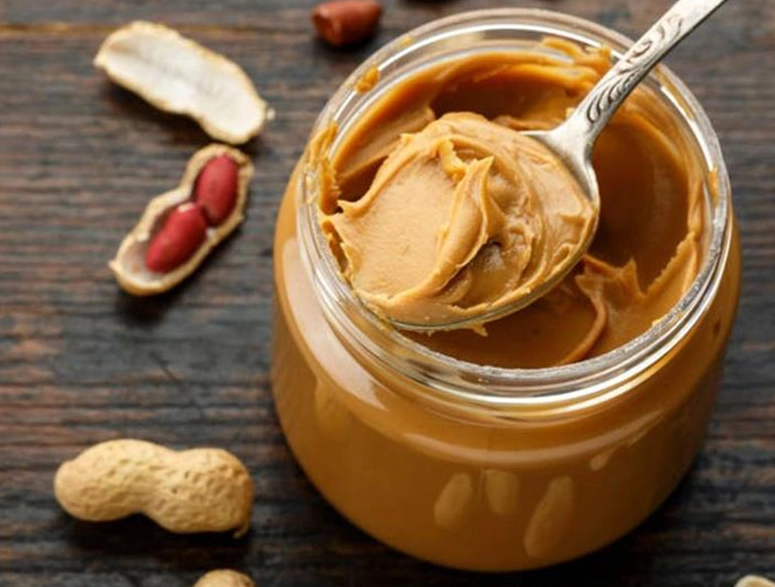
Carbs vs. Overall Health: Don't Miss the Forest for the Trees
Focusing solely on carbs is a rookie mistake. Peanut butter's real power lies in what comes with those carbs.
That same 2-tbsp serving of natural peanut butter packs about 8 grams of plant-based protein and 16 grams of mostly unsaturated fat. This one-two punch of protein and healthy fat is what makes it so incredibly satiating. It slows digestion, keeps you full for hours, and provides sustained energy.
Studies, like those cited by the Harvard T.H. Chan School of Public Health, consistently link nut and peanut butter consumption (in moderation) to a reduced risk of heart disease and type 2 diabetes. The benefits of the healthy fats, fiber, magnesium, and vitamin E far outweigh the minimal impact of its natural carbs for most people.
The problem isn't peanut butter. It's how much peanut butter. That serving size is two level tablespoons. Not a heaping spoonful dug straight from the jar. I've measured it. A "heaping" tablespoon can easily be 50% more. Those extra carbs and calories (it's also about 190 calories per serving) add up silently.
How to Eat Peanut Butter Without the Carb Worry
Knowing the numbers is one thing. Making it work in your life is another. Here are concrete, no-fail ways to enjoy it.
Smart Pairings to Balance Blood Sugar
The goal is to combine the fat and protein in peanut butter with more fiber. This creates a slow-release energy effect.
- Classic Apple Slices: The fiber in the apple skin plus the fat in the PB is a timeless, effective combo.
- Celery Sticks: Almost zero net carbs. The ultimate low-carb vehicle.
- Spread on Whole-Grain Toast: Yes, this adds more carbs, but they're complex carbs with fiber. It's a balanced breakfast, not a low-carb one. Know your goal.
- Blended into a Smoothie: A tablespoon adds creaminess and staying power to a smoothie made with spinach, unsweetened almond milk, and a handful of berries.
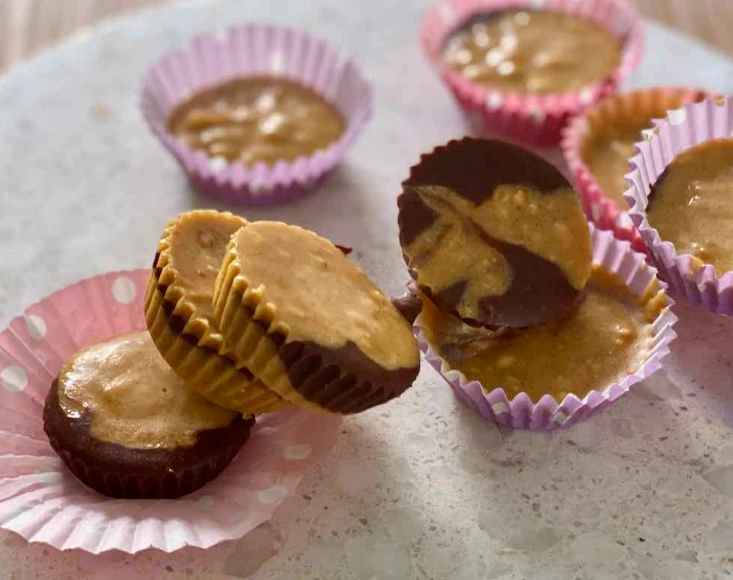
A Simple, Low-Carb Peanut Butter Snack Recipe
I call these "No-Bake Energy Bites (Keto-Friendly)." You need:
- 1 cup natural, no-sugar-added peanut butter
- 1/2 cup coconut flour (low in net carbs, high in fiber)
- 1/3 cup powdered erythritol or monk fruit sweetener (zero glycemic impact)
- 1 tsp vanilla extract
- A pinch of salt
Mix it all in a bowl until it forms a dough. If it's too dry, add a teaspoon of water or melted coconut oil. Roll into 12 small balls. Store in the fridge. Each bite has roughly 3g net carbs, 5g protein, and will crush any afternoon sugar craving.
It works because the coconut flour soaks up moisture and adds bulk without the carbs of oats or regular flour.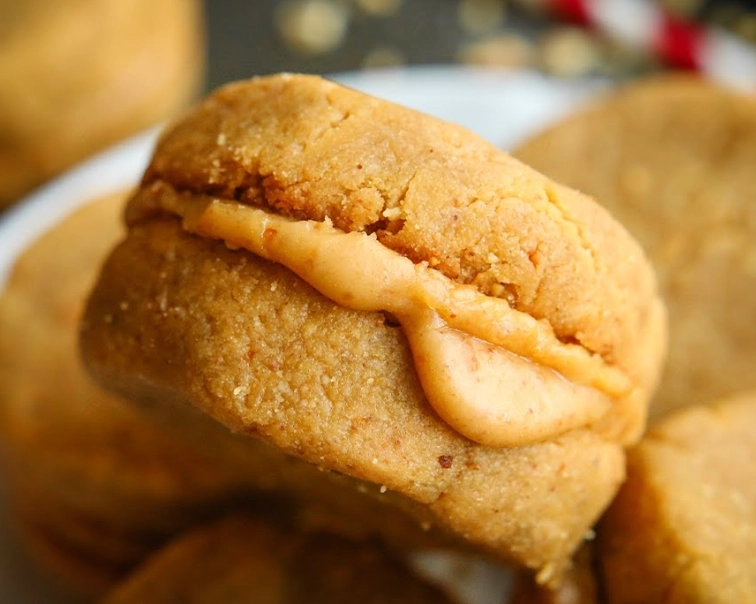
Your Peanut Butter Carb Questions, Answered
So, where does this leave us? Peanut butter isn't a low-carb food in the way spinach or chicken breast is, but it's a low-enough-carb food that fits beautifully into a healthy diet. The carbs in a quality peanut butter come wrapped in a package of protein, healthy fats, and fiber that your body knows how to use well.
Stop fearing the jar. Start reading the label. Choose one with just peanuts and salt. Measure your portion. Pair it wisely.
That's how you enjoy every last spoonful, guilt-free.
Reader Comments