There's something almost magical about that moment when you bite into something and get that satisfying, audible crunch followed by the rich, salty-sweet flavor of peanut butter. It's a texture and taste combination that's hard to beat. But let's be honest, the store-bought stuff often leaves you wanting. Too sweet, not crunchy enough, or packed with ingredients you can't pronounce. What if you could make a better, healthier, and infinitely more customizable version right in your own kitchen? You can. And it's easier than you think. This guide isn't just about a recipe; it's about mastering the art and science of the perfect peanut butter crunch, from choosing your crunch to avoiding the common pitfalls that leave snacks soggy or bland.
Crunchy Peanut Butter Roadmap
The Foundation of a Great Crunch
It all starts with what you're actually crunching on. Most people just grab roasted peanuts and call it a day. That works, but it's just the starting line. The texture, flavor, and nutritional profile of your final snack depend heavily on your choice of "crunchy element."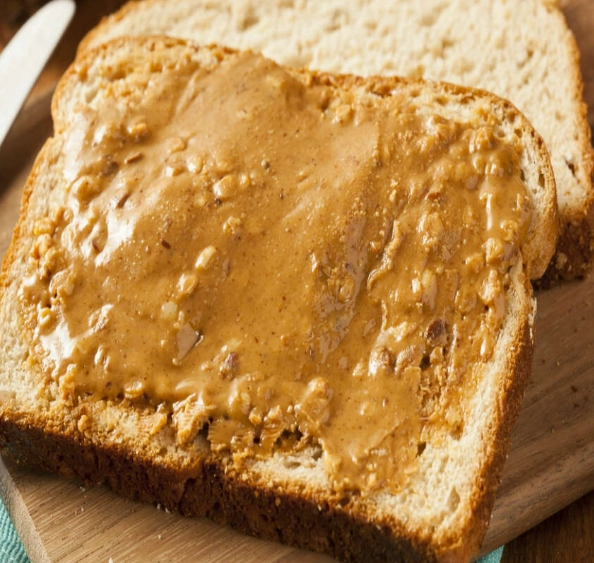
I like to think of them in categories.
Choosing Your Crunch
The Classic: Dry-roasted peanuts. Reliable, easy to find. For a deeper flavor, try roasting raw peanuts yourself at 350°F for 15-20 minutes, shaking the pan halfway. Let them cool completely before using—this is non-negotiable for maximum crunch.
The Nutrient Boost: Seeds like pumpkin (pepitas), sunflower, or even toasted sesame seeds. They add a different, often lighter crunch and a load of minerals. A study highlighted by the Harvard T.H. Chan School of Public Health notes seeds are excellent sources of healthy fats and fiber.
The Surprise Element: Toasted oats, puffed quinoa, or crushed whole-grain cereal (like brown rice crisps). These are fantastic for binding and create a more complex, layered crunch. They're also a sneaky way to add whole grains.
Here's a quick comparison to help you mix and match:
| Crunchy Element | Flavor Profile | Best For | Pro Tip |
|---|---|---|---|
| Dry-Roasted Peanuts | Classic, robust, salty | Traditional texture, energy bites | Chop coarsely for varied texture. |
| Pumpkin Seeds (Pepitas) | Earthy, slightly sweet | Adding magnesium, granola bars | Toast lightly to avoid bitterness. |
| Toasted Rolled Oats | Nutty, wholesome | Binding, creating "clusters," healthy snacks | Toast until fragrant, not brown. |
| Brown Rice Crisps | Neutral, light, airy | Adding volume without heaviness | Mix in last to preserve crispness. |
| Chopped Almonds or Pecans | Buttery, rich | Gourmet-style snacks, cookies | Toast nuts first to amplify flavor. |
The Master Recipe & Customization Table
Let's get to the core of it. This is a template, not a rigid rulebook. The beauty of making your own crunchy peanut butter snacks is the control you have.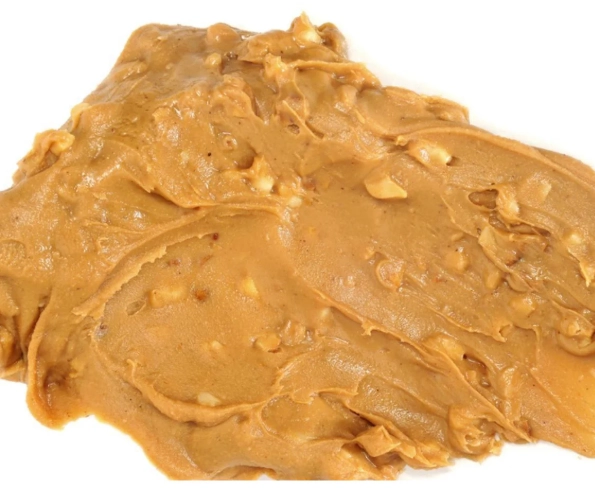
Base Formula for Crunchy Peanut Butter Binder:
- 1 cup of your main crunchy element (e.g., chopped peanuts + seeds mix).
- 1/2 cup of your dry binder/bulk (e.g., toasted oats, crushed cereal).
- 1/2 cup peanut butter (natural or regular, see note below).
- 1/4 cup of your sweet binder (e.g., honey, maple syrup).
- Pinch of salt (essential, even if your peanut butter is salted).
The Peanut Butter Note: This is a big one. Natural peanut butter (just peanuts, maybe salt) will give you a more intense peanut flavor but a looser, oilier mix. Conventional "no-stir" peanut butter has stabilizers and often added sugar, leading to a firmer, sweeter set. For beginners, I recommend starting with a conventional one for easier handling. If you use natural, you might need a touch less sweet binder or a bit more dry oats to absorb oil.
Mix the dry ingredients in one bowl. Gently warm the peanut butter and sweet binder in a saucepan or microwave until just fluid and easy to mix—don't cook it. Pour the wet over the dry and stir until everything is thoroughly coated. Press firmly into a lined pan or roll into balls. Refrigerate for at least 2 hours to set. That's it.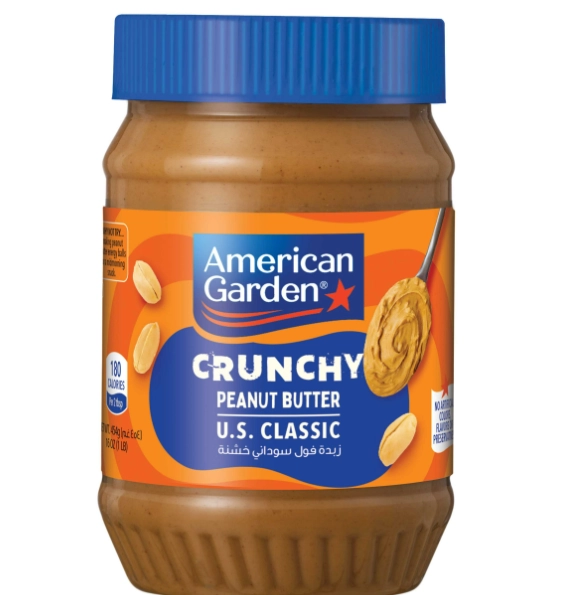
The Healthy Twist: Upgrading Your Snack
"Healthy" is a loaded term. Here, let's focus on smart swaps that boost nutrition without sacrificing the joy of eating.
Sweetener Swap: Instead of just honey, try a blend. Half honey, half maple syrup. Or use date paste (soak and blend dates with a little water). These offer different micronutrients and a lower glycemic index than pure refined sugars, though moderation is still key, as the USDA FoodData Central database details for each sweetener.
The "Glue" Upgrade: Add a tablespoon of ground flaxseed or chia seeds to your dry mix. They act as a binder when mixed with moisture and add omega-3s and fiber. You won't taste them, but they'll make the snack more filling.
Flavor Without Sugar: A teaspoon of vanilla extract or a dash of cinnamon can create a perception of sweetness and complexity, allowing you to slightly reduce the sweet binder.
The goal isn't to create a diet food, but a nutrient-dense one. A snack that gives you energy and satisfies you, so you're not raiding the cupboard an hour later.
Beyond the Basics: Creative Recipe Ideas
Once you've mastered the base, the world opens up. Here are two of my favorite spins.
1. Salty-Sweet Crunch Clusters
Follow the master recipe, but use 3/4 cup peanuts and 1/4 cup roasted, salted soybeans for an incredible double-protein crunch. Add a tablespoon of coconut oil to the wet mix for extra crispness. Drop by tablespoonfuls onto parchment, don't press flat. Sprinkle with a tiny bit of flaky sea salt before chilling. These are addictive.
2. No-Bake Crunchy Granola Bars
Increase the dry binder to 1 cup of toasted oats and add 1/4 cup of mini dark chocolate chips or dried cranberries. Press the mixture very firmly into a lined 8x8 pan. I mean, use the bottom of a glass and really compress it. This is the secret to bars that don't crumble. Chill, then cut into rectangles. Wrap individually for grab-and-go snacks.
The 3 Mistakes That Ruin Crunchy Peanut Butter Snacks
I've made these so you don't have to.
1. Adding Wet Mix-ins Too Early. If you want to add something like fresh banana mash or yogurt for tang, it must be accounted for. These add significant moisture and will soften your crunch over hours. If using, reduce other wet ingredients and plan to eat the batch within a day or two.
2. Skipping the Toast. Toasting your oats, nuts, or seeds isn't an optional "chef-y" step. It drives off moisture, which is the enemy of crunch. It also develops flavors that raw ingredients simply don't have. A quick 5-10 minutes in a 325°F oven makes all the difference.
3. Under-Chilling. The binding agents need time to set. If you try to cut or eat your snacks after just 30 minutes in the fridge, they'll fall apart. Two hours is the minimum. Overnight is ideal. Patience rewards you with the perfect texture.
Pro Tips from a Decade of Snacking
Here's the stuff you won't find on most recipe cards.
- Texture Layering: Don't chop everything the same size. Have some bigger peanut chunks and some finely chopped elements. This creates a more interesting mouthfeel than a uniform gravel.
- The Salt Trick: Always add an extra pinch of salt to the mix, even with salted peanut butter. It heightens every other flavor—the sweet, the nutty, everything.
- Storing for Maximum Crunch: An airtight container in the fridge is good. For longer storage (up to 2 weeks), layer them between parchment in the container and keep them in the freezer. They thaw in minutes and retain every bit of their snap.
- The "Binder Barometer": After mixing, grab a small bit and squeeze it in your fist. It should hold together firmly without oozing liquid. If it's crumbly, add a teaspoon more peanut butter or honey. If it's greasy or wet, add a sprinkle more oats or crushed cereal.
Reader Comments