Quick Navigation
- What Exactly Is No Sugar Added Peanut Butter?
- Why Bother? The Real Health Perks
- How to Pick the Best Jar: A Side-by-Side Look
- Making the Switch: Practical Tips That Actually Work
- Answering Your Top Questions (The Stuff You Actually Google)
- A Few Downsides (Let's Be Real)
- The Final Scoop: Is It Right For You?
Let's be honest. Walking down the peanut butter aisle can feel overwhelming. Creamy, crunchy, natural, reduced fat – the options are endless. But if you're like me, trying to cut back on sneaky sugars, you've probably picked up a jar labeled "natural" only to find sugar or molasses sitting right there in the ingredients. It's frustrating.
That's why I got obsessed with finding the real thing: peanut butter without added sugar. Not just "low sugar," but the kind where the only ingredient is peanuts (and maybe a pinch of salt). It took some trial and error – some brands were way too dry, others just tasted... boring. But the good ones? They're a game-changer.
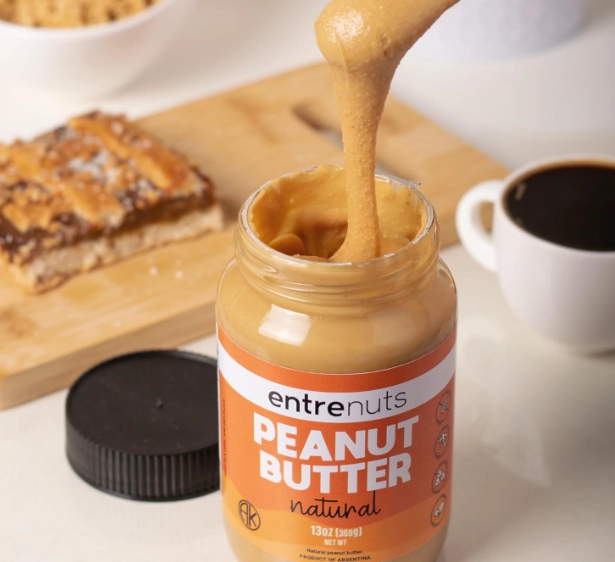 Pure peanut flavor. No sweetener hangover. Just simple, honest food.
This guide is everything I wish I'd known when I started. We'll strip away the marketing fluff, look at what makes this stuff so good for you, and I'll even share my favorite brands (and the ones I don't really get the hype for). Whether you're managing blood sugar, following a keto or paleo diet, or just want cleaner ingredients, this is your roadmap.
What Exactly Is No Sugar Added Peanut Butter?
It sounds straightforward, right? Peanut butter with no sugar added. But here's where they get you. The term "natural" isn't regulated in the same way. A jar can say "Natural Peanut Butter" on the front and still contain palm sugar, cane syrup, or honey.
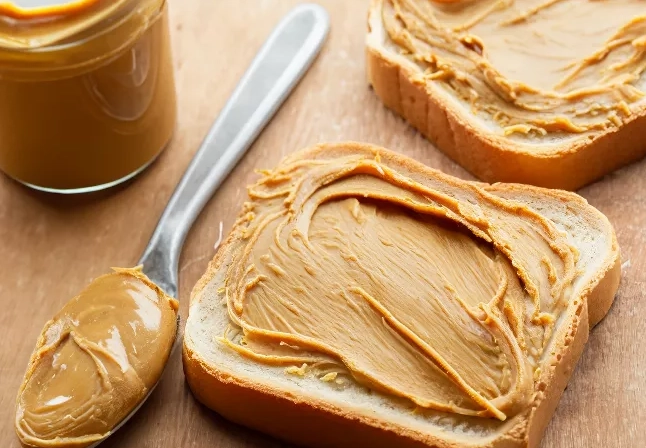
True unsweetened peanut butter has one job: to be ground peanuts. Sometimes salt is added for flavor. That's it. The oil separation you see at the top? That's totally normal and a good sign – it means there aren't stabilizers or hydrogenated oils keeping it artificially glued together.
The nutritional difference is stark. A serving of regular peanut butter might have 3-4 grams of added sugar. A serving of pure peanut butter without added sugar has 1-2 grams of sugar naturally occurring from the peanuts themselves. It's a small difference on the label, but a big one for your body.
Why Bother? The Real Health Perks
Switching to a sugar free peanut butter isn't just a trendy diet move. The benefits are concrete, especially if you make it a regular habit.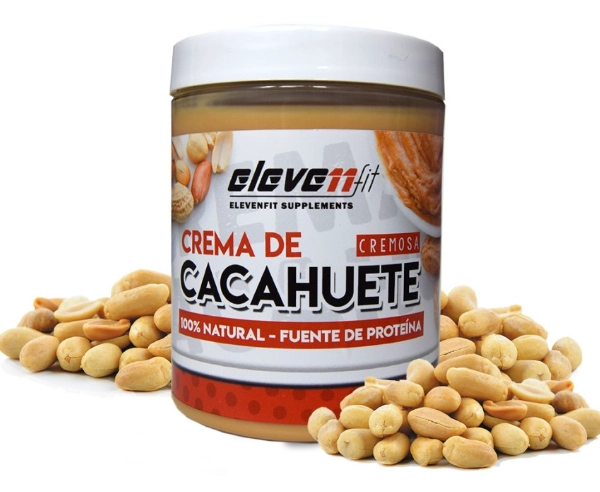
Steady Energy, No Crash
Added sugars cause quick spikes and crashes in blood sugar. The healthy fats and protein in pure peanut butter digest slowly. I find a spoonful or two in the afternoon keeps me full and focused for hours, unlike the sugary snacks that leave me dragging by 3 PM.
Better for Heart Health
Peanuts are packed with monounsaturated and polyunsaturated fats – the "good" fats. Studies consistently link these fats to improved cholesterol levels and reduced heart disease risk. The U.S. Food and Drug Administration (FDA) even allows a qualified health claim for nuts and heart disease. When you don't dilute that goodness with added sugars, you're getting the full benefit.
More Control Over Your Diet
This is a big one for me. When your peanut butter is just peanuts, you decide how to sweeten it. Add a drizzle of honey to your toast? Sure. Mix it into a savory satay sauce? Perfect. It becomes a versatile ingredient, not a pre-sweetened product. You break free from the food manufacturer's idea of how sweet something should be.
How to Pick the Best Jar: A Side-by-Side Look
Talking about brands can be tricky because availability changes. But I've tried a bunch, and here's a straightforward comparison of some common types you'll find. Remember, the goal is minimal ingredients.
| Brand / Type | Ingredients (The Good Stuff) | What to Watch For | My Take |
|---|---|---|---|
| Store-Brand "Natural" | Peanuts, Salt. | Sometimes contains palm oil or sugar. Always read the label. | Often the best value. Texture can be a bit grainy, but the price is right. |
| Fresh-Ground (Store Machine) | 100% Peanuts. You see them ground. | No salt added. Oil separation is extreme – needs serious stirring. | The freshest taste by far. Requires commitment to stirring and refrigeration. |
| Big National "No Stir" Brands | Peanuts, Palm Oil, Salt. | Palm oil is added to prevent oil separation. It's a processed additive. | Convenient, but you're trading purity for ease. I avoid the palm oil. |
| Organic Specialty Brands | Organic Peanuts, Salt. | The price tag. Can be 2-3x more expensive. | Great quality if you prioritize organic. Flavor is usually top-notch. |
See? It's not so complicated. Ignore the front label. Flip the jar over and scan the "Ingredients" panel. If it lists more than peanuts (and salt), ask yourself if you need that extra thing in there.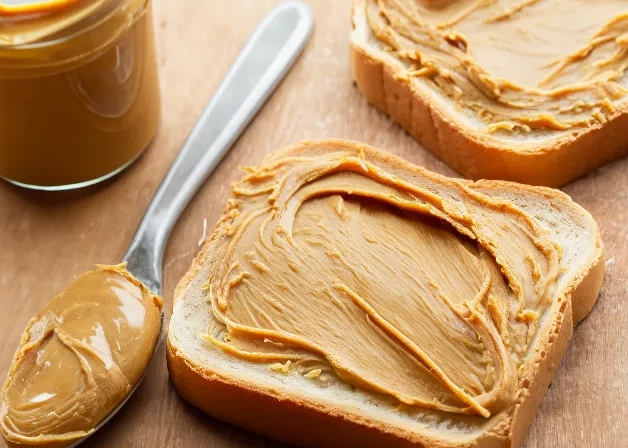
Making the Switch: Practical Tips That Actually Work
Going from Jif to a pure peanut butter without added sugar can be a shock. Here's how to make the transition smooth and even enjoyable.
The Great Stir
That layer of oil on top intimidates everyone. Here's my method: Open the new jar. Use a long knife or chopstick to break up the solid paste at the bottom. Then, stir vigorously in a folding motion, incorporating the oil from the top. It takes 1-2 minutes. Once mixed, store it in the fridge. The cold thickens the oils and it won't separate again.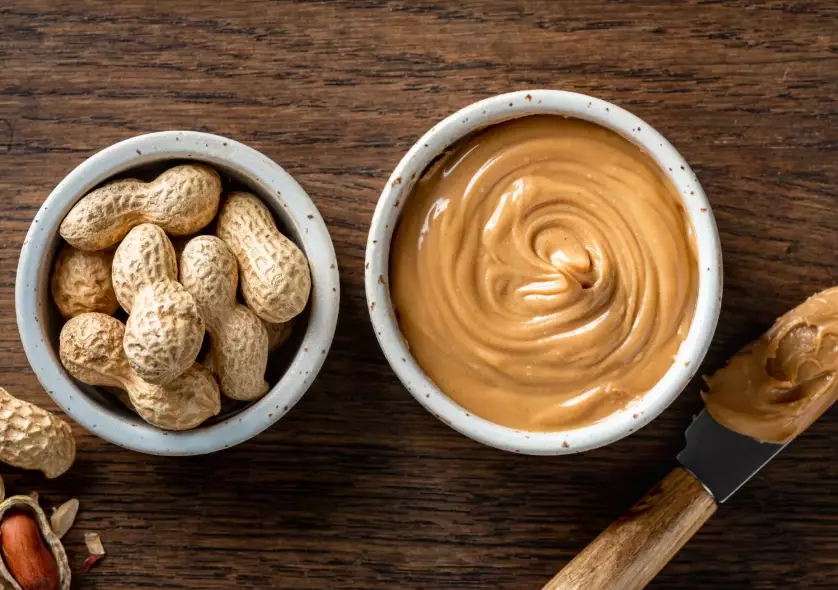
Flavor Boosters
If it tastes too plain at first, don't give up. Mix in:
- A pinch of sea salt or flaky finishing salt.
- A dash of cinnamon or pumpkin pie spice.
- A few drops of vanilla extract.
- A tiny bit of cocoa powder for a chocolate-peanut vibe.
Where to Use It
This isn't just for PB&J (though it makes a far less cloying sandwich).
- Smoothies: A tablespoon adds creaminess and protein without making it taste like dessert.
- Sauces: The base for a killer peanut sauce for noodles or salads. Just add soy sauce, lime, garlic, and a touch of chili.
- Oatmeal or Yogurt: Swirl it in for healthy fats. It's way better than sugary flavored syrups.
- Energy Bites: Mix with oats, a little honey or dates, and roll into balls. You control the sweetness.
Answering Your Top Questions (The Stuff You Actually Google)
A Few Downsides (Let's Be Real)
It's not all perfect. Here are the honest cons of choosing sugar free peanut butter.
The Texture Issue: It's not always the creamy, uniform spread from childhood. It can be gritty, oily, or stiff. This turns some people off immediately. I've learned to appreciate the more rustic texture, but I get it.
Convenience Factor: You have to stir it. You have to keep it refrigerated after opening (which makes it spread less easily on soft bread). It's a less convenient product, full stop.
Cost: True, single-ingredient peanut butter without added sugar often costs more than the big commercial brands loaded with sugar and hydrogenated oils. You're paying for less processing and simpler ingredients. Whether it's worth it is a personal budget choice.
The Final Scoop: Is It Right For You?
Choosing a peanut butter without added sugar is a step towards eating more whole, minimally processed foods. It's a simple swap with a noticeable impact on how you feel. You get more of the genuine peanut flavor and all the nutritional benefits without the unnecessary sweeteners that are in so much of our food supply.
Start simple. Next time you're at the store, find a jar where the ingredients say "Peanuts, Salt." Give it a proper stir, try it on an apple slice or celery stick, and see what you think. Your taste buds might be surprised at first, but they'll learn to love the real taste of peanuts again.
And hey, if you absolutely hate it? That's okay too. At least now you know how to read the label and make an informed choice. That's what really matters.
Reader Comments