You just made a sandwich, lid in hand, staring at the pantry shelf. Then at the fridge. Back to the pantry. Where does this jar go? It's a kitchen standoff we've all had. The short answer is: it depends, but usually yes for one type, and no for the other. But if you stop there, you're missing the nuances that affect taste, texture, and how long your peanut butter stays good. Let's settle this for good.
I've been through this myself. I once lost a nearly full jar of expensive natural peanut butter to rancidity because I treated it like the Skippy I grew up with. The smell was like old crayons. Not a mistake I'll make twice.
What's Inside?
The Science Behind the Spread: What Are We Actually Storing?
Peanut butter is mostly fat. That's the key. The enemy of fat is oxidation—exposure to air, heat, and light. When the oils in peanuts oxidize, they become rancid. Rancidity isn't usually a food safety issue in the sense of causing immediate illness (though consuming large amounts of rancid fats isn't great for you), but it absolutely ruins flavor and nutritional value.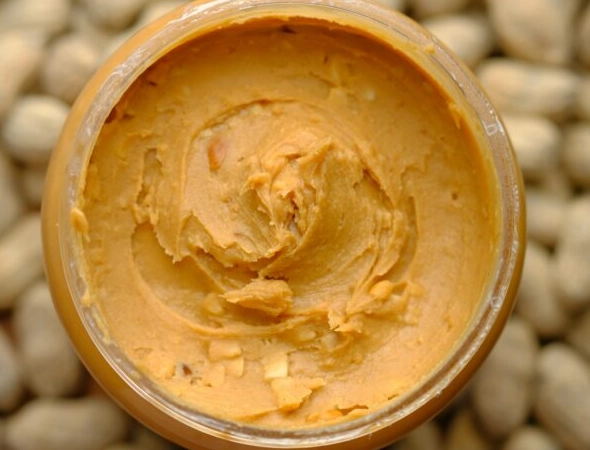
The other factor is water activity. Properly processed peanut butter has very low moisture, which makes it incredibly inhospitable to bacteria like salmonella. That's why the U.S. Food and Drug Administration (FDA) considers it a non-perishable, shelf-stable food. The real battle is against chemical spoilage (rancidity) and, in rare cases, mold.
Natural vs. Commercial: The Storage Rulebook Changes Completely
This is the single most important factor. Getting this wrong is the root of most storage problems.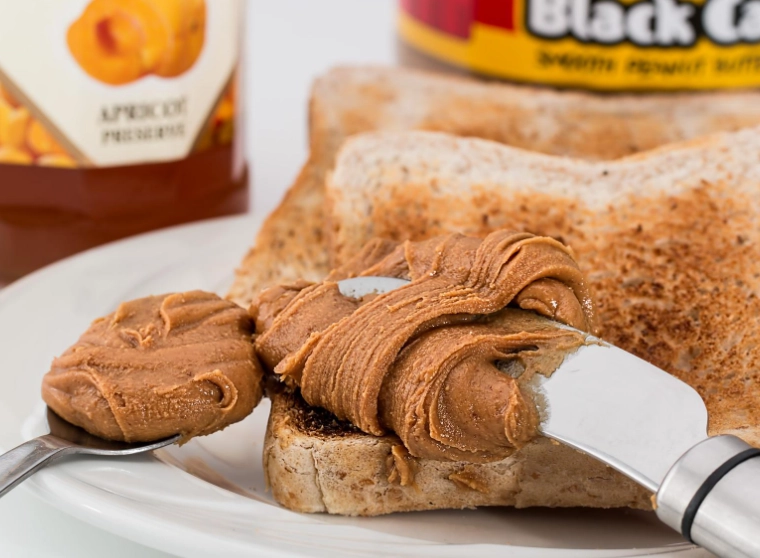
Natural Peanut Butter (The Fridge Mandate)
We're talking about the kind with one ingredient: peanuts. Maybe two: peanuts and salt. You see the oil layer on top. That separation is a dead giveaway.
No stabilizers like hydrogenated oils mean the natural peanut oils are free to mingle with oxygen. At room temperature, this happens fast. I've had jars go noticeably stale in just three weeks in a warm kitchen.
Verdict: Refrigerate after opening. Always. This keeps it fresh for 3 to 6 months. The cold also helps prevent the oils from separating as drastically between uses, though you'll still need to stir.
Commercial/Processed Peanut Butter (The Pantry Option)
This is your Jif, Skippy, Peter Pan. The ingredient list is longer, featuring stabilizers—usually hydrogenated vegetable oils—that keep the fat from separating and, crucially, from oxidizing quickly.
The manufacturers design these for pantry storage. The FDA's stance on shelf-stability is based on these products. An unopened jar can last a year or more past its "best by" date in the pantry. Opened, most brands recommend consuming within 2-3 months for best quality, but it remains safe much longer.
Verdict: Pantry is fine, but the fridge is better for longevity. If you take months to finish a jar or live in a hot climate, the fridge will preserve that "just opened" taste for over a year.
Pantry, Fridge, or Counter? Your Quick-Decision Table
>Maintains spreadability. Trade-off: Flavor slowly degrades in pantry after ~3 months.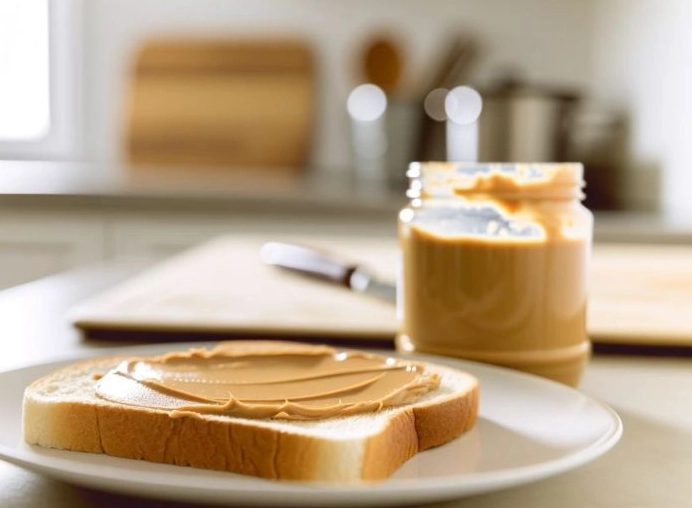
| Peanut Butter Type | After Opening (Ideal) | After Opening (Alternative) | Key Reason & Trade-off |
|---|---|---|---|
| Natural (Oil on Top) | Refrigerator | None. Really. | Prevents rapid rancidity. Trade-off: Hard to spread. Let it sit out for 10 mins. |
| Commercial (No-Stir) | Pantry (Cool & Dark) | Refrigerator for long-term storage | |
| Powdered Peanut Butter | Pantry (Airtight) | N/A | Almost no fat to go rancid. Just keep it dry. |
Notice I didn't list "counter" as an option for anything. Consistent room temperature is often warmer than you think, and light exposure is a rancidity accelerator. A dark pantry cupboard is always better than the countertop.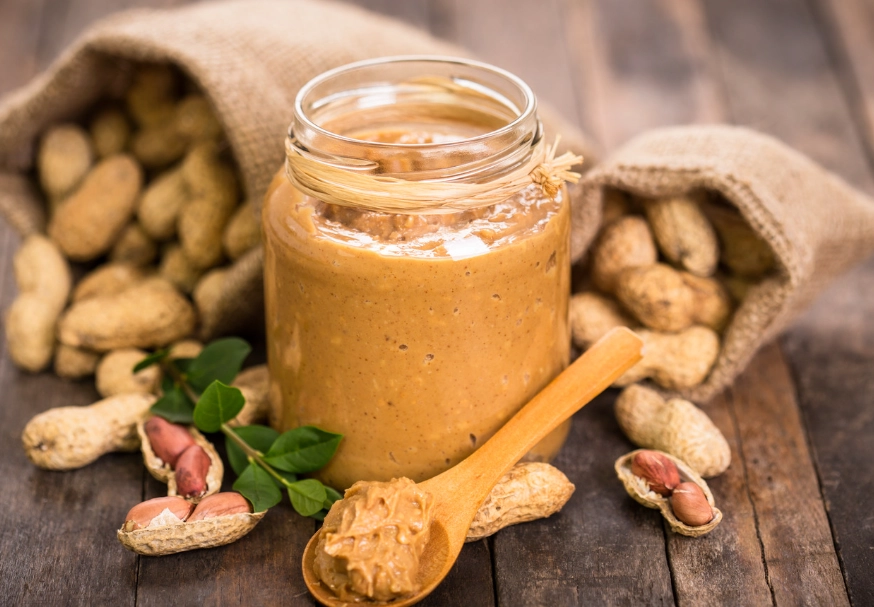
How to Tell If Your Peanut Butter Has Gone Bad
Trust your senses. "Best by" dates are guidelines for quality, not safety.
- Smell: The most reliable indicator. Fresh peanut butter smells nutty and roasty. Rancid peanut butter has a sharp, bitter, or stale odor—sometimes like old paint, crayons, or putty. If it smells off, it is off.
- Taste: A tiny taste will confirm. Rancidity is unmistakably bitter and unpleasant.
- Sight: Look for any signs of mold (uncommon but possible, especially in natural butters stored in humid conditions). Discoloration or dark spots are red flags. For natural butter, oil separation is normal. Just stir it back in.
- Texture: Extreme hardening or an unusual dryness can indicate advanced age, but texture alone isn't a spoilage sign.
Pro Tips & The Mistakes Almost Everyone Makes
Here's where a bit of experience pays off.
1. The Upside-Down Fridge Trick: For natural peanut butter, store the opened jar upside down in the refrigerator. Gravity helps the oil distribute through the peanut solids as it chills, making it marginally more cohesive and easier to scoop when you flip it back.
2. Don't "Double-Dip" with Crumby Knives. Introducing crumbs from bread, especially if it contains fats like butter, can introduce moisture and other oils that might hasten spoilage. Use a clean utensil every time.
3. Climate is a Silent Factor. If your kitchen is consistently above 75°F (24°C), the fridge becomes the better choice for all peanut butters. Heat speeds up chemical reactions exponentially.
4. The Long-Term Storage Secret: If you buy in bulk or want to store an opened jar for many months, press a piece of plastic wrap directly onto the surface of the peanut butter before sealing the lid. This minimizes air contact, the main cause of oxidation.
My personal rule? I buy natural. It goes in the fridge. I scoop out what I need for my oatmeal or sandwich and let it warm up on the plate while I make coffee. The texture is perfect by the time I'm ready. For commercial peanut butter I use in baking, it lives in the pantry because I use it up quickly.
Your Peanut Butter Storage Questions, Answered
So, do you have to refrigerate peanut butter? For the pure, natural stuff, it's a non-negotiable yes for anyone who cares about flavor. For the stabilized supermarket brands, you have a choice—pantry for convenience, fridge for preservation. Now you can close that lid and place the jar with confidence.
Reader Comments