Let's be honest. Most smoothie recipes promise the world—energy, health, deliciousness—but often deliver a sad, watery, or overly sweet concoction that leaves you hungry an hour later. I've thrown away my share of failed experiments. The peanut butter and yogurt smoothie is different. When you get it right, it's not just a drink; it's a satisfying, creamy, protein-packed meal that sticks with you. It's the breakfast I make three times a week, and the snack that saved me from countless afternoon slumps. This guide isn't about throwing random ingredients in a blender. It's about understanding why this combination works so well and giving you the control to make a perfect one every single time.
What's Inside: Your Smoothie Roadmap
The Can't-Mess-Up Base Recipe (With Science-Backed Ratios)
Forget vague "handfuls" and "splashes." Consistency is key. This base formula focuses on a balanced macronutrient profile—protein from yogurt and peanut butter, healthy fats for satiety, and natural carbs for energy. I learned this ratio after my smoothies kept separating or turning into concrete.
Classic Creamy Peanut Butter Yogurt Smoothie
Yield: 1 large serving (about 16 oz) | Prep: 5 min
What you need:
- Liquid Base (1 cup): 1 cup unsweetened almond milk or whole milk. Almond milk keeps it light; whole milk makes it richer.
- Protein & Cream (3/4 cup): 3/4 cup plain Greek yogurt. Must be Greek. Regular yogurt is too thin and won't give you that thick, creamy body.
- Healthy Fat & Flavor (2 tablespoons): 2 tablespoons natural peanut butter. The kind where oil sits on top. Avoid the sugary, emulsified stuff for a cleaner taste.
- Natural Sweetener (1 piece): 1 medium frozen banana (sliced before freezing). This is non-negotiable for creaminess and sweetness. No ice needed.
- Optional Boost: A pinch of salt. It sounds weird, but it makes the peanut butter flavor pop.
How to make it:
- Add the liquid to your blender first. This prevents everything from sticking to the bottom.
- Drop in the Greek yogurt, peanut butter, and frozen banana chunks.
- Blend on high for 45-60 seconds. Stop and scrape the sides once if needed. You're looking for a completely smooth, milkshake-like texture.
- Pour into a glass and drink immediately for the best texture.
Why these amounts? The 1:0.75 liquid-to-yogurt ratio is the sweet spot. Too much liquid, and it's soup. Too little, and your blender struggles. The frozen banana replaces ice, preventing dilution while adding fiber and potassium. According to the USDA FoodData Central, this single smoothie packs roughly 25-30 grams of protein and 8-10 grams of fiber, making it a legit meal replacement.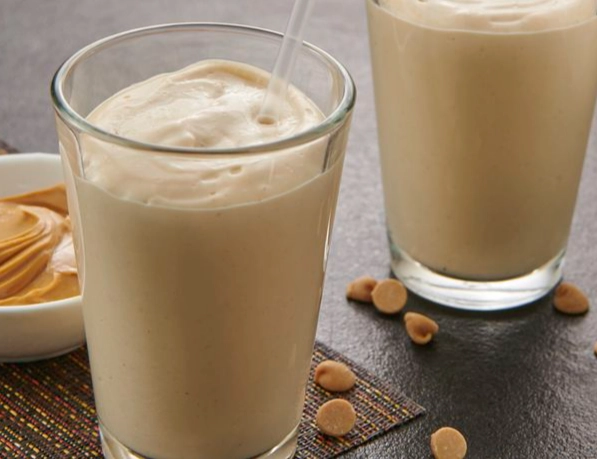
Expert Blending Secrets Most Blogs Miss
Anyone can follow a recipe. Making a great smoothie requires some insider knowledge. Here are the subtle tweaks that make a dramatic difference.
Ingredient Temperature is Everything
The biggest mistake? Using a fresh banana and adding ice. You'll get a lukewarm, watery mess. Your peanut butter and yogurt smoothie should be cold and thick without a single ice cube. The trick is to use pre-frozen components.
- Freeze your bananas in chunks. Peel, slice, and store them in a bag. Overripe bananas are best.
- Consider freezing your yogurt. Spoon Greek yogurt into an ice cube tray. Two yogurt cubes can replace part of the fresh yogurt for an even thicker result.
- Use cold milk straight from the fridge.
This method guarantees a frosty, creamy texture every time. No dilution, no weak flavor.
Pro Tip: The Peanut Butter Choice I made the switch to natural peanut butter years ago, and I won't go back. The ingredient list is just peanuts and salt. Brands like Jif or Skippy have added sugars and hydrogenated oils that can leave a filmy aftertaste and alter the nutritional profile. For the smoothest blend, stir the natural jar well and store it upside down to keep the oil integrated.
Blender Order and Technique
Layer your ingredients from liquid to solid. Liquid first, then yogurt, then peanut butter, then frozen fruit on top. This creates a vortex that pulls everything down smoothly. Start on a low setting for 10 seconds to break things up, then blast it on high. If it's not moving, add one tablespoon more liquid at a time. Patience here beats a watery disaster.
5 Flavor Variations to Beat Boredom
The base recipe is a champion, but your taste buds need adventure. Try these twists by adding one of the following combinations to the base.
1. Chocolate Banana Bliss: Add 1 tablespoon unsweetened cocoa powder and a 1/2 teaspoon of vanilla extract. Tastes like a dessert but fuels your morning.
2. Berry Nutty: Replace half the frozen banana with 1/2 cup frozen mixed berries (strawberries, blueberries). The tartness of the berries cuts through the richness beautifully.
3. Coffee Kickstart: Replace 1/4 cup of the milk with cold brew coffee concentrate. Add 1/2 teaspoon of cinnamon. Perfect for a pre-workout or morning replacement.
4. Green Monster: Add a big handful of fresh spinach. You won't taste it, I promise. The peanut butter and banana completely mask it, but you get a major nutrient boost.
5. Tropical Escape: Replace the banana with 1 cup frozen mango chunks and add 1/4 teaspoon of coconut extract. Use coconut milk as your liquid base for the full effect.
Mix and match. The framework is sturdy. Once you master the texture, the flavors are your playground.
Your Smoothie Problems, Solved
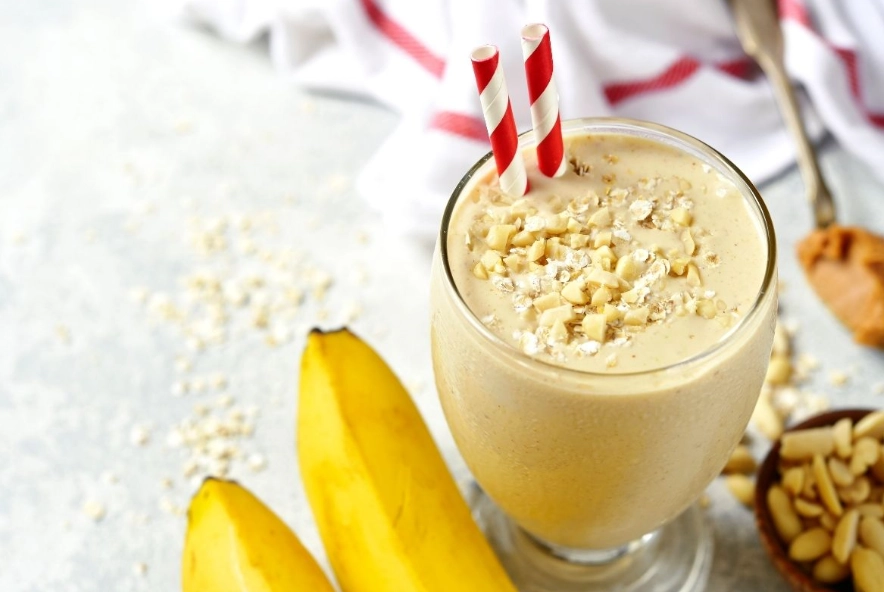 The peanut butter and yogurt smoothie is more than a trend. It's a reliable, customizable template for a fast and nutritious meal. It fixes the hunger problem other smoothies create. Start with the base, respect the frozen fruit rule, and don't be afraid to tweak it to your taste. Once you nail the method, you'll have a go-to recipe that feels indulgent but fuels your body right. Now, go make one. Your blender is waiting.
Reader Comments