You know that moment when you bite into something and it's just... everything? Creamy, sweet, salty, with a texture that's somehow both dense and light. That's peanut butter fudge marshmallow fluff. It's not just a dessert; it's a mood-lifter, a party hero, and the answer to a serious sugar craving. Forget the store-bought versions packed with stabilizers. The real magic happens in your kitchen with a bowl, a saucepan, and about 15 minutes of active time.
I've been making variations of this no-bake peanut butter fudge for over a decade, from church potlucks to last-minute dinner parties. The classic combo of peanut butter and marshmallow is unbeatable, but getting that perfect fudge consistency—firm enough to slice, soft enough to melt on your tongue—is where most recipes fall short. They either end up a sticky mess or a crumbly brick. We're going to fix that for good.
Your Quick Recipe Roadmap
Why This No-Bake Fudge Actually Works
Most failed fudge recipes blame the cook. It's usually the recipe's fault. The core science here is simple: you need enough sugar and fat to interrupt the protein structure of the peanut butter and marshmallow, preventing them from seizing up into a taffy-like glob. This recipe uses a boiled sugar-butter-milk mixture to create a stable base that, when whipped into the peanut butter and marshmallow fluff, sets into a smooth, sliceable confection.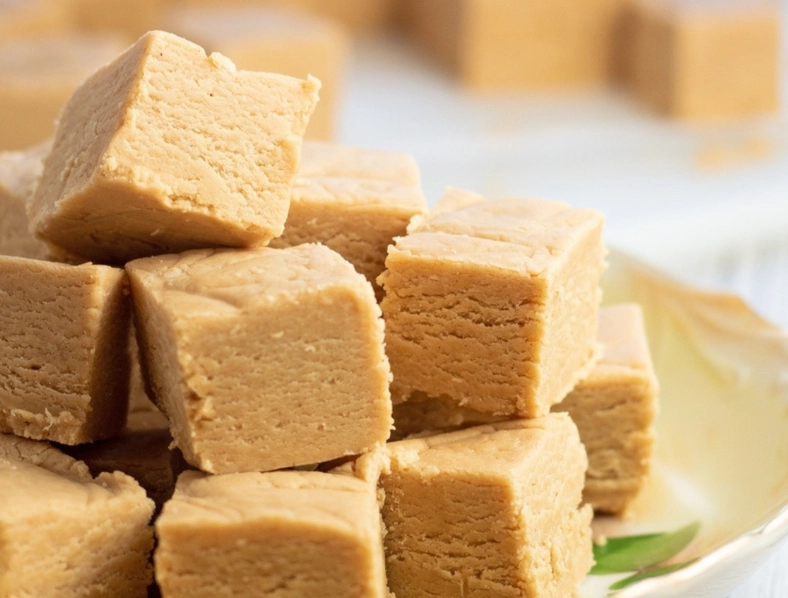
The marshmallow fluff (or creme) isn't just for sweetness. It introduces air and a specific type of gelatinous structure that gives the final product its signature "fluff" in the name—a lighter mouthfeel compared to traditional, tooth-achingly dense fudge. According to food science resources like those from America's Test Kitchen, the combination of sucrose from the sugar and the proteins in the dairy and peanut butter is key to proper crystallization, or in our case, the prevention of large, gritty crystals.
The Ingredients: What You Really Need (And Why)
Let's get specific. Using the right type of each ingredient is the difference between good fudge and great fudge.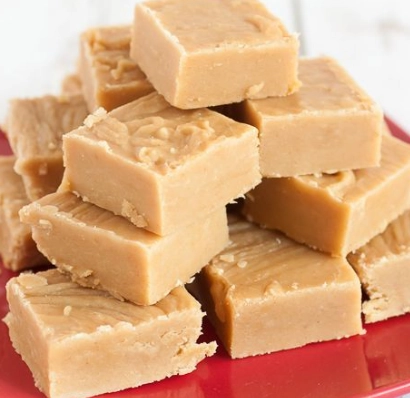
- Granulated Sugar: 2 cups. This is your primary sweetener and structure-builder. Don't substitute with all brown sugar; it contains molasses which adds moisture and can prevent proper setting.
- Unsalted Butter: 1/2 cup (1 stick). Use the real thing. Margarine has a higher water content and different fat structure that can lead to a greasy, soft fudge.
- Evaporated Milk: 2/3 cup (not sweetened condensed milk!). This is the secret weapon. It's concentrated milk with less water, so it contributes rich dairy flavor and proteins without making the sugar syrup too watery. This is a non-negotiable for the right texture.
- Creamy Peanut Butter: 1 cup. Use a standard, no-stir brand like Jif or Skippy. Natural peanut butter (the kind with oil separation) will make your fudge oily and prone to separation. You need the emulsifiers in commercial peanut butter for a stable blend.
- Marshmallow Fluff/Creme: One 7-ounce jar. This is about 1 3/4 cups lightly packed.
- Pure Vanilla Extract: 1 teaspoon. Enhances all the other flavors. Imitation vanilla can taste artificial here.
- Fine Sea Salt: 1/4 teaspoon. Crucial for balancing the sweetness and making the peanut butter flavor pop.
How to Make Peanut Butter Fudge Marshmallow Fluff: A Foolproof Guide
Follow these steps in order. Rushing or substituting steps is the main cause of fudge failure.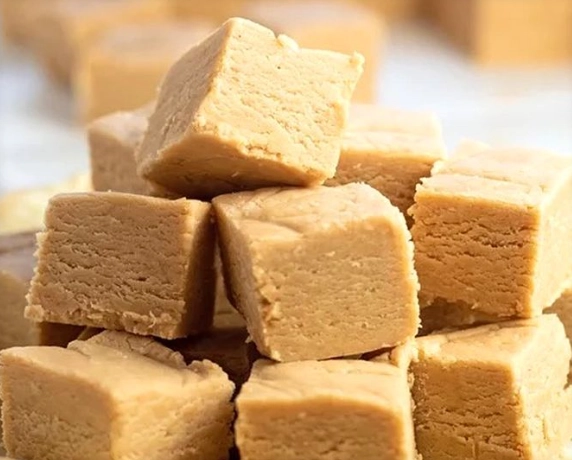
- Prepare Your Pan. Line an 8x8 inch square baking pan with parchment paper, letting the edges hang over for easy removal. Don't grease it—the parchment is enough.
- Create the Sugar Syrup Base. In a heavy-bottomed saucepan (this prevents hot spots and burning), combine the granulated sugar, evaporated milk, and butter. Attach a candy thermometer to the side of the pan. Cook over medium heat, stirring constantly with a wooden spoon or heatproof spatula until the butter melts and the sugar dissolves.
- The Critical Boil. Bring the mixture to a full, rolling boil. Once boiling, stop stirring. Let it boil steadily for 5 minutes. Do not stir during this time. The temperature should reach between 234°F and 238°F (112°C to 114°C), the "soft-ball stage" in candy-making. If you don't have a thermometer, test by dropping a small bit into a cup of cold water. It should form a soft, pliable ball that flattens when removed.
- Combine the Wet Ingredients. Remove the pan from heat immediately. Quickly add the entire jar of marshmallow fluff, the peanut butter, vanilla extract, and salt. The residual heat will melt everything.
- Beat It. Now, beat the mixture vigorously with a wooden spoon or an electric hand mixer on low for 1-2 minutes until everything is completely combined, smooth, and slightly thickened. You'll see it lose its gloss and become more matte. This step is key for a smooth texture—it encourages the right kind of micro-crystallization.
- Set and Slice. Immediately pour the fudge into your prepared pan. Smooth the top with a spatula. Let it cool at room temperature for about 1 hour, then refrigerate for at least 3-4 hours, or until completely firm. Use the parchment paper to lift the whole slab out before cutting into 1-inch squares with a sharp knife.
3 Delicious Variations to Try Tonight
The base recipe is perfect, but sometimes you want to mix it up. Here are my favorite twists, tested and approved.
Chocolate Swirl Peanut Butter Fudge
After pouring the fudge into the pan, melt 1/2 cup of semi-sweet chocolate chips with 1 teaspoon of shortening. Drizzle over the top and use a knife or toothpick to swirl it gently into the surface. The contrast is stunning.
Salted Caranut Fluff Fudge
Stir in 1/2 cup of roughly chopped roasted, salted peanuts along with 1/2 cup of caramel baking bits (like Kraft Caramel Bits) during the final mixing stage. The salty crunch and gooey caramel pockets take it to another level.
Cookie Butter Fluff Fudge
Replace 1/2 cup of the peanut butter with speculoos cookie butter. The warm spice notes from the cookie butter create a completely different, almost holiday-style flavor profile that's incredible.
Storing & Serving Your Homemade Fudge
This fudge stores beautifully. Keep it in an airtight container in the refrigerator for up to 2 weeks. The cold makes it firmer and gives a fantastic, almost chewy texture. You can also freeze it for up to 3 months; layer squares between parchment paper in a freezer bag. Thaw in the fridge overnight.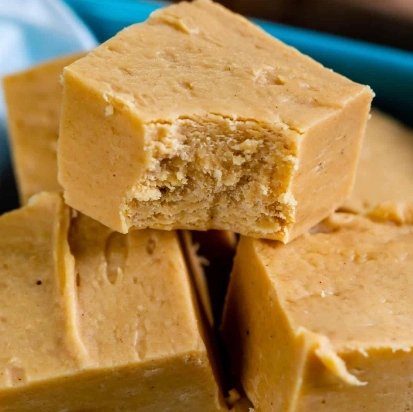
Serve it straight from the fridge. It's rich, so small squares are perfect. It's a guaranteed hit at bake sales, holiday gift boxes (it ships well if packed carefully), or as a sweet treat with afternoon coffee.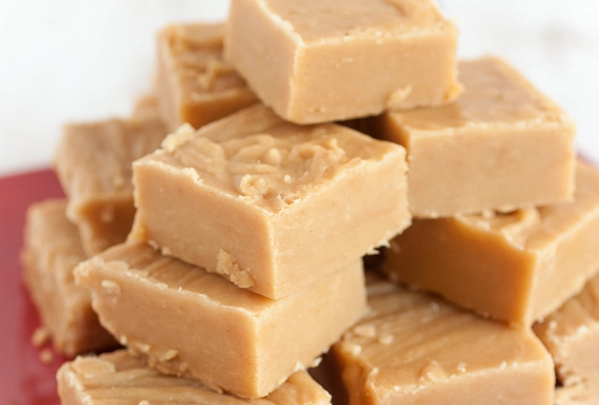
Reader Comments