You grabbed the jar, you're ready to bake those cookies or whip up a sauce, and the recipe calls for half a cup of peanut butter. A thought hits you: just how many calories am I about to stir into this bowl? It's a smart question. That creamy (or crunchy) goodness is packed with flavor and nutrition, but it's also energy-dense. The short, average answer is that 1/2 cup of standard peanut butter contains roughly 760 to 800 calories. But that's just the starting point. Where that number lands depends entirely on the brand in your pantry—natural, reduced-fat, or loaded with added sugar and oil—and that's where most generic calorie counts fail you.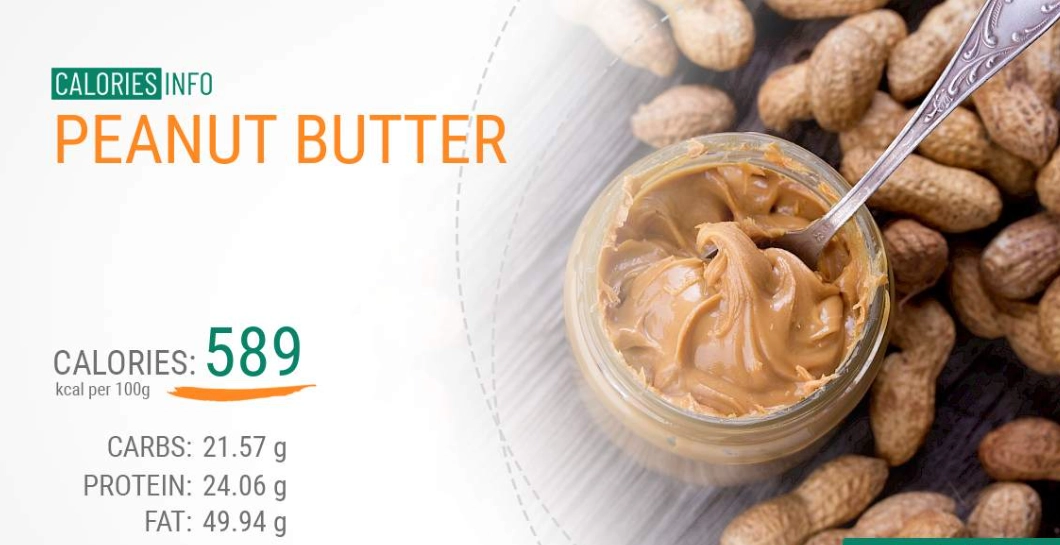
I've been tracking nutrition for my own cooking and client meal plans for over a decade, and the biggest mistake I see is people using a generic "peanut butter calories" entry in their app. It can be off by 100 calories or more for a half-cup serving, which over a week adds up. This guide will give you the exact numbers for popular brands, show you how to measure accurately (because a heaping half-cup is a calorie budget buster), and explain how to fit this calorie-dense food into a healthy diet without fear.
What You'll Find in This Guide
How Many Calories Are in 1/2 Cup of Peanut Butter? (Spoiler: It Varies Wildly)
Let's get specific. A "half cup" is a volume measurement equal to 8 level tablespoons. But calories depend on weight and ingredients. Most conventional peanut butters have around 190 calories per 2-tablespoon (32g) serving. Do the math: 8 tbsp = 4 servings. 4 x 190 = 760 calories.
But here's the non-consensus part everyone misses: "Natural" peanut butter often has MORE calories per half cup than the standard stuff. Why? It has a higher oil content that isn't stabilized with hydrogenated oils, so it's denser. A half-cup volume of a runny natural brand can weigh more, packing in more calories. Conversely, "reduced-fat" versions replace some fat with extra sugar or fillers like maltodextrin, which still have calories, so the savings are less impressive than you'd think.
| Peanut Butter Type & Brand (Example) | Serving Size (2 Tbsp) | Calories per 2 Tbsp | Calories in 1/2 Cup (8 Tbsp) | Key Difference |
|---|---|---|---|---|
| Conventional (e.g., Jif Creamy) | 32g | 190 | 760 | Added sugar, hydrogenated oils for stability. |
| "Natural" with stabilizers (e.g., Skippy Natural) | 33g | 200 | 800 | Palm oil added to prevent separation, slightly higher cal density. |
| 100% Natural, Oil-On-Top (e.g., Smucker's Natural) | 32g | 210 | 840 | Just peanuts & salt. Higher oil content per volume if not stirred well. |
| Reduced Fat (e.g., Jif Reduced Fat) | 35g | 190 | 760 | Same calories! Fat replaced with corn syrup solids & sugar. |
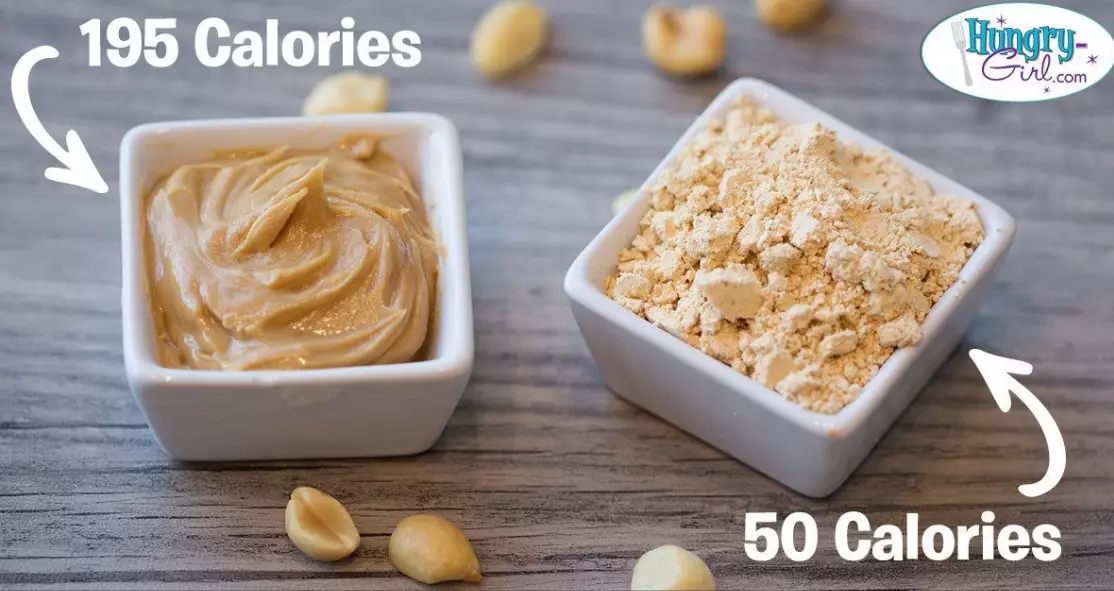
| Powdered Peanut Butter (e.g., PB2) | 12g (2 Tbsp powder) | 60 | ~240* | *When reconstituted with water. Dramatically lower fat & calories. |
See the problem with a single "average" number? That half-cup in your recipe could be 760 calories or 840. For someone meticulously tracking, that 80-calorie gap matters. Always check your jar's nutrition label and do the math: Calories per serving × 4 = Calories per 1/2 cup.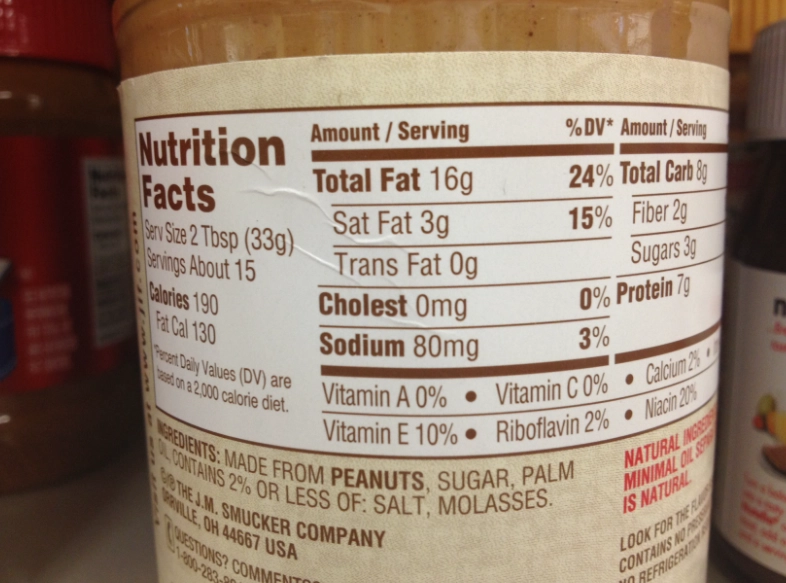
How to Accurately Measure Peanut Butter for Calorie Counting
This is the step that ruins most people's calculations. Scooping peanut butter with a measuring cup is a messy, inaccurate disaster. You trap air pockets, you get a heaping mound, and the sticky residue left behind means you're actually using less than you think—or more. The only reliable way, especially for baking, is by weight.
The Golden Rule: Weigh, Don't Scoop
Place your mixing bowl on a kitchen scale and tare it to zero. Spoon peanut butter directly into the bowl until the scale reads the correct weight for your half-cup. How do you find that weight? Look at your jar's serving size in grams. A half-cup is 4 servings. If one serving is 32g, you need 128g. This method is clean, precise, and eliminates the "packed cup" error that can easily add an extra tablespoon (95+ calories) without you realizing it.
If you must use measuring cups, use the "spoon and level" method for dry ingredients. Spoon peanut butter into the cup without packing it, then level it off with a straight edge like a knife. Don't just dunk the cup into the jar. For natural peanut butter, you must stir the oil in thoroughly first. If you measure from the top of an unstirred jar, you're getting almost pure oil, which is nearly 120 calories per tablespoon alone.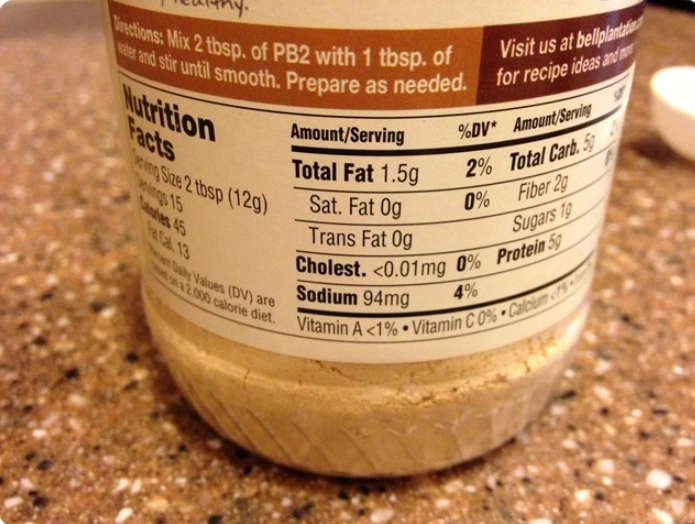
The "Eyeballing" Trap in Everyday Use
For a quick snack, you're not going to break out the scale. Most people grab a spoon straight from the jar. That "spoonful" can range from a modest 1-tbsp dollop to a massive 3-tbsp mountain. That's the difference between 95 and 285 calories before you even put it on your apple. My advice? Dedicate a specific tablespoon for your peanut butter jar. Train your eye to what a true level tablespoon looks like on that spoon. It saves you from accidental calorie doubling.
Is 800 Calories Too Much? Fitting Peanut Butter into Your Diet
Seeing 760-840 calories for a half-cup can be shocking. It's a significant portion of a daily calorie goal. But remember, in a recipe, that half-cup is divided into many servings. The real question is how to use peanut butter strategically for its benefits—protein, healthy fats, magnesium—without going overboard.
- For Cooking & Baking: The calories are diluted. That half-cup in a batch of 24 cookies adds about 32 calories per cookie from the peanut butter. The context matters.
- As a Direct Spread or Dip: This is where control is key. Stick to a measured 1 or 2 tablespoons (95-190 cal). Pair it with high-volume, low-calorie foods: celery sticks, apple slices, a rice cake.
- The Satiety Factor: Those calories come with about 16-20 grams of protein and 14-16 grams of mostly unsaturated fat per half-cup. This combo is incredibly satiating. A 200-calorie portion of peanut butter on toast will keep you full far longer than a 200-calorie bag of pretzels.
I once worked with a client who thought she had to cut out peanut butter to lose weight. She was miserable. We simply swapped her giant, unmeasured globs on toast for a measured 2-tbsp portion and added sliced banana for bulk. She stayed satisfied, enjoyed her food, and stayed in her calorie target.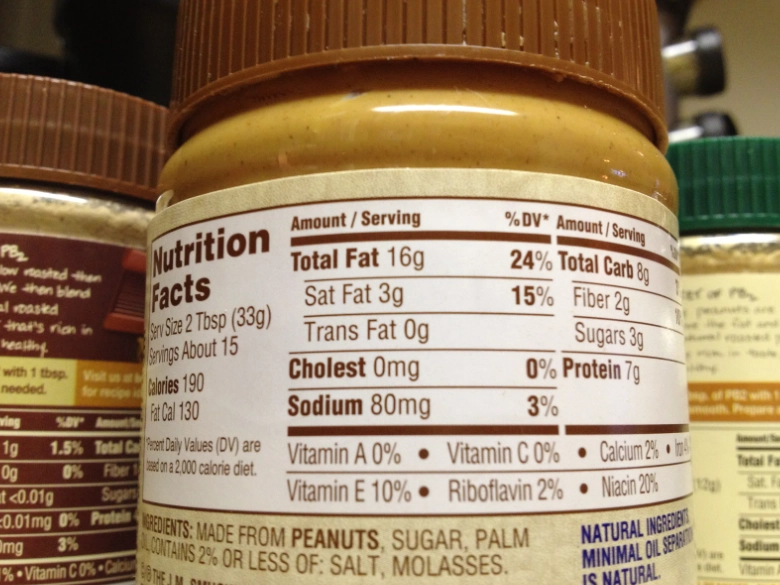
Doing the Calorie Math: From Jar to Finished Recipe
Let's walk through a real scenario. You're making a classic peanut butter sauce for noodles or satay. The sauce recipe calls for 1/2 cup of peanut butter, along with soy sauce, lime juice, garlic, and a bit of honey.
1. Identify Your Ingredient: You're using Kirkland Signature Organic Peanut Butter. The label says: 2 Tbsp (32g) = 210 calories.
2. Calculate the Half-Cup: 4 servings x 210 calories = 840 calories from the peanut butter.
3. Add Other Ingredients: Let's say the other sauce ingredients add another 150 calories. Total sauce calories = ~990.
4. Divide by Servings: This sauce recipe makes about 4 servings. 990 ÷ 4 = 247.5 calories per serving of sauce.
Now you know. That rich, flavorful sauce serving is about 250 calories, with the majority coming from the healthy fats and protein in the peanut butter. This knowledge lets you balance the rest of your meal—maybe adding more vegetables and lean protein to your noodles.
Your Peanut Butter Calorie Questions, Answered
So, the next time a recipe calls for half a cup, you're armed with more than just a vague number. You know it's a range, you know how to find your specific count, and you know the smartest ways to measure and use it. Peanut butter is a kitchen powerhouse—respect its calorie density, and you can enjoy every last bit of it without derailing your goals.
Reader Comments