Quick Guide
Let's be honest, the first time you saw "sugar free peanut butter" on a jar, you probably did a double take. Peanut butter without sugar? Isn't that just... ground peanuts? Well, sort of. But the world of healthy spreads has evolved, and this category has exploded for good reason. People are cutting back on added sugars, managing carbs, or just trying to eat cleaner. I remember picking up my first jar years ago, skeptical about how it would taste. Would it be bitter? Bland? A complete disappointment?
Turns out, my worries were mostly unfounded, but it taught me a crucial lesson: not all sugar free peanut butters are created equal. Some are fantastic, pure products. Others are a lesson in deceptive labeling, swapping sugar for other questionable stuff. This isn't just about finding a spread for your toast. It's about navigating a health trend, understanding what you're really putting in your body, and finding options that actually taste good.
So, if you're diabetic, following a keto diet, or just someone who wants to ditch unnecessary sweeteners, you're in the right place. We're going deep on this.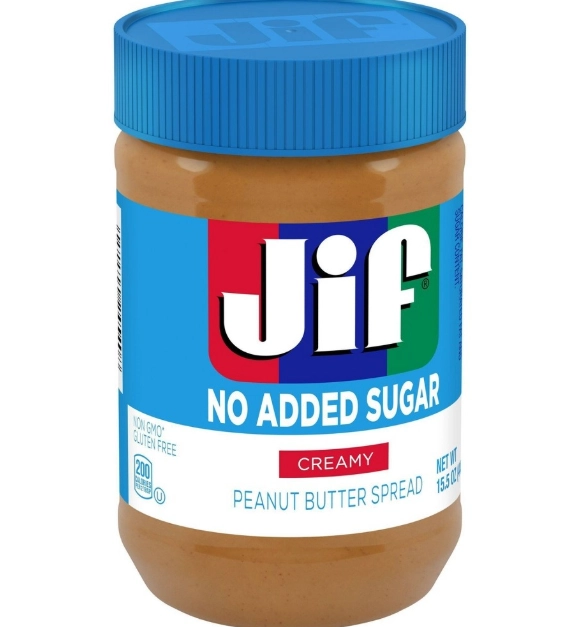
Why Go Sugar Free? The Benefits Beyond the Label
Choosing a sugar free peanut butter isn't just a random dietary whim. For many, it's a strategic move with some solid potential upsides. Let's break down the why.
First and foremost, it's about blood sugar control. Regular peanut butter, even the "natural" kinds, can have 2-4 grams of added sugar per serving. That might not sound like much, but it adds up, especially for people with insulin resistance, prediabetes, or type 2 diabetes. Removing that added spike can help maintain steadier energy levels. The American Diabetes Association emphasizes the importance of limiting added sugars, and a sugar free peanut butter fits neatly into that plan.
Then there's the keto and low-carb crowd. Net carbs are king here. By eliminating added sugars, a serving of sugar free peanut butter can have as little as 3-4 grams of net carbs, making it a viable fat-rich snack or recipe ingredient. It's a way to get those healthy fats and protein without kicking yourself out of ketosis.
But even if you're not on a specific diet, there's a simplicity argument. Peanuts, salt. That's it. You get the full, unadulterated nutritional profile of the peanut: a great source of monounsaturated fats (the heart-healthy kind), plant-based protein, fiber, magnesium, and vitamin E. When you add sugar, you're diluting that nutrient density with empty calories. A high-quality sugar free peanut butter lets the peanut shine.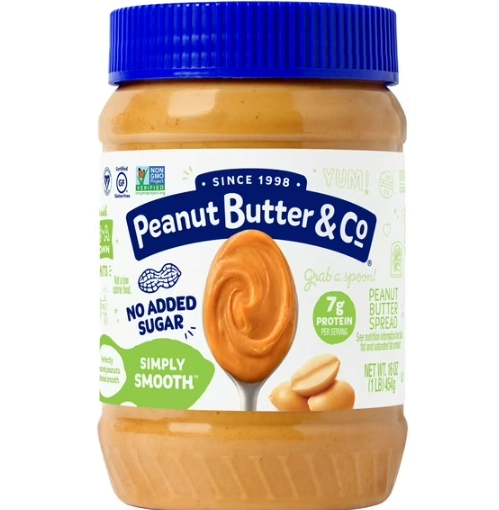
The Potential Downsides (Let's Not Sugarcoat It)
Okay, it's not all sunshine and roasted peanuts. There are trade-offs. The most obvious one is taste. Our palates are accustomed to sweetness. Removing it can make the natural slight bitterness of peanuts more pronounced. Some brands compensate for this by adding more salt, which brings its own set of concerns if you're watching sodium.
A bigger issue, in my opinion, is the "frankenfood" trap. Some manufacturers, in their quest to make a sugar free product that still tastes sweet, load it up with artificial sweeteners like sucralose or sugar alcohols like maltitol. For some people, sugar alcohols can cause significant digestive distress (think bloating and gas). It defeats the purpose of choosing a "clean" whole food product. You have to become a label detective.
Texture can be another thing. Sugar, in some formulations, contributes to creaminess and prevents oil separation. Some sugar free versions can be drier or have a grittier mouthfeel. But honestly, a good stir usually solves the oil problem, and I've come to prefer the more substantial texture.
How to Pick a Winner: Your Label Decoder Guide
This is the most important part. Walking down the nut butter aisle can be overwhelming. "Natural," "No Sugar Added," "Sugar Free"—what's the difference? Here’s how to cut through the marketing.
First, the ingredient list. This is non-negotiable. The ideal list is two items: peanuts, salt. Sometimes just peanuts. That's the gold standard for a pure sugar free peanut butter. If you see anything beyond that, pause. "Palm oil" or fully hydrogenated vegetable oils are added to stabilize and prevent oil separation—it creates a uniform, spreadable texture but adds unnecessary saturated fat. Then come the sweetener substitutes: look for words like "maltitol," "erythritol," "sucralose," "aspartame," or "monk fruit extract." Decide if you're okay with these. My personal rule? If I wanted a sweet peanut butter, I'd buy the regular kind. I go for the pure stuff.
Second, the nutrition facts panel. Look at "Total Sugars." In a true sugar free peanut butter, this should be 1-2 grams, all of which are naturally occurring from the peanuts themselves. Then, crucially, check "Added Sugars." This should be 0g. This is a newer labeling requirement that's a total game-changer. Also, glance at the sodium if you're concerned—it can vary wildly from 0mg to 150mg per serving.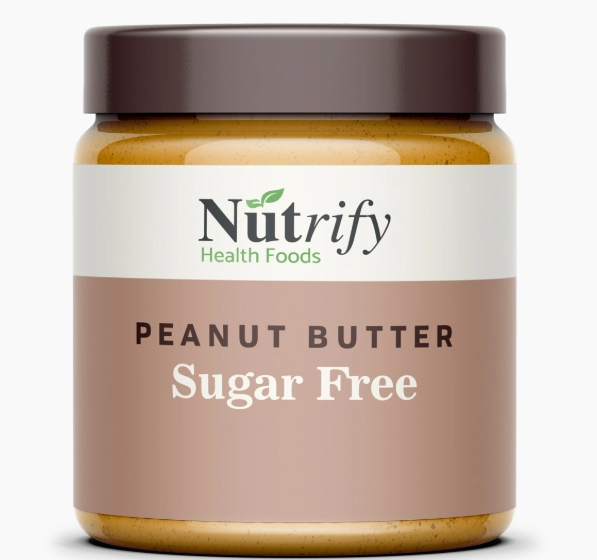
Third, consider the grind. Do you like creamy or crunchy? This is pure preference. I find that crunchy sugar free peanut butter can feel more satisfying and natural, distracting a bit from the lack of sweetness with its texture.
Head-to-Head: Top Sugar Free Peanut Butter Brands Compared
I've tried a lot of these over the years. Some have become pantry staples; others were a one-time experiment. Here's a breakdown of some prominent players to give you a starting point. Remember, taste is subjective! What I find bland, you might find perfectly rich.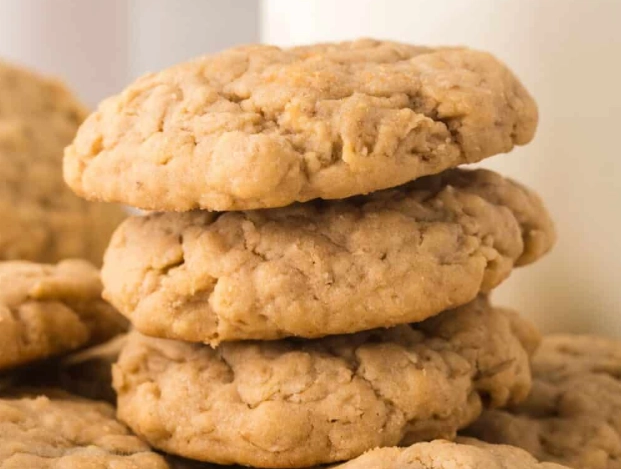
| Brand & Product | Key Ingredients | Notes & Taste Profile | Best For |
|---|---|---|---|
| Smucker's Natural Peanut Butter (No Salt Added) | Peanuts | The purist's choice. Just ground peanuts. Oil separation is heavy, requires serious stirring. Taste is purely, intensely peanut. No salt means it can taste a bit flat to some. | Those wanting absolutely no additives; keto/paleo purists. |
| Crazy Richard's 100% Peanuts | Peanuts | Similar to Smucker's but I find the texture a bit creamier. Still just one ingredient. A reliable, widely available single-ingredient option. | Clean eaters looking for a slightly smoother texture. |
| Santa Cruz Organic Dark Roasted | Organic Peanuts, Salt | The dark roasting makes a HUGE difference. It adds a deep, almost coffee-like nuttiness that compensates for lack of sugar. My personal favorite for flavor. Organic too. | Flavor seekers who miss the complexity sugar can bring. |
| Justin's Classic Peanut Butter | Dry Roasted Peanuts, Palm Oil, Salt | Contains palm oil for stability (no-stir). Creamy and consistent. Tastes good, but the added oil is a downside for ingredient purists. Widely available in small packets too. | Convenience seekers who hate stirring and want a reliable taste. |
| PB2 Powdered Peanut Butter (Original) | Roasted Peanuts, Sugar, Salt | **Wait, this has sugar!** I'm including it as a cautionary tale and because people often confuse it. The "Original" has added sugar. You must seek out the "Sugar Free" version specifically, which uses almonds and stevia. It's a powdered, low-fat option. | Those wanting a low-calorie, low-fat option for smoothies or sauces (get the Sugar Free version!). |
See what I mean? The landscape varies. The USDA FoodData Central is a great resource if you want to get into the nitty-gritty of the exact micronutrient profiles of different peanuts and products.
Making the Switch: How to Actually Enjoy It
If you're used to sweetened peanut butter, jumping straight to a pure, sugar free peanut butter can be a shock. Here are some tricks to make the transition easier and actually enjoy your new jar.
Pair it with something naturally sweet. This is the easiest hack. Spread it on a banana. Mix it into plain Greek yogurt with a handful of berries. Use it as a dip for apple slices. The fruit's fructose will provide the sweetness your taste buds crave, while the peanut butter adds fat and protein to balance the meal.
Use it in savory applications. This is where it truly shines. Its pure, salty, nutty flavor is perfect for Thai-style peanut sauces (just add lime, coconut milk, chili, and a touch of a sugar-free sweetener if needed), satay marinades, or stirred into hearty soups and stews for richness. It's a fantastic base for salad dressings too.
Give your taste buds time to adjust. This is real. If you cut out added sugars, your palate resets. After a few weeks of eating sugar free peanut butter, the regular kind will start to taste cloyingly sweet. You'll begin to appreciate the deeper, more complex roasted flavors in the unsweetened version.
Frequently Asked Questions (Stuff You're Probably Wondering)
The Final Verdict: Is It Worth It?
For me, absolutely. Switching to a pure sugar free peanut butter was one of those small dietary changes that had a big impact on how I think about food. It forced me to read labels more carefully and appreciate the natural flavor of ingredients. I don't miss the sugar at all. In fact, when I accidentally taste regular peanut butter now, it feels like eating frosting.
That said, it's not a magical health food. It's a tool. A very tasty, versatile, and nutritious tool. If your goal is to reduce added sugar intake, manage carbs, or simply eat fewer processed ingredients, finding a good sugar free peanut butter is a no-brainer. Start with a small jar of one of the single-ingredient brands, or go for a dark roast like Santa Cruz if you're worried about flavor. Give it a fair shot, pair it wisely, and let your palate adjust.
At the end of the day, the best peanut butter is the one you'll actually eat and enjoy. For a growing number of us, that's turning out to be the kind that lets the humble peanut speak for itself, no sugar required.
- For the Purist: Smucker's Natural (Peanuts Only)
- For Best Flavor: Santa Cruz Organic Dark Roasted
- For Ultimate Convenience (no-stir): Justin's (acknowledging the palm oil)
- For Baking/Cooking: Any affordable, single-ingredient store brand.
The journey to finding your perfect sugar free peanut butter might take a jar or two, but it's a tasty exploration. Happy spreading!
Reader Comments