Let's cut to the chase. A standard cup of peanut butter—that's about 258 grams—packs roughly 1510 to 1600 calories. But that number isn't set in stone. It swings based on whether you're scooping natural, crunchy Jif, or some organic brand from the health food aisle. I've spent years tracking nutrition, and the biggest mistake people make is assuming all peanut butter is the same. This guide will walk you through the exact counts, why they vary, and how to use this info without driving yourself crazy.
What's Inside This Guide
The Exact Calorie Count for a Cup of Peanut Butter
Here's the baseline. According to the USDA FoodData Central—the go-to source for food composition data—one cup of smooth peanut butter with salt contains approximately 1517 calories. For chunky styles, it's slightly higher, around 1540 calories, due to the added peanut pieces. But that's just the start.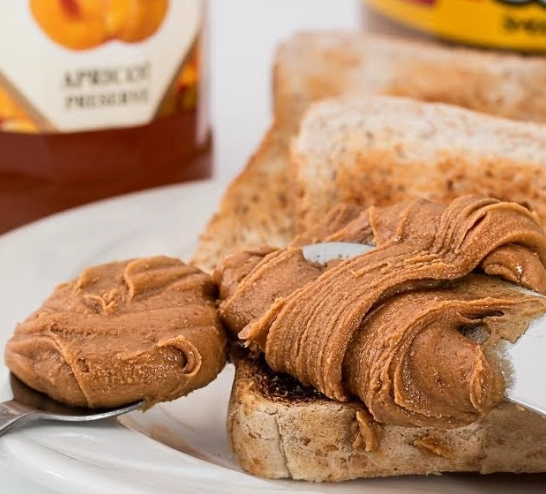
I remember helping a friend with diet planning last year. She was using a generic log that said "peanut butter: 1500 calories per cup." Turns out, her brand had added sugar and palm oil, pushing it closer to 1600. That extra 100 calories daily can add up to over 10 pounds a year if you're not careful.
Let's break it down with a table. This compares common types based on USDA data and popular brand labels.
| Type of Peanut Butter | Calories per Cup (approx.) | Notes |
|---|---|---|
| Smooth, conventional (e.g., Jif, Skippy) | 1520-1580 | Often includes added sugars and hydrogenated oils. |
| Chunky, conventional | 1540-1600 | Peanut bits increase density slightly. |
| Natural, stirred (oil on top) | 1510-1550 | Just peanuts and salt; calories depend on oil separation. |
| Powdered peanut butter (reconstituted) | 600-700 | Dramatically lower because fat is removed; not a direct cup comparison. |
| Organic, no-stir varieties | 1530-1570 | May use palm fruit oil to prevent separation, adding minimal calories. |
Notice the range? It's why I always check the label. A cup is a volume measure, not weight, so density matters. If your peanut butter is denser—like some natural ones if you don't mix the oil—you might get more calories per cup.
What Changes the Calorie Count? Key Factors Explained
Calories in peanut butter aren't just about peanuts. Here's what actually moves the needle.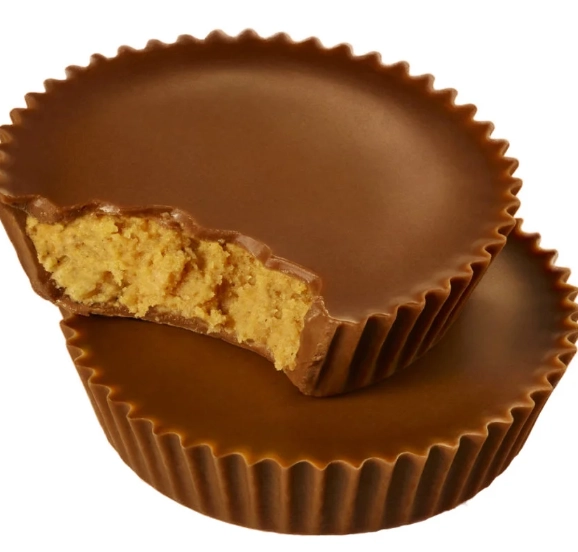
Added Ingredients: Sugar and Oils
Conventional brands often add sugar, molasses, or hydrogenated oils to enhance flavor and texture. Sugar adds about 4 calories per gram, and oils pack 9 calories per gram. For example, if a cup has 10 grams of added sugar, that's an extra 40 calories. Palm oil or fully hydrogenated vegetable oils are common stabilizers. They don't always spike calories hugely, but they can add up. I've seen labels where added oils contribute 50-100 extra calories per cup compared to a natural version.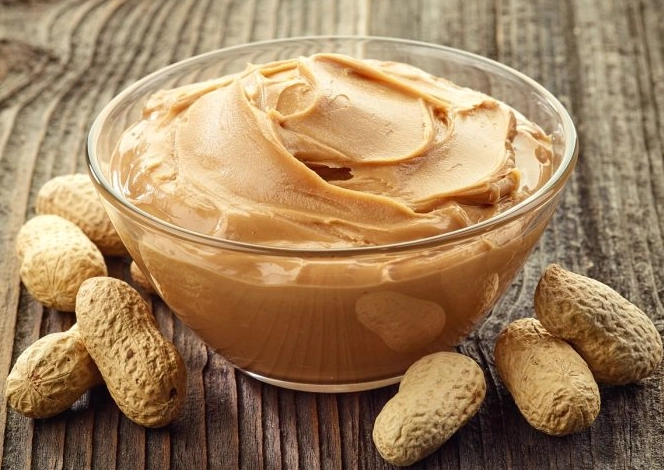
Fat Content and Peanut Variety
Peanuts are naturally high in fat—about 50% by weight—which drives the calorie density. Different peanut varieties (like Runner vs. Virginia) have slight fat variations. But the bigger issue is processing. Natural peanut butter lets the oil separate; if you don't stir it thoroughly, you might pour off some oil, technically reducing calories per cup. But who does that consistently? Most people just scoop from the top, getting a fattier, higher-calorie portion.
Measurement Method: Volume vs. Weight
This is critical. A "cup" is 8 fluid ounces, but peanut butter isn't a fluid. If you scoop it straight from the jar, you might trap air, leading to less actual weight and fewer calories. Conversely, if you pack it down, you could exceed 258 grams. I learned this the hard way when I started using a food scale. My "cup" varied by over 20 grams, which is about 120 calories difference. That's why weight in grams is more reliable for tracking.
How to Measure Peanut Butter Accurately (Most People Get This Wrong)
Stop using measuring cups alone. Here's a better way.
First, use a kitchen scale. Weigh out 258 grams for a true cup equivalent. If you don't have a scale, at least use the spoon-and-level method: spoon peanut butter into a dry measuring cup without packing, then level off the top with a knife. But even that can be messy. For natural peanut butter, stir it completely first to redistribute the oil. Otherwise, you're just getting a blob of solid peanuts from the bottom.
Consider this scenario. You're making a peanut butter smoothie and toss in a "cup." If it's from a new jar of natural peanut butter where the oil is pooled on top, and you scoop from the bottom, you might get 240 grams instead of 258. That's about 1400 calories, not 1510. Not a huge deal, but over time, these inconsistencies skew your diet logs.
My tip: pre-portion into tablespoons. One tablespoon is about 16 grams, yielding 90-100 calories. It's easier to control and measure. I keep a jar with pre-measured tablespoon servings in my fridge for snacks. It sounds tedious, but it saves mental energy later.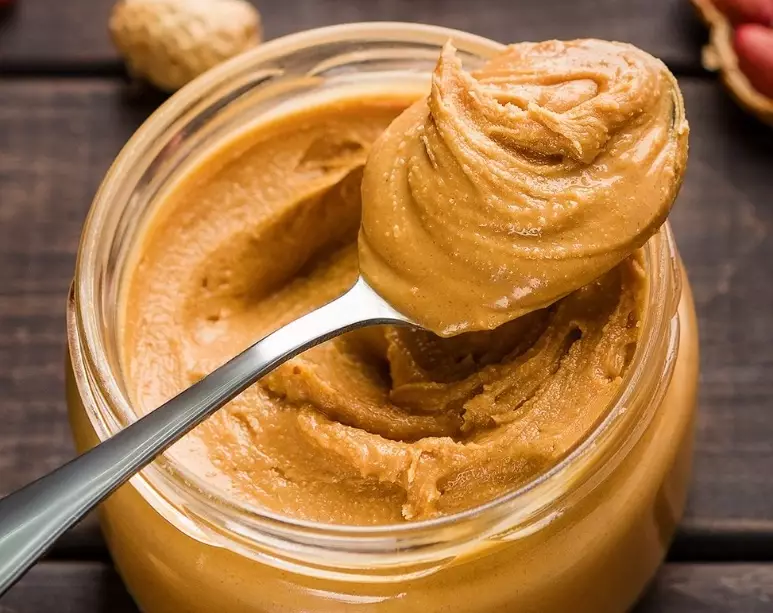
Health Implications: Is It Too Many Calories?
1510 calories in one cup is a lot—it's over half the daily intake for many adults. But peanut butter is nutrient-dense, providing protein, healthy fats, and vitamins like E. The problem isn't the calories themselves; it's how we consume them.
Peanut butter is often eaten in large, unmeasured amounts. Spread thick on toast, blended into shakes, or straight from the jar. I've been there: mindlessly eating spoonfuls while working, easily downing 300-400 calories without noticing. That's where the trouble starts.
For weight management, focus on portion control. A cup is excessive for one sitting; stick to 1-2 tablespoons (90-200 calories) per serving. Pair it with fiber-rich foods like apples or whole-grain bread to increase satiety. The monounsaturated fats in peanuts can actually support heart health, as noted in research from the American Heart Association, but only when consumed in moderation.
Also, consider your goals. If you're an athlete needing high-energy snacks, a half-cup in a post-workout shake might be perfect. For sedentary folks, even a quarter-cup could tip the scales. It's about context, not just the number.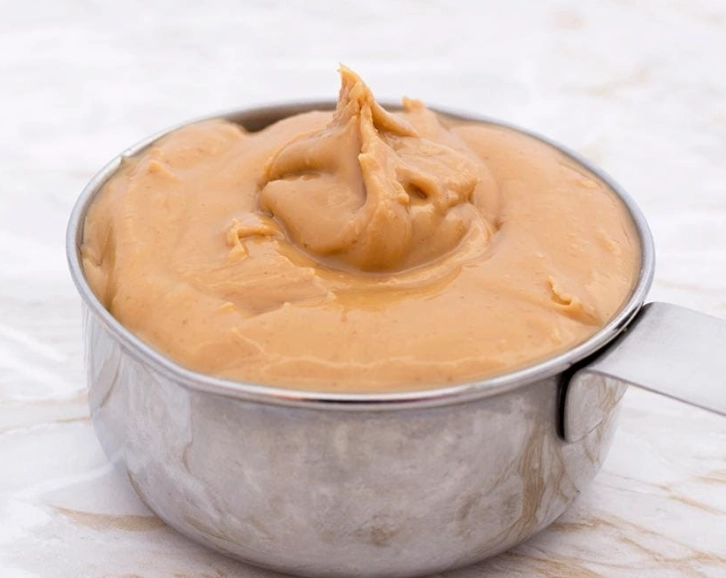
Quick Reality Check: Don't fear peanut butter because of the calorie count. Fear the lack of awareness. Track your servings for a week—you might be surprised how much you're actually eating.
Your Peanut Butter Calorie Questions Answered
Wrapping up, knowing how many calories are in a cup of peanut butter is just the first step. Apply this with smart measuring and portion control. It's a delicious, nutritious food—don't let the numbers scare you off. Use them to make informed choices instead.
Reader Comments