Let's talk about peanut butter fudge with icing. It's not just a dessert; it's a textural masterpiece when done right. Creamy, dense fudge meets a smooth, sweet topping—it's the kind of treat that disappears from a party platter in minutes. But here's the thing most recipes won't tell you: the difference between grainy, crumbly fudge and the melt-in-your-mouth kind isn't magic. It's science, and a few easily overlooked steps. I've made this for over a decade, for bake sales, holidays, and just because. I've also made every mistake possible so you don't have to.
What's Inside?
The Non-Negotiable Ingredients for Perfect Fudge
You can't build a great house with bad bricks. The same goes for fudge. Let's break down why each component matters.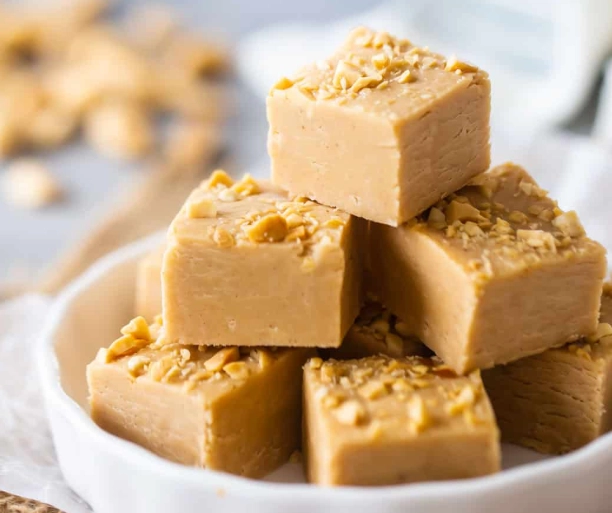
| Ingredient | Best Choice & Why | What to Avoid |
|---|---|---|
| Peanut Butter | Commercial, no-stir creamy peanut butter (like Jif or Skippy). The stabilizers (hydrogenated oils) help the fudge set firmly and consistently. For a deeper flavor, use a creamy natural peanut butter where the oil is fully reincorporated, but expect a slightly softer set. | Dry, oil-separated natural peanut butter straight from the jar. It will seize and create a greasy, grainy mess. |
| Sugar | Granulated white sugar. It dissolves cleanly and provides structure. A small amount of brown sugar (replace ¼ cup of white) can add a lovely molasses note, but don't overdo it—it adds moisture. | Liquid sweeteners like honey or maple syrup alone. They prevent proper crystallization. |
| Butter | Unsalted butter. You control the salt. Salted butter can work, but reduce added salt by ¼ teaspoon. European-style butter (higher fat) yields an even richer mouthfeel. | Margarine or spreads with water or oil. They won't set properly. |
| Milk/Evaporated Milk | Evaporated milk is the secret weapon. It's concentrated, has less water, and creates a denser, creamier fudge than regular milk. Whole milk is a decent second choice. | Skim milk or non-dairy milks (unless specifically formulated for baking). The lack of fat and different proteins can affect texture. |
| Vanilla Extract | Pure vanilla extract. It rounds out the flavors. Add it off the heat after cooking to preserve its aroma. | Imitation vanilla. In a recipe with so few ingredients, quality matters. |
My go-to ratio, which I've settled on after years of tweaking, is 3 cups of sugar to ¾ cup of evaporated milk and 1 cup of peanut butter. This gives that classic, firm-yet-creamy bite.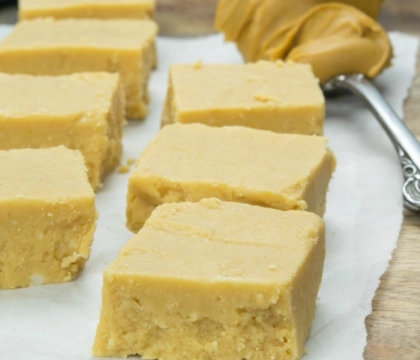
The Foolproof Step-by-Step Process
Here's where people panic. It's simple if you follow the rhythm.
1. Prep is Everything
Line an 8x8 inch pan with parchment paper, letting it overhang on two sides. This is your lifeline for removing the fudge later. Don't grease it—the butter in the fudge is enough. Have your peanut butter, vanilla, and a sturdy wooden spoon or heatproof spatula measured and ready by the stove. Once the cooking starts, you can't walk away.
2. The Cook: Patience, Not Power
Combine the sugar, evaporated milk, and butter in a heavy-bottomed saucepan (this prevents scorching). Stir over medium-low heat until the butter melts and sugar dissolves. This is crucial—you shouldn't see any sugar granules on the spoon.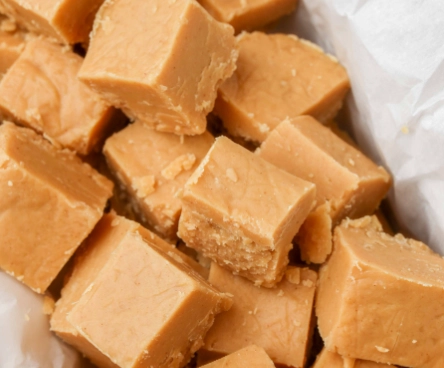
Pro Tip: Wash down the sides of the pan with a wet pastry brush to dissolve any sugar crystals stuck to the sides. These stray crystals can seed premature graininess in your finished fudge.
Now, attach your candy thermometer. Increase heat to medium and bring to a boil. Do not stir again. Let it boil steadily until it reaches the soft-ball stage, 234°F to 238°F (112°C to 114°C). This takes 10-15 minutes. The temperature is non-negotiable. A few degrees under, and your fudge won't set. A few degrees over, and it becomes hard and crumbly.
3. The Cool Down: The Most Ignored Step
Remove the pan from heat. Do not touch it. Let it cool, undisturbed, until the bottom of the pan feels warm but not hot, about 110°F (43°C). This can take 45 minutes to an hour. Rushing this is the #1 cause of failure. The mixture needs to cool to form the right type of sugar crystals.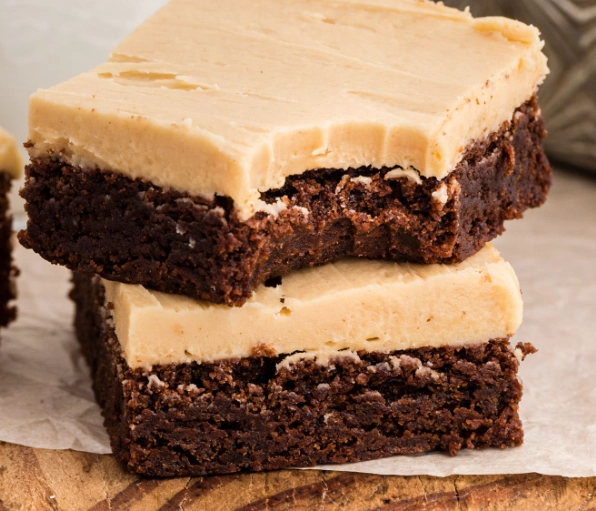
4. The Beat: Where the Magic Happens
Now add the peanut butter and vanilla. Beat vigorously with your wooden spoon. Watch as it transforms from a glossy liquid to a thick, matte, and lighter-colored mass. This takes arm power—about 5-7 minutes of steady beating. Stop when it just begins to lose its sheen and holds its shape when you drop a bit from the spoon. Overbeating makes it hard and sugary.
Immediately pour and spread into your prepared pan. Work quickly as it sets fast.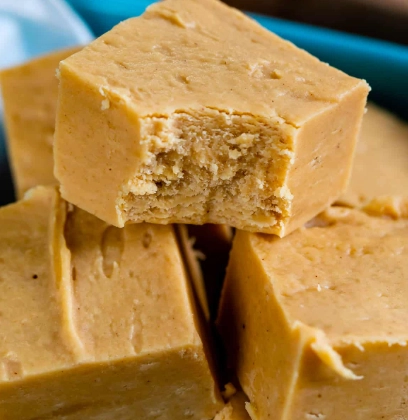
Icing Mastery: From Basic to Brilliant
The icing is the crown. A basic powdered sugar glaze works, but let's elevate it.
The Classic Vanilla Glaze: Whisk 1 cup powdered sugar, 2 tablespoons milk (or cream for richness), and ½ teaspoon vanilla until smooth. Drizzle over cooled, set fudge.
The Chocolate Peanut Butter Ganache (My Favorite): Heat ½ cup heavy cream until simmering. Pour over 1 cup of semi-sweet chocolate chips and 2 tablespoons of creamy peanut butter. Let sit for 3 minutes, then whisk until smooth. Let it cool and thicken slightly before pouring over the fudge slab. It creates a decadent, firm layer that slices beautifully.
Salt Sprinkle Finish: After applying any icing, immediately sprinkle with a tiny bit of flaky sea salt. It cuts the sweetness and makes the peanut flavor pop.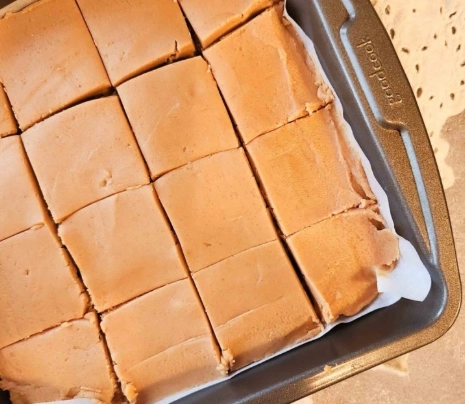
Critical: The fudge must be completely cool and set before you add any icing. If the fudge is even slightly warm, the icing will melt, seep in, and make the top layer soggy.
The 3 Most Common Fudge Mistakes (And How to Fix Them)
I've seen these ruin countless batches.
1. Grainy Texture: This is almost always due to undissolved sugar crystals at the start or stirring during the boil. Solution: Dissolve the sugar completely on low heat before boiling, and never stir once it's boiling.
2. Fudge Won't Set / Too Soft: You didn't reach the correct temperature, or the weather is humid. Solution: Use a calibrated candy thermometer. On humid days, cook to the higher end of the soft-ball range (238°F). If it's still soft after 4 hours, you can re-melt it (gently) and re-cook it to temperature—it's a salvageable mistake.
3. Icing Soaks In or Slides Off: Fudge wasn't cool enough, or icing was too thin. Solution: Patience. Let fudge set overnight. For icing, adjust consistency: thicker for a layer, thinner for a drizzle.
Storing, Gifting & Serving Your Fudge
Store layered between parchment paper in an airtight container at room temperature for up to 2 weeks. It actually improves over 2-3 days as flavors meld. For gifting, use small cardboard boxes with parchment liners. It ships surprisingly well if packed snugly.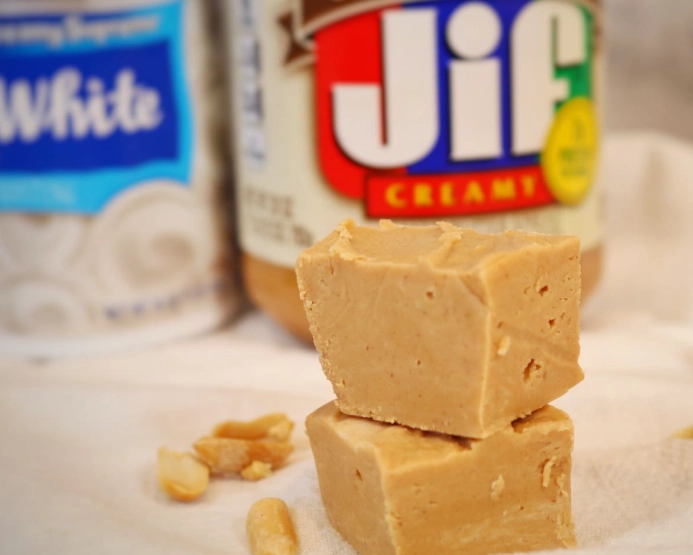
Cut it with a sharp knife dipped in hot water and wiped dry between cuts for pristine squares.
Reader Comments