Quick Guide
- What Makes a Cookie "Classic" Anyway?
- The Anatomy of a Perfect Recipe
- The Baker's Toolkit: What You Really Need
- Why Did My Cookies Turn Out... Wrong? A Troubleshooting Guide
- The Science of the Squish: Baking at High Altitude
- Flour Power: A Quick Comparison
- Your Classic Peanut Butter Cookie Questions, Answered
- Beyond the Basic: When You Want to Get Fancy
- The Final Word: Trust the Process
Let's talk about classic peanut butter cookies. You know the ones. They're the cookies that smell like your grandma's kitchen on a good day, with that distinct criss-cross pattern on top made with a fork. They're tender, they're chewy, they have a slight graininess from the sugar that just melts in your mouth, and the peanut butter flavor? It's front and center, no shyness about it.
But here's the thing. For a cookie that seems so simple, it's surprisingly easy to mess up. I've done it myself. I've ended up with hockey pucks that could double as doorstops, and I've created sandy, crumbly messes that dissolved into a pile of crumbs before they even reached my mouth. It's frustrating. You follow a recipe, but something just feels off.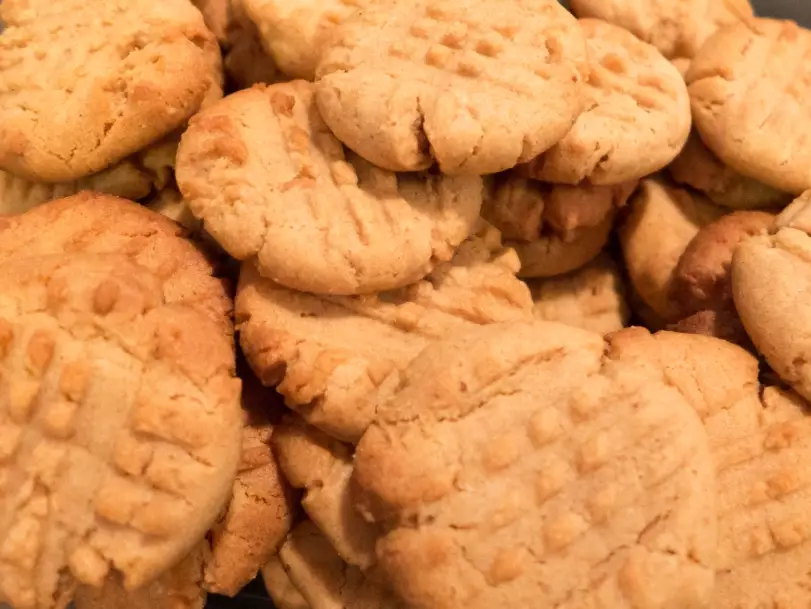
That's why I'm writing this. Not just to give you another recipe (though I've got a killer one), but to walk you through the why behind every step. We're going to dig into the science, the common pitfalls, and the little baker's secrets that transform a good classic peanut butter cookie into a great one. The kind that makes people ask for the recipe.
What Makes a Cookie "Classic" Anyway?
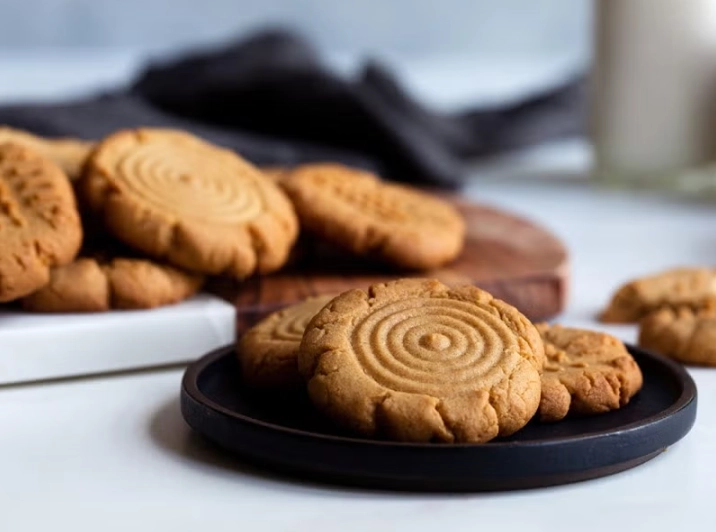
When we say "classic peanut butter cookies," we're not talking about a peanut butter chocolate chip situation, or a fancy stuffed cookie. We're talking about a specific, nostalgic archetype. The history is a bit murky, but these cookies became a staple in American homes in the early 20th century, especially after peanut butter was mass-produced. The signature fork press? It's not just for looks. It actually serves a purpose—it flattens the dense dough so it bakes evenly. Without it, you'd get a thick, underbaked ball.
The texture is non-negotiable. A perfect classic peanut butter cookie should have a slight crispness at the very edge, giving way to a soft, dense, and chewy center. It should hold together when you bite it, but almost dissolve as you chew. And the flavor balance is key: sweet, but not cloying, with a robust, roasted peanut flavor that doesn't get lost.
Anything else is just a variation. And while variations are wonderful, today we're focusing on the original star.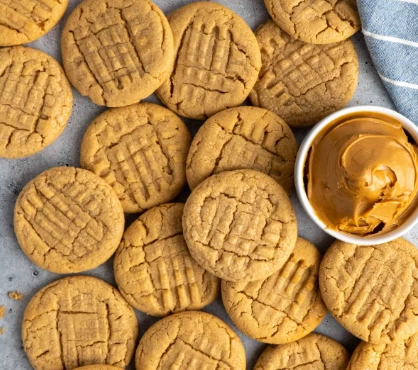
The Anatomy of a Perfect Recipe
Alright, let's get down to business. This is my go-to, no-chill, reliable recipe. I've tweaked it over years of (sometimes disappointing) batches. The beauty of this recipe is its simplicity and forgiveness. You don't need to plan hours ahead to chill dough.
But before you start scooping, let's talk ingredients. This isn't just a list; it's a blueprint.
The Ingredients, Decoded
Peanut Butter: This is the heart of the operation. The choice here makes or breaks your classic peanut butter cookies. You want to use a standard, shelf-stable commercial brand like Jif or Skippy. I know, I know. The natural, just-peanuts kind is healthier. But for this specific cookie, it's a problem. The oil separation in natural peanut butter leads to greasy, spread-out, and often crumbly cookies. The stabilized hydrogenated oils in the commercial stuff create a consistent fat structure that binds everything together perfectly. Save the natural stuff for your toast. For classic peanut butter cookies, go classic with the peanut butter.
Butter: Unsalted, always. It gives flavor and aids in spread. Some recipes use all shortening for a puffier cookie, but butter gives that irreplaceable rich taste. We're using it softened to room temperature. Not melted! Melted butter will cause excessive spread.
Sugars: The dynamic duo. Granulated white sugar promotes spread and crispness. Light brown sugar (pack it firmly into your measuring cup!) adds moisture, chew, and a hint of molasses flavor. This combination is what gives the cookie its complex texture.
Egg: One large egg acts as the binder, holding our fats and dry ingredients together. It also adds moisture.
Flour: All-purpose is the way to go. Not bread flour (too much protein = tough cookies), not cake flour (too little protein = too fragile). The protein content in all-purpose, typically around 10-12%, provides just enough structure without compromising tenderness. For a deeper dive on flour types and their protein content, resources from the U.S. Department of Agriculture can provide the scientific background, though their focus is broader than just baking.
Leaveners: We're using both baking soda and baking powder. Baking soda helps with browning and spread, while baking powder gives a little lift. It's a tiny bit of insurance for the perfect texture.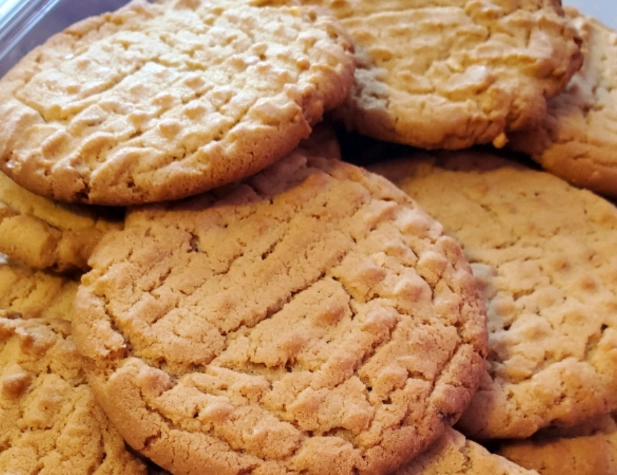
Salt: Crucial. It enhances all the other flavors, especially the peanut butter. Don't skip it.
The Foolproof, No-Chill Recipe
This makes about 24 cookies. Preheat your oven to 350°F (175°C). Line your baking sheets with parchment paper. Trust me, it's better than greasing.
- 1 1/4 cups (312g) smooth, classic commercial peanut butter (like Jif)
- 1/2 cup (113g) unsalted butter, softened to room temperature
- 3/4 cup (150g) granulated white sugar
- 3/4 cup (165g) packed light brown sugar
- 1 large egg, at room temperature
- 1 teaspoon pure vanilla extract
- 1 3/4 cups (220g) all-purpose flour (spooned and leveled, not scopped!)
- 3/4 teaspoon baking soda
- 1/2 teaspoon baking powder
- 1/2 teaspoon fine sea salt
In a large bowl, beat the peanut butter, softened butter, white sugar, and brown sugar together with a hand mixer or stand mixer until it's well combined and looks creamy. This should take about 2 minutes. Scrape down the sides. Add the egg and vanilla, and beat again until smooth.
In a separate bowl, whisk together the flour, baking soda, baking powder, and salt. This isn't just mixing—you're evenly distributing the leaveners so every cookie rises the same.
Add the dry ingredients to the wet ingredients. Mix on low speed just until the flour disappears. Do not overmix! Overworking the flour develops gluten, which leads to tough cookies. The dough will be thick and a bit greasy to the touch.
Using a cookie scoop (about 1.5 tablespoons), portion the dough. Roll each portion into a ball between your palms. Place them on the prepared baking sheet, about 2 inches apart.
Now, the iconic step. Take a fork, dip the tines in a little extra granulated sugar (this prevents sticking), and press down on a dough ball to flatten it. Lift the fork, rotate it 90 degrees, and press again to create the classic criss-cross pattern. Don't smash it paper-thin—aim for about 1/2 inch thickness.
Bake for 9-11 minutes. This is the most critical part. They will look underdone when you take them out. The edges will be just set, and the centers will look puffy and soft. That's perfect. They will firm up as they cool on the sheet. If you wait until they look "done" in the oven, they'll be overbaked and dry once cooled.
Let them cool on the baking sheet for 5 minutes, then transfer to a wire rack to cool completely. This is the hardest part—resisting the warm cookie. But letting them set is key to that perfect chewy texture.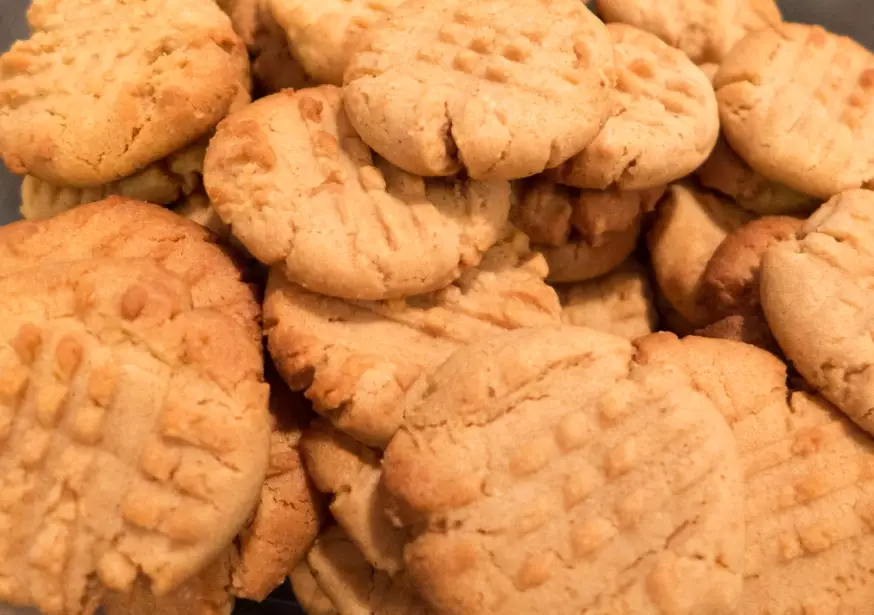
The Baker's Toolkit: What You Really Need
You don't need fancy gear for classic peanut butter cookies, but a few key tools prevent headaches.
- Kitchen Scale: I'm putting this first because it's the single best investment for consistent baking. Measuring flour by volume is notoriously inaccurate. 220g of flour is always 220g. A scale removes all the guesswork.
- Parchment Paper or Silicone Baking Mats: Guarantees even baking, prevents sticking, and makes cleanup a breeze. Greasing a pan can cause the bottoms to brown too much or inconsistently.
- Cookie Scoop: Not just for neatness. It ensures all your cookies are the same size, so they bake at the same rate. No more half-burnt, half-raw batches.
- Light-Colored Aluminum Baking Sheets: Dark sheets absorb more heat and can cause the bottoms to burn before the centers are done. If you only have dark sheets, reduce the oven temperature by 25°F.
- Wire Cooling Rack: Essential. Letting cookies cool on the hot baking sheet continues the cooking process (“carryover cooking”) and can lead to over-baking. The rack allows air to circulate and stops the cooking.
Why Did My Cookies Turn Out... Wrong? A Troubleshooting Guide
This is the stuff they don't always tell you. Let's diagnose some common classic peanut butter cookie failures.
| The Problem | The Most Likely Cause | How to Fix It Next Time |
|---|---|---|
| Flat, Greasy Puddles | 1. Butter or dough was too warm. 2. Used natural peanut butter. 3. Too much sugar or not enough flour. |
Ensure ingredients are room temp, not warm. Use stabilized PB. Measure flour correctly with a scale. |
| Hard, Dry, or Crumbly | 1. Overbaked. 2. Too much flour. 3. Overmixed the dough. 4. Used an extra-large egg or not enough brown sugar. |
Pull cookies out when they look underdone. Weigh flour. Mix just until combined. Follow recipe measures. |
| Too Cakey or Puffy | 1. Too much baking powder. 2. Dough was over-chilled. 3. Creamed butter and sugar too much, incorporating too much air. |
Measure leaveners accurately. Use no-chill recipe. Cream just until combined, not fluffy & light. |
| No Peanut Butter Flavor | 1. Using a bland or “natural” peanut butter. 2. Not enough salt. |
Use a full-flavored, commercial brand. Don't be shy with the salt. |
The Science of the Squish: Baking at High Altitude
If you live above 3,000 feet, the rules change. Lower air pressure causes baked goods to rise faster and then collapse, often leading to dry, crumbly cookies. Here’s a quick adjustment guide for high-altitude classic peanut butter cookies:
- 3,000 - 5,000 feet: Reduce baking powder to 1/4 tsp. Increase oven temp to 365°F. You might need a tablespoon or two more flour.
- 5,000 - 7,000 feet: Reduce baking powder to 1/4 tsp. Reduce white sugar by 1 tbsp. Increase flour by 2-3 tbsp. Increase oven temp to 370°F.
- Above 7,000 feet: It gets tricky. Reduce both sugars slightly, increase flour by 1/4 cup, and consider adding 1-2 extra tablespoons of water or milk to the dough for moisture. Expect to experiment.
The key is to make one small change at a time and take notes. Baking is edible science.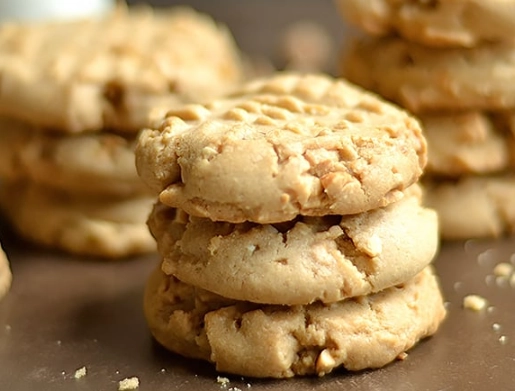
Flour Power: A Quick Comparison
You might wonder about other flours. Here's the skinny:
| Flour Type | Protein % | Effect on Classic Peanut Butter Cookies | Verdict |
|---|---|---|---|
| All-Purpose | ~10-12% | Goldilocks zone. Provides structure without toughness. | Perfect. Use this. |
| Bread Flour | ~12-14% | Too much gluten development. Cookies become tough and chewy (in a bad way). | Not recommended. |
| Cake Flour | ~7-9% | Too little structure. Cookies may spread too much and be too fragile/crumbly. | Not recommended. |
| Gluten-Free 1:1 Blend | Varies | Can work well! Use a trusted brand (like Bob's Red Mill). Dough may be stickier; chilling might help. | Good alternative if needed. |
Your Classic Peanut Butter Cookie Questions, Answered
I get asked these all the time. Let's clear them up.
Can I use crunchy peanut butter?
Absolutely! It adds a wonderful texture. The recipe stays the same. You'll get those little peanut bits in every bite. It's a great variation on the classic peanut butter cookie.
Why do some recipes have you chill the dough?
Chilling solidifies the fat, which reduces spread. It can also deepen flavors. For our recipe, the ratio of ingredients is designed to work without chilling, which is a huge time-saver. If your kitchen is very hot or your dough feels overly soft, a 30-minute chill won't hurt.
My cookies are always too sweet. Can I reduce the sugar?
You can, but carefully. Sugar isn't just for sweetness; it affects texture, spread, and moisture. Reducing the granulated sugar by 1/4 cup might be okay, but reducing more can make them cakey or dry. Brown sugar is key for chewiness, so I'd leave that as is.
How do I store them to keep them soft?
Once completely cool, store them in an airtight container at room temperature. A single piece of bread tossed in the container works miracles—the cookies draw moisture from the bread, staying soft for days (the bread gets hard, just replace it). They also freeze beautifully for up to 3 months.
Can I make these without a mixer?
You can, but it's an arm workout. The peanut butter and butter are stiff. Use a sturdy wooden spoon and some determination. Make sure your butter is very soft.
Are these cookies gluten-free?
The standard recipe is not, as it uses all-purpose wheat flour. However, as noted in the table above, you can successfully substitute a good 1:1 gluten-free baking blend for the all-purpose flour to make gluten-free classic peanut butter cookies.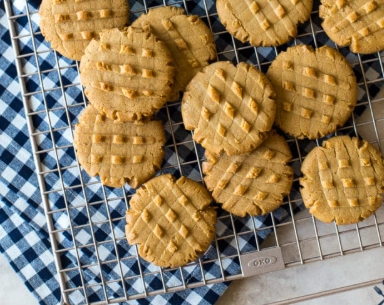
Beyond the Basic: When You Want to Get Fancy
Once you've mastered the classic, feel free to play. Here are some crowd-pleasing ideas:
- Chocolate-Dipped: Melt some semi-sweet chocolate, dip half of a cooled cookie in it, let it set on parchment.
- Peanut Butter Cup Thumbprint: Press a mini peanut butter cup into the center of the warm cookie right when it comes out of the oven.
- Salty-Sweet: Sprinkle a few flakes of flaky sea salt (like Maldon) on top of the cookies immediately after pressing with the fork.
But honestly? My favorite way to eat them is still straight off the cooling rack, plain and simple. Sometimes the original is just unbeatable.
The Final Word: Trust the Process
Baking perfect classic peanut butter cookies isn't about magic. It's about understanding how a few simple ingredients interact. It's about measuring carefully, not overmixing, and most importantly, having the courage to pull them out of the oven when they look like they need more time.
Use the right peanut butter. Weigh your flour. Don't skip the fork press. And share them with someone. That's the real secret ingredient.
A Personal Note: The batch I made while writing this? My partner walked in, followed his nose to the kitchen, and ate three in a row without saying a word. Then he just nodded and said, "Yep. These are the ones." That's the review that matters. Now go make your kitchen smell amazing.
Reader Comments