In This Article
- Where Did Peanut Butter Cookies Even Come From?
- The Science of a Great Peanut Butter Cookie
- The Famous 3-Ingredient Peanut Butter Cookies: Miracle or Misstep?
- The Ultimate Classic Chewy Peanut Butter Cookie Recipe
- Peanut Butter Cookie Face-Off: Choosing Your Style
- Solving Your Peanut Butter Cookie Problems
- Getting Creative: Twists on the Classic
- Healthier Swaps & Dietary Notes
- Storing and Freezing: Keep Them Fresh
- Your Peanut Butter Cookie Questions, Answered
Let's be honest. The smell of peanut butter cookies baking is one of those things that just feels like home. It's warm, it's nutty, and it promises something deliciously simple at the end. But here's the funny thing—for something that seems so straightforward, a lot can go wrong. I remember my first batch. They spread into one giant, thin, crispy blob. Not exactly the soft, chewy dreams I had in mind.
That's why I got a bit obsessed. I wanted to know everything about them. Not just a recipe, but the why behind it. What makes a great peanut butter cookie? Why do some recipes have just three ingredients while others have a dozen? And how do you actually get that perfect texture—crispy on the edges, soft in the middle, with that unmistakable peanut butter flavor that doesn't taste like you're just eating a spoonful of the stuff straight from the jar?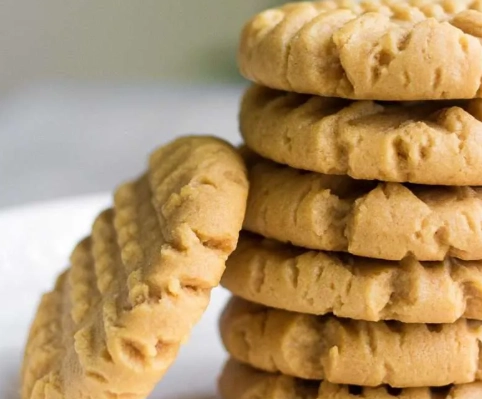
Where Did Peanut Butter Cookies Even Come From?
It's hard to imagine American baking without them. But they're a relatively modern invention. Peanut butter itself was popularized as a health food in the early 1900s. The first known recipe for peanut butter cookies, using chopped peanuts, appeared in a Boston Cooking-School cookbook around 1896. But the version we recognize—made with commercial peanut butter and famous for the criss-cross fork marks—really took off in the 1930s.
Why the fork marks? It's not just for looks (though it is their signature). Peanut butter cookie dough is dense. Pressing it down with a fork ensures it bakes evenly instead of staying as a thick, undercooked ball. It's a functional step that became a style icon. You can read more about the fascinating history of peanut butter in American cuisine through resources like the Smithsonian Magazine, which often explores the stories behind our favorite foods.
I think that history matters. It connects us to the generations of home bakers who figured out these tricks through trial and error. When you press those fork marks into your dough, you're part of a tradition.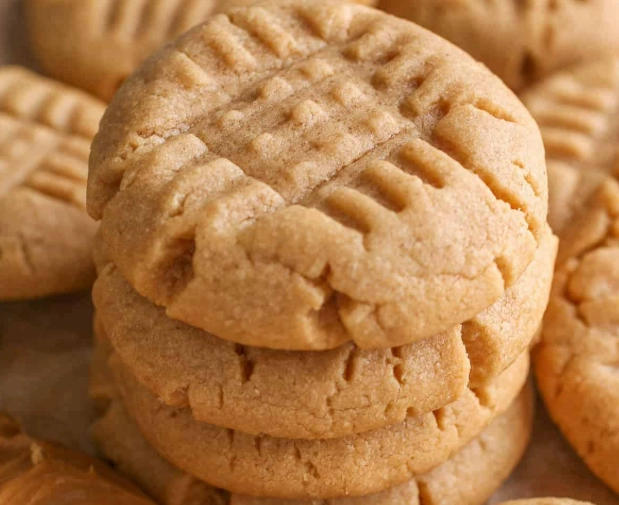
The Science of a Great Peanut Butter Cookie
This is where it gets interesting. To fix baking problems, you need to know what each ingredient does. Let's break down the usual suspects.
Peanut Butter: The Star of the Show
Not all peanut butter is created equal for cookies. The choice between natural and commercial (like Jif or Skippy) dramatically changes your result.
- Commercial, Stabilized Peanut Butter: This is the classic choice. It has added oils and sugars (and often emulsifiers) that are fully homogenized. This means it's consistent. The fat and solids won't separate, giving you predictable results. It also usually contains added sugar, which contributes to spread and browning. For a reliable, classic peanut butter cookie, this is your safest bet.
- Natural Peanut Butter (Just peanuts and salt): This is trickier. Because the oil separates, you must stir it thoroughly and consistently measure it. The lack of added stabilizers can lead to a denser, sometimes grainier texture, and the cookies may not spread as much. The flavor can be more intensely "peanutty," which some people love. I find you often need to tweak the flour or fat in a recipe if you switch to natural.
Crunchy vs. creamy? That's pure preference. Chunky peanut butter adds little bursts of texture. I personally love the extra crunch, but if you want a perfectly smooth cookie, go with creamy.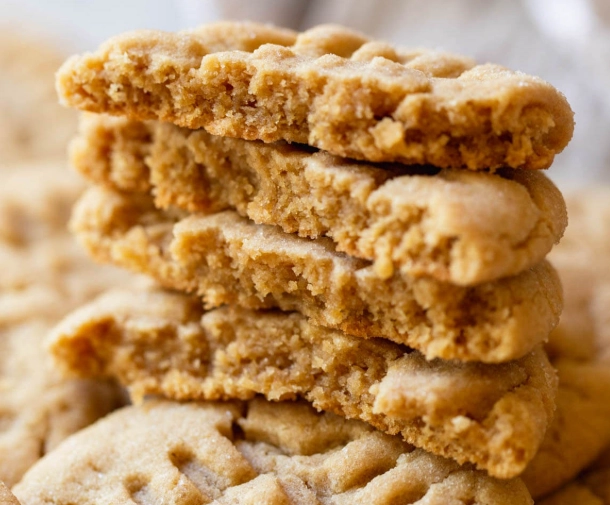
Fat, Sugar, and Flour: The Supporting Cast
Butter adds flavor and aids in spread. White sugar promotes crispiness. Brown sugar (with its molasses) adds moisture, chewiness, and a deeper flavor. The flour provides structure. The magic is in the balance.
Too much butter or sugar? Your peanut butter cookies will spread too thin and be crispy all over. Too much flour? You'll get dry, cakey pucks that nobody wants. It's a delicate dance.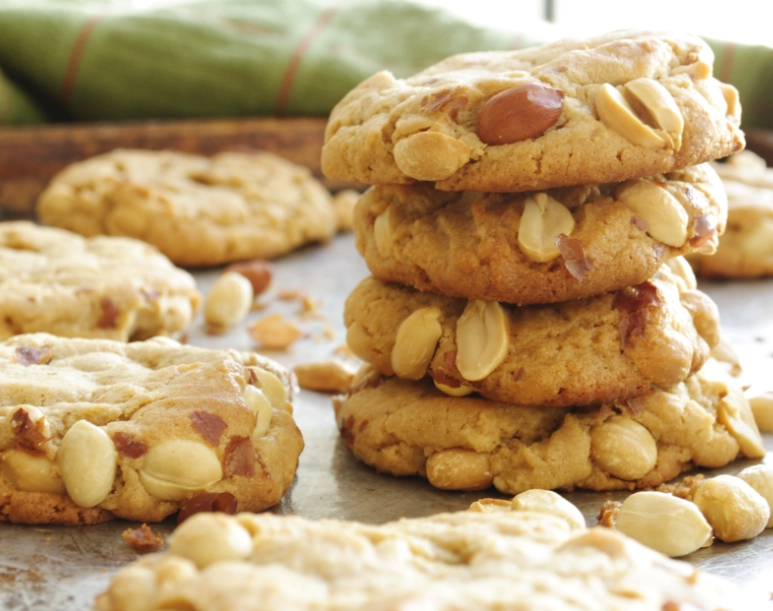
The Famous 3-Ingredient Peanut Butter Cookies: Miracle or Misstep?
This recipe is legendary for its simplicity: 1 cup peanut butter, 1 cup sugar, 1 egg. That's it. No flour, no butter. They are the ultimate gluten-free peanut butter cookie, though they weren't originally marketed that way.
But are they the "best" peanut butter cookies? It depends.
Pros: Incredibly easy, fast, gluten-free, and the flavor is pure, unadulterated peanut butter. They satisfy a craving instantly.
Cons (here's my personal take): I find the texture can be a bit one-note—sometimes too dense or even slightly gritty from the sugar. They lack the complex flavor that brown sugar and butter provide. They're also very sweet. If you're looking for a chewy, bakery-style cookie, this might not be it.
They're a fantastic recipe to have in your back pocket for emergencies or dietary needs, but I wouldn't call them the definitive version. They're their own unique thing.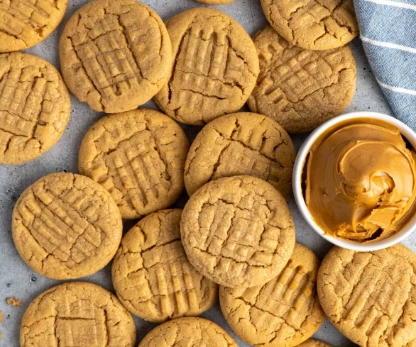
The Ultimate Classic Chewy Peanut Butter Cookie Recipe
After years of testing, this is my go-to recipe. It aims for that perfect balance: crispy edges, soft and chewy center, rich flavor. The secret is in using both types of sugar and chilling the dough.
Ingredients:
- 1 ¼ cups all-purpose flour
- ¾ teaspoon baking soda
- ½ teaspoon baking powder
- ¼ teaspoon salt
- ½ cup unsalted butter, softened (but not melted!)
- 1 cup creamy peanut butter (I use a standard commercial brand for this)
- ¾ cup granulated white sugar
- ½ cup packed light brown sugar
- 1 large egg, at room temperature
- 1 teaspoon vanilla extract
Instructions:
- Whisk the flour, baking soda, baking powder, and salt together. This ensures even distribution, which is key for even rise.
- In a separate bowl, cream the butter, peanut butter, white sugar, and brown sugar together for a good 2-3 minutes until it's light and fluffy. This step incorporates air, which helps with texture. Don't rush it.
- Beat in the egg and vanilla until just combined.
- Gradually add the dry ingredients to the wet, mixing on low speed until no flour streaks remain. The dough will be thick.
- This is the non-negotiable step: Cover the dough and chill it for at least 1 hour, preferably 2-3. Chilled dough spreads less, resulting in a thicker, chewier cookie. It also allows the flavors to meld.
- Preheat oven to 350°F (175°C). Line baking sheets with parchment paper.
- Roll dough into 1.5-inch balls, place them on the sheet, and press down with a fork in a criss-cross pattern. For extra flair, you can roll the balls in a little extra white sugar before pressing.
- Bake for 9-11 minutes. They will look slightly underdone in the centers when you take them out—that's perfect! They will continue to cook on the hot sheet as they cool.
- Let them cool on the baking sheet for 5 minutes before transferring to a wire rack. This patience prevents breakage.
Peanut Butter Cookie Face-Off: Choosing Your Style
Not all peanut butter cookies are the same. Your ingredient choices create different outcomes. Here’s a quick comparison to help you decide what to bake.
| Cookie Type | Key Ingredients | Texture | Best For | Difficulty |
|---|---|---|---|---|
| Classic Chewy | Butter, flour, both sugars, commercial PB | Crispy edge, soft & chewy center | The all-around crowd-pleaser | Easy |
| 3-Ingredient (Flourless) | Peanut butter, sugar, egg | Dense, fudgy, slightly crumbly | Gluten-free diets, ultra-fast baking | Very Easy |
| Extra-Thick & Soft | More flour, cornstarch, extra egg yolk | Extremely soft, cake-like | Those who love super soft cookies | Easy |
| Crunchy & Crispy | More white sugar, melted butter, longer bake | Thin, crispy throughout (like a lace cookie) | Dunking in milk | Easy |
Solving Your Peanut Butter Cookie Problems
We've all been there. Let's troubleshoot the most common issues.
Why did my cookies spread too much?
- Butter too warm/soft: You creamed it into soup. Your dough was likely sticky. Fix: Use softened butter (you can make a slight dent with your finger) not melted or oily. Chill the dough.
- Baking sheet too warm: Putting dough on a hot sheet causes instant spread. Fix: Use cool, parchment-lined sheets for each batch.
- Incorrect oven temp: An oven running too low makes cookies spread before they set. Fix: Use an oven thermometer.
Why are my cookies dry and crumbly?
- Over-measured flour: The #1 culprit. Scooping flour packs it down. Fix: Spoon flour into the measuring cup and level it off.
- Overbaking: Even one minute too long can dry them out. Fix: Trust the visual cues, not just the timer.
- Using natural peanut butter without adjusting: It can absorb moisture differently. Fix: If using natural, try adding 1-2 extra tablespoons of butter or a splash of milk.
Why do they taste bland, not peanut-buttery?
- Weak peanut butter: Some brands are milder. Fix: Use a brand you love the taste of on its own. You can also add a pinch of salt to enhance flavor.
- Not enough salt: Salt makes flavors pop. Fix: Don't skip the salt in the recipe, even if your peanut butter is salted.
Getting Creative: Twists on the Classic
The basic dough is a perfect canvas. Here are some ideas I've tried (some were hits, one was a definite miss).
Hits:
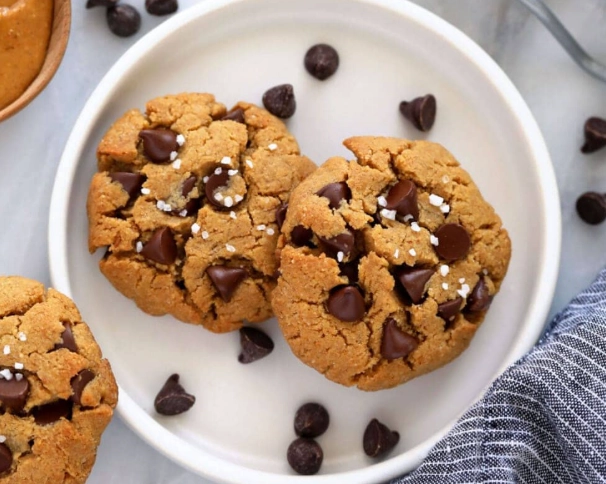
- Chocolate Chip Peanut Butter Cookies: A no-brainer. Fold in 1 cup of semisweet or milk chocolate chips. The sweet spot of flavor combinations.
- Peanut Butter Blossoms: Roll the dough ball in granulated sugar, bake, and immediately press a Hershey's Kiss into the center after baking. A holiday classic for a reason.
- Salty-Sweet: Press a few flakes of sea salt (like Maldon) on top of the dough balls before baking. It cuts the sweetness beautifully.
- Stuffed: Take two small dough balls, flatten them, put a miniature Reese's Peanut Butter Cup or a small piece of chocolate in the middle of one, and sandwich with the other. Seal the edges. Bake a minute or two longer. Decadent.
My Miss: I once tried adding bacon bits. It sounded gourmet. It tasted... confusing. The smoky salt was okay, but the chewy bacon texture in the soft cookie was off-putting. Not every experiment is a winner.
Healthier Swaps & Dietary Notes
Can you make peanut butter cookies healthier? Sure, but manage your expectations. A cookie is still a treat, but you can make smarter choices.
- For Less Sugar: You can reduce the granulated sugar by up to ¼ cup, but it will affect texture (less spread, less crisp). Brown sugar is harder to reduce as it adds moisture.
- For Gluten-Free: The 3-ingredient recipe is naturally gluten-free. For a classic-style cookie, use a 1:1 gluten-free all-purpose flour blend (like Bob's Red Mill or King Arthur). The results are excellent.
- For Vegan: Replace the egg with a "flax egg" (1 tbsp ground flaxseed mixed with 2.5 tbsp water, let sit 5 mins). Use vegan butter. Ensure your sugar is vegan (some refined white sugar uses bone char).
- For More Protein/Fiber: Substitute ¼ to ½ cup of the all-purpose flour with oat flour or almond flour. The texture will be denser and more delicate.
For reliable information on peanut allergies, which are serious, always refer to authoritative sources like the Food Allergy Research & Education (FARE) website. Never assume a "substitute" is safe for someone with an allergy without clear confirmation.
Storing and Freezing: Keep Them Fresh
Nothing sadder than a stale cookie.
At Room Temp: Store cooled cookies in an airtight container at room temperature for up to 5 days. A piece of bread in the container can help keep them soft (the cookies absorb moisture from the bread).
Freezing Dough: This is my favorite trick. Portion the dough into balls, place on a sheet pan, and freeze solid. Then transfer to a freezer bag. You can bake frozen dough balls straight from the freezer—just add 1-2 minutes to the bake time. Fresh-baked cookies anytime.
Freezing Baked Cookies: Layer them between parchment paper in an airtight container. They'll keep for 2-3 months. Thaw at room temperature.
Your Peanut Butter Cookie Questions, Answered
The journey to the perfect peanut butter cookie is full of little lessons—about ingredients, about patience (that chilling!), and about trusting your instincts. It's a humble cookie, really. But getting it just right feels like a real accomplishment. Now, if you'll excuse me, I think I hear a batch of dough calling my name from the fridge. It's time to make a few more, just to be sure I've got it right.
Reader Comments