Quick Guide
Let's be real. We've all been there. You search for the "best peanut butter cookies recipe," you find one that looks good, you follow it to the letter, and... something's off. Maybe they're too dry, or they spread into one giant cookie blob on the sheet, or they just don't have that deep, roasty peanut flavor you were dreaming of. It's frustrating. I know because I've been baking these things for years, and I've made every mistake in the book so you don't have to.
This isn't just another recipe plucked from the internet. This is the culmination of a lot of trial, error, and happy accidents in my kitchen. We're talking about a cookie that's crisp at the edges, wonderfully chewy and soft in the middle, with a flavor that screams real peanuts. It's the kind of cookie that makes people ask for the recipe before they've even finished the first one. That's the goal here.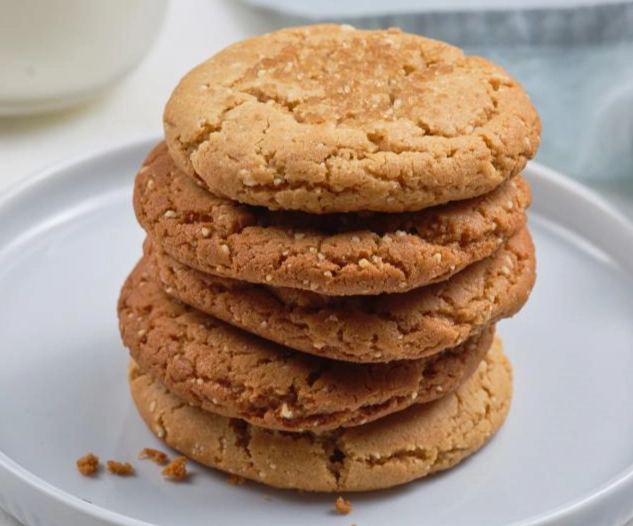
The Recipe: Your Blueprint for Success
Here it is, the core of everything. Print this, screenshot it, do whatever you need to do. This is your foundation.
Yields: About 24-30 cookies
Prep Time: 15 minutes (plus chilling)
Cook Time: 10-12 minutes per batch
Ingredients:
- 1 cup (2 sticks / 226g) unsalted butter, at cool room temperature – This is crucial. Not melted, not rock hard. Just cool and pliable.
- 1 cup (200g) granulated sugar
- 1 cup (215g) packed light brown sugar – The brown sugar is non-negotiable for that chew.
- 1 cup (250g) smooth peanut butter – Not the natural kind that separates. We'll get into the peanut butter debate in a second, I promise.
- 2 large eggs, at room temperature
- 2 teaspoons pure vanilla extract
- 2 ½ cups (315g) all-purpose flour – Measure this correctly. The best way? Spoon and level.
- 1 teaspoon baking soda
- 1 teaspoon baking powder
- ½ teaspoon fine sea salt – If you're using salted butter, reduce this to a pinch.
- Extra granulated sugar for rolling (optional, but highly recommended for that classic look and crunch).
Step-by-Step: It's All in the Technique
Okay, you've got your ingredients lined up. Now, let's make the magic happen. The process is simple, but a few key moves make all the difference.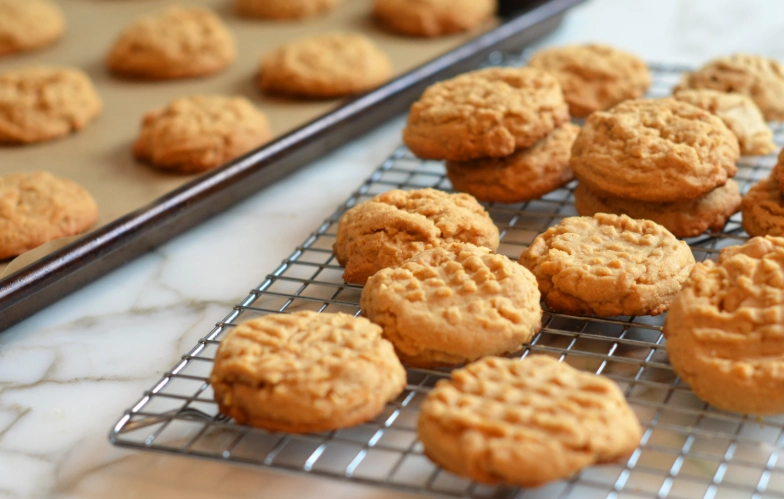
First, grab your biggest mixing bowl and your electric mixer (a stand mixer is a dream here, but hand-held works fine). Beat the cool butter on medium speed for about a minute until it's smooth and creamy. Scrape down the sides. Now add both the granulated and brown sugars. Beat them together with the butter on medium-high for a good 2-3 minutes. You want it light and fluffy. This step incorporates air, which gives the cookies a better texture. Don't rush it.
Next, beat in the peanut butter until it's fully combined. Then add the eggs, one at a time, beating well after each addition. Stir in the vanilla.
In a separate bowl, whisk together the flour, baking soda, baking powder, and salt. This ensures the leaveners are evenly distributed—no bitter pockets of baking soda in your finished cookie. Gradually add the dry ingredients to the wet mixture, mixing on low speed just until the flour disappears. The dough will be thick and slightly sticky. That's perfect.
Here's the secret weapon: chill the dough. Cover the bowl and refrigerate for at least 1 hour, or up to 3 days. I know, I know, waiting is the worst. But this step prevents the cookies from spreading too much and allows the flavors to meld. It's what separates a good cookie from the best peanut butter cookies. Trust me on this.
When you're ready to bake, preheat your oven to 350°F (175°C). Line your baking sheets with parchment paper. Scoop the dough into balls, about 1.5 tablespoons each. If you want that classic look, roll each ball in a little granulated sugar. Place them on the sheet about 2 inches apart. Use a fork to press a classic criss-cross pattern into the top, dipping the fork in sugar between presses to prevent sticking.
Bake for 10-12 minutes. They're done when the edges are lightly golden and set, but the centers still look soft and slightly puffy. They will continue to set as they cool. Let them cool on the baking sheet for 5 minutes before transferring them to a wire rack.
The Ingredients Deep Dive: Why Each One Matters
You could just follow the recipe and be done. But if you want to truly master it, understanding the "why" behind each ingredient lets you troubleshoot and adapt.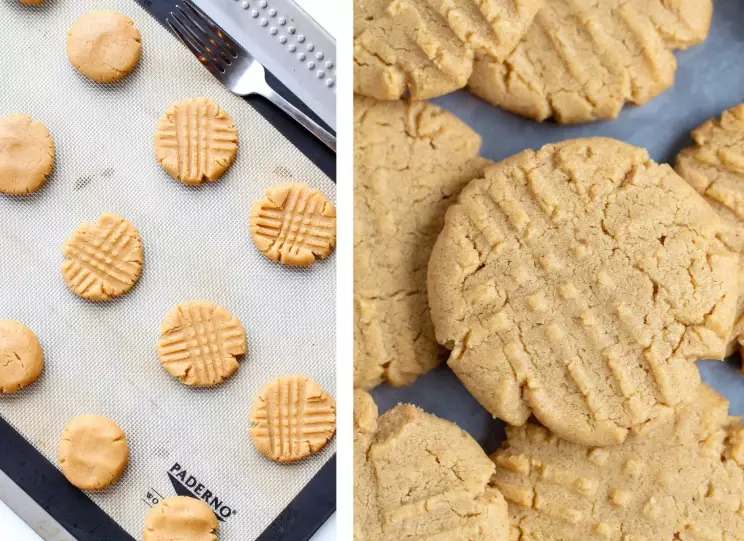
Peanut Butter: The Star of the Show
This is the big one. The type of peanut butter you use will dramatically affect the outcome. For this classic peanut butter cookies recipe, you want a commercially processed, shelf-stable smooth peanut butter like Jif or Skippy. The kind with added sugar, salt, and stabilizers (like hydrogenated oils).
Why? Because it has a consistent texture and moisture content. Natural peanut butter (the kind with just peanuts and salt, oil on top) will give you a drier, crumblier, and often greasier cookie. The oil separation is a nightmare for dough consistency. I learned this the hard way after a batch of cookies that tasted great but had the structural integrity of sand.
If you're dead set on using natural peanut butter, you need to stir it incredibly well until it's completely homogenous, and even then, be prepared for a different result. For guaranteed success with this specific recipe, stick with the conventional kind.
Flour: The Measure of Success
Too much flour is the #1 reason cookies turn out dry and cakey. The most accurate way to measure flour is to use a kitchen scale. If you don't have one, use the "spoon and level" method: spoon the flour lightly into your measuring cup and level it off with a knife. Do not scoop the cup directly into the flour bag—that packs it in and can add up to an extra 20% flour, which will ruin everything.
Sugar: The Sweet Science
The combination of white and brown sugar is intentional. Granulated sugar promotes spread and crispness. Brown sugar (with its molasses content) adds moisture, chewiness, and a deeper, caramel-like flavor. Using only white sugar makes a crisper, paler cookie; using only brown sugar makes a softer, darker, chewier one. The blend here is the sweet spot.
Butter: Temperature is Everything
Cool room temperature butter (around 65°F/18°C) should yield slightly when you press it but still hold its shape. If your thumb sinks right in, it's too warm. Melted butter will cause excessive spread. Cold, hard butter won't cream properly with the sugar, leading to a dense cookie. Getting this right sets the stage for the entire recipe.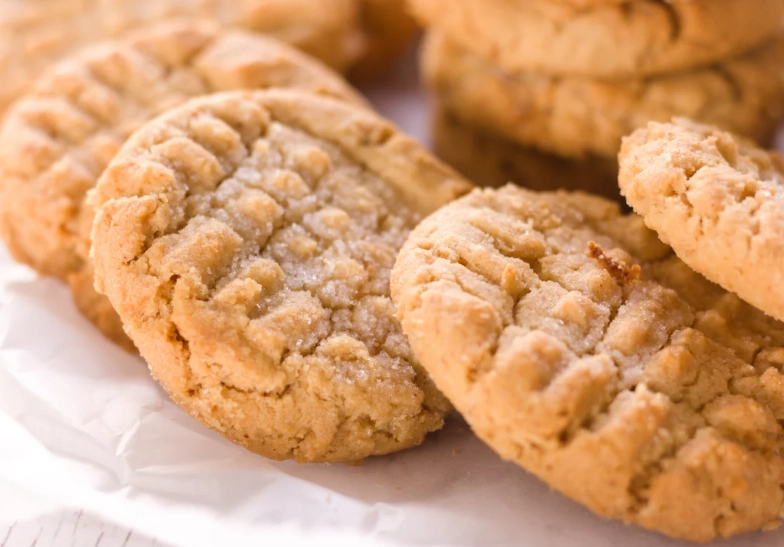
Baking FAQs: Solving Your Cookie Crises
Even with a great recipe, things can go sideways. Here are answers to the questions I get asked most often.
Common Problems & How to Fix Them
Let's put this in a table. It's easier to scan when you're in the middle of a baking panic.
| Problem | Likely Cause | How to Fix It Next Time |
|---|---|---|
| Cookies are flat and greasy | Butter too warm; dough not chilled; baking sheet too warm. | Use cool butter, chill dough for at least 1 hour, always use a cool baking sheet. |
| Cookies are dry and hard | Too much flour; overbaking; overmixing after adding flour. | Measure flour correctly (spoon & level or weigh). Bake only until edges are set. Mix dry ingredients just until combined. |
| Cookies are too cakey or puffy | Too much flour or baking powder; eggs too large. | Check your measurements. Ensure you're using large, not extra-large, eggs. |
| Cookies taste bland or floury | Not enough salt; under-creaming butter/sugar; old baking soda. | Use fine sea salt. Cream butter/sugar for full 2-3 mins. Check leavener expiration dates. |
| Criss-cross pattern doesn't show | Dough too warm or sticky; fork not dipped in sugar. | Chill dough more thoroughly. Dip fork in granulated sugar before each press. |
Taking It Further: Recipe Variations
Once you've mastered the classic, the world is your oyster. Here are a few twists that are fantastic.
Chocolate Chip Peanut Butter Cookies: Fold in 1.5 cups of semi-sweet chocolate chips to the dough after mixing. A no-brainer crowd-pleaser.
Peanut Butter Blossoms: Instead of the criss-cross, roll the dough balls in granulated sugar, bake, and immediately press a Hershey's Kiss into the center of each hot cookie. Let cool completely.
Flourless Peanut Butter Cookies: A different beast entirely, but worth mentioning. They're gluten-free and super chewy. You'd typically use just peanut butter, sugar, an egg, and baking soda. The texture is more fudgy than the classic version.
Salted Peanut Butter Cookies: Sprinkle a tiny pinch of flaky sea salt (like Maldon) on top of each cookie right after they come out of the oven. The sweet-salty combo is incredible.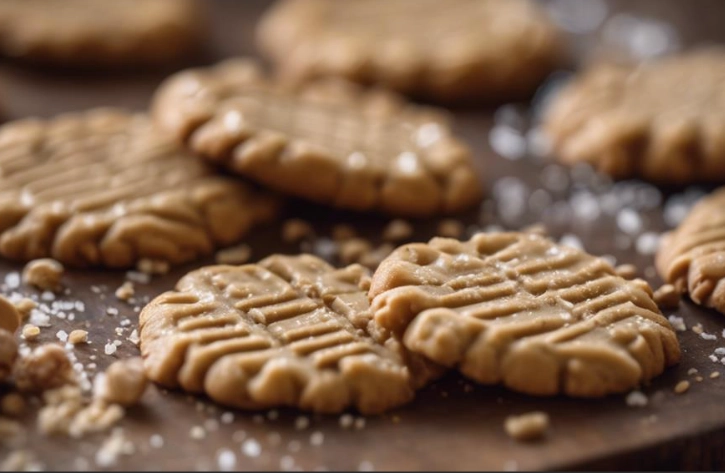
Why This Recipe Truly Stands Out
Look, there are a million peanut butter cookie recipes online. So why should you choose this one? It comes down to reliability and balance. This recipe has been tested and tweaked to avoid the common pitfalls. It addresses the details others gloss over—the butter temperature, the chilling time, the type of peanut butter. It explains not just the "how," but the "why."
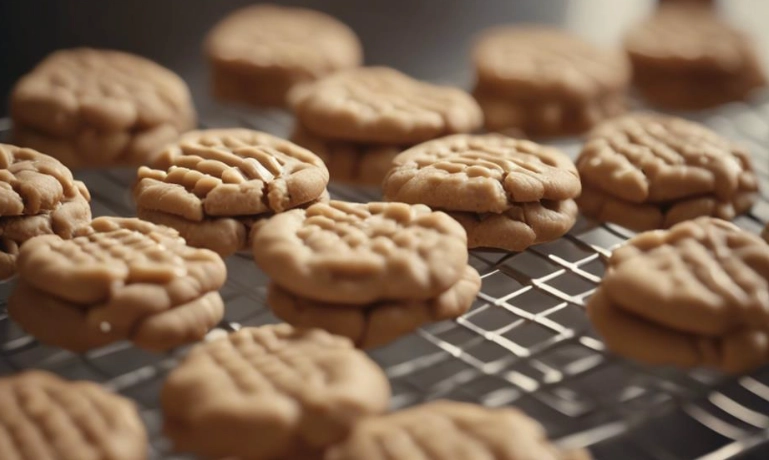
It produces a cookie that is exactly what you picture when you think of the perfect peanut butter cookie: golden, lightly crisp on the outside, soft and chewy inside, with a rich, nutty flavor that's not cloyingly sweet. It's a timeless, classic recipe that works.
Baking is part science, part art. This recipe gives you the solid scientific foundation. Once you've got that down, you can start adding your own artistic flair. Maybe you like them a little crispier, so you bake them a minute longer. Maybe you add some chopped peanuts for texture. That's the fun part.
 Give it a try this weekend. I think you'll find it's the only peanut butter cookie recipe you'll ever need.
For more information on the history and varieties of peanuts, which are actually legumes, you can always check out resources from the National Peanut Board. And if you're looking to deepen your general baking knowledge, the resources from institutions like the Culinary Institute of America are a fantastic place to start, though their focus is on professional training.
So, preheat that oven, get your butter out, and let's make some truly amazing cookies. This best peanut butter cookies recipe is waiting for you to bring it to life.
Reader Comments