Let's be honest. We've all been there. You find a peanut butter chocolate chip cookies recipe online, follow it to the letter, and end up with something... disappointing. Maybe they spread into one giant, thin cookie-sheet blob. Maybe they're dry as sawdust. Or maybe they just taste bland, like flour with a peanut butter afterthought.
It's frustrating. These cookies should be a perfect marriage—the salty, nutty richness of peanut butter hugging sweet, melty chocolate chips, all in a texture that's somehow both chewy and tender.
After more failed batches than I'd care to admit (my trash can has seen things), and after picking the brains of bakers way smarter than me, I finally cracked the code. This isn't just another recipe. It's the ultimate peanut butter chocolate chip cookies recipe, built on understanding the why behind every step. We're going deep. We'll talk ingredients, technique, and the science of chewy versus cakey. By the end, you'll be able to whip up a perfect batch with your eyes closed.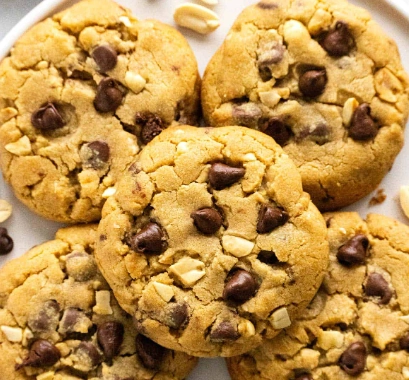
Quick Navigation
The Foundation: Why Your Ingredients Matter Way More Than You Think
You can't build a great house with bad bricks. The same goes for cookies. Let's break down each player on the team.
Peanut Butter: The Star of the Show
This is the make-or-break ingredient. The type you use dramatically changes the final cookie.
Avoid natural peanut butter (the kind with oil separation) for this specific recipe. I learned this the hard way. The extra oil can throw off the fat balance, leading to greasy, spreading cookies. What you want is the standard, shelf-stable creamy peanut butter. Jif, Skippy, Peter Pan—that kind. They have added stabilizers (like hydrogenated oils) and sugars which actually give the cookie a better structure and that classic flavor we're after.
Crunchy vs. Creamy? Creamy gives a uniform texture. Crunchy adds little peanut bits, which is a nice textural contrast if you're into that. For your first go-round with this ultimate peanut butter chocolate chip cookies recipe, I'd stick with creamy.
Flour: Not All Cups Are Created Equal
This is the number one reason home bakers' recipes fail. Scooping a measuring cup directly into the flour bag packs it down. You end up with way too much flour, leading to dry, crumbly cookies.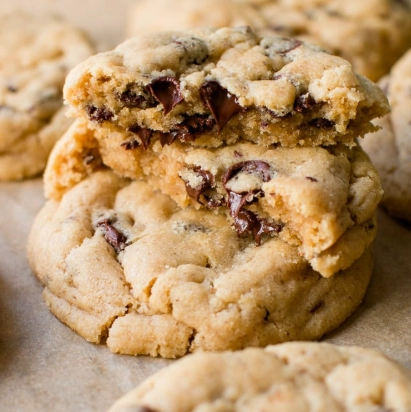
Butter: The Temperature Tango
Room temperature butter is non-negotiable. What does that mean? It should be cool to the touch but yield easily when you press it. You should be able to make a dent with your finger, but your finger shouldn't sink right through into a greasy mess. About 65-67°F (18-19°C) is perfect.
If it's too cold, it won't cream properly with the sugars, and your cookies won't have the right texture. Too soft/melted, and you'll get those flat, greasy spread monsters.
Chocolate Chips: A Matter of Personal Ethics
Semi-sweet is the classic choice—it balances the sweetness of the dough and the saltiness of the peanut butter. But feel free to use milk chocolate for a sweeter cookie, or dark chocolate for a more intense, grown-up vibe. Chocolate chunks, chopped baking bars... they all work. Just know that chips are designed to hold their shape a bit, while chunks and chopped chocolate will give you more pools and swirls.
Here’s a quick breakdown of how your ingredient choices affect the final cookie. This table saved me from a lot of guesswork.
| Ingredient | Common Mistake | Best Practice for This Recipe | What Happens If You Get It Wrong? |
|---|---|---|---|
| Peanut Butter | Using natural, oily style | Standard creamy (e.g., Jif, Skippy) | Cookies spread too much, greasy texture |
| Flour | Scooping from the bag | Spoon & level, or weigh (125g/cup) | Dry, cakey, crumbly cookies |
| Butter | Too cold or melted | True room temp (cool, leaves an indent) | Poor creaming (dense cookie) or excessive spread |
| Sugars | Using only white sugar | Mix of white and brown sugar | Lack of chewiness, depth of flavor |
| Egg | Straight from the fridge | Room temperature | Dough doesn't emulsify properly, can look curdled |
The Step-by-Step: It's More Than Just Mixing
Okay, you've got your perfect ingredients lined up. Now, the dance begins. Each step has a purpose.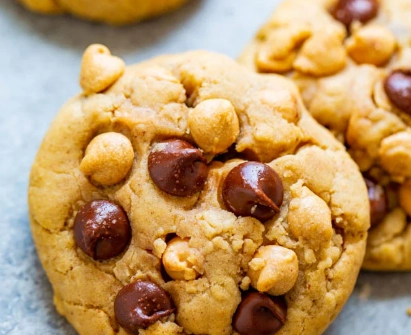
Step 1: Creaming the Butter and Sugars (This is NOT just mixing)
This is the most important step for texture. You're not just combining them. You're using the sugar crystals to whip tiny air pockets into the softened butter. These air pockets expand in the oven, giving the cookie lift and a tender crumb.
Use a hand mixer or stand mixer on medium speed. Beat the room-temp butter, brown sugar, and white sugar for a good 2-3 minutes. Stop when it looks noticeably lighter in color and fluffy. It should look like a pale, creamy paste. If you under-cream here, your cookies will be dense.
Step 2: Incorporating the Wet Team
Add the peanut butter, egg, and vanilla. Mix on medium until it's fully combined and smooth. Scrape down the bowl. This is where that room-temperature egg pays off—it blends in seamlessly. A cold egg can make the creamy butter seize up a bit.
Step 3: The Dry Ingredients – Gentle Does It
Whisk your flour, baking soda, and salt together in a separate bowl. Why? It ensures the baking soda (your leavening agent) is evenly distributed. No one wants a bite of pure baking soda.
Add this dry mix to the wet ingredients. Now, here's the key: mix on low speed, and stop the very second the last traces of flour disappear. Do not overmix! Overmixing develops the gluten in the flour, which leads to tough cookies. We want tender.
Step 4: The Grand Finale – Chocolate Chips
Fold in the chocolate chips by hand with a spatula. This ensures even distribution without overworking the dough. Now, you have your cookie dough. But wait—don't scoop yet.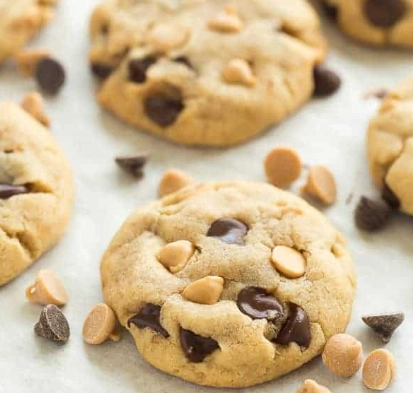
The Secret Weapon: The Chill Time
I know, I know. You want cookies NOW. But covering the dough and chilling it in the fridge for at least 30 minutes (an hour is ideal) is a magic trick. It does three things: 1) It solidifies the butter, preventing catastrophic spread in the oven. 2) It allows the flour to fully hydrate, leading to a better texture. 3) It deepens the flavors. The wait is agony, but it's the difference between a good cookie and a great one. This is the pro tip most quick online recipes skip.
Baking & The Art of Doneness
Preheat your oven properly—375°F (190°C). Not 350°, not 400°. For this recipe, 375°F is the sweet spot. Use a light-colored baking sheet. Dark sheets absorb more heat and can cause the bottoms to burn before the centers are done.
Line your sheet with parchment paper. Silicone mats are okay, but I find parchment gives a slightly better bottom browning.
Scoop your dough. I use a #40 cookie scoop (about 1.5 tablespoons) for consistent, medium-sized cookies. Roll them into balls and place them on the sheet, leaving about 2 inches between them for spread.
Here's the real secret: cookies continue to cook on the hot baking sheet after you take them out of the oven. So, you want to pull them out when they look *slightly* underdone in the very center.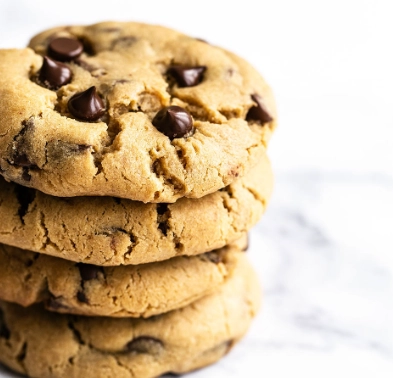
Let them cool on the baking sheet for 5 minutes, then transfer to a wire rack to cool completely. This initial cooling on the sheet helps them set without falling apart.
FAQ: Your Peanut Butter Chocolate Chip Cookie Questions, Answered
I get a lot of questions about this peanut butter chocolate chip cookies recipe. Here are the big ones.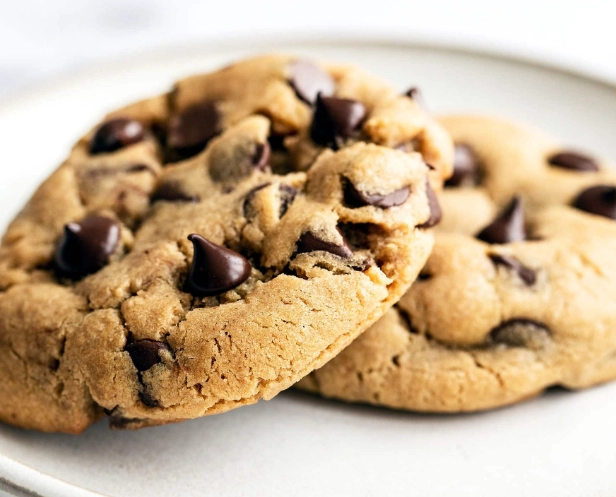
Why are my cookies flat and thin?
Usually, it's one of three things: 1) Your butter was too soft or melted. 2) You didn't chill the dough. 3) Your baking sheet was still warm from a previous batch. Always use a cool sheet for each batch.
Can I make these cookies gluten-free?
Yes, but it's a swap that needs care. Use a 1:1 gluten-free all-purpose flour blend (like King Arthur's or Bob's Red Mill). The dough might be a bit more crumbly, so chilling is even more critical. They might spread a tiny bit less, but the flavor will be great.
How do I store them to keep them soft?
Once completely cool, store them in an airtight container at room temperature. For ultimate softness, throw a slice of bread in the container. The cookies will draw moisture from the bread, staying chewy for days (the bread will get hard—sacrifice it for the greater good).
Can I freeze the dough?
Absolutely! It's a fantastic trick. Scoop the dough balls onto a parchment-lined sheet, freeze them solid, then transfer to a freezer bag. You can bake them straight from frozen—just add 1-2 minutes to the baking time. Having frozen cookie dough on hand is a life upgrade.
My dough seems too dry/crumbly. What did I do?
You almost certainly over-measured the flour. Next time, spoon and level or weigh. For this batch, try adding a teaspoon of milk and mixing it in gently. It might save them.
Troubleshooting & Customizing Your Masterpiece
Once you've mastered the base, the world is your oyster. Or your cookie jar.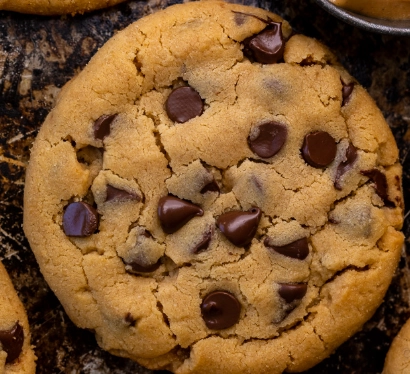
Want extra chew? Use more brown sugar relative to white sugar. Brown sugar has molasses, which attracts and retains moisture.
Love a salty-sweet kick? Sprinkle a tiny bit of flaky sea salt (like Maldon) on top of the dough balls right before baking. It's incredible.
Out of baking soda? You can't just skip it. It's the leavening agent. If you're in a pinch, you could try baking powder, but it's not a direct 1:1 substitute (baking powder is less potent). For reliable results, just get baking soda. The K-State Research and Extension food safety page has good basic info on pantry staples and substitutions, though for baking, precision is key.
Going nuts? Add 1/2 cup of chopped roasted peanuts for a double peanut crunch.
Look, at its core, this peanut butter chocolate chip cookies recipe is about understanding the process. It’s forgiving, but it rewards attention to detail. Once you get the feel for the dough—how it should look after creaming, how it comes together, how it smells when it’s perfectly baked—you’ll never need another recipe.
You’ll just have your own.
And your kitchen will smell like heaven.
Reader Comments