Quick Cookie Guide
- Why This Combo Works (And How to Make It Shine)
- The Step-by-Step: It's All in the Technique
- Baking & The Art of Doneness
- Troubleshooting Your Peanut Butter Chocolate Chip Cookies
- Leveling Up: Variations and Expert Tips
- Storing and Freezing: Keep Them Fresh
- Answering Your Burning Cookie Questions
- Wrapping It Up: Your Cookie Confidence
Let's talk about cookies. Not just any cookies, but the kind that makes your kitchen smell like a bakery and disappears from the cooling rack in about five minutes flat. I'm talking, of course, about peanut butter cookies with chocolate chips. That perfect marriage of nutty, salty-sweet dough and melty chocolate pockets.
You've probably tried a few recipes. Some turn out cakey, some spread too thin, some taste more like sugar than peanut butter. I've been there. I once made a batch that spread into one giant, lacy cookie sheet. Not ideal.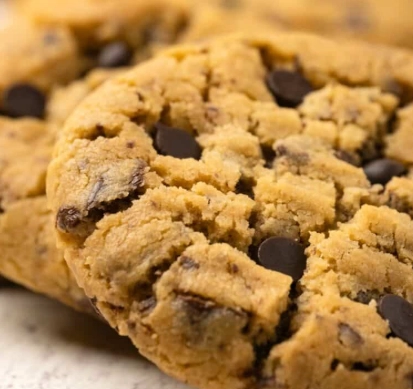
Getting it right isn't magic. It's understanding a few simple things.
This isn't just another recipe post. Think of it as your back-pocket guide to nailing these cookies every single time, whether you're a weekend baker or someone who just really loves a good treat. We'll dig into the why behind the steps, tackle common problems head-on, and I'll even share a few secrets I learned the hard way (like why chilling the dough isn't always optional).
Why This Combo Works (And How to Make It Shine)
Peanut butter and chocolate is a classic for a reason. The fat and protein in peanut butter give cookies a wonderfully dense, chewy texture that's different from your standard chocolate chipper. It adds a savory depth that balances the sweetness. The chocolate chips? They provide little bursts of creamy, sweet contrast. It's a textural and flavor home run.
But here's the thing I see people get wrong all the time. They treat peanut butter as just a flavor add-in. It's not. It's a major structural ingredient. It has a ton of fat and very little water. This changes everything about how your flour hydrates and how your cookies spread. Use the wrong kind, or measure it poorly, and your whole batch is off.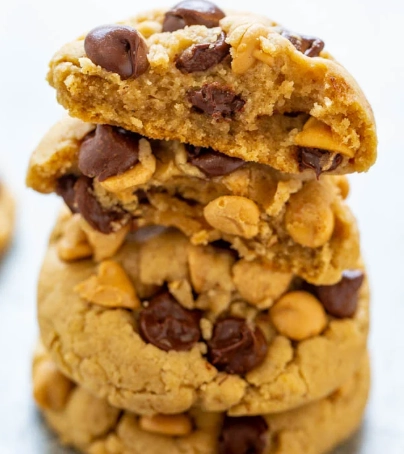
The Foundation: Choosing Your Ingredients Wisely
You can't build a great house on a shaky foundation. Same goes for cookies. Let's break down what each ingredient does, because swapping willy-nilly is the fastest route to disappointment.
The Core Cast of Characters
- Peanut Butter: This is the star. For the classic texture, you want a commercial, processed peanut butter like Jif or Skippy. The oils are stabilized, so it's consistent. “Natural” peanut butter (the kind you have to stir) can work, but it's trickier—the separated oil can make your cookies greasy and spread too much. If you go natural, stir it really, really well and consider reducing other fats slightly. Crunchy or smooth? Smooth gives a uniform texture, but a bit of crunchy can be nice for extra peanut bits. Personally, I'm a smooth-only person for this cookie; I want the chips to be the only texture surprise.
- Butter: Unsalted. Always unsalted. You control the salt. It should be softened to room temperature—think cool to the touch but your finger leaves a slight indent. Not melted. Melted butter will give you a crispier, flatter cookie. Room-temp butter creamed with sugar is what creates air pockets for a bit of lift and chew.
- Sugars: A mix of brown and white. Brown sugar (pack it firmly into the cup) brings moisture, acidity (from the molasses), and that deep, caramel-like flavor. It's the secret to chewiness. White sugar promotes spreading and crispness. The ratio is key for your desired texture.
- Flour: All-purpose is perfect. Don't use bread flour (too much protein = tough cookies) or cake flour (too little protein = too crumbly). Spoon it into your measuring cup and level it off. Don't scoop from the bag—that packs it down and you end up with too much flour, leading to dry, cakey cookies. This is probably the number one mistake home bakers make.
- Chocolate Chips: Semisweet is the classic choice. It has enough sweetness to balance the peanut butter without overwhelming it. Milk chocolate can be too sweet for some. Dark chocolate is fantastic if you love a more intense contrast. Chocolate chunks will give you bigger pools of chocolate. I often use a mix of semisweet chips and a handful of dark chocolate chunks I chop myself. Feels fancier.
- Egg: One large egg, also at room temperature. It binds everything together and adds moisture. A cold egg can re-solidify your creamed butter and make the dough look curdled. It'll still bake fine, but the texture might be slightly compromised.
See? It's not a mystery. Each thing has a job. When you know the jobs, you can start to tweak things to your taste.
The Step-by-Step: It's All in the Technique
Okay, you've got your ingredients lined up. Now let's make the dough. This part matters just as much.
Creaming is Not Just Mixing
This is the most important step. You're not just combining butter and sugars; you're beating air into them. Use a stand mixer or hand beaters on medium speed for a good 2-3 minutes. The mixture should lighten in color and look fluffy. This air gets trapped and expands in the oven, giving you lift. If you skip this, your cookies will be dense.
The Order of Operations
- Wet Team First: Cream the room-temperature butter, peanut butter, brown sugar, and white sugar until it's really pale and fluffy. Scrape the bowl down. Seriously, scrape it. Unmixed butter at the bottom is a recipe for inconsistency.
- Egg & Vanilla: Beat in the egg and vanilla until just combined. It might look a bit separated, that's okay.
- Dry Team Unites: In a separate bowl, whisk together your flour, baking soda, and salt. This distributes the leavening evenly. Then, add it to the wet ingredients. Mix on low speed just until the flour disappears. Overmixing at this stage develops gluten and makes cookies tough.
- The Grand Finale: Take the bowl off the mixer. Fold in the chocolate chips by hand with a spatula. This protects the chips from getting smashed and ensures even distribution.
To Chill or Not to Chill?
Most recipes say to chill the dough. I used to ignore this. I was impatient. And my cookies always spread into thin, crispy wafers. Chilling does two crucial things: it solidifies the fat, so the cookies don't melt and spread too fast in the oven, and it allows the flour to fully hydrate, leading to a richer flavor and better texture.
For peanut butter chocolate chip cookies, I recommend at least 1 hour in the fridge, but 2-3 is better. Overnight is best. The flavor deepens amazingly. You can even scoop the dough into balls first, then chill them on a tray—they'll bake up even more perfectly round.
No time? Pop the scooped balls in the freezer for 20 minutes. It's better than nothing.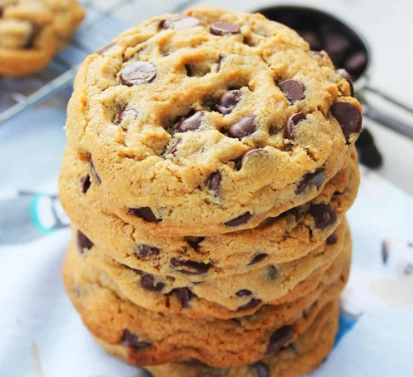
Baking & The Art of Doneness
Preheat your oven. I mean, really preheat it. Give it a good 20 minutes. An oven thermometer is a cheap and life-changing tool—your dial might be lying to you.
Use a light-colored aluminum baking sheet. Dark sheets absorb more heat and can burn the bottoms. Parchment paper or a silicone mat is non-negotiable for easy removal and even baking. No greasing the pan—it'll make the cookies spread even more.
Space your dough balls about 2 inches apart. They will spread.
Now, the million-dollar question: How long do you bake them?
The recipe will say 9-11 minutes at 350°F (175°C). But you don't bake by time alone. You bake by look. The edges should be set and just starting to turn a light golden brown. The centers will look puffy, soft, and slightly underdone. They will NOT look fully set.
Take them out. Right now. They will continue to cook on the hot baking sheet.
Let them cool on the sheet for 5 full minutes. This lets them finish setting up without becoming rock hard. Then, transfer them to a wire rack to cool completely. This step is what gives you that soft center. If you try to move them right away, they'll fall apart. If you leave them on the hot sheet too long, they'll over-bake.
Troubleshooting Your Peanut Butter Chocolate Chip Cookies
Things go wrong. It happens to everyone. Here's a quick cheat sheet to diagnose and fix common issues.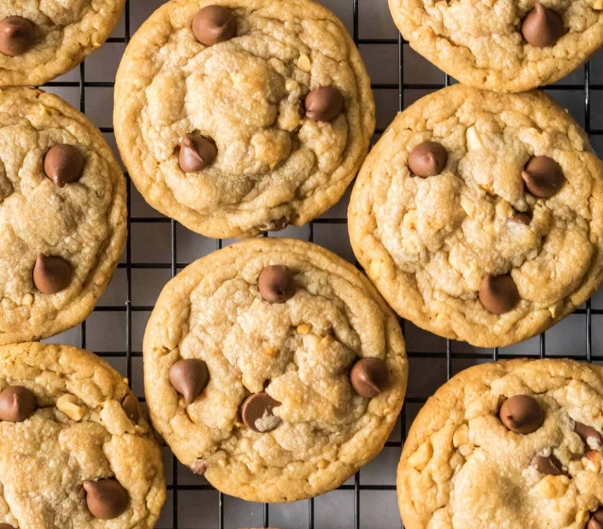
| Problem | Likely Cause | How to Fix It Next Time |
|---|---|---|
| Cookies spread too much, are flat and thin. | Butter too warm/soft or melted. Dough not chilled. Too much sugar. Baking sheet too warm. Using all natural peanut butter. | Ensure butter is cool room temp, not greasy. Chill dough thoroughly. Measure sugars accurately. Use cool baking sheets (rotate between batches). Use stabilized peanut butter. |
| Cookies are dry, cakey, and don't spread. | Too much flour (most common!). Over-measuring flour. Overmixing after adding flour. Too much peanut butter (if very dry). | Measure flour by spooning and leveling. Mix dry ingredients only until just combined. Check peanut butter measurement. |
| Cookies are too hard/crunchy. | Over-baking. Too much white sugar relative to brown. Dough was over-mixed. | Bake less time—remove when centers look soft. Use the recommended brown/white sugar ratio. Mix gently. |
| Cookies are too soft/greasy. | Under-baking. Too much butter or peanut butter. Using natural peanut butter with separated oils. | Bake until edges are lightly golden. Measure fats accurately. Use processed peanut butter or stir natural PB extremely well. |
| Flavor is bland or floury. | Not enough salt. Not using vanilla. Peanut butter is low-quality or flavorless. Dough not chilled long enough for flavors to meld. | Use enough salt (it enhances all flavors). Use real vanilla extract. Use a brand of peanut butter you like the taste of on its own. Chill dough longer. |
See? Most problems are fixable. It's usually one small thing.
Leveling Up: Variations and Expert Tips
Once you've mastered the basic peanut butter chocolate chip cookie, the world is your oyster. Or your cookie jar.
- Sea Salt Sprinkle: Right after pulling the tray from the oven, sprinkle a tiny bit of flaky sea salt (like Maldon) on each cookie. It elevates everything.
- Stuffed Cookies: Take two small balls of dough, flatten them slightly, place a miniature peanut butter cup or a square of chocolate in the center of one, and top with the other, sealing the edges. Mind-blowing.
- Brown Butter: Brown your butter first and let it cool to room temperature before creaming. It adds a deep, nutty, almost toffee-like flavor that pairs insanely well with the peanut butter. It's a game-changer, but adds an extra step.
- Gluten-Free: Use a 1:1 gluten-free all-purpose flour blend (like Bob's Red Mill or King Arthur). The peanut butter helps with moisture, so they work really well.
Storing and Freezing: Keep Them Fresh
These cookies are best the day they're made, but let's be real, you'll have leftovers.
At room temperature: Store in an airtight container at room temp for up to 4-5 days. A piece of bread in the container can help keep them soft (the cookies draw moisture from the bread).
Freezing dough: This is my favorite trick. Scoop the dough balls onto a parchment-lined tray, freeze solid (about 2 hours), then toss them into a freezer bag. They'll keep for 3 months. You can bake them straight from frozen—just add 1-2 minutes to the bake time. Fresh-baked cookies anytime.
Freezing baked cookies: Let them cool completely, then layer them between parchment paper in an airtight container or freezer bag. Thaw at room temp or warm briefly in a 300°F oven.
Answering Your Burning Cookie Questions
I get asked these all the time. Let's clear them up.
Can I make these without a mixer?
Absolutely. Use a sturdy wooden spoon and some elbow grease. Creaming the butter and sugar will take longer and more effort, but it's doable. Make sure your butter is properly softened.
Why did my chocolate chips all sink to the bottom?
Your dough was probably too warm or soft when you put them in. Chilling the dough before baking helps prevent this. Also, tossing the chips in a teaspoon of flour before adding them to the dough can help them "stick" in place better.
Can I use chunky peanut butter?
Yes, but it will change the texture. You'll get little bits of peanut throughout. If you like that, go for it. I find it competes with the chocolate chips, but it's a personal preference.
My cookies are always raw in the middle but burnt on the bottom. Help!
Your oven rack is probably too low. Move it to the middle position. Also, your baking sheet might be too dark—a dark pan absorbs more heat. Try a light-colored aluminum sheet and/or doubling up your baking sheets (placing one inside the other) to insulate the bottom.
Are these cookies considered healthy?
Let's be honest, they're a dessert. While peanut butter provides some protein and healthy fats, and using resources like the USDA FoodData Central can give you precise nutritional breakdowns, these are a treat. You can make slightly healthier swaps (like using part whole wheat flour, reducing sugar slightly), but they're still cookies. Enjoy them in moderation as part of a balanced diet.
What's the best type of chocolate chip for peanut butter cookies?
For the classic taste, standard semisweet morsels are perfect. For a more gourmet touch, chop up a high-quality semisweet or dark chocolate baking bar. The irregular chunks create amazing pools of chocolate. The Fine Chocolate Industry Association has great resources on chocolate quality if you're curious to dive deeper.
Wrapping It Up: Your Cookie Confidence
So there you have it. Everything I've learned, messed up, and finally gotten right about making incredible peanut butter cookies with chocolate chips. It boils down to this: good ingredients, proper technique (especially creaming and chilling), and learning to read the signs of doneness rather than just the clock.
Don't be afraid to make them your own. Add some oats for chew, swap in some Reese's Pieces, use half dark chocolate and half milk chocolate. Baking is part science, part personal expression.
The best batch of peanut butter chocolate chip cookies is the one that makes you and the people you share them with happy. Now go preheat your oven. You've got this.
Seriously, go bake. And save one for me.
Reader Comments