Your Quick Cookie Guide
- Why This 3-Ingredient Magic Actually Works
- The Only 3 Ingredients You Need
- Step-by-Step: Making Your 3-Ingredient Peanut Butter Cookies
- The 2-Ingredient Variation (No Egg)
- Fixing Common 3-Ingredient Cookie Problems
- Taking Your 3-Ingredient Cookies to the Next Level
- Nutrition & Dietary Notes
- The Final Word on 3-Ingredient Peanut Butter Cookies
Let's be honest. Sometimes you just need a cookie. Right now. Not after a trip to the store for five missing ingredients, not after waiting for butter to soften, and definitely not after chilling dough for an hour. You want something warm, peanut buttery, and chewy coming out of your oven in about 20 minutes flat. That's where this magic little recipe comes in.
I stumbled upon the concept of 3-ingredient peanut butter cookies during a serious pantry lockdown situation. Flour? Gone. Eggs? Reserved for breakfast. But there was a nearly full jar of peanut butter staring at me. A quick search led me down a rabbit hole of recipes claiming you could make cookies with just peanut butter, sugar, and... that's it? I was skeptical. Cookies need structure, they need binding. How could three things possibly work?
Well, I tried it. And my mind was blown. Not only did it work, but the resulting cookie was intensely peanut-y, perfectly sweet, and had this fantastic chewy-crumbly texture that's hard to describe until you bite into one. It's become my go-not-just-for-emergencies but for anytime-I-want-a-quick-treat recipe. But here's the thing – not all 3-ingredient peanut butter cookies recipes are created equal. The devil, as they say, is in the details. The type of peanut butter, the kind of sugar, even how you mix it can mean the difference between a crumbly mess and cookie perfection.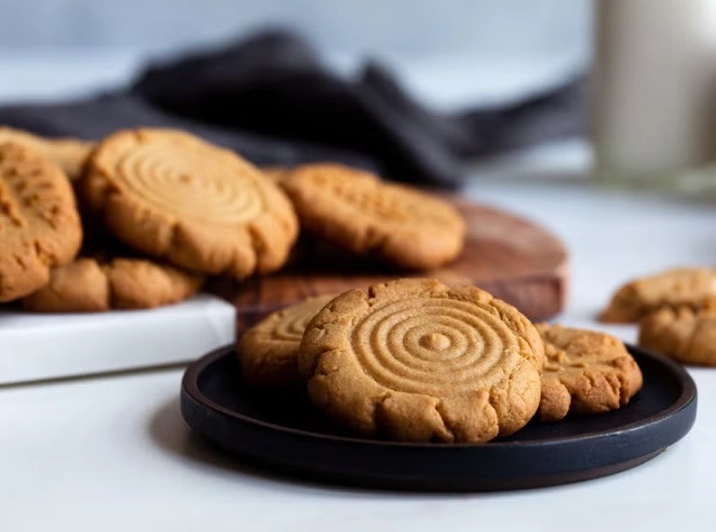
So, let's dive deep. This isn't just a recipe card. This is your ultimate guide to understanding, mastering, and customizing these wonderfully simple cookies. We'll cover the science (in plain English, I promise), the step-by-step secrets, the common pitfalls, and answer every question you might have before you even think to ask it.
Why This 3-Ingredient Magic Actually Works
Before we measure a single thing, it helps to know what's going on. It feels like a kitchen hack, but there's real food science behind it. When you understand the "why," the "how" makes so much more sense and you can troubleshoot on the fly.
The star of the show is the peanut butter. A good, standard commercial peanut butter (think Skippy or Jif) contains peanuts, oil, sugar, and salt. It already has fats (from the peanuts and added oils) and proteins. When you add granulated sugar and bake the dough, something cool happens. The proteins in the peanut butter set with the heat, providing structure. The sugar doesn't just sweeten; it melts and caramelizes slightly, helping the cookies hold together and giving them that signature criss-cross fork pattern a lovely bit of crispness.
The egg, which is a crucial binder in most cookies, isn't needed here because the peanut butter's natural oils and proteins do the binding job when heated. The flour isn't needed because we're not building a gluten structure. We're making a cookie that's dense, fudgy, and all about the peanut flavor.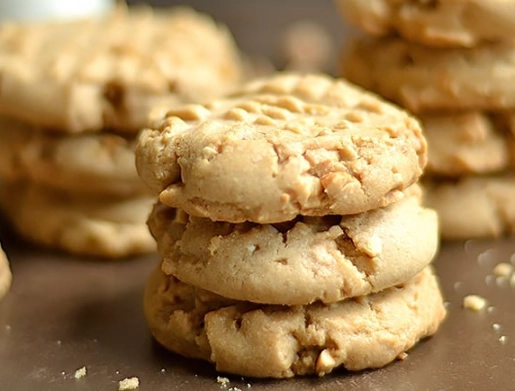
A crucial note on peanut butter: This recipe hinges on using the right kind. You must use a conventional, processed peanut butter with added oils and stabilizers. The kind that's smooth and homogenous straight out of the jar. All-natural, oil-separating peanut butter will give you a greasy, spread-out, often crumbly disaster. The added emulsifiers in regular peanut butter are part of what holds everything together. Save the all-natural stuff for your toast.
I learned this the hard way. My first attempt was with my favorite natural peanut butter. The cookies spread into sad, flat puddles and fell apart when touched. Not good. Switched to a standard jar, and suddenly, perfect cookies. It feels counterintuitive if you're a clean-label person, but for this specific recipe, it's non-negotiable.
The Only 3 Ingredients You Need
Let's break down each component. Precision matters, even with only three items.
| Ingredient | Role | Best Choices & Why | Quantity for ~12 Cookies |
|---|---|---|---|
| 1. Peanut Butter | Provides fat, protein, flavor, and acts as the binder and flour substitute. | Smooth, commercial brand (e.g., Jif, Skippy, Peter Pan). Avoid "natural" or "just peanuts" types. Crunchy works too for texture! | 1 cup (250g) |
| 2. Sugar | Sweetens, provides structure, helps with browning and spreading. | White granulated sugar is standard. For deeper flavor, substitute up to half with light brown sugar. Don't use only brown sugar—it can make cookies too soft. | 1 cup (200g) |
| 3. Egg** | Wait, a fourth ingredient? Nope. The classic trio is just PB, sugar, and...an egg is optional but highly recommended. See below. | One large egg. This is the "secret" fourth ingredient many bakers quietly add for guaranteed stability and chew. | 1 large egg (optional but advised) |
Hold on. An egg?
Yes. Let's address the elephant in the room. The purest form of this recipe is truly just peanut butter and sugar. And it works. But after making dozens of batches, I and many other home bakers have found that adding one large egg transforms the texture from potentially crumbly to reliably, delightfully chewy and cohesive. It's insurance. It makes the dough easier to handle, and the final cookie has a better mouthfeel. The recipe is still incredibly simple, and the payoff is worth it. For the purposes of this guide—and for guaranteed success—I'm treating the egg as a core component. But I'll give you the egg-less method too, with its specific tips.
The Verdict: For your first time, use the egg. It's foolproof. Once you're comfortable, try the 2-ingredient version if you're out of eggs or have an allergy. The recipe below includes the egg.
Step-by-Step: Making Your 3-Ingredient Peanut Butter Cookies
This is where we get into the nitty-gritty. Follow these steps closely, and you'll avoid the common traps.
Mixing is Everything
Preheat your oven to 350°F (175°C). Line a baking sheet with parchment paper. Don't grease it—the cookies have enough fat.
In a medium bowl, combine the 1 cup of peanut butter and 1 cup of sugar. Now, mix. And mix some more. You want to beat it with a wooden spoon or spatula for a good 1-2 minutes until it's completely smooth, shiny, and well-blended. This initial creaming step is more important than you think. It helps dissolve the sugar into the fats a bit, leading to a better texture.
Add the large egg. Mix vigorously again until the egg is fully incorporated and the dough is smooth, thick, and holds together. It will be sticky, but it should be moldable. If it seems too loose or oily, you might have used a natural peanut butter. If it's crumbly and won't come together, add a teaspoon of water or milk and mix again.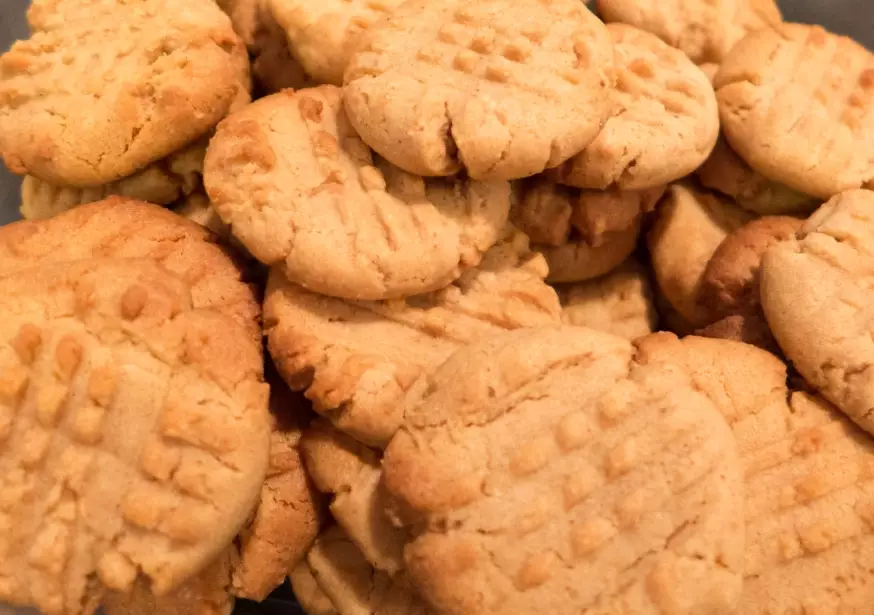
Pro Tip: Let the dough sit for 5-10 minutes after mixing. This allows the sugar to absorb moisture from the peanut butter and egg, making the dough less sticky and easier to roll.
Shaping & The Famous Fork Mark
Using your hands or a small cookie scoop (about 1.5 tablespoons of dough), roll the dough into balls. Place them on the prepared sheet, about 2 inches apart. They don't spread a huge amount, but they need some space.
Now, take a fork. Dip the tines in a little extra sugar (this prevents sticking). Gently press down on a dough ball to flatten it slightly, then press again perpendicular to the first press to create the classic criss-cross pattern. This isn't just for looks—it ensures the thick, dense cookie bakes evenly in the center.
Don't press them paper-thin. Aim for about a 1/2-inch thickness.
Baking to Perfection
Bake for 10-12 minutes. Here's the trick: they will not look "done" when they're done. They will be very soft to the touch and look pale around the edges, with perhaps a slight golden tinge on the fork marks. The centers will look underbaked.
This is correct.
If you wait for them to look firm and golden brown, you'll have hockey pucks. They set up as they cool. Pull them out at the 11-minute mark for super chewy cookies, 12 minutes for a bit more firmness.
Let them cool on the baking sheet for at least 10 minutes. They are incredibly fragile when hot. After 10 minutes, you can transfer them to a wire rack to cool completely. They will firm up beautifully.
The 2-Ingredient Variation (No Egg)
For the purists or the egg-allergic, here's how to make the classic duo work. Use 1 cup peanut butter and 1 cup sugar. Mix until a thick, play-dough-like dough forms. It will be crumbly at first but will come together with vigorous mixing. Roll into balls, press with a fork. The baking time is the same.
The texture will be more crumbly and shortbread-like, less chewy. They are more delicate when warm. Handle with extra care. Some people actually prefer this drier, more peanut-brittle-like texture. It's a matter of taste.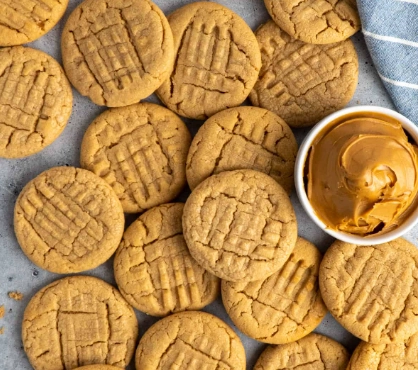
Fixing Common 3-Ingredient Cookie Problems
Things can go wrong. Let's solve them before they happen.
| Problem | Likely Cause | How to Fix It |
|---|---|---|
| Cookies spread too much into flat puddles. | 1. Used natural peanut butter. 2. Dough was too warm. 3. Not enough sugar. |
Use only processed PB. Chill dough 30 min before baking. Ensure you measured sugar correctly. |
| Cookies are too crumbly and fall apart. | 1. Used the 2-ingredient method. 2. Overbaked. 3. Wrong peanut butter. |
Add an egg next time. Reduce baking time by 1-2 minutes. Use standard creamy PB. |
| Cookies are too dry/hard. | Overbaking. This is the #1 culprit. | Bake for less time. Remember, they set while cooling. |
| Dough is too sticky to handle. | Warm ingredients or certain PB brands. | Let dough rest 10 min. Chill for 20 min. Lightly wet or oil your hands when rolling. |
| No peanut flavor. | Using a very mild brand of PB. | Use a robust brand or add 1/4 tsp salt to the dough. |
Taking Your 3-Ingredient Cookies to the Next Level
The base is perfect, but why stop there? Here are easy, no-fuss add-ins that don't complicate the process.
- Chocolate Chips: Fold in 1/2 cup of semi-sweet or dark chocolate chips. The classic combo.
- Sea Salt: Sprinkle a tiny flake of sea salt on top of each cookie before baking. It elevates the sweetness and peanut flavor amazingly.
- Vanilla or Almond Extract: Add 1 teaspoon to the dough with the egg. Adds a lovely background note.
- Rolled in Sugar: Roll the dough balls in extra granulated or coarse sugar before pressing for a sparkly, crunchy exterior.
- Hershey's Kiss: Press an unwrapped Kiss into the center of the warm cookie right out of the oven for a peanut butter blossom effect.
My personal favorite is adding a handful of chopped salted peanuts. It doubles down on the peanut flavor and adds a great crunch. Sometimes I'll swap half the white sugar for brown sugar too – it gives a deeper, almost toffee-like flavor that's just incredible.
Nutrition & Dietary Notes
These cookies are naturally gluten-free and grain-free because there's no flour. This makes them a popular choice for people with celiac disease or gluten sensitivity (always check your peanut butter label for cross-contamination warnings if this is a serious concern). The National Institute of Diabetes and Digestive and Kidney Diseases notes that for those with celiac disease, avoiding gluten is critical, and simple recipes with whole-food ingredients can be a safe bet. You can find more on gluten-free living at the NIDDK website.
They are also dairy-free (assuming your peanut butter is). However, they are not low-carb or low-sugar. The main ingredient after peanut butter is sugar. For a protein boost, peanut butter is a good source. According to the USDA's FoodData Central, peanut butter provides protein, healthy fats, and essential nutrients like magnesium and potassium. It's a more nutrient-dense base than just flour and butter.
Can I use honey or maple syrup instead of sugar?
Unfortunately, no. Liquid sweeteners will throw off the balance completely, making the dough too wet and the cookies likely to spread and burn. Granulated sugar is essential for the structure.
How do I store these cookies? Do they freeze?
Store cooled cookies in an airtight container at room temperature for up to 5 days. They also freeze beautifully for up to 3 months. Place them in a single layer in a freezer bag or container. Thaw at room temperature.
My cookies are too sweet. Can I reduce the sugar?
You can try reducing it to 3/4 cup, but be warned: sugar is a structural ingredient here, not just a sweetener. Reducing it too much can lead to crumbly cookies that don't hold their shape well. I'd recommend trying a less-sweet peanut butter brand first.
Can I make these with almond butter or sunflower seed butter?
Yes! This is a great way to make a nut-free version. Use sunflower seed butter (like SunButter) for a school-safe treat. Be aware that sunflower seed butter can react with baking soda/powder to turn things green (harmless but surprising!). Since this recipe has neither, you're safe. The flavor will be different but still delicious. Ensure your substitute butter is of the processed, stabilized variety, not a runny natural one.
The Final Word on 3-Ingredient Peanut Butter Cookies
This recipe is a testament to the beauty of simplicity in baking. It proves that with a understanding of how ingredients work, you can create something truly delicious from almost nothing. It's a lifesaver for unexpected guests, a late-night craving, or baking with kids (so few steps to mess up!).
Is it the most complex, gourmet cookie you'll ever eat? No. It's a humble, homespun treat. But in its simplicity lies its charm and its incredible reliability. Once you master the basic formula—the right peanut butter, the patient mixing, the slightly-underbaked pull from the oven—you have a cookie recipe you can make blindfolded with ingredients you probably already have.
So, go raid your pantry. Grab that jar of peanut butter, the bag of sugar, and a single egg. In less than 30 minutes, you'll have a warm batch of pure, peanut buttery joy. And honestly, what could be better than that?
Give it a try. And when you do, don't be surprised if this becomes your new favorite "cheat" recipe. Mine sure did.
Reader Comments