Quick Guide
Let's be honest. We've all seen those pictures of perfect peanut butter pie, with its creamy, dreamy filling sitting in a crisp crust, topped with fluffy whipped cream and maybe a drizzle of chocolate. It looks simple enough, right? You mix some stuff, pour it in a shell, and chill. How hard could it be?
Well, I'm here to tell you that the gap between a good peanut butter pie and a truly great one is wider than you think. I've made my share of mediocre pies—ones where the filling was too dense, or worse, didn't set at all. I've had crusts that were soggy before the filling even touched them. It's frustrating.
But after what feels like a hundred attempts (and consulting with a pastry chef friend who finally took pity on me), I've cracked the code. This isn't just another recipe. It's a complete roadmap. We're going to talk about the why behind every step, so you're not just following instructions blindly. You'll understand the science, which means you can troubleshoot, adapt, and truly make it your own.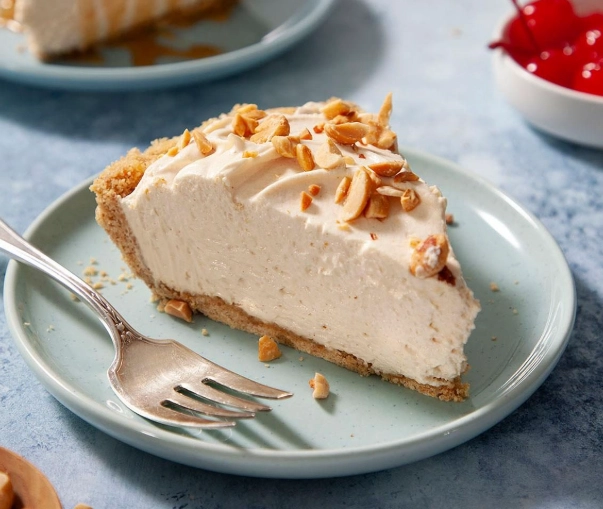
So, if you're ready to learn how to make peanut butter pie that will have people asking for the recipe, you're in the right place. We're going deep.
It All Starts With The Right Stuff: Your Ingredient Deep Dive
You can't build a great house with cheap bricks, and you can't make an incredible pie without understanding your ingredients. This is where most recipes just list items and move on. Not us. Let's get nerdy for a second.
The classic no-bake peanut butter pie hinges on a few key players. Get to know them.
The Star: Peanut Butter
This is the heart of the operation. The choice here makes or breaks your pie. You'll see endless debates: creamy vs. crunchy, natural vs. processed, name brand vs. store brand.
Here's my take, born from messy experimentation.
Avoid "natural" or "just peanuts" style peanut butters for this specific recipe. I know, it sounds counterintuitive. The healthy stuff is usually better, right? Not here. Those oils separate like crazy, and when you mix them with the other filling ingredients, they can cause the whole structure to break—creating a greasy, unappealing mess. You want a standard, shelf-stable creamy peanut butter. The kind with a little added sugar and stabilizers (like hydrogenated vegetable oil). Skippy, Jif, Peter Pan... these are your friends for a guaranteed smooth, stable filling. The emulsifiers in them are like tiny peacekeepers, ensuring everything blends into a uniform, silky cream.
If you're a crunchy peanut butter person, I feel you. The texture is fantastic. For this pie, I recommend using creamy as your base for the filling, and then stirring in 1/4 to 1/2 cup of finely chopped roasted peanuts (or a spoonful of crunchy butter) at the very end. That way you control the crunch without risking the filling's integrity.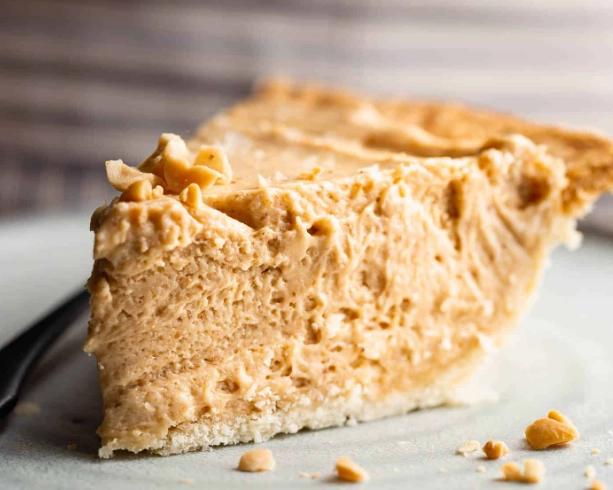
The Backbone: Cream Cheese & Cool Whip (or Real Cream)
This duo provides the structure and the airy lightness. The cream cheese must be full-fat and absolutely at room temperature. I can't stress this enough. Cold cream cheese will leave little lumps in your filling no matter how long you beat it. Take it out of the fridge at least an hour before you start.
Now, the whipped component. This is a major fork in the road.
Option A: Cool Whip (or similar non-dairy whipped topping). This is the easy, foolproof route. It's already stable and sweetened. Your pie will set firmly and slice cleanly. It's practically bulletproof for beginners. Some purists turn their noses up, but you know what? It works, every single time.
Option B: Freshly Whipped Heavy Cream. This is the gourmet route. The flavor is cleaner and richer. But it's trickier. You need to whip it to stiff peaks yourself and often stabilize it with a bit of powdered sugar or even a teaspoon of instant pudding mix to help it hold up in the filling. If you go this route, your pie will be slightly softer and more delicate, but the flavor payoff is huge.
My personal compromise? I often use the real whipped cream for the topping (so you get that fresh taste) and Cool Whip in the filling (for guaranteed structure). Nobody has to know your secret.
The Sweet Talkers: Sugar & Flavorings
Confectioners' sugar (powdered sugar) is best. Its fine texture dissolves instantly, preventing any graininess. Granulated sugar can work, but you have to be meticulous about beating it until it's completely dissolved.
Vanilla extract is a must. Use the real stuff, not imitation. A pinch of salt is also non-negotiable—it makes all the sweet and peanutty flavors pop. I sometimes add a tiny bit of instant espresso powder (like 1/4 teaspoon). You won't taste coffee, but it deepens the chocolate and peanut butter flavors in a magical way.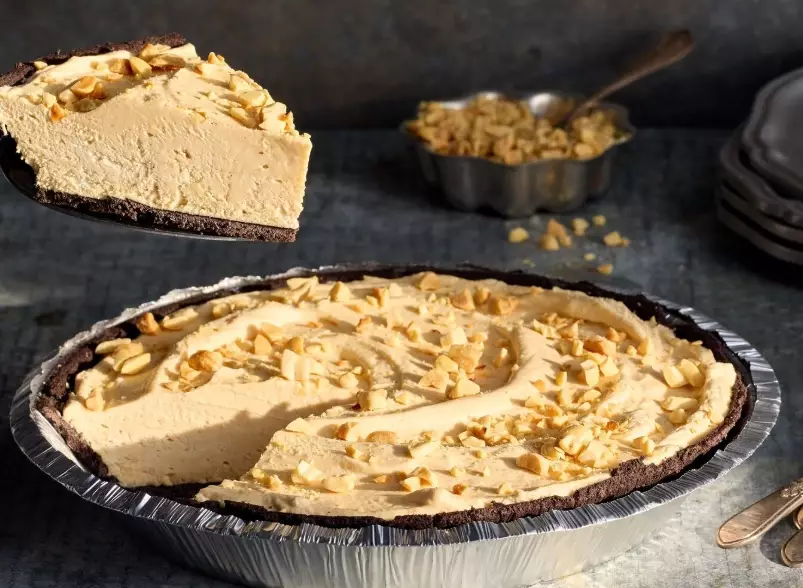
The Foundation: The Crust
You have options! The classic is a chocolate cookie crust (Oreo or graham cracker). A pretzel crust is an amazing sweet-salty twist. You can buy a pre-made one, but making your own is dead simple and tastes infinitely better.
Here’s a quick comparison to help you decide:
| Crust Type | Flavor Profile | Difficulty | Best Paired With | My Personal Rating |
|---|---|---|---|---|
| Chocolate Graham Cracker | Classic, chocolatey, not too sweet | Very Easy | Any filling, especially with chocolate toppings | 9/10 (The reliable workhorse) |
| Oreo Cookie | Richer, sweeter, pronounced chocolate | Very Easy | Creamy fillings; can be overly sweet for some | 8/10 (A crowd-pleaser) |
| Pretzel | Sweet, salty, buttery, incredible contrast | Easy | Very sweet fillings; my personal favorite | 10/10 (The game-changer) |
| Graham Cracker (plain) | Simple, sweet, buttery, versatile | Very Easy | All fillings; lets the peanut butter shine | 7/10 (A safe bet) |
To make any of these, you just crush the main ingredient (cookies, crackers, pretzels) into fine crumbs, mix with melted butter and a touch of sugar (except for Oreos, which are sweet enough), press into your pie plate, and bake at 350°F for 8-10 minutes. Let it cool completely before adding the filling. This baking step is crucial—it toasts the crumbs and sets the butter, creating a sturdy barrier against the wet filling. Do not skip cooling the crust. A warm crust will melt your filling on contact.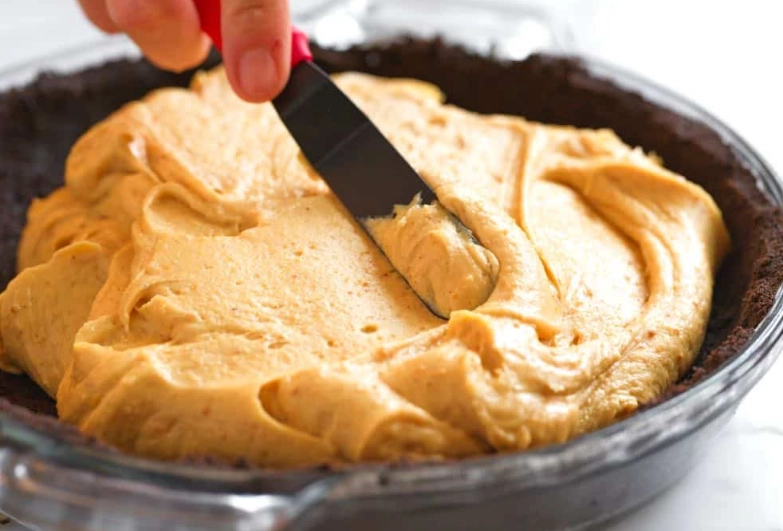
Your Step-by-Step Blueprint: How to Make Peanut Butter Pie That Actually Works
Okay, you've got your ingredients lined up. Let's walk through the process. I'll point out the common tripwires so you can glide right past them.
Step 1: The Crust (If Making From Scratch)
Make your chosen crust, bake it, and get it cooling on a wire rack. This is your first task, so it has maximum time to cool down. Seriously, just walk away from it once it's out of the oven.
Step 2: The Filling – Patience is a Virtue
In a large bowl, beat the room-temperature cream cheese with an electric mixer on medium speed until it's completely smooth and creamy. This takes a good 1-2 minutes. Scrape down the bowl.
Now, add the peanut butter and beat again until fully combined and smooth. Scrape the bowl again. Those scrapes are important—you don't want a lump of un-mixed cream cheese hiding at the bottom.
Gradually beat in the confectioners' sugar, about 1/2 cup at a time. Then add the vanilla extract and that pinch of salt. Beat until fluffy. This is your base. It should be thick but spreadable.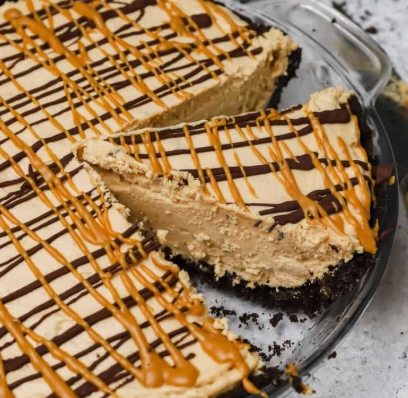
Here comes the most critical part.
If you're using Cool Whip, gently fold it in with a rubber spatula. Do not use the mixer. Folding preserves the air in the Cool Whip, which gives the pie its light texture. Mixing on high will deflate it and make the filling dense. Use a big, sweeping, gentle motion, turning the bowl as you go, until no white streaks remain.
If you're using real whipped cream, make sure it's whipped to stiff peaks in a separate, clean bowl. Then, gently fold it into the peanut butter mixture in two or three additions.
Step 3: Assembly & The Long Chill
Pour the beautiful, fluffy filling into your completely cooled crust. Smooth the top with your spatula.
Now, cover the pie. The best way is to gently lay a piece of plastic wrap directly on the surface of the filling. This prevents a skin from forming and seals in the moisture. Then you can cover the whole pie plate with more wrap or foil.
Chill for at least 6 hours, but overnight is truly ideal. This isn't a suggestion; it's a requirement. The filling needs this time to fully set and firm up so you can get clean slices. This is the ultimate test of patience when you're learning how to make peanut butter pie.
Step 4: The Finishing Touches
Right before serving, add your toppings. More whipped cream is classic. A drizzle of melted chocolate or hot fudge sauce is never wrong. A sprinkle of chopped peanuts or mini chocolate chips adds texture.
Use a sharp, thin-bladed knife to slice. For super clean cuts, dip the knife in hot water and wipe it dry between each slice.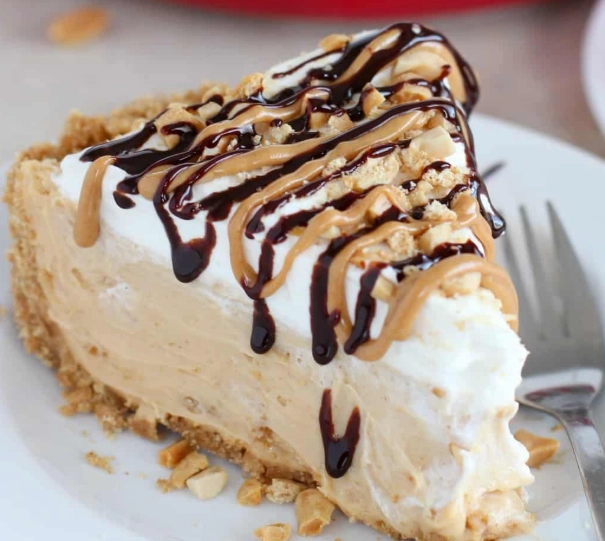
Answering All Your “What Ifs?”: The Peanut Butter Pie FAQ
This is where we solve the problems Google can't always figure out. These are the real questions from my own kitchen and from friends who've tried the recipe.
My filling didn't set! It's a runny mess. What happened?
Oh, I've been here. It's the worst. The three most likely culprits are:
1. Warm crust: As mentioned, this melts the filling on the bottom.
2. Under-whipped cream: If using real cream, it must be at stiff peaks. Soft peaks won't provide enough structure.
3. Not enough chilling time: Four hours is not enough. It needs the full six, minimum. If it's still soupy, stick the whole pie in the freezer for a few hours. It'll be more like a frozen pie, but it'll be salvageable.
Can I make this ahead of time?
Absolutely! It's actually better that way. You can make the whole pie up to 2 days in advance. Keep it covered in the fridge. Add any whipped cream or delicate toppings the day you serve it.
How long does peanut butter pie last in the fridge?
Properly covered, it will keep for 3-4 days. The crust will slowly start to soften after day 2, but it's still delicious. You can also freeze the whole pie (without fresh whipped cream topping) for up to 2 months. Thaw overnight in the fridge.
Can I use a different nut butter?
Yes! The method is the same. Almond butter, cashew butter, or even cookie butter (speculoos) work beautifully. Just be aware that natural nut butters have the same separation risk, so choose a stable, no-stir variety if possible.
Is it safe to leave out? I'm bringing it to a potluck.
This is a crucial food safety point. Because it contains dairy (cream cheese and cream/Cool Whip), it should not sit at room temperature for more than 2 hours total, according to the USDA's food safety guidelines. For a party, keep it in a cooler with ice packs or on ice until it's time to serve, then put any leftovers back on ice promptly.
My pie is too sweet. How can I adjust it?
This is a common complaint with some recipes. You can:
- Reduce the confectioners' sugar by 1/4 cup.
- Use an unsweetened or lightly sweetened peanut butter.
- Opt for an unsweetened whipped cream topping instead of sweetened.
- Choose a salty pretzel crust to balance the sweetness.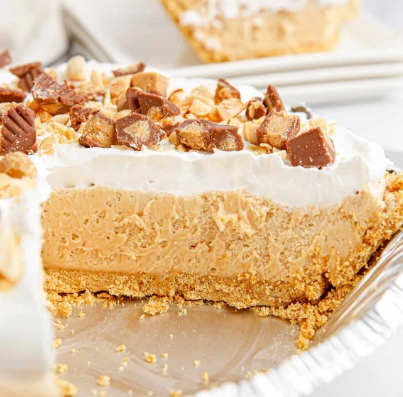
Taking It To The Next Level: Flavor Variations
Once you've mastered the classic, the world is your oyster. Or, your peanut butter pie.
The Chocolate Swirl: Before adding the filling to the crust, drizzle the bottom with 1/4 cup of melted chocolate or hot fudge. Let it set for 10 minutes. Then add half the filling, drizzle with more chocolate, add the rest of the filling, and top with a final swirl.
The Peanut Butter Cup: Chop up a bunch of miniature peanut butter cups and fold half into the filling. Sprinkle the rest on top with the whipped cream.
The Salty Caramel: Drizzle the bottom of the crust with salted caramel sauce. Top the finished pie with more caramel and a sprinkle of flaky sea salt.
The Banana Twist: Slice a banana and layer it on the bottom of the crust before adding the filling. It's like a peanut butter banana cream pie!
Final Thoughts From My Kitchen To Yours
Learning how to make peanut butter pie is more than just memorizing a list. It's about understanding how a few simple ingredients interact. It's about respecting the process—the room temperature ingredients, the gentle folding, the agonizing but necessary chill time.
Don't be afraid to make it your own. Prefer a thicker crust? Use more crumbs and butter. Love chocolate? Go wild with the toppings. The recipe is a blueprint, but you're the builder.
The best part? Even the "mistakes" are usually still pretty delicious. A slightly soft pie just means you eat it with a spoon. A too-sweet pie is perfect with a cup of black coffee. It's a forgiving, joyful dessert.
So grab your bowl, get that cream cheese softening, and give it a go. When you pull that perfectly set, creamy slice out of the fridge, you'll know every minute was worth it. Happy baking! Or, more accurately, happy no-baking.
If you're looking for more foundational baking science to improve all your desserts, the resources at King Arthur Baking's Learn Guides are absolutely fantastic and dive deep into the principles behind the recipes.
Reader Comments