Quick Guide
- The Heart of the Matter: What Makes a Great Peanut Butter Cookie?
- The Double Peanut Butter Advantage: Flavor and Function
- Crafting Your Ultimate Double Peanut Butter Cookies: A Step-by-Step Guide
- Troubleshooting Common Peanut Butter Cookie Problems
- Beyond the Basic Recipe: Variations to Explore
- Frequently Asked Questions (FAQs)
Let's talk about peanut butter cookies. You know the ones. They show up at every potluck, every school bake sale. Sometimes they're good—chewy in the middle, crisp on the edges, with that unmistakable roasted peanut aroma. But let's be honest, more often than not, they're just... fine. A bit dry, a bit too sweet, and the peanut butter flavor? It's more of a polite suggestion than a declaration.
I used to think that was just how peanut butter cookies were. A pleasant, forgettable treat. Then I had a cookie that changed my mind. It was dense, almost fudgy, and the flavor hit you like a wave—deep, salty-sweet, and intensely nutty. The baker shrugged and said the secret was simple: "I just use a lot of peanut butter. In the dough, and then a little more swirled in before baking." That was it. The quest for the ultimate peanut butter cookies with peanut butter as the undisputed star began.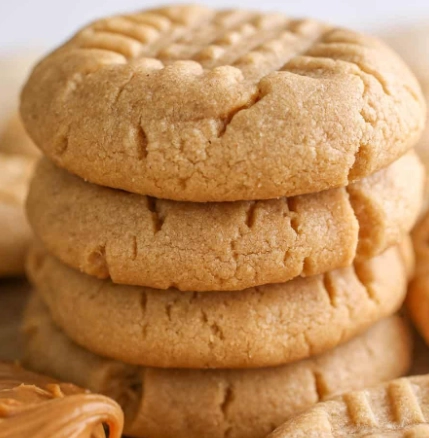
The Heart of the Matter: What Makes a Great Peanut Butter Cookie?
Before we dump a whole jar into the mixing bowl, let's figure out what we're aiming for. A great peanut butter cookie, in my book, has to nail three things:
- Texture: The perfect intersection of chewy and tender. It should have a slight give when you bite into it, not crumble into sand or bend like rubber.
- Flavor Balance: Yes, peanut butter is the hero, but it needs a supporting cast. The sugar should enhance, not overpower. A touch of salt is non-negotiable—it makes the peanut flavor pop.
- Structural Integrity: It should hold together when you pick it up, but not be tough. That classic fork-cross pattern on top isn't just for looks; it helps the cookie bake evenly.
Most recipes fail on the first point. They're either cakey or brittle. The culprit is usually the flour-to-fat ratio. Too much flour, you get a dry, crumbly brick. Too little, and you have a puddle. The fat in peanut butter is key here, but it behaves differently than butter.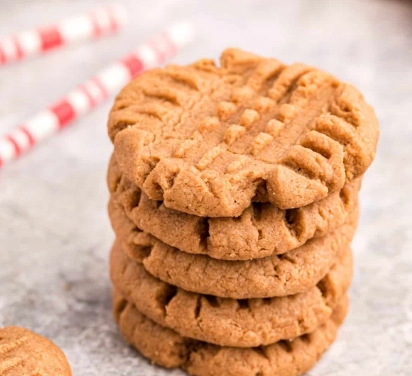
Why Double Up on the Peanut Butter?
Here's where the magic of the double peanut butter cookie concept comes in. Using a significant amount of peanut butter in the dough base gives you that foundational flavor and influences the texture (more on that science in a bit). But adding an extra element—like a peanut butter swirl, a stuffed center, or a peanut butter chip—creates pockets of concentrated flavor.
Think of it like a peanut butter sandwich. The bread is good, but the real joy is in the thick layer in the middle. In a cookie, that "middle layer" experience happens in every bite when you engineer it right. You're not just making a cookie that contains peanut butter; you're making a cookie that is an experience of peanut butter.
I've seen recipes that call for a mere half cup of peanut butter for a whole batch. Honestly, what's the point? You might as well make sugar cookies. For a truly memorable peanut butter cookie with peanut butter as the lead, you need to be generous.
The Double Peanut Butter Advantage: Flavor and Function
Peanut butter isn't just a flavoring; it's a major structural component. According to the USDA FoodData Central, peanut butter is about 50% fat and 25% protein. That protein, along with its natural oils, does fascinating things in baking.
Compared to butter, which is about 80% fat and 20% water, peanut butter brings less moisture and more protein to the party. This protein helps with binding and structure, which is why many flourless peanut butter cookie recipes exist—the peanut butter and eggs do all the work. When you add flour, you're modifying that structure, aiming for a more cake-like or chewy crumb instead of a dense, fudgy one.
So, by increasing the peanut butter, you're not just adding flavor. You're altering the dough's hydration, fat content, and protein structure. This is why a double peanut butter cookie recipe often feels richer and has a more substantial, melt-in-your-mouth quality compared to its scantily-clad cousins.
Let me tell you about a batch I messed up. I was overconfident and used a natural, oily peanut butter without reducing the butter in the recipe. The cookies spread into tragic, greasy lace doilies on the pan. They tasted amazing, mind you, but they were impossible to pick up. A delicious failure, but a failure nonetheless. Balance is everything.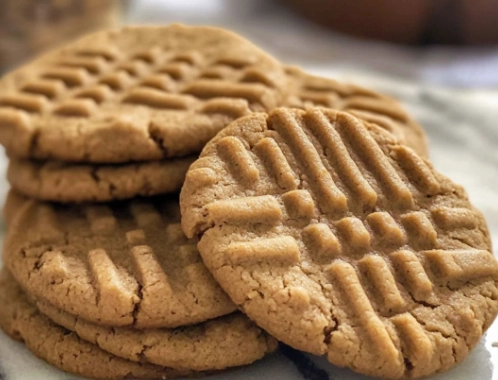
Crafting Your Ultimate Double Peanut Butter Cookies: A Step-by-Step Guide
Alright, enough theory. Let's bake. This is my go-to framework, developed after more burnt batches and flat failures than I care to admit. It's a hybrid approach—enough butter for flavor and a classic texture, but with enough peanut butter to make its presence known in every single bite.
The Core Ingredients & Why They're There
Here’s a breakdown of what goes in and its role. Understanding the "why" makes you a better baker, able to troubleshoot on the fly.
| Ingredient | Role in the Cookie | Notes for Success |
|---|---|---|
| Creamy Peanut Butter (1 to 1.5 cups) | Primary flavor, fat source, and protein for structure. The star of the show. | Use room temperature, well-stirred. I prefer salted for an extra flavor layer. |
| Unsalted Butter (1/2 cup) | Adds richness, aids in creaming for air, and contributes to spread. | Must be softened. It creams with the sugars to create a light texture. |
| Brown Sugar & White Sugar | Brown sugar adds moisture and molasses flavor for chew. White sugar promotes crispness and spread. | A 2:1 ratio of brown to white is my sweet spot for the perfect texture. |
| Egg + Egg Yolk | The egg binds everything. The extra yolk adds fat and richness for a more tender crumb. | Room temperature eggs incorporate much more smoothly into the creamed butter. |
| All-Purpose Flour | Provides the main structure and gluten network so the cookies hold shape. | Measure by weight (grams) for accuracy, or fluff-spoon-level if using cups. |
| Baking Soda & Baking Powder | Baking soda helps with browning and spread. A pinch of powder gives a slight lift. | Make sure they're fresh! Test baking soda with vinegar if unsure. |
| Salt (esp. Flaky Sea Salt) | Enhances all flavors, cuts sweetness, and makes the peanut butter taste more... itself. | Don't skip salt in the dough. Flaky salt on top after baking is a game-changer. |
| Peanut Butter Chips or Chopped Peanuts | The "double" element. Pockets of intense, unmelted peanut flavor and textural contrast. | Optional but highly recommended. Reese's chips work, or just more chopped nuts. |
The Method: It's All in the Mix
- Creaming is Key: Beat the softened butter, peanut butter, brown sugar, and white sugar together for a good 3-4 minutes until it's noticeably lighter in color and fluffy. This incorporates air, which is your main leavening agent. Don't rush this.
- Eggs, One at a Time: Add the whole egg and beat until fully absorbed. Then add the extra yolk. Scrape the bowl down. The mixture might look a bit curdled—that's okay, the flour will fix it.
- Dry Team Unite: Whisk the flour, baking soda, baking powder, and salt together in a separate bowl. This ensures even distribution so you don't get a bitter bite of pure baking soda.
- Combine Gently: Add the dry ingredients to the wet in two or three additions, mixing on low speed just until the flour disappears. Overmixing at this stage develops gluten and leads to tough cookies.
- The Double Down: This is the crucial step. Fold in your peanut butter chips or chopped peanuts by hand. Now, here's my personal twist: I also take about 1/4 cup of extra peanut butter and gently swirl it into the dough. Don't fully mix it; you want ribbons and pockets.
- Chill. Seriously, Chill. Cover the dough and refrigerate for at least 2 hours, preferably overnight. This hydrates the flour, firms up the fats, and concentrates the flavors. Skipping this leads to excessive spread. The wait is worth it.
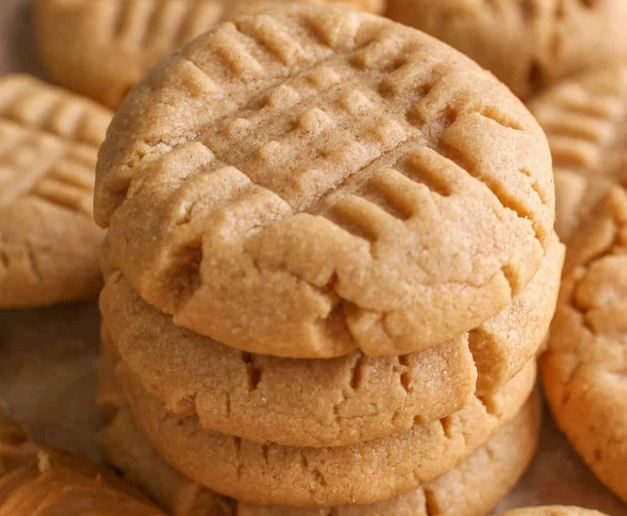
When baking, use a scoop for even sizing and give them plenty of space on a parchment-lined sheet. A gentle press with a fork in a crosshatch pattern is traditional and functional. Bake until the edges are just set and golden but the centers still look soft—they'll firm up as they cool on the sheet.
Troubleshooting Common Peanut Butter Cookie Problems
Even with a great recipe, things can go sideways. Here's a quick diagnostic guide based on my many, many mishaps.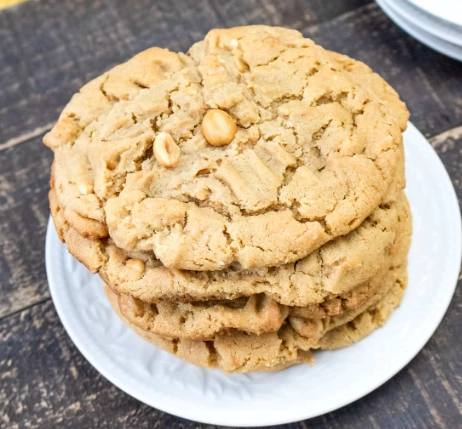
Problem: Cookies spread too much into flat pancakes.
Likely Causes: Dough too warm when baked (didn't chill), too much sugar or butter, baking sheet too hot, or inaccurate oven temperature (get an oven thermometer!).
The Fix: Chill your dough thoroughly. Ensure your measurements are accurate, especially for flour (use a scale). Let your baking sheets cool completely between batches.
Problem: Cookies are dry, crumbly, and cakey.
Likely Causes: Too much flour, overmixing the dough after adding flour, or overbaking.
The Fix: Measure flour carefully. Mix dry ingredients only until just combined. Set a timer and check early—they continue to cook on the hot sheet out of the oven.
Problem: Peanut butter flavor is weak.
Likely Causes: Not using enough peanut butter, using a bland brand, or not using salt.
The Fix: You're reading the right article! Up your peanut butter quantity. Try a different brand—some are roasted more deeply. And salt, salt, salt. A sprinkle of flaky sea salt on top after baking elevates everything.
Beyond the Basic Recipe: Variations to Explore
Once you've mastered the classic double peanut butter cookie, the world is your oyster. Or, more aptly, your peanut shell.
- The Peanut Butter Cup Thumbprint: Make an indent in the dough ball before baking. After baking, while still warm, press a mini peanut butter cup into the center. It will melt into a perfect pool.
- Salted Caramel Swirl: Instead of swirling in extra peanut butter, swirl in a thick salted caramel sauce. The sweet-salty-nutty combo is unreal.
- Triple Threat Chocolate: Fold in dark chocolate chunks and a tablespoon of cocoa powder into the dough. Now you have a chocolate-peanut butter situation, which is never a bad thing.
- Gluten-Free Double PB: Since peanut butter provides so much structure, these are perfect for GF adaptations. Replace the all-purpose flour with a 1:1 gluten-free blend. The texture might be a bit more delicate, but the flavor is all there.
I'm partial to adding a bit of espresso powder to my dough—just a teaspoon. You don't taste coffee, but it deepens the roasted notes of the peanuts in a magical way. It's a trick I picked up from reading about flavor pairing science on sites like Serious Eats.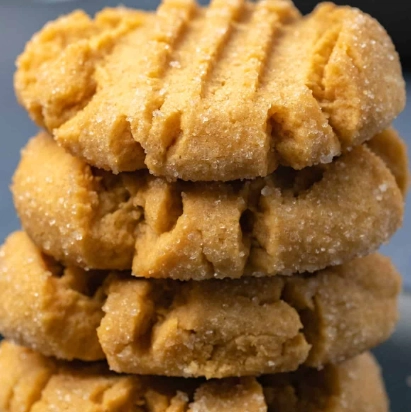
Frequently Asked Questions (FAQs)
Let's tackle the questions that pop up every time I share this recipe.
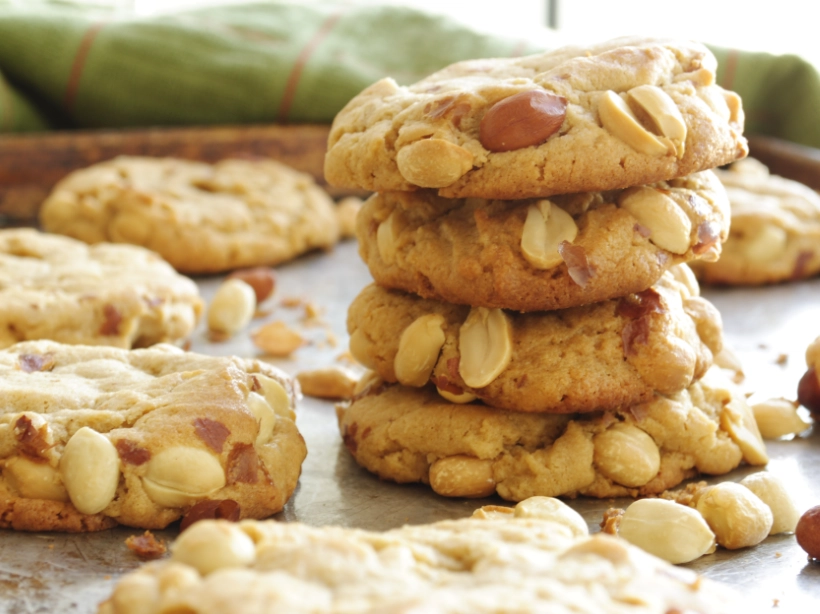
Baking is part science, part art, and all heart. A double peanut butter cookie is a testament to that. It takes a humble, often-underwhelming classic and transforms it into something worthy of its main ingredient. It’s a cookie that doesn’t just whisper about peanuts; it sings a full-bodied, roasted chorus. So grab your favorite jar, give that dough a proper chill, and get ready for the best peanut butter cookies with peanut butter you’ve ever made. Don't be surprised if they become the only recipe you'll ever need.
Now, if you'll excuse me, I have some dough in the fridge that's been chilling overnight. It's time to bake.
Reader Comments