Your Baking Companion
- Where Did This Love Affair Begin?
- The Heart of the Matter: Deconstructing the Perfect Cookie
- The No-Fail, Classic Peanut Butter Cookie Recipe
- Answering Your Burning Peanut Butter Cookie Questions
- Leveling Up: Incredible Peanut Butter Cookie Variations
- The Science & Nutrition Angle (Because Some of Us Are Curious)
- Final Thoughts From My Kitchen to Yours
Let's be honest, the first thing that pops into your head when someone says "peanut butter cookies" is probably that classic look—the golden-brown disc with the fork marks pressed on top. It's iconic. It's comforting. It tastes like childhood. But there's a whole world beyond that simple pattern, and honestly, the journey to getting that perfect, melt-in-your-mouth, slightly chewy, intensely peanut buttery cookie can be full of surprises (and sometimes, flat disappointments). I've had my share of both.
I remember one batch I made for a party that spread into one giant, thin, lace-like sheet on the pan. Not exactly the sturdy dunkers I was going for. Another time, they came out as dry as sawdust. But that's the thing about baking—it's a science with a heart. When you nail it, there's nothing better. This guide is here to help you nail it, every single time. We're going deep on everything peanut butter cookies. No fluff, just the good stuff.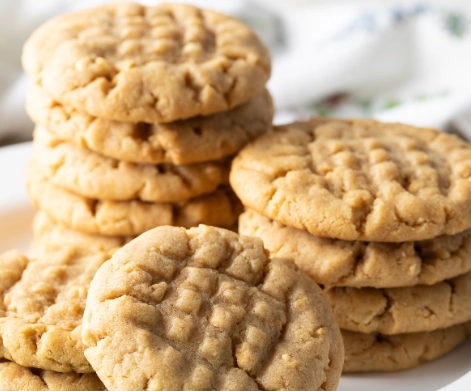
Where Did This Love Affair Begin?
The story of peanut butter cookies is, unsurprisingly, tied to the story of peanut butter itself. Peanuts became a major crop in the American South after the Civil War, but peanut butter as we know it—a creamy, spreadable product—started gaining traction as a protein-rich health food in the early 1900s. It was only a matter of time before someone thought to cream it with sugar and throw it in an oven.
The first known published recipe for peanut butter cookies appeared in a 1916 Boston Cooking-School Magazine article. But the real game-changer, the moment that defined the look, came in the 1930s. A recipe in the 1936 Pillsbury's Balanced Recipes cookbook instructed bakers to roll the dough into balls and then flatten them with a fork. This wasn't just for looks (though it is charming). The dough for peanut butter cookies is often quite dense and sticky. The fork press ensures even baking and creates those lovely edges that get a bit crisp. It's a functional signature that became an icon. The National Peanut Board has some fascinating historical tidbits on how peanuts and peanut butter wove themselves into American food culture.
So, that crisscross? It's not just decoration. It's a piece of baking history and a practical solution. Kind of cool when you think about it.
The Heart of the Matter: Deconstructing the Perfect Cookie
What makes a great peanut butter cookie? Is it the chew? The crunch? The intense peanut flavor? For me, it's balance. A good cookie should have a slightly crisp edge, a soft and chewy center, and a flavor that screams roasted peanuts, not just sugar. Let's break down what goes into the mixing bowl.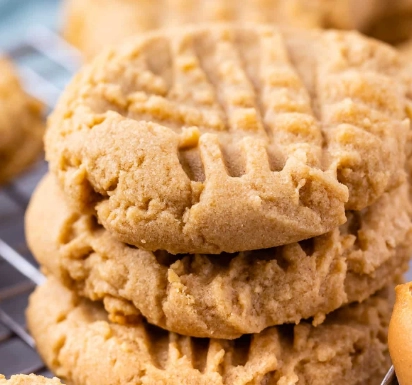
The Core Ingredients and Their Roles
Every ingredient has a job. Mess with one, and the texture can go sideways.
- Peanut Butter: Obviously, the MVP. This is where your flavor comes from. The type you use (creamy vs. crunchy, natural vs. stabilized) makes a massive difference, which we'll get into in a minute.
- Butter or Shortening: Butter adds fantastic flavor and, because of its water content, helps with spread and chew. Some old-school recipes use shortening, which creates a puffier, more cake-like cookie that spreads less. I'm team butter for flavor, but it does mean you have to chill the dough more religiously.
- Sugars: Usually a mix of white and brown sugar. White sugar promotes spread and crispness. Brown sugar (with its molasses) adds moisture, chew, and a deeper, almost caramel-like flavor that pairs beautifully with peanuts.
- Eggs: The binder. They provide structure and richness. Using just an egg yolk can make a cookie even more tender and rich.
- Flour: The backbone. All-purpose is standard. Too much, and your cookie is dry and cakey. Too little, and it's a greasy puddle.
- Leaveners: Baking soda is the classic for peanut butter cookies. It helps them spread and brown. Some recipes use a touch of baking powder for a bit more lift.
See? It's a team sport. Now, let's talk about the biggest variable: the peanut butter itself.
The Great Peanut Butter Debate: Natural vs. Processed
This is the single most important decision you'll make, and it trips up more bakers than anything else. Walk down the grocery aisle, and you have two main camps.
Processed peanut butter (like Jif or Skippy) has added oils (often hydrogenated), sugar, and salt. It's emulsified, so the oil doesn't separate. It's consistent, smooth, and sweet. In baking, this consistency is a plus—the dough behaves predictably.
Natural peanut butter is just peanuts, and sometimes salt. The oil separates and sits on top. You have to stir it like crazy. I love it on toast, but in baking? It's a wild card. The different oil composition and lack of stabilizers can lead to oilier dough, more spreading, and sometimes a grainier texture. The flavor, however, is often more intensely peanutty.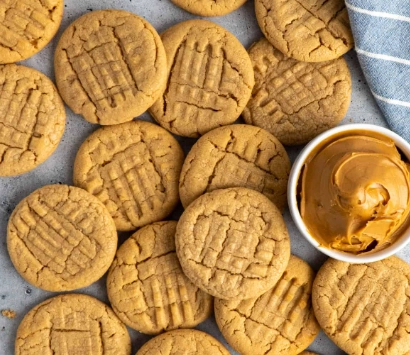
So, which one for cookies peanut butter perfection?
| Type of Peanut Butter | Best For... | Watch Out For... | My Personal Preference |
|---|---|---|---|
| Processed (e.g., Jif, Skippy) | Predictable results, classic sweet flavor, easy-to-handle dough, less spreading. | Can be very sweet; flavor might be less complex. | My go-to for a guaranteed crowd-pleaser. It just works. |
| Natural (Stirred well) | Deep, roasted peanut flavor, less added sugar. | Dough can be oily and sticky; cookies may spread excessively; texture can vary. | When I want a more "grown-up," nut-forward cookie. Requires extra chilling. |
| Crunchy vs. Creamy | Crunchy adds texture and little peanut bits. Creamy gives a smooth, uniform bite. | Crunchy can make dough a bit harder to roll if making balls. | I almost always use creamy for the dough base, then mix in chopped peanuts for controlled crunch. |
The bottom line? If you're new to baking peanut butter cookies, start with a major brand of creamy, processed peanut butter. It's forgiving. Once you master that, experiment with natural ones. And always, always chill your dough if using natural peanut butter—I can't stress that enough.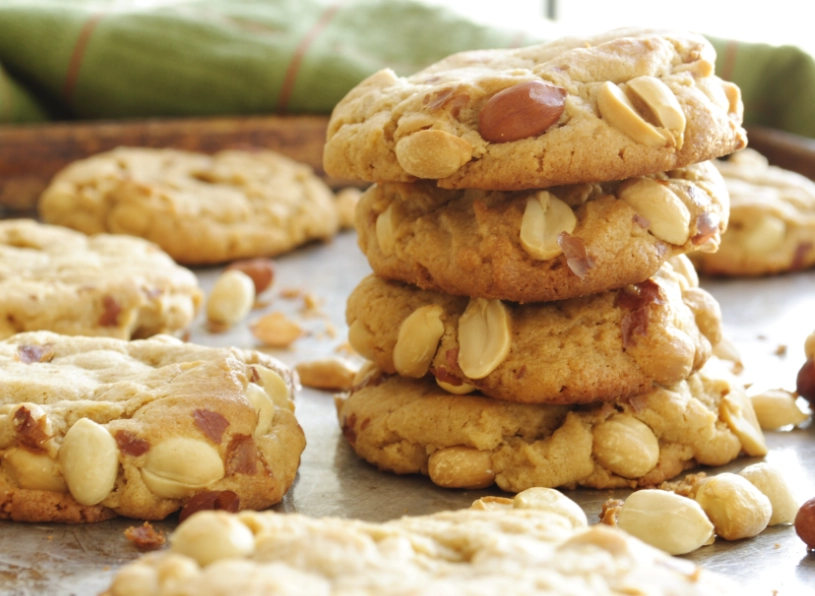
The No-Fail, Classic Peanut Butter Cookie Recipe
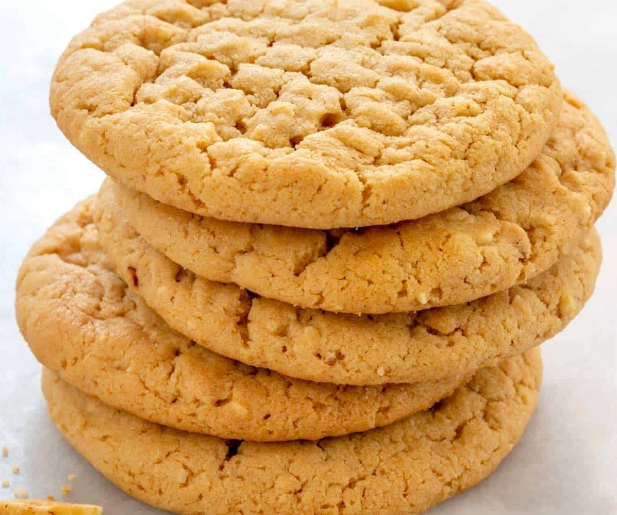
Alright, enough theory. Let's bake. This is my tried-and-true, back-of-the-bag style recipe, but with the tweaks I've learned through trial and error. It's chewy, rich, and everything you want a classic peanut butter cookie to be.
Ingredients
- 1 cup (2 sticks / 225g) unsalted butter, at cool room temperature
- 1 cup (250g) creamy processed peanut butter (like Jif or Skippy)
- 1 cup (200g) packed light brown sugar
- 3/4 cup (150g) granulated white sugar
- 2 large eggs, at room temperature
- 2 teaspoons pure vanilla extract
- 2 1/2 cups (315g) all-purpose flour (spooned and leveled)
- 1 teaspoon baking soda
- 1/2 teaspoon baking powder
- 1/2 teaspoon fine sea salt (omit if your peanut butter is very salty)
Instructions
- Prep: Preheat your oven to 350°F (175°C). Line baking sheets with parchment paper. Don't grease the pan—the cookies have enough fat and will spread into a greasy mess.
- Cream the Fats & Sugars: In a large bowl, beat the softened butter and peanut butter together until smooth and combined. Add both sugars and beat on medium-high speed for 2-3 minutes until the mixture is light and fluffy. This step is crucial for texture. You're incorporating air.
- Add Wet Ingredients: Beat in the eggs, one at a time, making sure each is fully incorporated before adding the next. Scrape down the bowl. Beat in the vanilla.
- Combine Dry Ingredients: In a separate bowl, whisk together the flour, baking soda, baking powder, and salt. This ensures the leaveners are evenly distributed.
- Bring It Together: With the mixer on low speed, gradually add the dry ingredients to the wet ingredients. Mix just until no dry flour remains. The dough will be thick and slightly sticky.
- Chill (The Secret Step): Cover the bowl and refrigerate the dough for at least 1 hour, or up to 3 days. This firms up the fat, prevents catastrophic spreading, and allows the flour to hydrate, leading to a better texture. If you skip this, you risk flat cookies.
- Shape & Press: Scoop the dough into balls, about 1.5 tablespoons each (a medium cookie scoop is perfect). Roll them between your palms to smooth them. Place them on the prepared sheets, about 2 inches apart. Dip a fork in a little sugar or flour and press down on each ball to flatten slightly, creating the classic crisscross pattern. Press again at a 90-degree angle.
- Bake: Bake for 10-12 minutes. The cookies will look puffy and soft, and the edges will be just set and very lightly browned. They will NOT look done in the center. That's the key! They set as they cool.
- Cool: Let the cookies cool on the baking sheet for 5 minutes. They are fragile right out of the oven. Then, transfer them to a wire rack to cool completely. This stops the cooking and helps them firm up to the perfect chewy consistency.
And there you have it. The blueprint.
Answering Your Burning Peanut Butter Cookie Questions
I get questions all the time. Here are the ones that pop up most, based on my own kitchen disasters and triumphs.
See? Most problems have a fix. Baking is just edible problem-solving.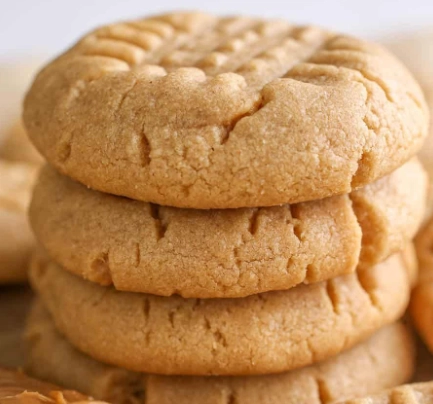
Leveling Up: Incredible Peanut Butter Cookie Variations
The classic is perfect, but sometimes you want to play. Here are some of my favorite ways to dress up a basic peanut butter cookie dough. Think of these as add-ins or mix-ins to the recipe above (reduce flour by 2 tbsp if adding a lot of dry add-ins).
- The Chocolate Lover's Dream: Fold in 1.5 cups of chocolate chips (semi-sweet or dark). Or, after baking, press a chocolate kiss into the center of each warm cookie. The classic PB&Chocolate combo never fails.
- Salted Peanut & Pretzel Crunch: Fold in 3/4 cup chopped roasted salted peanuts and 1/2 cup crushed pretzel pieces. The sweet-salty-crunchy thing is addictive.
- Peanut Butter Blossoms: Roll the dough balls in granulated sugar before baking. Immediately after taking them out of the oven, press a Hershey's Kiss into the center. Let cool completely—the chocolate will set.
- Flourless Peanut Butter Cookies: A different beast entirely! Just 1 cup peanut butter, 1 cup sugar, and 1 egg. Mix, roll into balls, press with a fork, and bake at 350°F for 10-12 minutes. They are gluten-free, intensely peanutty, and have a unique crumbly-yet-chewy texture. They spread a lot, so give them space.
- Stuffed Peanut Butter Cookies: Take two smaller dough balls, flatten them slightly, place a chunk of a Snickers bar or a dollop of Nutella in the center of one, and top with the other, sealing the edges. Bake as usual. A gooey, amazing surprise inside.
My personal favorite variation? Adding a big pinch of flaky sea salt on top of each cookie right when they come out of the oven. It amplifies the peanut flavor in an incredible way.
The Science & Nutrition Angle (Because Some of Us Are Curious)
Okay, let's put on our nerdy hats for a second. Peanuts are legumes, and peanut butter is a decent source of plant-based protein and healthy fats. According to the USDA FoodData Central, a two-tablespoon serving of peanut butter provides about 7-8 grams of protein and is rich in monounsaturated fats (the heart-healthy kind found in olive oil), along with vitamins like Niacin and Magnesium.
Now, a cookie is still a cookie—a treat with sugar and flour. But compared to many other desserts, a peanut butter cookie can offer more sustained energy from its fat and protein content, rather than just a sugar rush. It's why they feel so satisfying. I'm not calling them a health food, but understanding what's in your food makes you a better cook. The protein in the peanut butter also contributes to the cookie's structure and chew.
Thinking about allergies? It's a serious topic. For a nut-free alternative, sunflower seed butter (like SunButter) can be used in a 1:1 substitution in many recipes. The cookies turn greenish as they cool due to a chemical reaction with the baking soda, but they taste great! Always label clearly if baking for others.
Final Thoughts From My Kitchen to Yours
Baking the perfect batch of peanut butter cookies isn't about finding one magical recipe. It's about understanding how the ingredients work together. It's about knowing that chilling the dough isn't a suggestion, it's a commandment. It's about accepting that your first batch might not be perfect, and that's okay.
The best resource, beyond any single blog (even this one!), is practice and reliable sources. When you want to dive deeper into the why, sites like Serious Eats have fantastic, scientifically-tested articles on cookie baking that have saved me more than once.
So, go grab your jar of peanut butter. Cream that butter and sugar until it's fluffy. Chill that dough. And make those fork marks with pride. You're not just making cookies; you're participating in a delicious, crisscrossed tradition. Now, if you'll excuse me, I think I need to go bake a batch. My last one mysteriously disappeared.
Happy baking!
Reader Comments