Quick Navigation
- Your Go-To Classic Peanut Butter Cookies Recipe
- Peanut Butter Science: Choosing Your Weapon
- Leveling Up: The Floured Peanut Butter Cookies Recipe
- Why Did My Cookies Turn Out...? (The Troubleshooting Bible)
- Beyond the Classic: Flavor Adventures
- Storing & Freezing: Make-Ahead Magic
- Your Peanut Butter Cookie Questions, Answered
- Final Thoughts from My Kitchen
Let's be honest. We've all been there. You get a craving for something sweet, nutty, and satisfyingly chewy, and your mind goes straight to peanut butter cookies. But then you start searching for a recipe and get overwhelmed. Do you need to chill the dough? Why do some recipes use shortening and others butter? Can you really make them with just three ingredients?
I've baked more batches of peanut butter cookies than I can count. Some turned out disappointingly dry and crumbly. Others spread into one giant, thin mess on the baking sheet. It took a lot of trial and error (and a few sad, flat cookies) to figure out what truly makes a perfect peanut butter cookie recipe.
This guide is everything I wish I had known. We're going deep, beyond just a list of ingredients. We'll talk about the why behind each step, troubleshoot common problems before they happen, and explore variations so you can make this recipe your own. Whether you're a baking newbie or a seasoned pro looking for that flawless, bakery-style result, you're in the right place.
And yes, we'll start with a classic, no-fail, absolutely delicious peanut butter cookies recipe that requires zero chilling time. Because who has time for that when a cookie craving hits?
Your Go-To Classic Peanut Butter Cookies Recipe
This is my workhorse recipe. It's reliable, it's straightforward, and it produces cookies that are soft in the center with slightly crisp edges and that iconic fork-marked look. The flavor is deeply peanut buttery without being overly sweet. I find many online recipes are too sugary, masking the peanut flavor.
The Dough (Makes about 24 cookies)
- 1 cup (250g) creamy peanut butter – Not the natural, oily kind just yet. We'll get to that later. Use a standard commercial brand like Jif or Skippy for this version.
- 1 cup (200g) light brown sugar, packed – Dark brown sugar works too for a deeper molasses flavor. White sugar makes a crisper, less chewy cookie.
- 1 large egg, at room temperature.
- 1 teaspoon baking soda
- 1 teaspoon pure vanilla extract
- A pinch of fine sea salt (omit if your peanut butter is already heavily salted).
See? No flour, no butter. This is the core of a famous 3-ingredient peanut butter cookie recipe (just PB, sugar, egg). The baking soda and vanilla are my non-negotiable upgrades for better texture and flavor.
Step-by-Step Baking Instructions
Preheat your oven. This is crucial. 350°F (175°C). Line your baking sheets with parchment paper. Silicone mats are fine too, but I get slightly better browning with parchment.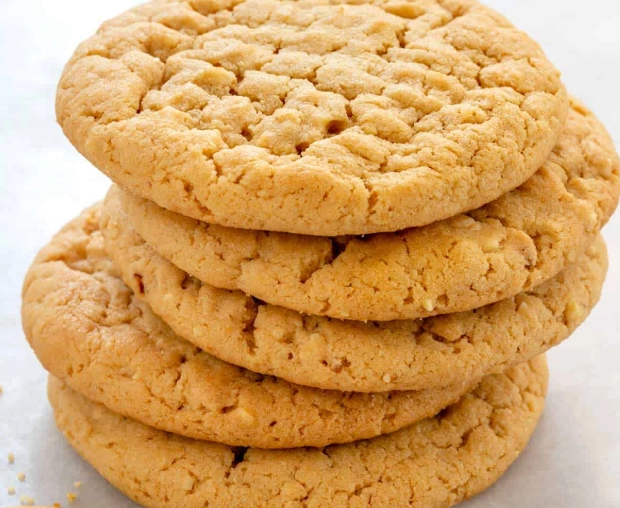
In a large bowl, combine the peanut butter and brown sugar. Mix it with a sturdy spoon or a hand mixer on low until it's fully blended. It will look crumbly at first, then come together into a thick paste.
Beat in the egg. Then mix in the baking soda, vanilla, and salt until just combined. Don't overmix here. The dough will be soft and slightly sticky, but it should hold together when you roll it.
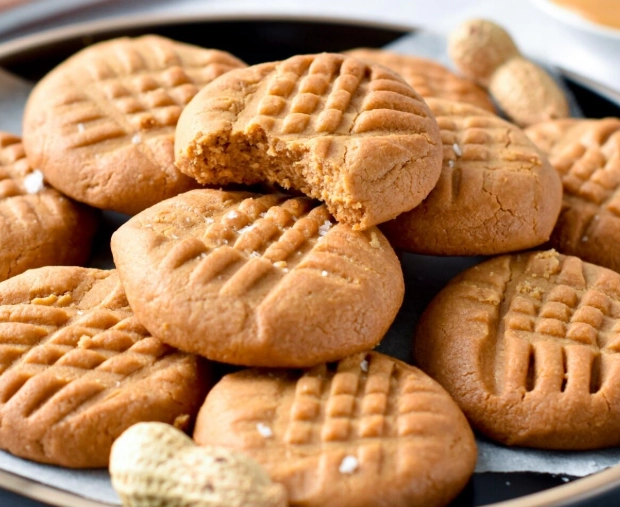
Now, for the iconic look: roll dough into 1-inch balls (about 1 tablespoon each). Place them about 2 inches apart on your prepared sheet. Grab a fork, dip the tines in a little extra sugar (white or brown) to prevent sticking, and press down on each ball to flatten slightly. Press again perpendicular to the first press to create that classic criss-cross pattern.
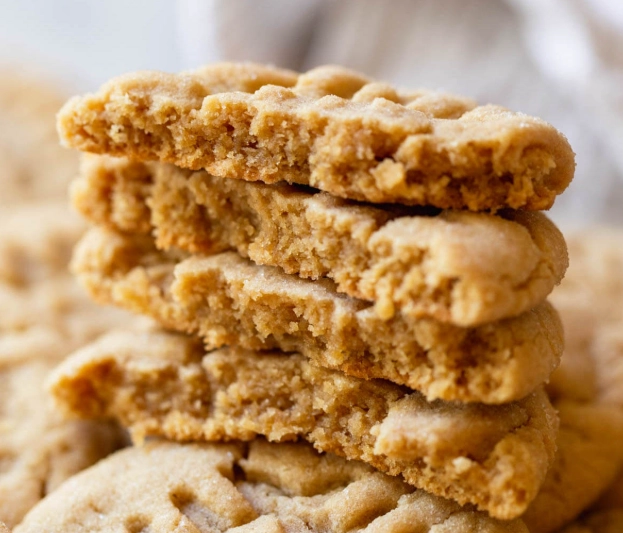
Bake for 8 to 10 minutes. Here's the tricky part. They won't look "done." The edges will be just barely set, and the centers will look puffy and soft. This is when you take them out. If you wait for them to turn golden brown all over, they'll be overbaked and dry once cooled.
Let the cookies cool on the baking sheet for 5 full minutes. They will finish setting during this time. Then, transfer them to a wire rack to cool completely. I know it's hard, but try to let them set. A warm peanut butter cookie is a glorious thing, but a cool one has the perfect chewy texture.
Seriously, this easy peanut butter cookie recipe is almost foolproof. But what if you want to tweak it? Or what if something goes wrong? Let's dig deeper.
Peanut Butter Science: Choosing Your Weapon
The peanut butter you choose is the single most important decision in this entire peanut butter cookies recipe. It dictates texture, spread, and flavor intensity.
| Type of Peanut Butter | Best For... | Watch Out For... | My Personal Take |
|---|---|---|---|
| Commercial Creamy (Jif, Skippy, etc.) | The standard, reliable choice. Predictable results, chewy texture, classic flavor. | Can be very sweet. Check salt content. | My go-to for consistent results. It just works. |
| "Natural" Creamy (Stirred, no added sugar/hydrogenated oils) | A more intense, pure peanut flavor. Often preferred for health-conscious bakers. | The oil separation can cause cookies to spread excessively and become greasy. Dough can be looser. | I've had mixed results. Sometimes great, sometimes a puddle. Requires recipe adjustments (see below). |
| Crunchy Peanut Butter | Adding delightful texture and peanut bits. Great for those who love crunch. | Cookies may not hold together quite as firmly as with creamy. | I love mixing half creamy, half crunchy for the best of both worlds. |
| Powdered Peanut Butter (PB2, etc.) | Drastically reducing fat and calories. Not a 1:1 substitute. | You cannot substitute it directly in this recipe. It requires reconstituting and major recipe adjustments. | I avoid it for classic cookies. The texture and flavor are fundamentally different. |
Leveling Up: The Floured Peanut Butter Cookies Recipe
Want a slightly cakier, more substantial cookie that holds a perfect round shape? Add flour. This is the peanut butter cookies recipe I use when I'm bringing them to a party or giving them as gifts. They're sturdier and have a more traditional cookie texture.
To adapt our classic recipe: Reduce the peanut butter to 3/4 cup. Add 1/2 cup (1 stick / 113g) of unsalted butter, softened, and cream it with the brown sugar first until light and fluffy. Then add the peanut butter, then the egg and vanilla. Finally, whisk together 1 1/4 cups (160g) of all-purpose flour with the baking soda and salt, and mix it into the wet ingredients until just combined.
Chilling this dough for 30-60 minutes is recommended to prevent too much spread, but honestly, if you're impatient, you can bake them right away—they'll just spread a bit more.
Flour Options & Dietary Swaps
What if you're gluten-free? Or out of all-purpose? The choice of flour matters.
- All-Purpose Flour: The standard. Provides structure.
- Bread Flour: Has more protein. Can make a chewier, denser cookie. I don't prefer it for this.
- Gluten-Free 1:1 Baking Flour (like King Arthur or Bob's Red Mill): An excellent, seamless swap. Your cookies will be slightly more crumbly but still delicious. This is a fantastic way to make a gluten free peanut butter cookies recipe.
- Oat Flour: You can make your own by grinding rolled oats. It adds a nice, nutty flavor and makes for a very tender, delicate cookie. Use it in the floured recipe above, but note the texture will be different.
Why Did My Cookies Turn Out...? (The Troubleshooting Bible)
Baking is science. Let's diagnose common problems.
Too Flat and Spread Out: This is the #1 issue. Causes: Dough was too warm (butter or PB too soft). Baking sheet was still warm from a previous batch. Too much sugar or not enough flour (if using). Oven temperature too low. Using natural peanut butter without adjustment. Solution: Chill your dough. Use parchment. Ensure your oven is properly preheated. An oven thermometer is a baker's best friend, as many home ovens run hot or cold. The USDA's Food Safety website emphasizes the importance of accurate oven temperatures for both safety and quality, though for baking, precision is key for texture.
Too Dry and Crumbly: Overbaking is the likely culprit. Remember, they continue to cook on the hot tray. Also, too much flour (if you measured by scooping the cup directly from the bag, you likely packed in extra flour). Always spoon flour into your measuring cup and level it off. Or better yet, use a kitchen scale.
Too Hard: Again, overbaking. Or using all white sugar instead of brown. Brown sugar contains molasses, which retains moisture.
Not Chewy in the Middle: You probably baked them too long. Take them out when they look underdone. Also, ensure you're using fresh baking soda. Old baking soda loses its leavening power.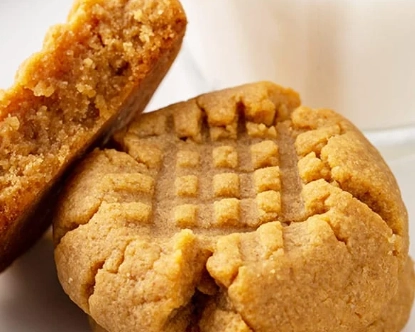
Beyond the Classic: Flavor Adventures
Once you've mastered the basic peanut butter cookies recipe, the fun begins. Here are some of my favorite twists:
- Chocolate Everything: Press a chocolate kiss into the center right after baking. Or fold in 1 cup of chocolate chips (semi-sweet or dark) into the dough. Or drizzle melted chocolate over the cooled cookies.
- Peanut Butter & Jelly: Make a thumbprint indentation in the dough ball before baking. After baking and cooling, fill with a small spoonful of your favorite jam or jelly.
- Salted Peanut Butter Cookies: Sprinkle the tops with a flaky sea salt (like Maldon) immediately after they come out of the oven. The sweet-salty combo is incredible.
- Spiced: Add 1/2 teaspoon of cinnamon or a pinch of cayenne pepper to the dough for a warm, intriguing kick.
What about sugar-free? You can try using a granulated sugar substitute that measures 1:1 like erythritol or monk fruit blends. The texture might be slightly different, and they may not spread as much. It's an experiment worth trying if you need it.
Storing & Freezing: Make-Ahead Magic
These cookies keep well. Store them in an airtight container at room temperature for up to 5 days. A piece of bread in the container can help keep them soft (the cookies will draw moisture from the bread).
You can freeze baked cookies for up to 3 months. Thaw at room temperature.
But here's the real pro move: freeze the dough.
Portion the dough into balls, place them on a parchment-lined tray, and freeze until solid (the "flash freeze" method). Then toss them into a freezer bag. You can bake them straight from frozen—just add 1-2 minutes to the baking time. Having frozen cookie dough balls means you're never more than 12 minutes away from a warm, fresh-baked peanut butter cookie. It's life-changing.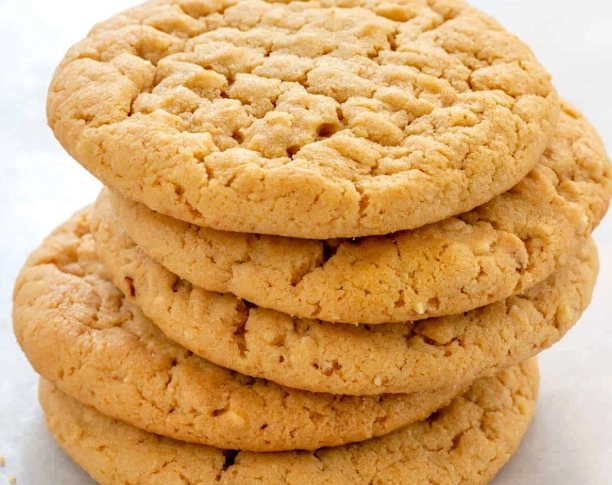
Your Peanut Butter Cookie Questions, Answered
Final Thoughts from My Kitchen
At the end of the day, the best peanut butter cookies recipe is the one that makes you happy. Maybe you love the simplicity of the 3-ingredient version. Maybe you adore the sturdy, traditional feel of the floured version. Perhaps you'll invent your own signature add-in.
This guide should have armed you with enough knowledge to tackle any recipe you find with confidence and to tweak it to perfection. You understand the role of each ingredient, how to fix problems, and how to make the cookie of your dreams.
So preheat that oven.
Grab your jar of peanut butter. Get out your mixing bowl. It's time to bake a batch of cookies that are exactly what you're craving. Don't be afraid to get a little flour on your hands or to pull the cookies out when they still look a bit soft. Trust the process, and most importantly, enjoy the delicious, peanut buttery results.
Happy baking!
Reader Comments