What You’ll Find in This Guide
- The Foundation: Understanding Your Ingredients
- The Classic Chewy Peanut Butter Cookie Recipe
- The Famous 3-Ingredient Peanut Butter Cookies
- Level Up: Creative Variations on Peanut Butter Cookies Recipes
- Troubleshooting: Why Did My Cookies Do *That*?
- Storage & Freezing: Making Your Cookies Last
- Peanut Butter Cookies FAQs: Answering Your Burning Questions
- The Final Word: Experiment and Enjoy
Let's talk about peanut butter cookies. You know the ones. That perfect combination of nutty, sweet, and salty that somehow feels like a hug from the inside. Whether you're a seasoned baker or someone who just bought their first jar of peanut butter with a vague desire to make cookies, you've come to the right place. I've burned my fair share of batches, had cookies spread into one giant sheet pan blob, and yes, I've even forgotten the baking soda (a tragic, flat affair). But through all that, I've learned what makes a peanut butter cookie recipe truly sing.
This isn't just one recipe. It's a whole world of them. We're going to start with the absolute classic—the kind your grandma probably made—and then we're going to play. Because why stop at good when you can have amazing?
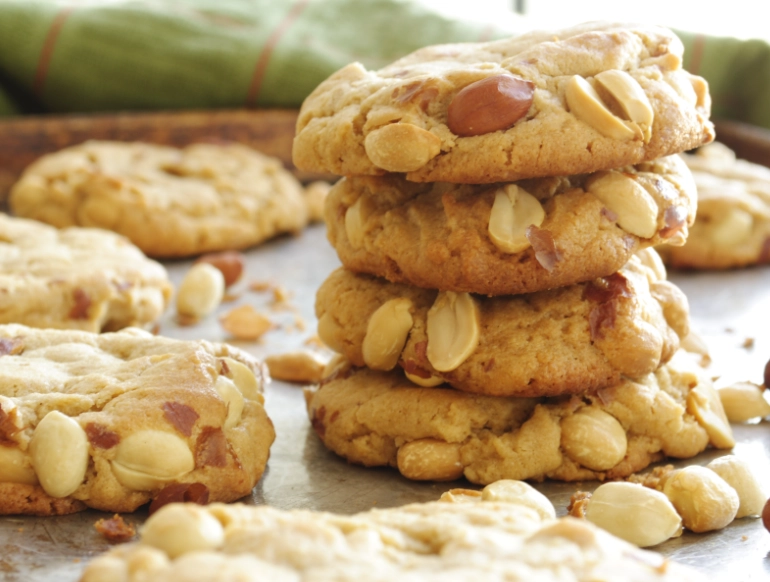 Ready? Let's preheat that oven.
The Foundation: Understanding Your Ingredients
Before we dive into the actual peanut butter cookies recipes, let's get nerdy about the stuff that goes into them. It matters more than you think.
Peanut Butter: The Star of the Show
This is the big one. The type of peanut butter you use will make or break your cookies. And I'm not being dramatic.
Creamy vs. Crunchy: This is mostly about texture. Creamy gives you that uniform, melt-in-your-mouth feel. Crunchy adds little bits of peanut that I personally love. For classic recipes, creamy is standard, but don't let that stop you from experimenting.
Natural vs. Processed (like Jif or Skippy): Here's the real secret. Most classic peanut butter cookies recipes are developed using processed peanut butter—the kind that's homogenized with added sugars and stabilizers (like hydrogenated oils). Why? Because it's consistent. The oil doesn't separate, the texture is predictable, and it has a specific sweetness level. Natural peanut butter, the kind you have to stir, behaves differently. It can be oilier, which affects spread. It's often less sweet, which might mean you need to tweak your sugar. You can use it, but you need to know what you're getting into. I made a batch with my favorite natural brand once, and the cookies spread so much they fused together into a peanut butter lace doily. Tasty, but not the look I was going for.
The National Peanut Board has great resources on the different types of peanuts and products, which is useful if you really want to geek out on your main ingredient.
Flour: The Framework
All-purpose flour is the safe bet. It provides just enough structure without making the cookies tough. Some recipes call for bread flour for extra chew, or even a bit of oat flour for a heartier texture. Gluten-free? A 1:1 gluten-free flour blend usually works fine, but the texture might be slightly more crumbly.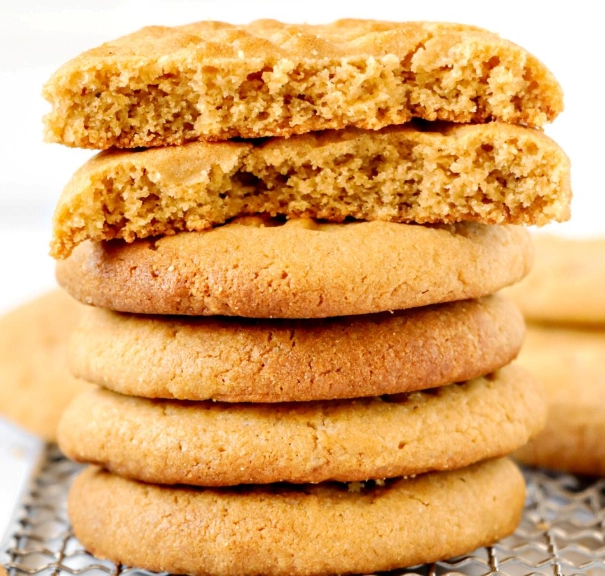
Sugars: Sweetness and Texture
White sugar encourages spreading and crispness. Brown sugar (thanks to its molasses) adds moisture, chew, and a deeper flavor. A mix of both is the magic formula for a cookie that's crisp on the edges and soft in the middle.
Fat: Butter vs. Shortening vs. Just Peanut Butter
Butter adds fantastic flavor but melts at a lower temperature, leading to more spread. Shortening holds its shape better, giving a puffier cookie. Some ultra-simple peanut butter cookies recipes ditch added fat altogether, relying solely on the oil in the peanut butter. Those are the famous 3-ingredient peanut butter cookies (we'll get to those). They have a distinct, dense, and crumbly texture that's addictive in its own way.
The Classic Chewy Peanut Butter Cookie Recipe
This is it. The blueprint. The cookie that will make your house smell like heaven. It's forgiving, it's delicious, and it's the perfect starting point for any variations you dream up later.
Ingredients:
- 1 cup (2 sticks) unsalted butter, softened
- 1 cup creamy processed peanut butter (like Jif or Skippy for consistency)
- 1 cup packed light brown sugar
- 3/4 cup granulated white sugar
- 2 large eggs, room temperature
- 2 teaspoons pure vanilla extract
- 2 1/2 cups all-purpose flour
- 1 teaspoon baking powder
- 1 teaspoon baking soda
- 1/2 teaspoon salt
Instructions:
- Prep: Preheat your oven to 350°F (175°C). Line baking sheets with parchment paper. Don't skip the parchment—it prevents sticking and makes cleanup a breeze.
- Cream the fats and sugars: In a large bowl, beat the softened butter, peanut butter, brown sugar, and white sugar together until the mixture is light and fluffy. This should take about 3 minutes with an electric mixer on medium speed. This step is crucial for incorporating air, which helps with texture.
- Add wet ingredients: Beat in the eggs, one at a time, making sure each is fully incorporated before adding the next. Mix in the vanilla extract.
- Combine dry ingredients: In a separate bowl, whisk together the flour, baking powder, baking soda, and salt. This ensures the leavening agents are evenly distributed.
- Combine wet and dry: Gradually add the dry ingredients to the wet mixture, mixing on low speed just until the flour disappears. Do not overmix. Overworking the dough develops gluten and leads to tough cookies. A few streaks of flour are okay; they'll incorporate.
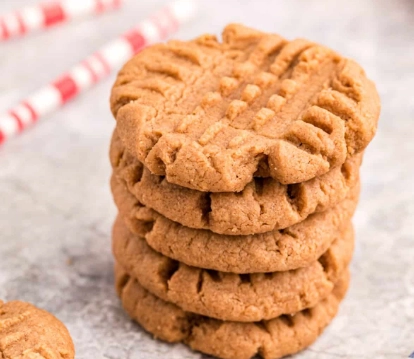
- Shape: Scoop dough using a tablespoon or a small cookie scoop (about 1.5 tablespoons of dough per cookie). Roll into balls. For the classic look, place them on the sheet and use a fork to press a criss-cross pattern into the top. Dip the fork in a little sugar between presses to prevent sticking.
- Bake: Bake for 10-12 minutes. The cookies will look puffy and slightly underdone in the middle when you pull them out. The edges should be just set and very lightly golden. This is the key to chewiness!
- Cool: Let the cookies cool on the baking sheet for 5 minutes. They will finish setting during this time. Then, transfer them to a wire rack to cool completely. Try to eat at least one warm. It's a rule.
The Famous 3-Ingredient Peanut Butter Cookies
Yes, it's real. Just peanut butter, sugar, and an egg. No flour, no butter, no baking soda. These are the ultimate pantry-dump, emergency-cookie-craving lifesavers. They have a unique texture—dense, fudgy, and incredibly peanut-buttery. They're also naturally gluten-free.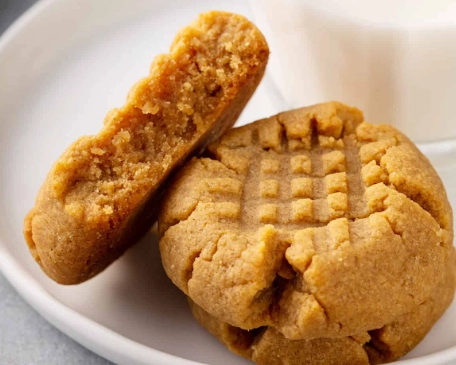
Ingredients:
- 1 cup creamy peanut butter (processed works best here for binding)
- 1 cup granulated sugar
- 1 large egg
Instructions: Mix everything in a bowl until fully combined. Scoop, roll into balls, do the fork press. Bake at 350°F (175°C) for about 10 minutes. Let them cool completely on the sheet—they are very fragile when warm.
Are they as complex as the classic recipe? No. But are they astonishingly good for three ingredients? Absolutely. They prove that sometimes, simplicity wins. This is one of those easy peanut butter cookies recipes that everyone should have in their back pocket.
Level Up: Creative Variations on Peanut Butter Cookies Recipes
Once you've mastered the classic, the playground opens up. Here are some of my favorite twists.
Peanut Butter Blossoms
The holiday classic. Make the classic dough (or even the 3-ingredient dough). Roll the balls in granulated sugar, bake, and immediately after taking them out of the oven, press a Hershey's Kiss into the center of each. The warm cookie softens the chocolate just perfectly.
Chocolate Chip Peanut Butter Cookies
A no-brainer, but a champion. Fold 1.5 to 2 cups of semisweet chocolate chips into the classic dough. The combination is legendary for a reason.
Peanut Butter and Jelly Thumbprints
Make your dough balls, then use your thumb or the back of a spoon to make an indent in the center before baking. After baking and cooling, fill the well with your favorite jam or jelly. Grape is classic, but raspberry is a fantastic tangy contrast.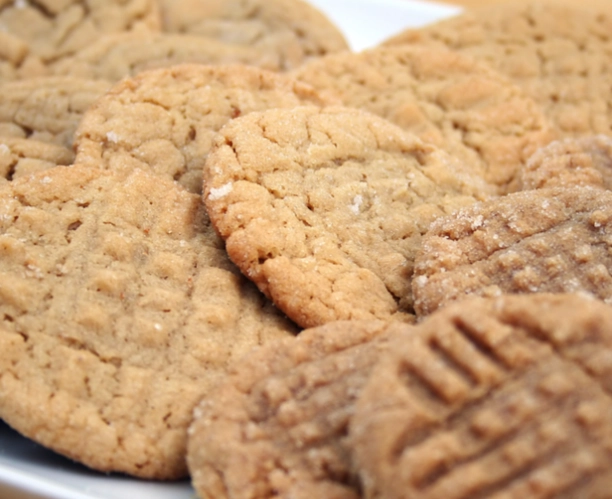
Salty-Sweet Pretzel Peanut Butter Cookies
Chop up some pretzel sticks and fold them into the dough. The salty crunch against the sweet cookie is incredible. You can also press a mini pretzel on top before baking.
Flourless Double Peanut Butter Cookies
For an intense peanut experience, use the 3-ingredient base but add 1/2 cup of chopped roasted peanuts and 1/2 cup of peanut butter chips. It's peanut butter overload in the best way.
Troubleshooting: Why Did My Cookies Do *That*?
We've all been there. You followed the recipe, but something went sideways. Let's diagnose.
| Problem | Likely Cause | How to Fix It Next Time |
|---|---|---|
| Cookies spread too much | Butter too warm/soft; dough too warm; not enough flour; baking sheet too warm; oven temp too low. | Chill dough for 30+ mins before baking. Ensure butter is softened, not melted. Use an oven thermometer. Bake one sheet at a time. |
| Cookies didn't spread at all | Too much flour; dough over-mixed; butter not softened enough; used shortening instead of butter. | Measure flour by spooning into cup & leveling, don't scoop. Mix just until combined. Ensure proper butter texture. |
| Cookies are tough/hard | Over-mixed dough; too much flour; baked too long. | Mix gently. Measure flour accurately. Pull cookies out when edges are just set. |
| Cookies are too crumbly | Not enough egg or fat; over-baked; too much flour. | Follow ingredient ratios. Check oven temp. Use fresh baking powder/soda. |
| Cookies taste bland or "floury" | Not enough salt; peanut butter with weak flavor. | Use a full 1/2 tsp salt. Use a bold, name-brand processed peanut butter for stronger flavor. |
Storage & Freezing: Making Your Cookies Last
Baked cookies, stored in an airtight container at room temperature, will stay fresh for about a week (if they last that long). You can separate layers with parchment paper. For longer storage, freeze them! Place cooled cookies in a single layer on a baking sheet to flash-freeze, then transfer to a freezer bag. They'll keep for 2-3 months. Thaw at room temperature or pop a frozen one in the microwave for 15 seconds.
You can also freeze the dough. Form the dough balls, place them on a sheet to flash-freeze, then bag them. You can bake them straight from frozen, just add 1-2 minutes to the baking time. Having frozen dough balls means fresh-baked cookies are never more than 15 minutes away. It's dangerous knowledge.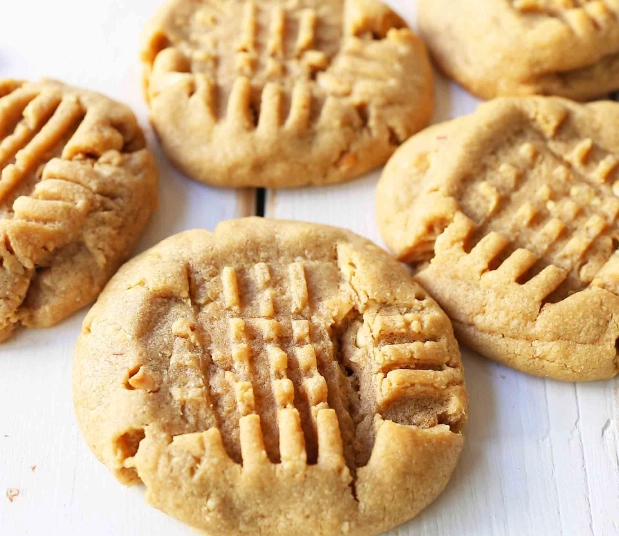
Peanut Butter Cookies FAQs: Answering Your Burning Questions
I get a lot of questions about peanut butter cookies recipes. Here are the most common ones.
Can I use natural peanut butter in any recipe?
You can, but it's a swap that requires caution. Natural peanut butter is oilier and less sweet. For best results, look for a recipe specifically designed for it, or be prepared for more spread and a less sweet cookie. You might need to slightly reduce other liquids or add a touch more sugar. For the 3-ingredient recipe, stick with processed—the natural kind often lacks the stabilizers needed to hold the cookie together properly.
Why the fork criss-cross?
It's not just for looks! Peanut butter cookie dough is very dense. Flattening it with a fork ensures even baking. The pattern also increases surface area for a bit more crispness.
My cookies are always dry. Help!
You're probably over-baking them. See the note above about pulling them out when they look underdone. Also, make sure you're using fresh brown sugar (it hardens as it ages and loses moisture) and measuring your flour correctly (don't pack it into the cup).
Are peanut butter cookies healthy?
Let's be real—they're a dessert cookie. They contain protein and healthy fats from the peanut butter, but also significant sugar and butter. For a slightly better-for-you version, you can try recipes that use whole wheat flour, reduce sugar slightly, or use a natural peanut butter with no added sugar. But sometimes, you just want the classic cookie. And that's okay. The USDA's FoodData Central is a great resource if you want to analyze the nutritional content of your specific ingredients.
Can I make these without a mixer?
Absolutely. A sturdy wooden spoon and some elbow grease will work for the classic recipe. For the 3-ingredient version, it's easy by hand. Just make sure you really cream the butter and sugars well if doing it manually.
What's the best peanut butter for cookies?
For reliability and classic flavor in standard peanut butter cookies recipes, I recommend a standard creamy processed brand like Jif or Skippy. They have the right consistency, sweetness, and fat content that recipes are built around. If you're experimenting, that's when you try the natural or crunchy varieties.
The Final Word: Experiment and Enjoy
Baking is part science, part art. The peanut butter cookie is a wonderfully forgiving subject to learn on. Start with the classic recipe. Get a feel for the dough, learn what your oven does, and master that perfect chewy texture.
Then, start playing. Add some oats. Throw in some butterscotch chips. Swirl in some Nutella. The best peanut butter cookies recipes are the ones you tweak to make your own.
And remember, even the "failed" batches are usually still pretty tasty. I've never met a peanut butter cookie I didn't eventually eat.
For more inspiration and incredibly reliable baking science, I always find myself browsing King Arthur Baking. Their recipe testing is rigorous, and their tips are gold.
Now, go forth and bake. Your kitchen (and anyone you choose to share with) will thank you.
Reader Comments