Quick Baking Insights
Let's be honest. We've all been there. Standing in the kitchen, craving that perfect peanut butter cookie—the kind that's just sweet enough, with a texture that's either gloriously chewy or satisfyingly crisp, and that unmistakable roasted, salty-peanut flavor that just hits the spot. You search online, and you're hit with a million different recipes. Some promise "the best," some are "easy 3-ingredient" hacks, and others look so complicated you need a science degree. It's enough to make you just grab a spoon and eat the peanut butter straight from the jar.
I've done that too. But after years of baking (and more than a few cookie disasters), I've learned what truly works. This isn't just another list of peanut butter cookie recipes. This is your field guide. We're going to break down every type, from the classic fork-crossed cookie your grandma made to the modern, flourless wonders, and figure out exactly how to get the results you want. No fluff, just practical, tested info.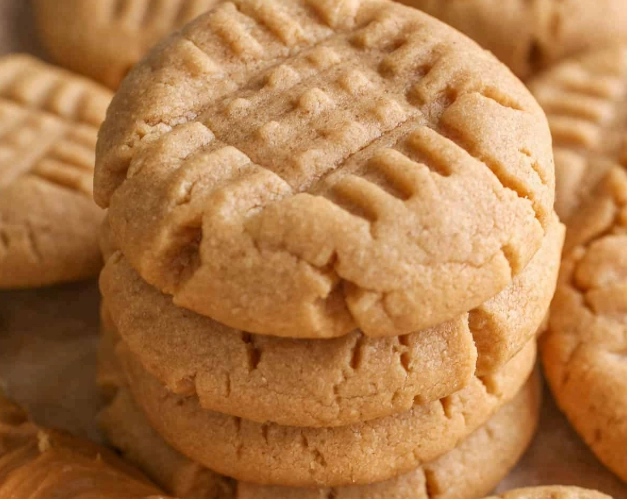
First Things First: Choosing Your Peanut Butter
This is the single biggest variable in your peanut butter cookie recipes, and most recipes just gloss over it. Get this wrong, and your whole batch is off.
You've got two main camps: natural (the kind where oil separates on top) and conventional, shelf-stable (like Jif or Skippy). They behave completely differently in baking.
- Natural Peanut Butter: Just peanuts and salt. Sometimes just peanuts. It's runnier, oilier, and doesn't have added sugars or stabilizers. In baking, it can make your dough greasy and cause cookies to spread too much if you don't adjust the recipe. I find it works best in no-flour, no-butter recipes where it's the main structural component—it binds everything together beautifully.
- Conventional Creamy Peanut Butter: This is the workhorse for classic peanut butter cookie recipes. The added oils and emulsifiers (like hydrogenated vegetable oils) give it a stable, thick consistency. Your dough will be firmer, and your cookies will hold their shape better. It's predictable, which is what you want when you're following a recipe for the first time.
What about crunchy vs. creamy? That's pure preference. Crunchy gives you little peanut bits for texture. I love it. But if you want a perfectly smooth cookie, stick with creamy.
The Core Family of Peanut Butter Cookie Recipes
Not all peanut butter cookies are created equal. The ingredients and ratios create wildly different textures and flavors. Think of these as the different branches of the peanut butter cookie family tree.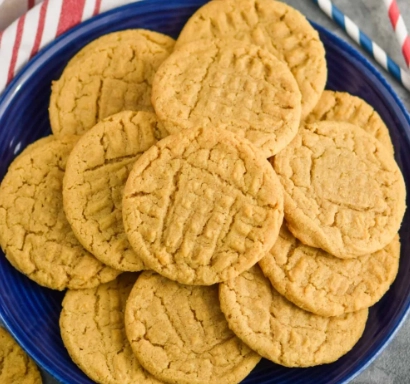
The Classic Fork-Crossed Cookie
This is the one with the criss-cross pattern from a fork. It's what most people picture. The texture is usually right in the middle—not super soft, not super crisp, but tender and sandy, melting in your mouth. It uses a standard cookie formula: butter (or shortening), sugar, egg, flour, baking soda/salt, and of course, peanut butter.
The secret here? Don't overmix the dough after adding the flour. You'll develop gluten and make the cookies tough. Mix just until no dry streaks remain. And that fork press isn't just for looks—it flattens the dough ball so it bakes evenly. If you skip it, you might get a domed, undercooked center.
The Chewy, Thick & Soft Monster Cookie
This is my personal favorite style. These cookies are thick, with a slightly underbaked, gooey center and chewy edges. How do you get it?
- More Brown Sugar: Brown sugar has molasses, which adds moisture and chew. A recipe with a higher ratio of brown sugar to white sugar will be chewier.
- An Extra Egg Yolk: The fat and emulsifiers in an extra yolk enrich the dough, making it more tender and chewy.
- Slightly Underbake: Take them out when the edges are set but the centers still look puffy and just barely done. They'll finish cooking on the hot baking sheet.
Want to Add Chocolate?
For a classic peanut butter chocolate chip cookie, fold in 1 to 1.5 cups of semi-sweet chocolate chips to any dough. Milk chocolate can be too sweet against the peanut butter for some people, but it's your call. For a next-level move, try chopping up a dark chocolate bar instead of using chips—the irregular pieces create pockets of pure chocolate.
The 3-Ingredient Miracle Cookie
Yes, it's real. 1 cup peanut butter, 1 cup sugar, 1 egg. That's it. No flour, no butter. These peanut butter cookie recipes are lifesavers for when you need cookies fast or have dietary restrictions (they're naturally gluten-free).
The texture is unique—dense, fudgy, and intensely peanut-buttery. They can be a bit crumbly, so let them cool completely on the baking sheet before moving them. A common complaint is that they're too sweet. You can swap half the white sugar for brown sugar, or reduce the sugar to 3/4 cup if you're using a sweetened conventional peanut butter.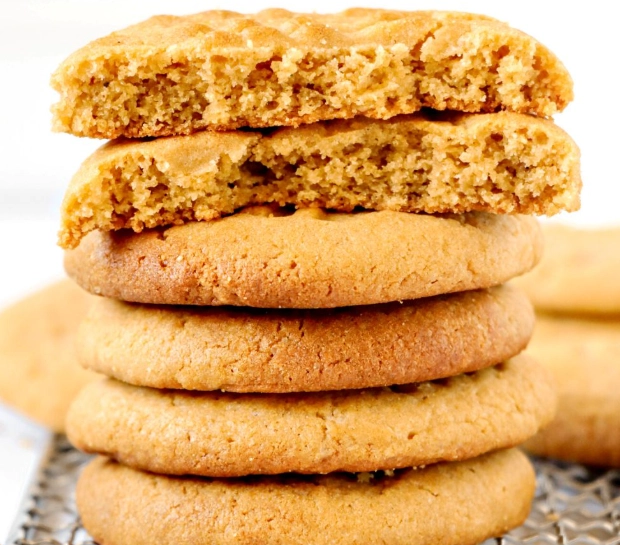
I find these work best with natural peanut butter. The single-ingredient kind binds everything perfectly.
The Crispy & Thin Lace Cookie
On the opposite end of the spectrum. These are wafer-thin, crispy, and have a lacy, delicate look. They spread a lot. The key is a higher butter and sugar content, and sometimes a bit of corn syrup or honey to promote spreading and crispiness. They're less about peanut butter flavor and more about a sweet, crunchy snap.
The Peanut Butter Cookie Recipe Troubleshooting Table
This is the part I wish I had years ago. Your cookies didn't turn out? Let's diagnose it.
| Problem | Likely Cause | How to Fix It Next Time |
|---|---|---|
| Cookies are too flat and spread everywhere | Butter/dough too warm; baking sheet too warm; not enough flour; using natural peanut butter without adjusting. | Chill dough balls for 30+ min. Use cool baking sheets. Measure flour correctly (spoon & level). Use conventional PB for classic recipes. |
| Cookies are too dry and crumbly | Too much flour; overbaking; not enough fat (egg, butter, PB). | Double-check flour measurement. Reduce bake time by 1-2 min. Ensure you're using full-fat ingredients. |
| Cookies are too hard or tough | Overmixing the dough after adding flour; too much flour; using only white sugar. | Mix dry ingredients just until combined. Add an extra tbsp of peanut butter or butter for tenderness. Swap some white sugar for brown. |
| Cookies taste bland or "floury" | Not enough salt; using unsalted peanut butter and not adjusting salt. | Add 1/4 tsp extra salt to dough. Use salted butter or salted peanut butter. A pinch of flaky sea salt on top after baking works wonders. |
| Cookies are burnt on bottom, raw inside | Oven too hot; dark-colored baking sheet; rack position too low. | Use an oven thermometer. Switch to light-colored/aluminum sheets. Bake on middle rack. Try parchment paper for insulation. |
Advanced Moves & Flavor Twists
Once you've mastered a basic peanut butter cookie recipe, the fun begins. Here are some of my favorite riffs.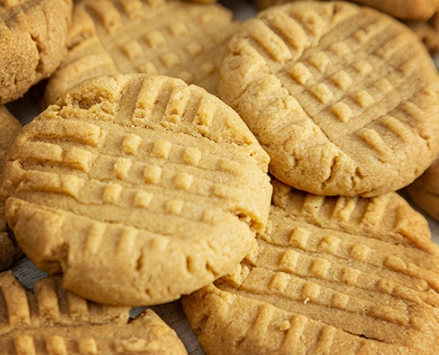
- Brown Butter Peanut Butter Cookies: Brown your butter first and let it cool slightly. It adds a deep, nutty, almost toffee-like flavor that pairs insanely well with the peanut butter. It's a game-changer.
- Stuffed Cookies: Take two small scoops of dough, flatten them, place a square of good dark chocolate, a mini Reese's cup, or even a blob of jam in the center of one, top with the other, and seal the edges. Surprise inside!
- Salty-Sweet: This is non-negotiable for me. Finish your cookies with a light sprinkle of flaky sea salt (like Maldon) right when they come out of the oven. It makes the sweetness and peanut flavor pop.
- Spiced: Add 1/2 teaspoon of cinnamon or a pinch of cayenne pepper to the dry ingredients for a warm, subtle kick.
Your Peanut Butter Cookie Questions, Answered
Can I make peanut butter cookies without eggs?
Yes, but it depends on the recipe. For a classic recipe, a "flax egg" (1 tbsp ground flaxseed + 2.5 tbsp water, rested for 5 min) often works as a binder. For the 3-ingredient recipe, the egg is crucial for structure; leaving it out won't work. You'd need to find a specifically vegan peanut butter cookie recipe.
Why do my cookies have a bitter aftertaste?
This is almost always from over-measuring or old baking soda. Baking soda needs an acid (like brown sugar) to react. Too much, and it doesn't fully react, leaving a metallic, soapy taste. Always measure baking soda precisely with measuring spoons (not the container spoon) and check its expiry date. If your recipe doesn't have an acid, you should be using baking powder.
How do I store them to keep them soft?
Let them cool completely first. Then, store in an airtight container at room temperature. For extra insurance, add a piece of bread or a commercial food-safe clay damp disk to the container. The cookies will absorb the moisture from the bread, staying soft for days (the bread will get hard).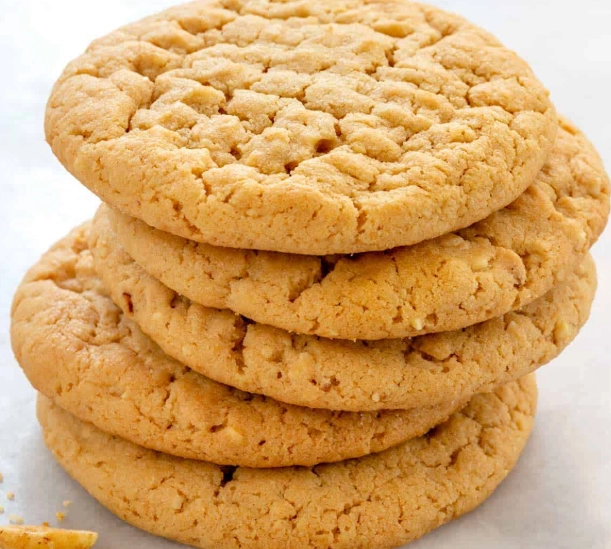
Can I freeze the dough?
Absolutely! It's one of the best tricks. Scoop dough into balls, freeze them solid on a tray, then transfer to a freezer bag. You can bake them straight from frozen—just add 1-2 minutes to the bake time. Having frozen cookie dough balls on hand is a secret weapon for instant fresh cookies.
What's the deal with chilling the dough?
It's not always mandatory, but it almost always helps. Chilling solidifies the fat, so the cookies don't spread as much in the oven's initial heat blast. This leads to a thicker cookie. It also allows the flour to hydrate and the flavors to meld. For a dramatic example, try baking one tray of dough immediately and chilling another batch for 2 hours. The difference in spread and texture is eye-opening.
Putting It All Together: A Foolproof, Customizable Recipe Blueprint
Instead of just giving you one more recipe to get lost in the pile, here's a blueprint. Think of this as your base camp. You can adjust it to make the cookie you want.
Base Ingredients (Makes ~24 cookies):
- 1 ¼ cups (160g) all-purpose flour (spooned and leveled!)
- ½ tsp baking soda
- ½ tsp baking powder
- ¼ tsp salt (use ½ tsp if your peanut butter is unsalted)
- ½ cup (115g) unsalted butter, softened but still cool
- ½ cup (100g) granulated sugar
- ½ cup (100g) packed light brown sugar
- 1 large egg, room temp
- 1 tsp pure vanilla extract
- ¾ cup (190g) creamy peanut butter (conventional for predictable results)
Method: Whisk dry stuff (flour, soda, powder, salt). In another bowl, beat butter and both sugars for 2-3 minutes until light. Beat in egg and vanilla. Beat in peanut butter. Gradually add dry ingredients on low speed until just mixed. Don't overmix! Chill for at least 30 minutes if dough is soft. Preheat oven to 350°F (175°C). Scoop balls (about 1.5 tbsp), place on parchment-lined sheets, and flatten with a fork in a criss-cross. Bake for 9-11 minutes until edges are golden. Centers will look soft. Cool on sheet for 5 min, then transfer to rack.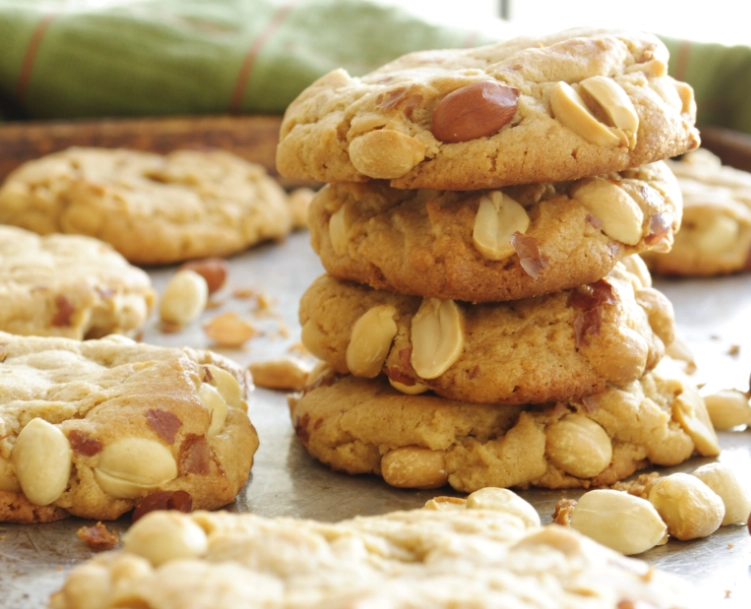
Now, customize it:
- For Chewier Cookies: Use ¾ cup brown sugar and ¼ cup white sugar. Add an extra egg yolk. Underbake slightly.
- For Crispier Cookies: Use all white sugar. Make dough balls smaller and flatten them more. Bake 1-2 minutes longer until golden all over.
- For Richer Flavor: Brown the butter first and let it cool to room temp before creaming. Use dark brown sugar.
The world of peanut butter cookie recipes is vast, but it doesn't have to be confusing. It boils down to understanding how a few simple ingredients interact. Start with a style that calls to you, pay attention to your peanut butter, and don't be afraid of a little troubleshooting. Before long, you'll be tweaking recipes to create your own signature version. And really, is there any problem a warm, freshly baked peanut butter cookie can't make a little bit better?
Happy baking.
Reader Comments