Quick Guide
- Why This Layered Fudge is a Game-Changer
- The Foundation: Your Key Ingredients, Explained
- The Step-by-Step Blueprint for Perfect Layered Fudge
- Top Fudge Failures and How to Dodge Them
- Leveling Up: Pro Tips for Next-Level Layered Fudge
- Storing, Gifting, and Serving Your Masterpiece
- Your Layered Chocolate Peanut Butter Fudge Questions, Answered
Let's be honest. The idea of making fudge from scratch can be a little intimidating. You hear stories about sugar crystals, failed batches, and mysterious textures that are more like chalk than creamy dreaminess. I've been there. I've made fudge that refused to set, and I've made fudge so grainy it sounded like sand when you bit into it. Not a great feeling.
But then I discovered the layered chocolate peanut butter fudge. This isn't your grandmother's fussy, thermometer-required, stir-until-your-arm-falls-off fudge. This is a modern, semi-homemade miracle that delivers insane flavor and that perfect, melt-in-your-mouth texture with a fraction of the stress. It's the gateway drug of the candy-making world. Master this, and you'll feel like a pastry chef.
The magic of a layered chocolate peanut butter fudge lies in the contrast. You get the deep, almost bitter richness of chocolate right up against the salty, sweet, creamy punch of peanut butter. It's a one-two punch of flavor that's incredibly satisfying. And visually? Cutting into a pan to reveal those two distinct, perfect layers is just… chef's kiss.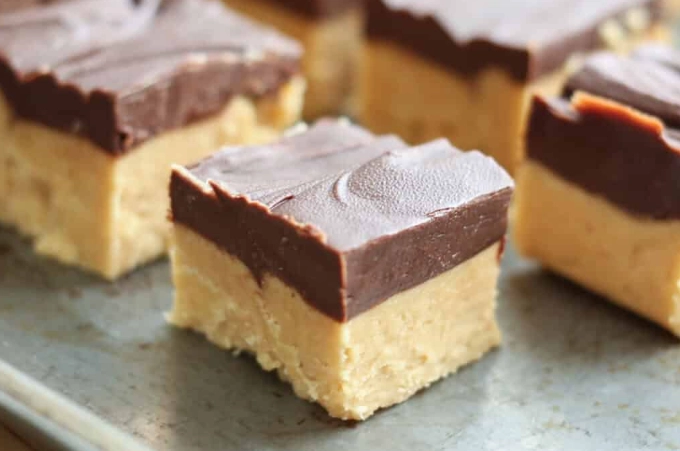
This guide isn't just another recipe. We're going deep. We'll talk about why each ingredient matters, where most people go wrong (so you don't have to), and how to tweak the recipe to make it truly your own. By the end, you'll not only have a perfect pan of fudge, you'll understand the why behind it all.
The Big Promise: If you follow the principles here, you will make a layered chocolate peanut butter fudge that is consistently smooth, firm yet tender, and impressively professional. No more guesswork.
Why This Layered Fudge is a Game-Changer
I think the reason this particular dessert has such a cult following is because it solves a lot of problems. First, it's a no-bake recipe. Summer heatwave? No problem. Don't want to heat up the kitchen? Perfect. Second, it's incredibly forgiving compared to traditional fudge. The modern approach often uses sweetened condensed milk or marshmallow creme as stabilizers, which practically guarantee a smooth texture. Third, it's a crowd-pleaser in the truest sense. I've never brought this to a potluck or party without someone asking for the recipe.
But the layered aspect is what elevates it. It feels special. It looks like you put in way more effort than you actually did (we'll keep that our little secret). Making a layered chocolate peanut butter fudge is about creating an experience, not just a sweet treat.
The Foundation: Your Key Ingredients, Explained
You can't build a great house with cheap bricks, and you can't make great fudge with poor-quality ingredients. This doesn't mean you need to spend a fortune, but knowing what to look for is half the battle.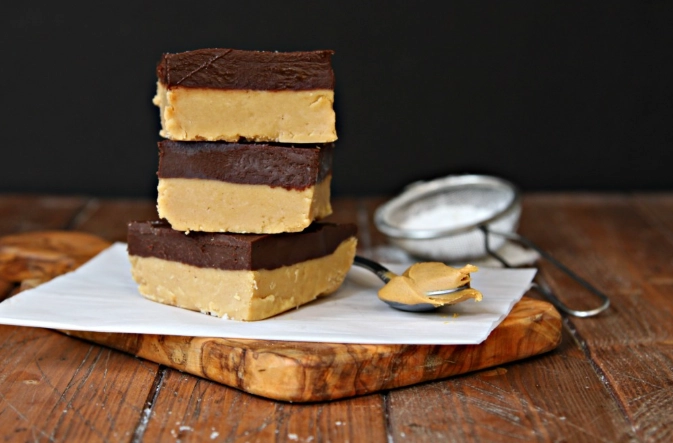
The Chocolate Layer: Building Depth
For the chocolate layer, you have options, and your choice will define the final character of your fudge.
- Chocolate Chips: The most common choice. They're designed to hold their shape, which means they have stabilizers. This actually works in our favor for a firm fudge. Semi-sweet is the gold standard—it's rich but not overwhelming. Milk chocolate will make a sweeter, milder layer.
- High-Quality Baking Chocolate (Chopped): If you want more control over the sweetness and a purer chocolate flavor, use a bar of semi-sweet or bittersweet baking chocolate (look for 60-70% cacao). The flavor is often more complex. I sometimes use a mix of chips and a chopped bar for the best of both worlds.
- Avoid: Chocolate that's been sitting in your pantry for a year. Old chocolate can develop a bloom (those white streaks) which, while safe to eat, can sometimes affect melting smoothness.
The other star here is sweetened condensed milk. This is your magic potion. It provides creaminess, sweetness, and, crucially, it helps prevent sugar crystallization—the main culprit behind grainy fudge. Don't substitute evaporated milk; it's not the same thing at all.
The Peanut Butter Layer: The Salty Savior
This is where personal preference really comes into play.
| Type of Peanut Butter | Best For... | Watch Out For... |
|---|---|---|
| Commercial "No-Stir" Creamy (e.g., Jif, Skippy) | Beginners & Guaranteed Smoothness. The added oils and stabilizers create an incredibly creamy, stable layer that sets perfectly every time. | Can be very sweet. The flavor is more "classic candy bar." |
| Natural Peanut Butter (Stirred Well) | A More Robust, Peanut-Forward Flavor. If you love the real taste of roasted peanuts, this is your pick. I prefer it. | YOU MUST STIR IT THOROUGHLY until completely homogenous. Any separated oil can make the fudge layer greasy or prevent it from setting. This is a common pitfall. |
| Crunchy Peanut Butter | Adding a fun textural contrast. You get little bursts of peanut crunch in the creamy layer. | Make sure it's well-mixed. The texture can be divisive—ask your guests first! |
Butter and vanilla extract round out the flavors. Use real butter and real vanilla. Imitation vanilla can taste harsh and artificial in such a simple recipe. Trust me on this one.
For food safety and handling best practices when working with dairy and other perishable ingredients, resources like the FDA's safe food handling guidelines are always a good reference, especially if you're new to the kitchen.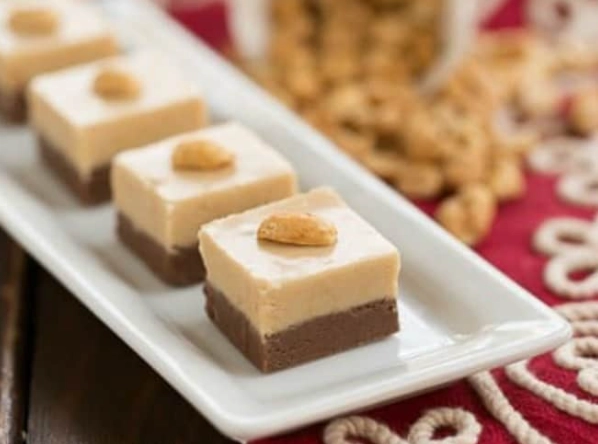
The Step-by-Step Blueprint for Perfect Layered Fudge
Okay, let's get our hands dirty. Or, more accurately, let's keep them clean and organized. This process is all about mise en place—having everything measured and ready before you turn on the heat.
Pro-Tip Before You Start: Line your 8x8 or 9x9 pan with parchment paper, leaving an overhang on two sides. This is your lifeline for getting the fudge out cleanly. Don't skip this. Greasing the pan is not a reliable substitute.
Step 1: The Chocolate Base. In a medium, heavy-bottomed saucepan (this distributes heat evenly and prevents scorching), combine your chocolate chips, sweetened condensed milk, and butter. Cook this over low to medium-low heat. I can't stress "low" enough. Chocolate burns easily and becomes bitter. Stir constantly with a silicone spatula until everything is just melted, smooth, and combined. It should look like a gorgeous, glossy chocolate pudding. Remove it from the heat and stir in your vanilla and a tiny pinch of salt (this enhances the chocolate flavor).
Patience is key here. No rushing.
Pour about two-thirds of this chocolate mixture into your prepared pan. Spread it into a smooth, even layer. This is your foundation. Now, work quickly but calmly.
Step 2: The Peanut Butter Glory. Immediately (while the chocolate pot is still warm and the mixture is fluid), add your peanut butter to the remaining one-third of chocolate in the saucepan. Stir like crazy until it's completely blended into a homogenous, light brown mixture. If it seems too thick to pour easily, you can put the pan back on the tiniest bit of warmth for 15 seconds to loosen it. Don't overheat it.
Step 3: The Layering. Pour the peanut butter-chocolate mixture over the first pure chocolate layer in the pan. Use your spatula to gently spread it to the edges. Now, here's a fun trick: take a knife or a toothpick and swirl the top layer ever so slightly into the bottom layer just at the interface. Not a lot—you don't want to mix them, just create a few marbled streaks. This makes the layers look bonded and professional.
Step 4: The Waiting Game (The Hardest Part). Let the pan sit at room temperature until it's no longer warm to the touch. Then, cover it loosely and refrigerate for at least 4 hours, but preferably overnight. This slow, firm set is what gives the fudge its perfect, sliceable texture. Trying to cut it too early is a mess.
Top Fudge Failures and How to Dodge Them
Let's troubleshoot before you even have a problem. Here are the big three disasters and how to prevent them.
Failure #1: The Layers Separate or Don't Stick. This happens if the bottom layer sets too much before you add the top layer. The peanut butter mixture just sits on top and then slices apart cleanly. Solution: Have your peanut butter measured and ready. The moment the chocolate base is in the pan, make the peanut butter layer and pour it on. The residual heat of the bottom layer will help them fuse.
Failure #2: The Fudge is Too Soft or Greasy. This usually points to the peanut butter. If you used natural peanut butter and didn't stir it enough, the separated oil will weep out. Or, you might have overheated the mixture, breaking the emulsion. Solution: Stir natural peanut butter until it's completely uniform, from top to bottom of the jar. And always use low heat.
Failure #3: Grainy or Gritty Texture. The classic fudge problem. In this recipe, it's most likely from undissolved sugar in the sweetened condensed milk getting shocked by temperature change, or from stirring the mixture after it's removed from heat, encouraging crystals to form. Solution: Ensure the chocolate/condensed milk mixture is fully melted and smooth on the stove. Once you take it off the heat and add vanilla, stir gently just to combine, then stop. Don't beat it.
The USDA's food safety and preparation hub has great general resources on safe cooking temperatures and handling, which is a good foundation for any confectionery work.
Leveling Up: Pro Tips for Next-Level Layered Fudge
Once you've mastered the basic layered chocolate peanut butter fudge, it's time to play.
Flavor Twists
- Salt it Up: Sprinkle a tiny bit of flaky sea salt (like Maldon) over the top layer right after you pour it. The salty crunch against the sweet creaminess is unreal.
- Espresso Boost: Add a teaspoon of instant espresso powder to the chocolate layer. It won't taste like coffee, but it will deepen the chocolate flavor incredibly.
- Nutty Swirl: Use almond butter or cashew butter instead of peanut butter for a different profile.
- Crunch Factor: Press a handful of chopped, toasted peanuts or pretzel pieces lightly into the top of the fudge before it sets.
Texture & Technique
- For Absolute Precision: If you're a gadget person, use a digital instant-read thermometer. Heat the chocolate mixture until it just reaches 235°F (113°C), the "soft-ball" stage. This is the traditional fudge temperature and guarantees a perfect set. But honestly, the condensed milk method is so forgiving you don't need this.
- The Clean Slice: For picture-perfect squares, clean your knife with hot water and dry it between each cut. It glides right through.
For a deep dive into the science of sugar crystallization and temperatures—why that 235°F matters so much in traditional candy-making—sites like Serious Eats have fantastic, authoritative explorations that can turn you from a cook into a candy scientist.
Storing, Gifting, and Serving Your Masterpiece
This fudge stores beautifully. Keep it in an airtight container in the refrigerator for up to two weeks. The cold makes the texture firmer and even more satisfying. You can also freeze it for up to 3 months. Thaw overnight in the fridge.
For gifts, it's perfect. Cut it into small squares and place them in little paper candy cups (available at baking stores). Package them in a nice box or tin. A homemade layered chocolate peanut butter fudge is a gift that says you care way more than a store-bought box of chocolates.
Serve it at room temperature for the softest, most flavorful bite. Take it out of the fridge 20-30 minutes before serving.
Your Layered Chocolate Peanut Butter Fudge Questions, Answered
I get a lot of the same questions whenever I make this. Let's tackle them head-on.
Can I make this fudge dairy-free or vegan?
You can attempt it, but it's tricky. The sweetened condensed milk is a key player. You can find vegan sweetened condensed coconut milk, which works fairly well. Use dairy-free chocolate chips and a vegan butter stick. The results can be very good, but the texture might be slightly different—sometimes a bit softer. It's worth experimenting with if you have dietary restrictions.
Why did my fudge turn out rock hard?
Overcooking. If you boiled the mixture too vigorously or for too long, you drove off too much moisture. Remember, low and slow is the mantra. If you used a thermometer, you likely went past 240°F. Next time, pull it off the heat the second it's smooth and melted.
Can I double this recipe?
Absolutely! Double all ingredients. Use a 9x13 inch pan instead. You'll need a larger saucepan, and be extra careful with the heating—it will take longer to melt, but don't crank up the heat to compensate. Just give it time.
Is it necessary to refrigerate?
For this style of fudge, yes. The high dairy content (butter, condensed milk) means it's safest and will hold its texture best stored in the fridge. At room temperature for more than a day in a warm climate, it can become too soft and potentially spoil.
My top layer is too thin/thick. How do I control that?
It's all in the initial pour. When you put the first chocolate layer down, you used about two-thirds of the mix. If you want a thicker peanut butter layer, use half and half. Want just a peanut butter swirl on top? Use a quarter of the mix for the top. It's completely customizable. I like a 60/40 split myself.
So there you have it. Everything I've learned, often the hard way, about making the perfect layered chocolate peanut butter fudge. It's a recipe that rewards a little care and attention with massive dividends in flavor and pride. Don't be afraid of it. Grab your saucepan, take a deep breath, and get ready to make the best fudge of your life. And when someone asks you for the recipe, you can just smile and send them a link.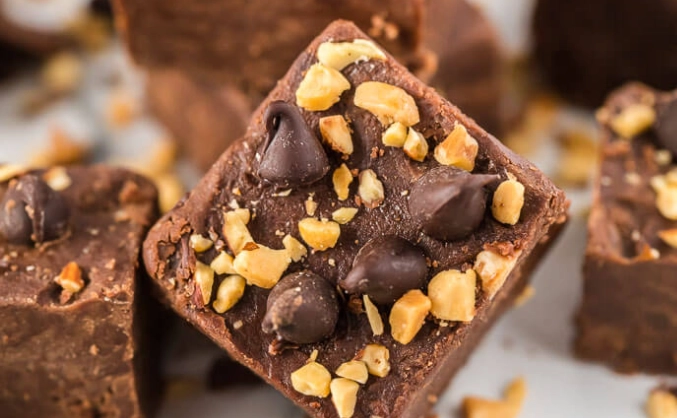
Now, if you'll excuse me, I think I need to go check on my latest batch in the fridge. You know, for quality control.
Reader Comments