Quick Guide
- The Core Recipe: Your Blueprint for Success
- Why This Peanut Butter Chocolate Chip Cookie Recipe Works: The Ingredient Deep Dive
- Common Pitfalls & How to Avoid Them (The Troubleshooting Table)
- Leveling Up Your Peanut Butter Chocolate Chip Cookie Game
- Storing, Freezing, and Gifting Like a Pro
- Your Peanut Butter Chocolate Chip Cookie Questions, Answered
Let's be honest for a second. We've all been there. You search for a peanut butter chocolate chip cookie recipe, pick one that looks decent, and end up with cookies that spread into a sad, greasy puddle or turn into dry, crumbly hockey pucks. It's frustrating. After more batches than I care to admit (my friends were happy taste-testers, at least), I've landed on a formula that just works. This isn't just another recipe—it's the result of tweaking, testing, and understanding why each ingredient matters. We're going deep on the science and the soul of a great cookie.
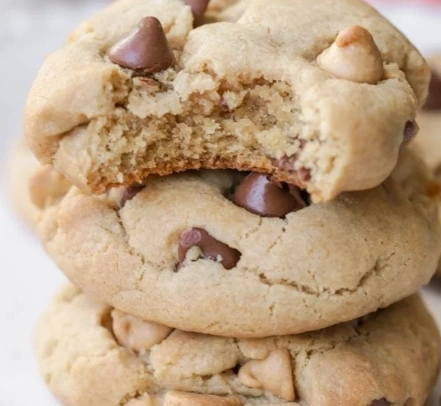
This recipe is your ticket to cookies that are chewy in the middle, slightly crisp at the edges, packed with rich peanut butter flavor, and loaded with melty chocolate. Forget cakey or brittle. This is the holy grail.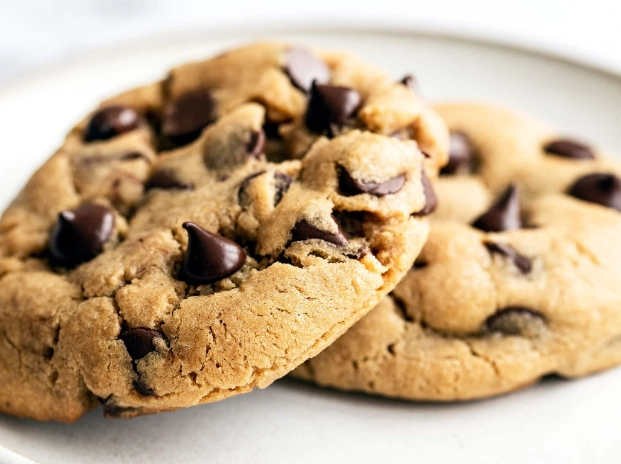
The Core Recipe: Your Blueprint for Success
Before we dive into the "whys," here's the basic map. Follow this, and you're 90% of the way there. But trust me, the magic is in the details we'll cover next.
- Dry Ingredients: 1 and 1/2 cups (190g) all-purpose flour, 1/2 teaspoon baking soda, 1/2 teaspoon baking powder, 1/4 teaspoon salt.
- Wet Ingredients: 1/2 cup (115g) unsalted butter (softened), 1/2 cup (130g) creamy peanut butter, 1/2 cup (100g) granulated sugar, 1/2 cup (110g) packed light brown sugar, 1 large egg + 1 egg yolk, 1 and 1/2 teaspoons vanilla extract.
- The Star: 1 and 1/2 cups (270g) semi-sweet chocolate chips (or chunks!).
The Method: Whisk dry stuff in a bowl. In another, cream the butter, peanut butter, and sugars until fluffy—about 3 minutes. Beat in the egg, yolk, and vanilla. Mix in dry ingredients on low until just combined. Fold in chocolate chips. Chill dough for at least 2 hours (non-negotiable!). Scoop onto parchment-lined sheets, bake at 350°F (175°C) for 10-12 minutes until edges are golden but centers look soft. Let cool on sheet for 5 minutes, then transfer.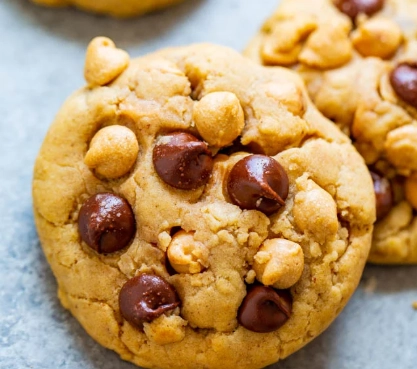
Why This Peanut Butter Chocolate Chip Cookie Recipe Works: The Ingredient Deep Dive
Any recipe can list ingredients. Let's talk about what each one *does*, so you can become the master of your own kitchen.
Flour: The Structure Builder
All-purpose flour is the standard here. Its protein content (usually 10-12%) gives structure without making things tough. For a chewier cookie, you could swap in 1/4 cup of bread flour for its higher protein, but it's not essential. The key is to measure correctly. Spoon and level your flour—don't scoop from the bag! Scooping packs it down and can lead to a dry, dense cookie. The King Arthur Baking guide on measuring is a lifesaver for nailing this.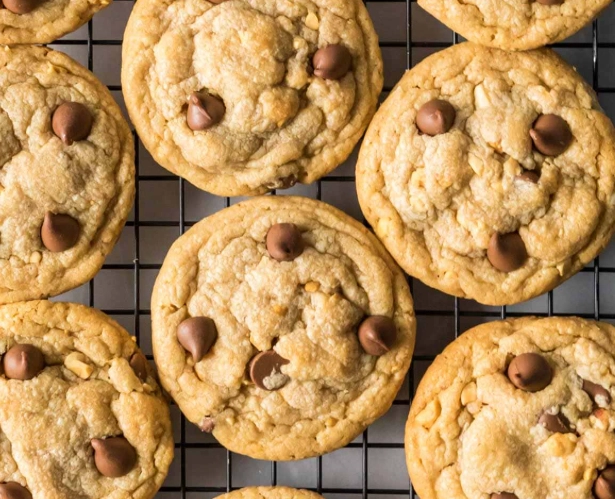
Fats: Butter vs. Peanut Butter, The Flavor Alliance
This is where the magic happens. Unsalted butter gives you control over salt and provides flavor and that classic crisp edge. Using it softened, not melted, helps create air pockets during creaming for a better rise. The peanut butter is the co-star. I strongly recommend using a standard, processed creamy peanut butter like Jif or Skippy. The natural, oil-separating kind can make your dough oily and your cookies spread too much. The added stabilizers in conventional peanut butter actually help the cookie structure. According to the USDA FoodData Central, peanut butter is about 50% fat, which directly impacts texture and mouthfeel.
Sugars: The Texture Twins
Granulated sugar promotes spreading and crispness. Brown sugar (pack it in!) is moister because of its molasses content, which adds chewiness, depth of flavor, and that lovely moist crumb. The 50/50 split here is deliberate for the perfect balance.
Leaveners & Salt: The Unsung Heroes
We use both baking soda and baking powder. Soda helps with browning and spread, while powder gives a little lift. Don't use just one. Salt is critical—it heightens all the other flavors and cuts the sweetness. If you only use salted butter, reduce the added salt to a pinch.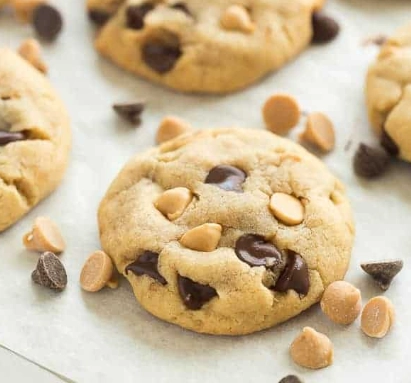
Eggs: The Binder
The whole egg binds. The extra egg yolk is my secret weapon. Its fat and emulsifiers add incredible richness and promote a chewy, tender texture. It makes a noticeable difference.
Common Pitfalls & How to Avoid Them (The Troubleshooting Table)
Even with a great recipe, things can go sideways. Here’s a quick-reference guide to diagnosing your cookie woes.
| Problem | Likely Cause | How to Fix It |
|---|---|---|
| Cookies spread too much | Butter too soft/melted, dough not chilled, warm baking sheet, too much sugar. | Chill dough thoroughly. Ensure butter is just softened. Let baking sheets cool between batches. |
| Cookies are cakey/puffy | Too much flour or baking powder, over-creaming butter & sugar. | Measure flour correctly. Cream just until fluffy and pale, not for ages. |
| Cookies are too dry/crumbly | Over-baking, too much flour, not enough fat or brown sugar. | Pull cookies out when centers look soft. Double-check your measuring. Use fresh brown sugar. |
| Peanut butter flavor is weak | Using a bland peanut butter, not using enough. | Use a brand you love for eating. You can bump up to 2/3 cup peanut butter for a stronger hit. |
| Chocolate pools out/burns | Using chips that are too small or low quality. | Use high-quality chocolate chips or chop a bar into chunks. They melt better and taste superior. |
See? Most cookie disasters are fixable.
Leveling Up Your Peanut Butter Chocolate Chip Cookie Game
Once you've mastered the base, it's time to play. Here are my favorite twists.
- Salty-Sweet: Sprinkle flaky sea salt (like Maldon) on the dough balls right before baking. It's a game-changer.
- Extra Chewy: Replace 1/4 cup of the white sugar with an extra 1/4 cup of brown sugar.
- Crunchy Peanut Butter: Use crunchy PB and maybe add 1/2 cup chopped roasted peanuts.
- Doubling the Chocolate: Use half semi-sweet and half milk chocolate chips. Or throw in some peanut butter chips too (though they can be very sweet).
Storing, Freezing, and Gifting Like a Pro
Baked cookies keep in an airtight container at room temp for 4-5 days. A piece of bread in the container can help keep them soft (the cookies steal moisture from the bread!).
The real secret? The dough freezes beautifully. Scoop dough balls onto a tray, freeze solid, then toss into a freezer bag. You can bake frozen dough balls straight from the freezer—just add 1-2 minutes to the bake time. Having ready-to-bake cookie dough in your freezer is a life upgrade, trust me.
Your Peanut Butter Chocolate Chip Cookie Questions, Answered
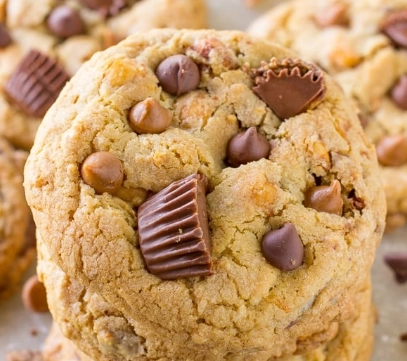
So there you have it. More than just a list of ingredients and steps, this is a roadmap to understanding the peanut butter chocolate chip cookie. It’s a forgiving recipe, but paying attention to those details—the chill, the measuring, the peanut butter choice—is what separates a good cookie from a mind-blowing one.
I still mess up sometimes. Last week I was distracted and used melted butter. Yep, flat cookies. It happens. But now you know why it happened, and that’s power.
Grab your bowl, weigh out your ingredients if you can (it’s the most accurate way), and give this peanut butter chocolate chip cookie recipe a try. Your search for the ultimate version ends here. Now go preheat that oven.
Reader Comments