Quick Guide
Let's be honest. We've all been there. You search for a recipe for peanut butter cookies, find one that looks decent, and end up with a baking sheet of sad, flat, greasy puddles that taste more like sweetened sand than cookies. Or maybe they're so hard you could use them as hockey pucks. I've had my share of those disasters, and it's frustrating.
This isn't just another recipe in the vast ocean of food blogs. This is the result of burning through pounds of peanut butter, bags of flour, and more than a few baking sheets in pursuit of what I believe is the absolute best, most reliable version. A recipe that works whether you're a seasoned baker or someone who thinks the oven is just for storing pans.
We're going deep. Beyond just the list of ingredients and bake time. We'll talk about the why behind each step, tackle every possible problem before it happens, and explore how to make this classic recipe your own. Consider this your peanut butter cookie masterclass.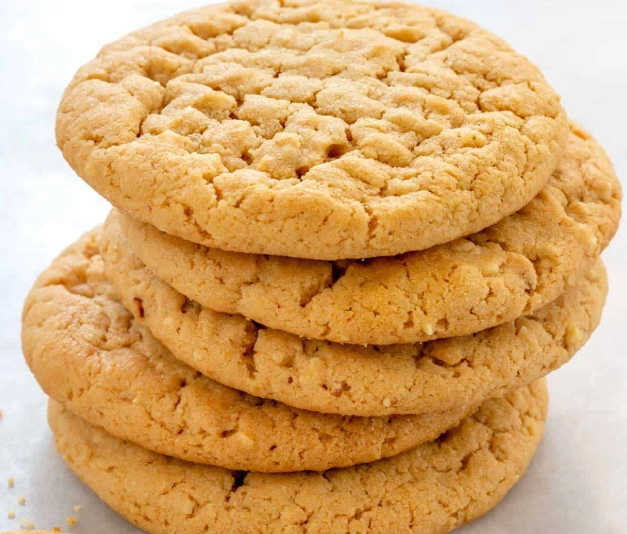
The Unbeatable, No-Fail Classic Recipe
This is the core. The foundation. The peanut butter cookie recipe I come back to time and again because it never, ever lets me down. It produces a cookie that's soft and chewy in the center with just the right amount of crispness at the edges. The peanut butter flavor is front and center—not too sweet, not too bland.
What You'll Need (The Ingredients Breakdown)
Gathering your ingredients is step one, but knowing why each one is there is step one to becoming a better baker. Let's break it down.
- Unsalted Butter (1 cup, softened): The backbone of flavor and texture. Unsalted lets you control the salt level. “Softened” is crucial—it should be cool to the touch but leave a slight indent when you press it. Not melted, not rock hard. This creams perfectly with the sugar.
- Creamy Peanut Butter (1 cup): This is the star. For this classic version, I strongly recommend a standard, shelf-stable brand like Jif or Skippy. Their consistent oil content and added stabilizers give predictable results. We'll talk about natural peanut butter later, but that's a different beast.
- Granulated Sugar (1 cup) & Light Brown Sugar (1 cup, packed): The white sugar gives crispness and spread; the brown sugar (pack it firmly into the cup!) delivers moisture, chew, and that lovely molasses depth. The combination is non-negotiable for the perfect texture.
- Large Eggs (2, room temperature): Binders and moisturizers. Room temp eggs incorporate more evenly into the butter-sugar mixture, preventing the dough from seizing up.
- Pure Vanilla Extract (2 teaspoons): The flavor enhancer. It rounds out the peanut butter's nuttiness. Don't skip it.
- All-Purpose Flour (2 ½ cups): The structure. I spoon and level my flour to avoid packing too much in. Too much flour is the #1 reason for dry, cakey cookies.
- Baking Soda (1 teaspoon) & Baking Powder (½ teaspoon): Our leavening duo. Baking soda helps with browning and spread, baking powder gives a little lift. Yes, we use both.
- Salt (1 teaspoon): The flavor amplifier. It makes the peanut butter and sugars pop. If you only use salted butter, reduce this to ½ teaspoon.
The Method: Where the Magic Happens
Follow these steps precisely, and you're golden. But I'll also tell you what happens if you deviate, because sometimes life happens.
- Cream the Fats & Sugars: In a large bowl, beat the softened butter, peanut butter, granulated sugar, and brown sugar together on medium speed for a good 2-3 minutes. You're not just mixing; you're incorporating air and dissolving the sugars into the fat. The mixture should become noticeably lighter in color and fluffy. This step is the secret to a great texture—don't rush it.
- Add Eggs & Vanilla: Beat in the eggs, one at a time, making sure each is fully incorporated before adding the next. Scrape down the bowl. Mix in the vanilla.
- Combine Dry Ingredients: In a separate bowl, whisk together the flour, baking soda, baking powder, and salt. Whisking ensures the leaveners are evenly distributed—no one wants a bite of pure baking soda.
- Bring It All Together: With your mixer on low speed, gradually add the dry ingredients to the wet mixture. Mix just until no flour streaks remain. Overmixing at this stage develops gluten in the flour, leading to tough cookies. A few stray flour bits are better than overmixing.
- Chill the Dough (The Most Skipped, Most Important Step): Cover the bowl and refrigerate the dough for at least 1 hour, preferably 2-3, or even overnight. Why? Chilling solidifies the fat, so the cookies don't melt into a puddle the second they hit the hot oven. It also allows the flour to hydrate, resulting in a richer flavor and better texture. I know it's hard to wait, but trust me.
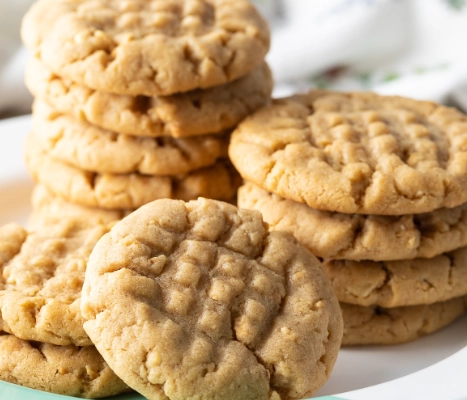
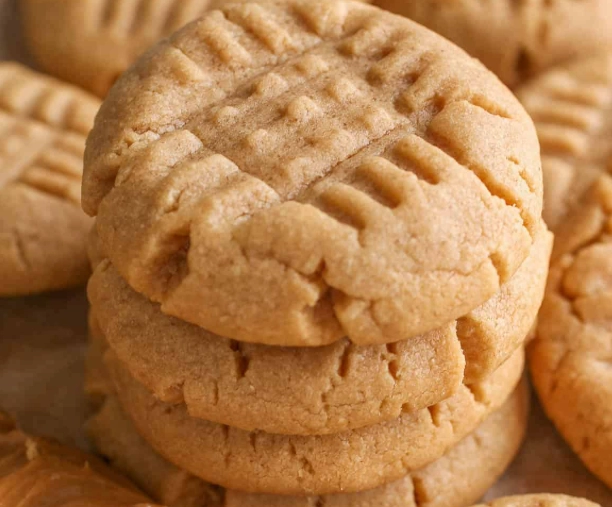
- Shape & Bake: Preheat your oven to 350°F (175°C). Line baking sheets with parchment paper (silpats are great too). Roll dough into 1.5-inch balls. For the classic look, place them on the sheet and use a fork to press a criss-cross pattern, dipping the fork in sugar between presses to prevent sticking. Bake for 10-12 minutes. The edges will be set and lightly golden, but the centers will still look soft and puffy. They will set as they cool.
- The Cool Down: Let the cookies cool on the baking sheet for 5 minutes before transferring them to a wire rack to cool completely. This final setting period is part of the baking process.
And there you have it. The classic, perfected.
Why Did MY Cookies Go Wrong? (Troubleshooting Guide)
Even with a great recipe for peanut butter cookies, things can go sideways. Let's diagnose the common issues.
Problem: The Cookies Spread Too Much & Are Flat
This is the most common complaint. Your beautiful criss-crossed dough ball melts into a thin, lacy disc.
- The Usual Suspects: Butter or dough too warm. Skipped the chill step. Baking sheet was still warm from a previous batch. Oven temperature too low (get an oven thermometer!).
- The Fix: Chill your dough thoroughly. Always use cool baking sheets. Ensure your oven is fully preheated. Check your butter—if it's melted or oily, the cookies will spread.
Problem: The Cookies Are Too Dry, Crumbly, or Cakey
They taste more like a dry scone than a tender cookie.
- The Usual Suspects: Too much flour (did you scoop directly from the bag? That packs it down). Overmixing the dough after adding flour. Overbaking.
- The Fix: Measure flour by spooning it into the measuring cup and leveling it off. Mix dry ingredients only until just combined. Set a timer and check early—remember, they continue to cook on the hot tray.
Problem: The Peanut Butter Flavor Is Weak
They just taste like sweet cookies with a hint of something nutty.
- The Usual Suspect: Using a bland peanut butter. Some store brands can be underwhelming.
- The Fix: Use a brand you love to eat by the spoonful. You can also add a tiny pinch (⅛ tsp) of extra salt to make the existing flavor pop, or use ¼ cup of roasted peanut flour in place of an equal amount of all-purpose flour for an intense boost (King Arthur Baking has a great article on using nut flours).
Beyond the Classic: Incredible Variations to Try
Once you've mastered the base, the world is your oyster... or rather, your peanut butter cookie. Here are some of my favorite twists.
| Variation | How-To | Result |
|---|---|---|
| Chocolate Peanut Butter Paradise | Fold in 1.5 cups of semi-sweet chocolate chips or chunks into the dough before chilling. | The classic combo. The melty chocolate against the salty-sweet cookie is unbeatable. |
| Peanut Butter & Jelly Thumbprints | Roll dough balls, then make a deep indent with your thumb. After baking, fill the warm indent with a teaspoon of your favorite jam or jelly. | A nostalgic, fun, and visually stunning cookie. Grape jelly is classic, but raspberry is amazing. |
| Salty-Sweet Sensation | Top each dough ball with a few flakes of sea salt (like Maldon) before baking. | Elevates the flavor profile to gourmet levels. Cuts the sweetness perfectly. |
| Gluten-Free Peanut Butter Cookies | Replace the all-purpose flour with a 1:1 gluten-free baking blend (like Bob's Red Mill or King Arthur's). Ensure all other ingredients are GF. | A safe and delicious treat for those with dietary restrictions, with nearly identical texture. |
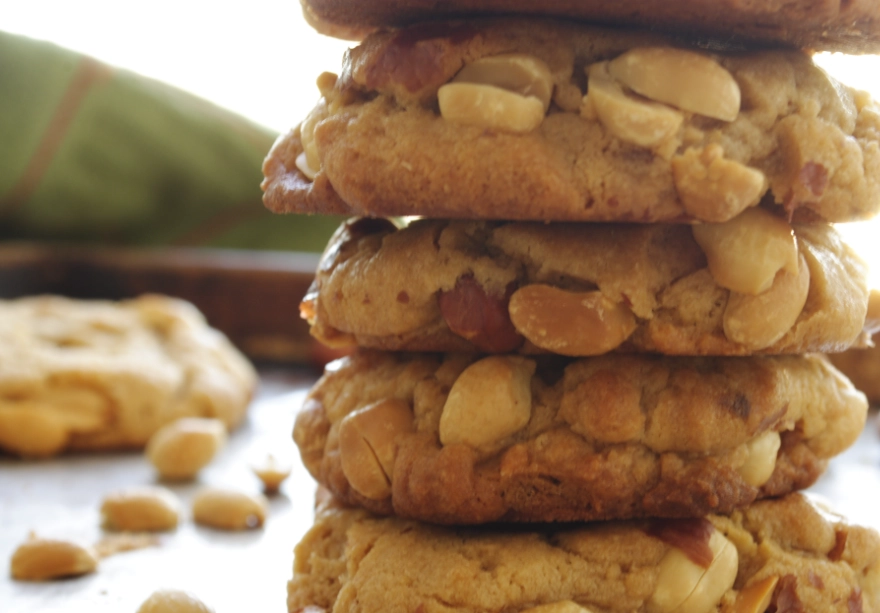
| Triple Peanut | Use chunky peanut butter AND fold in 1 cup of chopped, salted peanuts. | For the ultimate peanut fanatic. Maximum crunch and peanut flavor in every bite. |
Working with Natural Peanut Butter
I love the ingredient list on natural peanut butter (just peanuts and salt), but it's tricky for baking. The oil separates, and the consistency is looser.
If you want to use it in this recipe for peanut butter cookies, you MUST stir the jar thoroughly until completely homogenous. Even then, your dough may be oilier. I recommend reducing the butter by 2 tablespoons and chilling the dough for at least 3 hours, maybe longer. The cookies might spread a bit more and have a denser, grainier texture, but the flavor can be incredible. It's a trade-off.
Storing, Freezing, and Gifting Your Masterpieces
You've made perfect cookies. Now, keep them that way.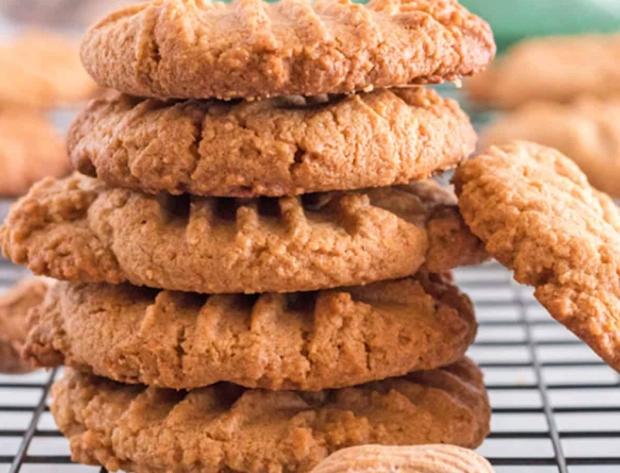
- At Room Temperature: Store in an airtight container at room temp for up to 5 days. A piece of bread in the container can help keep them soft (the cookies draw moisture from the bread).
- Freezing Baked Cookies: Let them cool completely, then layer them between parchment paper in a freezer bag or container. Freeze for up to 3 months. Thaw at room temp.
- Freezing Cookie Dough: This is my favorite trick! Portion the dough into balls, place on a parchment-lined sheet, and flash-freeze until solid (1-2 hours). Then transfer the frozen balls to a freezer bag. You can bake them directly from frozen, adding 1-2 minutes to the bake time. Fresh, warm cookies anytime!
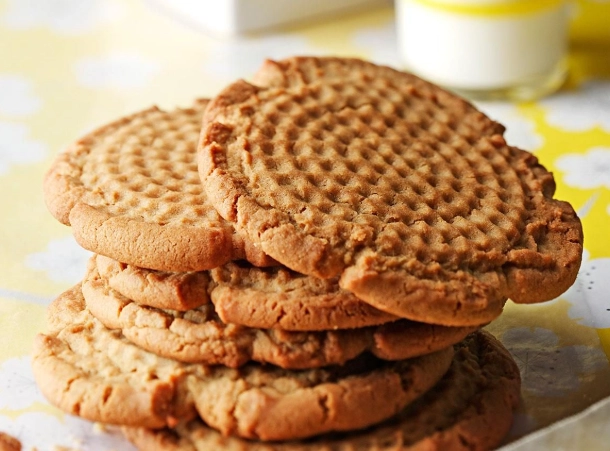
They also make fantastic gifts. A tin of homemade peanut butter cookies says you care way more than a store-bought box.
Your Peanut Butter Cookie Questions, Answered
I've gotten a lot of questions over the years. Here are the ones that come up most often.
Final Thoughts From My Kitchen
Baking, to me, is part science and part heart. This recipe for peanut butter cookies is the reliable science part. But the heart part is making them for someone you love, or just for yourself after a long day.
Don't be afraid to get a little flour on your hands. Don't stress if your criss-crosses aren't Instagram-perfect (mine often aren't). The smell that fills your kitchen while these bake is one of life's simple, great pleasures.
I genuinely hope this guide gives you the confidence to bake a batch that makes you proud. Start with the classic, then make it your own. That's how the best family recipes are born.
Now, go preheat that oven. Your perfect peanut butter cookies are waiting.
Reader Comments