Your Baking Blueprint
- The Heart of the Matter: Choosing Your Peanut Butter
- The Foundation: A No-Fail, Deeply Flavorful Base Recipe
- Texture Tinkering: How to Bake Your Perfect Cookie
- Beyond the Classic: Elevations and Fixes
- The Health-Consistent Twist (Yes, It's Possible)
- Storing, Freezing, and Gifting Your Masterpieces
- Your Peanut Butter Cookie Questions, Answered
Let's be honest. We've all been there. You get a craving for something sweet, something nutty, something that just feels like a hug from the inside. And nothing quite hits the spot like a perfect peanut butter cookie. Not the dry, crumbly ones that taste like sweetened sawdust. I'm talking about the kind of irresistible peanut butter cookies that are soft in the center, maybe a little chewy around the edges, with that deep, toasty peanut flavor that makes you close your eyes for a second after the first bite.
But here's the rub. Baking them can feel like a mystery. Why do some recipes turn out cakey while others are flat and greasy? Why do my fork marks disappear? Is crunchy or creamy peanut butter better? I've asked all these questions, and I've made every mistake in the book so you don't have to. I once baked a batch so hard you could have used them as hockey pucks. True story.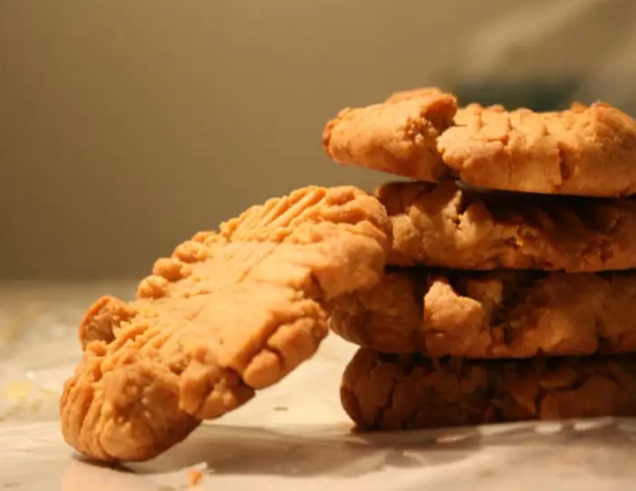
This isn't just another recipe list. This is the culmination of years of testing, tweaking, and yes, occasionally failing, to decode what truly makes a peanut butter cookie impossible to resist. We're going deep—from the science of the ingredients to the little tricks that separate a good cookie from a legendary one.
The Heart of the Matter: Choosing Your Peanut Butter
This is where it all starts. Get this wrong, and you're fighting an uphill battle. The peanut butter you choose is the soul of your cookie.
Most recipes will just say "peanut butter" and leave you hanging. That's a disservice. Let's break it down.
Creamy vs. Crunchy: The Great Debate
This one's personal, but it affects texture dramatically.
Creamy peanut butter
gives you that classic, uniform, melt-in-your-mouth texture. It's predictable and creates a smoother, more cohesive dough. If you're after those perfectly criss-crossed, uniform cookies that are soft all the way through, creamy is your safest bet. Jif or Skippy creamy are the workhorses here, and there's no shame in that. Their consistent oil content and added stabilizers actually make them more forgiving for baking.
Crunchy peanut butter
is my personal favorite for adding a surprise element. You get those little bursts of peanut texture that I find incredibly satisfying. It makes the cookie feel more substantial and rustic. Just be aware, it can sometimes make the dough a bit more crumbly. If you go crunchy, you might need to press the dough balls together a bit more firmly before baking.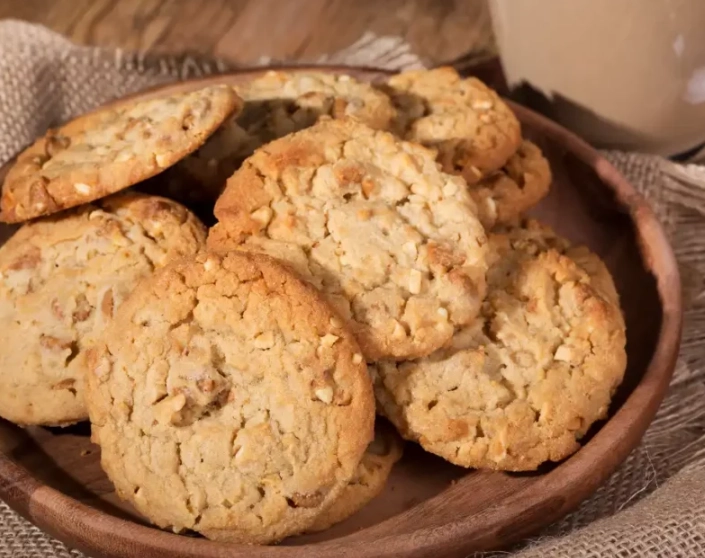
The Natural vs. Conventional Showdown
This is a huge point of confusion. Walk down the aisle and you'll see shelves of "natural" peanut butter that separates, right next to the shelf-stable conventional kinds.
Conventional (like Jif, Skippy, Peter Pan): These contain added hydrogenated oils and sugars to prevent separation. This can be a good thing for cookie consistency. The fat is stabilized, which often leads to a more predictable spread and texture. The sugar content is also consistent. For a beginner, I'd recommend starting here. You're less likely to end up with a greasy, spreading mess.
Natural (oil-on-top): These are just peanuts and salt. Sometimes a touch of honey. The flavor is often superior—purer, more peanut-forward. But. Big but. You must stir it thoroughly until it's completely homogenous. If you don't, you'll add a layer of oil to your dough and the results will be disastrous—greasy, flat cookies. Even after stirring, natural peanut butter can behave differently because it lacks emulsifiers. Your cookies might not spread as much, or they might spread unpredictably. It requires a bit more finesse.
Honestly, for your first attempt at truly irresistible peanut butter cookies, grab a jar of conventional creamy. Master the basic technique first. Then, experiment with natural or crunchy versions to find your personal holy grail.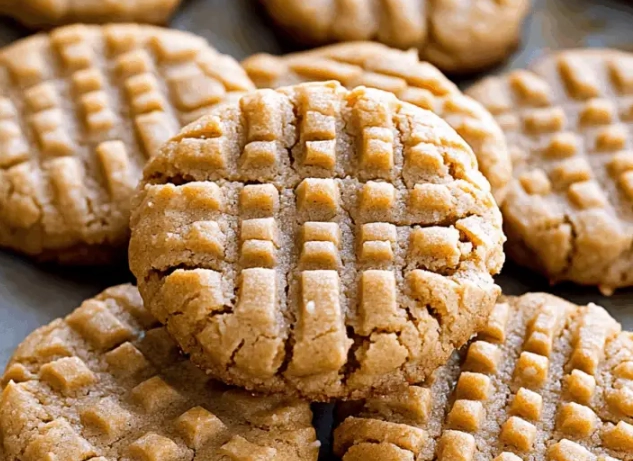
The Foundation: A No-Fail, Deeply Flavorful Base Recipe
Alright, let's get our hands dirty. This recipe is my go-to. It's not the simplest one on the internet (those often sacrifice flavor), but it's not fussy either. It builds flavor in a few key ways that the "3-ingredient" recipes just can't touch.
Ingredients:
- 1 cup (2 sticks) unsalted butter, softened to room temperature (cool, not warm)
- 1 cup granulated sugar
- 1 cup packed light brown sugar (this is non-negotiable for chewiness and molasses notes)
- 1 cup peanut butter (see notes above on your choice!)
- 2 large eggs, room temperature
- 2 teaspoons pure vanilla extract
- 2 ½ cups all-purpose flour (spooned and leveled, don't scoop!)
- 1 teaspoon baking powder
- 1 teaspoon baking soda
- ½ teaspoon salt (use ¾ tsp if your peanut butter is unsalted)
The Method That Matters:
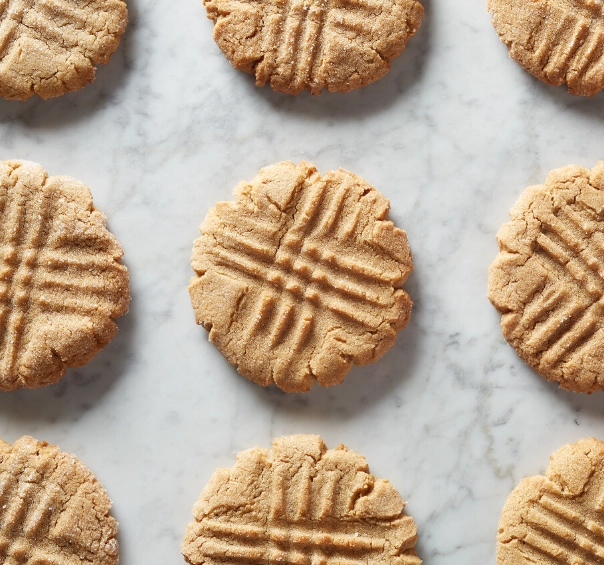
- Creaming is Key: In a large bowl, beat the softened butter, granulated sugar, and brown sugar together on medium speed for a full 2-3 minutes. You want it light, fluffy, and pale. This incorporates air, which helps with texture. Don't rush this.
- Wet Ingredients: Beat in the peanut butter until fully combined. Then add the eggs one at a time, beating well after each. Scrape down the bowl. Stir in the vanilla.
- Dry Team Unites: In a separate bowl, whisk together the flour, baking powder, baking soda, and salt. This ensures even distribution so you don't get a bitter bite of baking soda.
- Combine Gently: Gradually add the dry ingredients to the wet ingredients on low speed. Mix just until the flour disappears. Overmixing develops gluten and leads to tough cookies. The dough will be thick and maybe a bit sticky.
Now, here's a decision point. Do you want thin and crispy edges with a chewy center, or a thicker, softer, more cake-like cookie?
Texture Tinkering: How to Bake Your Perfect Cookie
This is the magic. One recipe, multiple outcomes. The bake time and a few small tweaks let you customize your irresistible peanut butter cookies to your exact craving.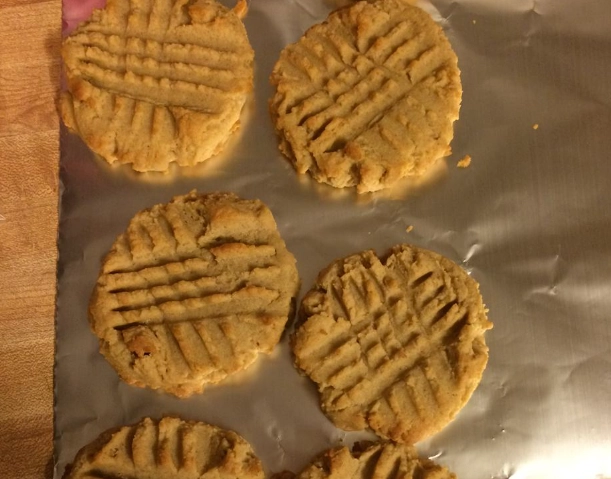
| Desired Texture | Dough Prep | Baking Temp & Time | Key Characteristic |
|---|---|---|---|
| Soft & Chewy (My Favorite) | Scoop dough balls, do not flatten. Optional: roll in extra sugar. | 350°F (175°C) for 10-11 minutes. | Edges are just set, centers look soft and puffy. They will fall and set as they cool. |
| Crispy Edges, Chewy Center | Flatten dough balls slightly with your palm or a glass. | 375°F (190°C) for 9-10 minutes. | Edges are golden brown, centers are lighter but set. Gives more contrast. |
| Thin & Crispy All Over | Flatten dough balls significantly. Use more granulated sugar in dough. | 375°F (190°C) for 11-12 minutes. | Entire cookie is lace-like and golden. Let cool completely on sheet. |
| Thick & Cake-Like | Use an extra 2-3 Tbsp of flour. Chill dough balls for 1+ hour. | 325°F (160°C) for 12-13 minutes. | Little spread, domed top. Remains very soft for days. |
The universal rule? They are done before they look done. Take them out when the edges are just beginning to turn golden and the centers still look slightly underbaked. They will continue to cook on the hot baking sheet for a few minutes after removal. This is the single biggest secret to avoiding dry, overbaked cookies.
Let them cool on the baking sheet for 5 minutes to firm up, then transfer to a wire rack. Trying to move them too early is a one-way ticket to broken-cookie city.
Beyond the Classic: Elevations and Fixes
Once you've mastered the classic, the world is your oyster. Or, well, your peanut butter cookie.
Flavor Boosters (The Game Changers)
- A Pinch of Espresso Powder: Sounds weird, tastes incredible. Just ½ to 1 teaspoon of instant espresso powder mixed with the dry ingredients. It doesn't make the cookies taste like coffee; it deepens the roasted, nutty flavor of the peanuts exponentially. Try it once.
- Brown Butter: Brown one stick (½ cup) of the butter before adding it to the recipe. Let it cool to room temperature before creaming. It adds a nutty, caramelized complexity that pairs perfectly with peanut butter.
- Flaky Sea Salt Finish: Sprinkle a tiny pinch of Maldon or other flaky sea salt on the dough balls right before baking. The sweet-salty contrast is modern and absolutely addictive.
The Add-In Arena
Chocolate chips are the obvious choice, and a good one. But consider:
- Chopped Reese's Peanut Butter Cups: For the ultimate peanut butter overload.
- Chopped Salted Peanuts: Enhances texture and saltiness if you used creamy butter.
- White Chocolate Chips & Dried Cranberries: A surprisingly elegant combo.
- A Swirl of Jam: Press a small indent into the dough ball before baking and fill with raspberry or strawberry jam.
Rescuing Common Disasters
We've all had batches go wrong. Here's how to diagnose and, sometimes, fix it for next time.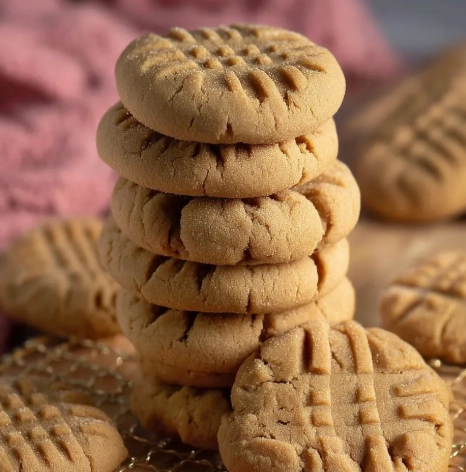
| Problem | Likely Cause | Solution for Next Batch |
|---|---|---|
| Cookies spread too much, are flat and greasy. | Butter or dough was too warm. Baking sheet was warm. Too much sugar or not enough flour (if you scooped flour). | Chill dough before baking. Always use cool baking sheets. Measure flour correctly (spoon and level). |
| Cookies didn't spread at all, are dry and cakey. | Too much flour. Dough was over-chilled or too cold when baked. Baking powder/soda may be old. | Re-check flour measurement. Let dough sit at room temp for 15 min if over-chilled. Test your leaveners. |
| Cookies are too hard/crunchy. | Overbaked. Too much granulated sugar relative to brown sugar. | Shorten bake time. Increase ratio of brown sugar to white sugar. |
| Fork marks disappear during baking. | Dough was too warm or wet when marked. Not enough flour structure. | Chill dough before forking. Press firmly with a floured fork. |
| Cookies taste bland or "floury." | Not enough salt. Low-quality or old peanut butter. Under-creaming the butter/sugar. | Increase salt slightly. Use a brand you'd eat by the spoonful. Cream for the full time. |
See? Most problems are fixable. It's usually about temperature, measurements, or timing.
The Health-Consistent Twist (Yes, It's Possible)
Maybe you're looking for a slightly better-for-you version. You can make decent adjustments, but remember, it's still a cookie. Managing expectations is key.
For a credible take on healthier baking, resources like the USDA's FoodData Central are useful for comparing the nutritional profiles of ingredients like different nut butters and alternative sweeteners.
- Flour: You can replace up to half the all-purpose flour with whole wheat pastry flour. It adds fiber and a nutty taste without making the cookies dense. Don't use regular whole wheat flour for all of it—it's too heavy.
- Sugar: Reducing sugar significantly changes texture and spread. You can try swapping the granulated sugar for coconut sugar, but it will darken the cookie and alter moisture. It's a trade-off.
- Butter & Fat: Applesauce or mashed banana is a terrible substitute here—it makes the cookies gummy. For a different fat profile, you can replace half the butter with a mild-tasting oil like avocado oil, but the texture will be more tender and crumbly, not chewy.
The best "healthy" hack? Make the regular dough, but scoop it with a teaspoon instead of a tablespoon. You get more cookies, perfect portion control, and all the authentic flavor.
Storing, Freezing, and Gifting Your Masterpieces
You've baked the perfect batch. Now what?
Storing at Room Temperature: Let cookies cool completely. Store in an airtight container at room temperature with a piece of bread thrown in. The bread gets stale, the cookies stay soft. Magic. They'll be great for 4-5 days.
Freezing Dough: This is my #1 pro tip for fresh cookies on demand. Scoop dough balls onto a parchment-lined tray. Freeze solid (1-2 hours), then transfer to a freezer bag. You can bake them straight from frozen—just add 1-2 minutes to the bake time. Having a bag of frozen dough balls is like having a secret weapon for unexpected guests or a Tuesday night craving.
Freezing Baked Cookies: Layer cooled cookies between sheets of parchment in an airtight container. They'll keep for up to 3 months. Thaw at room temperature.
For gifting, pack them in a box or tin with layers separated by parchment. A simple ribbon makes it feel special. Everyone loves a homemade gift, especially when it's a box of truly irresistible peanut butter cookies.
Your Peanut Butter Cookie Questions, Answered
So there you have it. The whole journey, from picking the jar off the shelf to pulling a perfect, golden batch out of the oven. It's not about following one rigid recipe, but understanding the principles so you can bake the cookie of your dreams every single time.
The quest for the ultimate irresistible peanut butter cookie is deeply personal. Maybe yours has dark chocolate chunks. Maybe it's extra salty. Maybe it's thin and crisp all the way through. Now you have the tools and the knowledge to build it.
Go preheat your oven.
That craving isn't going to satisfy itself.
Reader Comments